Stainless Steel Tea Kettle
CN → US| HS编码 | 关税税率 | 原产国 | 目的国 | 文档 |
|---|---|---|---|---|
| 8516710080 | 21.2% | CN | US | 官方文档 |
| 7323930035 | 62.0% | CN | US | 官方文档 |
| 7323930015 | 62.0% | CN | US | 官方文档 |
| 7615107155 | 63.1% | CN | US | 官方文档 |
| 8516710080 | 21.2% | CN | US | 官方文档 |
商品图片
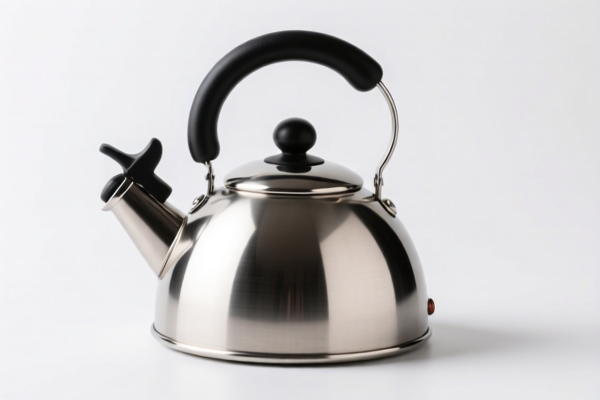
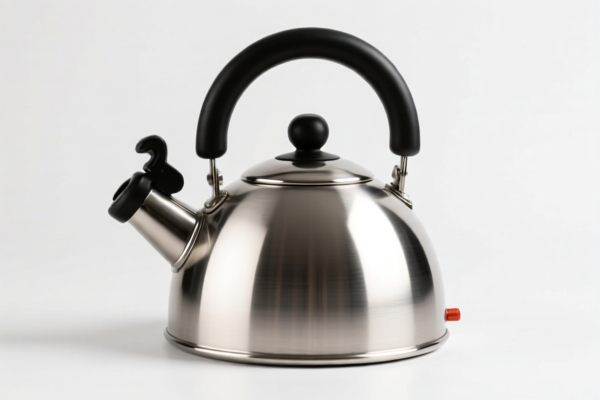
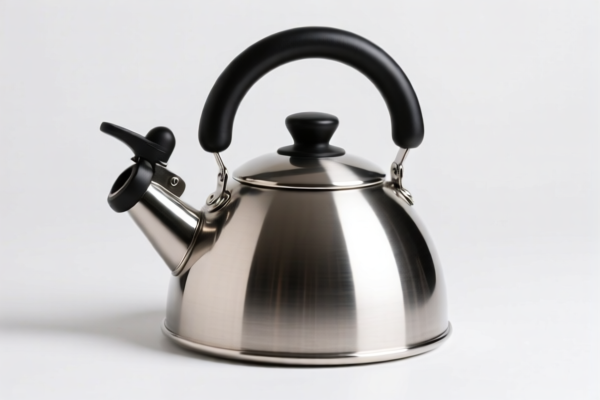
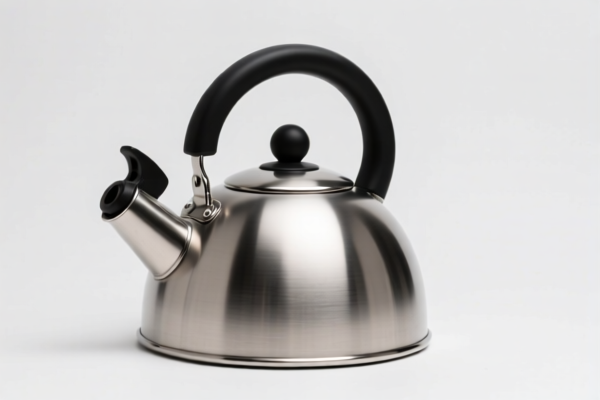
AI分析
🫖 Stainless Steel Tea Kettle (The Great Classification Battle)
🌐 HS Code Reference & Customs Clearance Guide | 2026 Tariff Authority Analysis | Strategic Classification for Steel & Electric Kettles
📌 I. Product Definition & Classification: Are You Brewing Tea or Toaster Electricity?
A "Stainless Steel Tea Kettle" is a broad term that hides a critical legal distinction in international trade: Is it electric or manual? This single attribute changes the HS Code, the tax rate, and the applicable tariff clauses entirely.
In the provided data, we see a split: * Electric Kettles (Heating Elements): Classified under Chapter 85 (Electrical Machinery). * Manual Kettles (Pure Steel/Aluminum): Classified under Chapter 73 (Iron/Steel) or Chapter 76 (Aluminum).
⚠️ Critical Distinction:
- If the kettle has a plug, heating element, or automatic shutoff → It is an Electrical Appliance (8516).
- If the kettle is just a vessel (no power source) → It is a Metal Article (7323or7615).
- Note: Even "Electric Kettles" have a lower tariff rate than "Steel Kettles" due to specific US-China trade clauses (Section 301 vs. 122).
📦 II. HS Code Classification Matrix (Based on Provided Data)
| HS Code | Product Description | Material/Type | Tax Category Logic | Total Tax Rate |
|---|---|---|---|---|
8516.71.00.80 |
Electric Tea Kettle (Other electrical appliances) |
Stainless Steel (Electric) | Electrical Heating Appliance Subject to Section 301 (7.5%) + Section 122 (10%) |
21.2% |
7323.93.00.35 |
Stainless Steel Household Kettle | Stainless Steel (Manual) | Household Steelware Subject to Steel/Al/Cu Surcharge (50%) + Sec 122 (10%) |
62.0% |
7323.93.00.15 |
Stainless Steel Tea Kettle | Stainless Steel (Manual) | Household Steelware Subject to Steel/Al/Cu Surcharge (50%) + Sec 122 (10%) |
62.0% |
7615.10.71.55 |
Aluminum Tea Kettle | Aluminum (Manual) | Household Aluminumware Subject to Steel/Al/Cu Surcharge (50%) + Sec 122 (10%) |
63.1% |
🔍 Key Insight:
- Electric vs. Manual: The electric kettle (8516) enjoys a significantly lower tax burden (21.2%) compared to its manual steel counterparts (62-63%).
- Material Surcharge: Manual kettles fall under the "Steel, Aluminum, and Copper Products Surcharge", which adds a heavy 50% on top of base tariffs. This is likely a response to recent trade policies targeting base metals.
- Section 122: All items listed are subject to a 10% Section 122 tariff (likely related to national security or specific import restrictions).
💰 III. 2026 Tariff Structure & Legal Breakdown
✅ Applicable Jurisdiction: United States (US)
✅ Origin: China (CN) (Implied by Section 301/122 context)
✅ Effective Date: 2025-2026 Tariff Regime
🎯 1. 8516.71.00.80 — The "Electrical" Route (Lower Tax)
| Component | Rate | Legal Basis | Explanation |
|---|---|---|---|
| Base Duty | 3.7% | HTSUS General Rate | Standard duty for other electrical heating appliances. |
| Section 301 | 7.5% | USITC Footnote | "List 4B" addition on electrical machinery/appliances. |
| Section 122 | 10.0% | US Code § 1862 | National emergency/import restriction surcharge. |
| TOTAL | 21.2% | Most Cost-Effective Option |
📌 Why is this lower?
While it carries Section 301 and Section 122, it avoids the massive 50% Steel/Al/Cu surcharge. The duty structure favors "manufactured electrical goods" over "raw material-based household items."
🎯 2. 7323.93.00.35 & 7323.93.00.15 — The "Manual Steel" Route (High Tax)
| Component | Rate | Legal Basis | Explanation |
|---|---|---|---|
| Base Duty | 2.0% | HTSUS General Rate | Standard duty for table/kitchen articles of stainless steel. |
| Section 301 | 0.0% | N/A | Not applicable to this specific subheading in this dataset. |
| Section 122 | 10.0% | US Code § 1862 | National emergency/import restriction surcharge. |
| Steel/Al/Cu Surcharge | 50.0% | Specific Trade Action | The Dealbreaker. Applied to steel products. |
| TOTAL | 62.0% | High Cost Risk |
📌 Why is this so high?
The 50% surcharge on steel products is punitive. Even with a low base duty (2.0%), the effective rate jumps to 62%. This discourages the import of non-electric steel household goods.
🎯 3. 7615.10.71.55 — The "Aluminum" Route (Highest Tax)
| Component | Rate | Legal Basis | Explanation |
|---|---|---|---|
| Base Duty | 3.1% | HTSUS General Rate | Standard duty for table/kitchen articles of aluminum. |
| Section 301 | 0.0% | N/A | Not applicable. |
| Section 122 | 10.0% | US Code § 1862 | National emergency/import restriction surcharge. |
| Steel/Al/Cu Surcharge | 50.0% | Specific Trade Action | Applies to Aluminum products as well. |
| TOTAL | 63.1% | Highest Cost |
📌 Note: Aluminum is taxed slightly higher (63.1%) than stainless steel (62.0%) due to a higher base duty (3.1% vs 2.0%), but the 50% surcharge applies identically.
🛠️ IV. Customs Clearance Strategy & Risk Mitigation
✅ 1. Material & Function Declaration is Key
| Feature | Declaration Requirement | Risk if Misdeclared |
|---|---|---|
| Electric Kettle | Must specify: "Electric Heating Element," "Voltage 110V/220V," "Plug Included." | If declared as "Steel Kettle," you pay 62%. If declared as "Electric" but lacks plug, customs may reclassify and penalize. |
| Manual Kettle | Must specify: "Non-electric," "No Heating Element," "Material: 18/8 Stainless Steel." | If declared as "Electric," you might face scrutiny for missing UL/ETL certification. |
✅ 2. HS Code Selection Strategy
Scenario A: You are importing Electric Kettles
✅ Use8516.71.00.80
- Tax: 21.2%
- Advantage: Avoids the 50% Steel Surcharge.
- Action: Ensure the product clearly includes electrical components. Include a circuit diagram or photo in the commercial invoice if requested.Scenario B: You are importing Manual Stainless Steel Kettles
⚠️ Use7323.93.00.15or7323.93.00.35
- Tax: 62.0%
- Risk: High cost due to Steel Surcharge.
- Action: Verify if the "Kettle" can be considered a "Teapot" or "Coffee Pot" under different subheadings? Data shows both are 62%, so no easy escape here. Consider if the product can be classified as a thermos/flask (different chapter) if it has vacuum insulation, as that may have different tariffs.Scenario C: You are importing Aluminum Kettles
❌ Avoid if possible.
- Tax: 63.1%
- Reason: Highest base duty + 50% Surcharge. No tariff advantage over steel.
✅ 3. Documentation Checklist
| Document | Description | Purpose |
|---|---|---|
| Commercial Invoice | Clearly state: "Electric Tea Kettle" OR "Manual Stainless Steel Kettle." | Determines HS Code eligibility. |
| Product Specs | List voltage (if electric) or material grade (if manual). | Proves classification. |
| Photos | Show electrical plug/components OR handle/material texture. | Visual proof for customs officers. |
| Origin Certificate | If applicable, prove origin to avoid non-China penalties (though surcharges often apply regardless). | Verify trade status. |
🌍 V. Global Comparison & Trade Policy Context
| Market | Likely HS Code | Est. Tax Impact | Notes |
|---|---|---|---|
| 🇺🇸 USA | 8516.71.00.80 (Electric) |
21.2% | Heavily penalizes manual steel/aluminum (50% surcharge). Favors electrical appliances. |
| 🇨🇳 China | 8516.71.00.80 |
Low (~10%) | No Section 122/301. Standard MFN rates apply. |
| 🇪🇺 EU | 8516.71 (Electric) |
~6-12% | No equivalent 50% steel surcharge. More neutral. |
| 🇬🇧 UK | 8516.71 (Electric) |
~4-6% | Post-Brexit tariffs generally lower on appliances. |
📌 Conclusion:
The US tariff structure heavily disincentivizes the import of manual stainless steel and aluminum household vessels due to the 50% Steel/Al/Cu surcharge.
Strategic Advice: If you are selling kettles in the US, Electric Kettles (8516) are significantly more profitable than manual steel/aluminum ones due to the 40%+ tax difference.
📌 VI. Common Pitfalls & Avoidance Tips
❌ Pitfall 1: "It's just a kettle, does it matter if it's electric?"
👉 Fact: It matters immensely. Misclassifying an electric kettle as a steel kettle saves no money; misclassifying a steel kettle as electric risks penalties for false declaration.
❌ Pitfall 2: Ignoring the "Steel/Aluminum Surcharge"
👉 Fact: The 50% surcharge is automatic for 7323 and 7615. You cannot waive it. Factor this into your FOB/CIF pricing immediately.
❌ Pitfall 3: Assuming All Stainless Steel is the Same
👉 Fact: 7323.93.00.15 and 7323.93.00.35 both have the same tax rate in this data, but different legal descriptors. Ensure your product description matches the "Household Item" definition strictly.
✅ Best Practice:
"Electrify or Die"
- If your business model relies on the US market, prioritize Electric Kettles (8516).
- If you must sell manual kettles, consider vacuum-insulated flasks (often Chapter 73 or 76 but potentially different subheadings) or explore Third-Country Transshipment (if legally compliant) to mitigate the 50% surcharge.
🎯 VII. Final Recommendation
🎯 For Importers:
🔹 Choose
8516.71.00.80for any kettle with a heating element. 21.2% Tax.
🔹 Avoid7323/7615unless you have a massive margin buffer. 62-63% Tax.
🎯 For Exporters:
🔹 Highlight the electrical components in your marketing and documentation to leverage the lower tax bracket.
🔹 Clearly label products as "Electric" vs. "Manual" to avoid customs delays.
📌 Pro Tip:
Always request a Pre-Ruling (Binding Ruling) from US Customs (CBP) before shipping large volumes. The difference between 21.2% and 62% can erase your entire profit margin. Don't guess — get it in writing.
📣 Immediate Action:
📞 Review your product specs: Does it plug in?
📄 Update your commercial invoice description.
💰 Recalculate your landed cost using the correct HS Code.
✨ Precision in Classification is Profit in Your Pocket!
💼 Don't let the 50% Surcharge boil away your margins!
用户评价
关于 HS 编码归类
协调制度(HS)是由世界海关组织(WCO)制定的国际贸易商品分类标准。全球 200 多个国家采用 HS 系统作为海关关税、贸易统计和进出口监管的基础。
每个 HS 编码遵循以下层级结构:
- 章(2 位)——商品大类(例如:第 84 章:机器和机械设备)
- 品目(4 位)——章内的更具体分类
- 子目(6 位)——国际通用细分,所有 WCO 成员国统一使用
- 本国细分(8-10 位)——各国自行扩展的细分编码,如美国 HTSUS 10 位编码
正确的 HS 编码归类对于顺利通关、准确缴纳关税和遵守贸易法规至关重要。错误归类可能导致海关延误、多缴关税或罚款。
从CN进口到US时,适用的关税税率可能包括:
- 最惠国(MFN)税率——适用于 WTO 成员国的标准关税税率
- 普通税率——适用于无贸易协定国家
- 贸易救济关税——附加关税,如 301 条款(反倾销)、232 条款(国家安全)或反补贴税
本页内容仅供参考。如需正式归类,请咨询当地海关或持牌报关代理。