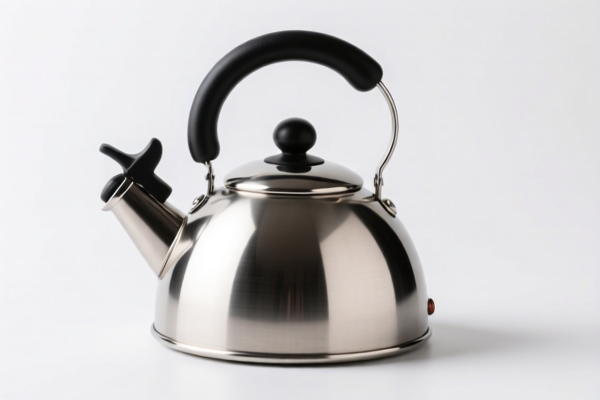
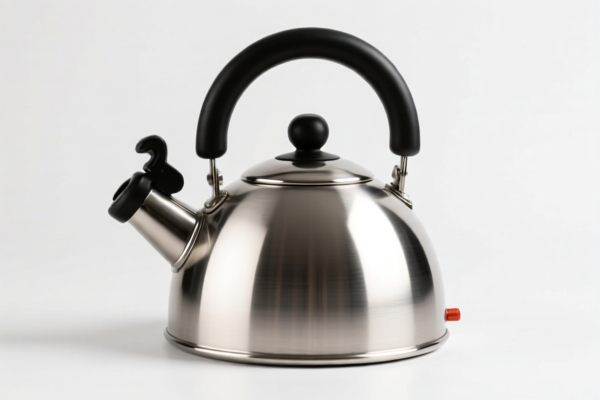
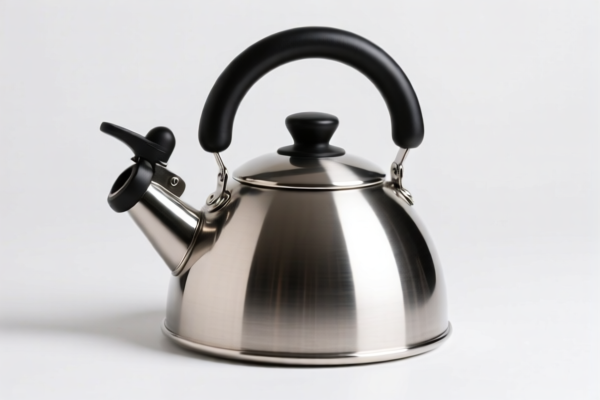
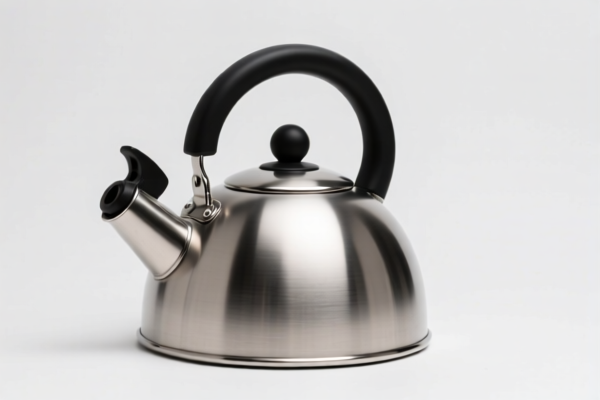
Stainless Steel Tea Kettle
CN → US| HS Code | Tariff Rate | Origin | Destination | Doc |
|---|---|---|---|---|
| 8516710080 | 21.2% | CN | US | Official Doc |
| 7323930035 | 62.0% | CN | US | Official Doc |
| 7323930015 | 62.0% | CN | US | Official Doc |
| 7615107155 | 63.1% | CN | US | Official Doc |
| 8516710080 | 21.2% | CN | US | Official Doc |
Product Images
AI Analysis
🫖 Stainless Steel Tea Kettle (The Great Classification Battle)
🌐 HS Code Reference & Customs Clearance Guide | 2026 Tariff Authority Analysis | Strategic Classification for Steel & Electric Kettles
📌 I. Product Definition & Classification: Are You Brewing Tea or Toaster Electricity?
A "Stainless Steel Tea Kettle" is a broad term that hides a critical legal distinction in international trade: Is it electric or manual? This single attribute changes the HS Code, the tax rate, and the applicable tariff clauses entirely.
In the provided data, we see a split: * Electric Kettles (Heating Elements): Classified under Chapter 85 (Electrical Machinery). * Manual Kettles (Pure Steel/Aluminum): Classified under Chapter 73 (Iron/Steel) or Chapter 76 (Aluminum).
⚠️ Critical Distinction:
- If the kettle has a plug, heating element, or automatic shutoff → It is an Electrical Appliance (8516).
- If the kettle is just a vessel (no power source) → It is a Metal Article (7323or7615).
- Note: Even "Electric Kettles" have a lower tariff rate than "Steel Kettles" due to specific US-China trade clauses (Section 301 vs. 122).
📦 II. HS Code Classification Matrix (Based on Provided Data)
| HS Code | Product Description | Material/Type | Tax Category Logic | Total Tax Rate |
|---|---|---|---|---|
8516.71.00.80 |
Electric Tea Kettle (Other electrical appliances) |
Stainless Steel (Electric) | Electrical Heating Appliance Subject to Section 301 (7.5%) + Section 122 (10%) |
21.2% |
7323.93.00.35 |
Stainless Steel Household Kettle | Stainless Steel (Manual) | Household Steelware Subject to Steel/Al/Cu Surcharge (50%) + Sec 122 (10%) |
62.0% |
7323.93.00.15 |
Stainless Steel Tea Kettle | Stainless Steel (Manual) | Household Steelware Subject to Steel/Al/Cu Surcharge (50%) + Sec 122 (10%) |
62.0% |
7615.10.71.55 |
Aluminum Tea Kettle | Aluminum (Manual) | Household Aluminumware Subject to Steel/Al/Cu Surcharge (50%) + Sec 122 (10%) |
63.1% |
🔍 Key Insight:
- Electric vs. Manual: The electric kettle (8516) enjoys a significantly lower tax burden (21.2%) compared to its manual steel counterparts (62-63%).
- Material Surcharge: Manual kettles fall under the "Steel, Aluminum, and Copper Products Surcharge", which adds a heavy 50% on top of base tariffs. This is likely a response to recent trade policies targeting base metals.
- Section 122: All items listed are subject to a 10% Section 122 tariff (likely related to national security or specific import restrictions).
💰 III. 2026 Tariff Structure & Legal Breakdown
✅ Applicable Jurisdiction: United States (US)
✅ Origin: China (CN) (Implied by Section 301/122 context)
✅ Effective Date: 2025-2026 Tariff Regime
🎯 1. 8516.71.00.80 — The "Electrical" Route (Lower Tax)
| Component | Rate | Legal Basis | Explanation |
|---|---|---|---|
| Base Duty | 3.7% | HTSUS General Rate | Standard duty for other electrical heating appliances. |
| Section 301 | 7.5% | USITC Footnote | "List 4B" addition on electrical machinery/appliances. |
| Section 122 | 10.0% | US Code § 1862 | National emergency/import restriction surcharge. |
| TOTAL | 21.2% | Most Cost-Effective Option |
📌 Why is this lower?
While it carries Section 301 and Section 122, it avoids the massive 50% Steel/Al/Cu surcharge. The duty structure favors "manufactured electrical goods" over "raw material-based household items."
🎯 2. 7323.93.00.35 & 7323.93.00.15 — The "Manual Steel" Route (High Tax)
| Component | Rate | Legal Basis | Explanation |
|---|---|---|---|
| Base Duty | 2.0% | HTSUS General Rate | Standard duty for table/kitchen articles of stainless steel. |
| Section 301 | 0.0% | N/A | Not applicable to this specific subheading in this dataset. |
| Section 122 | 10.0% | US Code § 1862 | National emergency/import restriction surcharge. |
| Steel/Al/Cu Surcharge | 50.0% | Specific Trade Action | The Dealbreaker. Applied to steel products. |
| TOTAL | 62.0% | High Cost Risk |
📌 Why is this so high?
The 50% surcharge on steel products is punitive. Even with a low base duty (2.0%), the effective rate jumps to 62%. This discourages the import of non-electric steel household goods.
🎯 3. 7615.10.71.55 — The "Aluminum" Route (Highest Tax)
| Component | Rate | Legal Basis | Explanation |
|---|---|---|---|
| Base Duty | 3.1% | HTSUS General Rate | Standard duty for table/kitchen articles of aluminum. |
| Section 301 | 0.0% | N/A | Not applicable. |
| Section 122 | 10.0% | US Code § 1862 | National emergency/import restriction surcharge. |
| Steel/Al/Cu Surcharge | 50.0% | Specific Trade Action | Applies to Aluminum products as well. |
| TOTAL | 63.1% | Highest Cost |
📌 Note: Aluminum is taxed slightly higher (63.1%) than stainless steel (62.0%) due to a higher base duty (3.1% vs 2.0%), but the 50% surcharge applies identically.
🛠️ IV. Customs Clearance Strategy & Risk Mitigation
✅ 1. Material & Function Declaration is Key
| Feature | Declaration Requirement | Risk if Misdeclared |
|---|---|---|
| Electric Kettle | Must specify: "Electric Heating Element," "Voltage 110V/220V," "Plug Included." | If declared as "Steel Kettle," you pay 62%. If declared as "Electric" but lacks plug, customs may reclassify and penalize. |
| Manual Kettle | Must specify: "Non-electric," "No Heating Element," "Material: 18/8 Stainless Steel." | If declared as "Electric," you might face scrutiny for missing UL/ETL certification. |
✅ 2. HS Code Selection Strategy
Scenario A: You are importing Electric Kettles
✅ Use8516.71.00.80
- Tax: 21.2%
- Advantage: Avoids the 50% Steel Surcharge.
- Action: Ensure the product clearly includes electrical components. Include a circuit diagram or photo in the commercial invoice if requested.Scenario B: You are importing Manual Stainless Steel Kettles
⚠️ Use7323.93.00.15or7323.93.00.35
- Tax: 62.0%
- Risk: High cost due to Steel Surcharge.
- Action: Verify if the "Kettle" can be considered a "Teapot" or "Coffee Pot" under different subheadings? Data shows both are 62%, so no easy escape here. Consider if the product can be classified as a thermos/flask (different chapter) if it has vacuum insulation, as that may have different tariffs.Scenario C: You are importing Aluminum Kettles
❌ Avoid if possible.
- Tax: 63.1%
- Reason: Highest base duty + 50% Surcharge. No tariff advantage over steel.
✅ 3. Documentation Checklist
| Document | Description | Purpose |
|---|---|---|
| Commercial Invoice | Clearly state: "Electric Tea Kettle" OR "Manual Stainless Steel Kettle." | Determines HS Code eligibility. |
| Product Specs | List voltage (if electric) or material grade (if manual). | Proves classification. |
| Photos | Show electrical plug/components OR handle/material texture. | Visual proof for customs officers. |
| Origin Certificate | If applicable, prove origin to avoid non-China penalties (though surcharges often apply regardless). | Verify trade status. |
🌍 V. Global Comparison & Trade Policy Context
| Market | Likely HS Code | Est. Tax Impact | Notes |
|---|---|---|---|
| 🇺🇸 USA | 8516.71.00.80 (Electric) |
21.2% | Heavily penalizes manual steel/aluminum (50% surcharge). Favors electrical appliances. |
| 🇨🇳 China | 8516.71.00.80 |
Low (~10%) | No Section 122/301. Standard MFN rates apply. |
| 🇪🇺 EU | 8516.71 (Electric) |
~6-12% | No equivalent 50% steel surcharge. More neutral. |
| 🇬🇧 UK | 8516.71 (Electric) |
~4-6% | Post-Brexit tariffs generally lower on appliances. |
📌 Conclusion:
The US tariff structure heavily disincentivizes the import of manual stainless steel and aluminum household vessels due to the 50% Steel/Al/Cu surcharge.
Strategic Advice: If you are selling kettles in the US, Electric Kettles (8516) are significantly more profitable than manual steel/aluminum ones due to the 40%+ tax difference.
📌 VI. Common Pitfalls & Avoidance Tips
❌ Pitfall 1: "It's just a kettle, does it matter if it's electric?"
👉 Fact: It matters immensely. Misclassifying an electric kettle as a steel kettle saves no money; misclassifying a steel kettle as electric risks penalties for false declaration.
❌ Pitfall 2: Ignoring the "Steel/Aluminum Surcharge"
👉 Fact: The 50% surcharge is automatic for 7323 and 7615. You cannot waive it. Factor this into your FOB/CIF pricing immediately.
❌ Pitfall 3: Assuming All Stainless Steel is the Same
👉 Fact: 7323.93.00.15 and 7323.93.00.35 both have the same tax rate in this data, but different legal descriptors. Ensure your product description matches the "Household Item" definition strictly.
✅ Best Practice:
"Electrify or Die"
- If your business model relies on the US market, prioritize Electric Kettles (8516).
- If you must sell manual kettles, consider vacuum-insulated flasks (often Chapter 73 or 76 but potentially different subheadings) or explore Third-Country Transshipment (if legally compliant) to mitigate the 50% surcharge.
🎯 VII. Final Recommendation
🎯 For Importers:
🔹 Choose
8516.71.00.80for any kettle with a heating element. 21.2% Tax.
🔹 Avoid7323/7615unless you have a massive margin buffer. 62-63% Tax.
🎯 For Exporters:
🔹 Highlight the electrical components in your marketing and documentation to leverage the lower tax bracket.
🔹 Clearly label products as "Electric" vs. "Manual" to avoid customs delays.
📌 Pro Tip:
Always request a Pre-Ruling (Binding Ruling) from US Customs (CBP) before shipping large volumes. The difference between 21.2% and 62% can erase your entire profit margin. Don't guess — get it in writing.
📣 Immediate Action:
📞 Review your product specs: Does it plug in?
📄 Update your commercial invoice description.
💰 Recalculate your landed cost using the correct HS Code.
✨ Precision in Classification is Profit in Your Pocket!
💼 Don't let the 50% Surcharge boil away your margins!
Customer Reviews
About HS Code Classification
The Harmonized System (HS) is an internationally standardized nomenclature developed by the World Customs Organization (WCO) to classify traded products. Over 200 countries use the HS system as the basis for customs tariffs, trade statistics, and import/export regulations.
Each HS code follows a hierarchical structure:
- Chapter (2 digits) — Broad category of goods (e.g., Chapter 84: Machinery and Mechanical Appliances)
- Heading (4 digits) — More specific grouping within the chapter
- Subheading (6 digits) — Internationally standardized breakdown, used by all WCO member countries
- National subdivisions (8-10 digits) — Country-specific extensions for further classification, such as US HTSUS 10-digit codes
Correct HS code classification is essential for smooth customs clearance, accurate duty payment, and compliance with trade regulations. Misclassification can lead to customs delays, overpayment of duties, or penalties.
When importing from CN to US, the applicable tariff rates may include:
- Most-Favored-Nation (MFN) rate — The standard duty rate applied to WTO members
- General rate — Applied to countries without trade agreements
- Trade remedy duties — Additional tariffs such as Section 301 (anti-dumping), Section 232 (national security), or countervailing duties
The information provided on this page is for reference purposes only. For official classification, please consult with your local customs authority or a licensed customs broker.