Storage Net Bag
CN → US| HS编码 | 关税税率 | 原产国 | 目的国 | 文档 |
|---|---|---|---|---|
| 6307909891 | 24.5% | CN | US | 官方文档 |
| 5608903000 | 40.0% | CN | US | 官方文档 |
| 5608192090 | 40.0% | CN | US | 官方文档 |
| 4202929100 | 52.6% | CN | US | 官方文档 |
| 4202926091 | 41.3% | CN | US | 官方文档 |
| 3926909989 | 22.8% | CN | US | 官方文档 |
商品图片
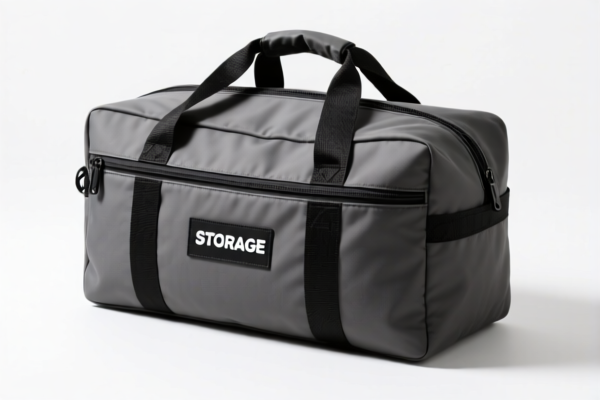
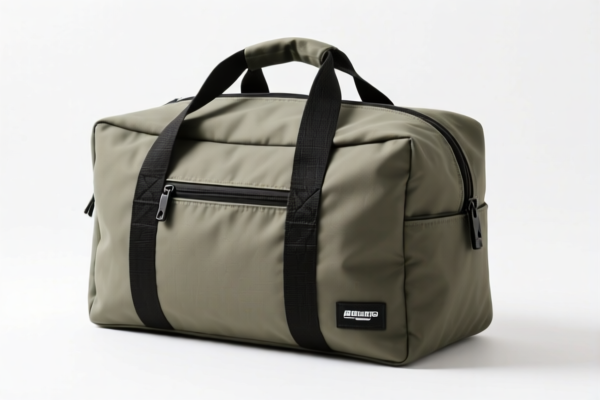
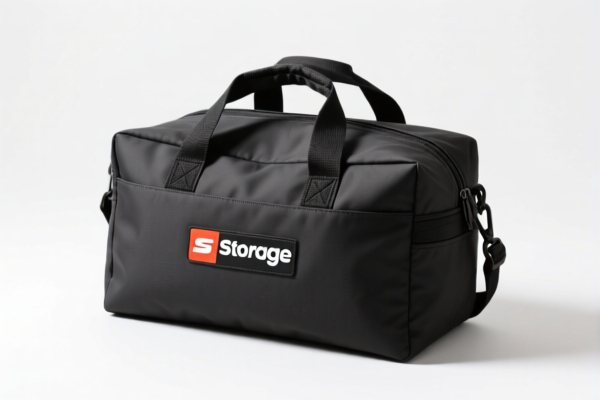
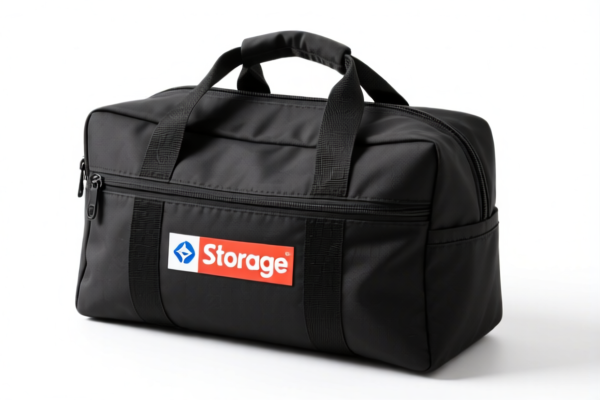
AI分析
🕸️ Storage Net Bags (Mesh Bags & Organizers)
🌐 HS Code Reference & Customs Clearance Guide | 2026 Latest Tariff Analysis | Professional Import Strategy
📌 1. Product Definition & Classification: Do You Really Understand "Storage Net Bags"?
Storage Net Bags are versatile textile or plastic-made mesh products used for organizing, drying, or transporting goods. In international trade, classification depends heavily on material composition, end-use, and structure.
Key Distinctions: * Plastic Mesh Bags: If made primarily of plastic (e.g., laundry bags, produce bags), they fall under plastic articles. * Textile Mesh Nets: If made of textile fibers (nylon, polyester, cotton) for netting purposes (e.g., fishing nets, decorative nets), they fall under textile netting. * Finished Containers/Bags: If designed as specific containers with handles, closures, or structured forms (e.g., garment bags, shoe organizers, cosmetic bags), they fall under general containers.
⚠️ Critical Classification Logic:
- If it’s a simple mesh sheet for holding items → Textile Netting (5608or5607series).
- If it’s a constructed bag/container with features like handles or zippers → Containers (4202or6307).
- If it’s Plastic → Plastic Articles (3926).
📦 2. HS Code Classification Details (2026 Latest Tariff Authority)
Based on the provided data, here are the 6 possible classifications for "Storage Net Bags," ranging from low to high duty rates.
| HS Code | Product Description | Material/Type | Estimated Total Tax Rate (US) |
|---|---|---|---|
3926.90.99.89 |
Other articles of plastics | Plastic mesh bags (e.g., laundry, produce) | 22.8% |
6307.90.98.91 |
Other made-up textile articles | Textile finished bags (general storage) | 24.5% |
5608.90.30.00 |
Other knotted netting of textile materials | Textile knotted nets (e.g., fishing, heavy-duty netting) | 40.0% |
5608.19.20.90 |
Other nets of man-made filaments | Synthetic filament nets (e.g., nylon mesh) | 40.0% |
4202.92.60.91 |
Articles of apparel or clothing accessories, other | Cotton/Other material bags (containers) | 41.3% |
4202.92.91.00 |
Articles of apparel or clothing accessories, other | Textile-surfaced containers/bags | 52.6% |
🔍 Key Insight:
- Lowest Duty (22.8%): If your product is Plastic, classify under3926.90.99.89.
- Highest Duty (52.6%): If it is a structured Textile Bag classified as a container, expect up to 52.6%.
- Middle Ground (24.5% - 41.3%): Depends on whether it’s considered a "made-up article" (6307), "netting" (5608), or "container" (4202).
💰 3. 2026 Latest Tariff Rate Breakdown (Including Additional Taxes)
✅ Applicable Country: United States (US)
✅ Origin: China (CN)
✅ Effective Date: Post-2025 (Current Trade Environment)
🎯 1. 3926.90.99.89 — Plastic Articles (Lowest Duty)
- Summary: Plastic-made storage nets (e.g., plastic laundry bags, mesh produce bags).
- Tax Detail:
- Base Tariff: 5.3%
- Section 301 Tariff: 7.5%
- Section 122 Tariff: 10%
- Total Rate: 22.8%
- Why this classification?
> If the bag is made of plastic polymers (PE, PP), it is not considered a "textile" under HTS. Plastic nets that are not "fishing nets" fall here. This is the most cost-effective classification for plastic mesh products.
🎯 2. 6307.90.98.91 — Other Made-up Textile Articles (Low-Medium Duty)
- Summary: Finished textile storage bags (general purpose).
- Tax Detail:
- Base Tariff: 7.0%
- Section 301 Tariff: 7.5%
- Section 122 Tariff: 10%
- Total Rate: 24.5%
- Why this classification?
> If the bag is made of textile fabric (cotton, polyester woven/knitted) and is considered a "made-up article" rather than a specific "netting" or "container," it falls here. This is common for organizational mesh pockets or simple textile storage nets.
🎯 3. 5608.90.30.00 & 5608.19.20.90 — Textile Nets (High Duty)
- Summary: Knotted or filament nets made of textile materials.
- Tax Detail:
- Base Tariff: 5.0%
- Section 301 Tariff: 25.0%
- Section 122 Tariff: 10%
- Total Rate: 40.0%
- Why this classification?
> These HS codes are for nets in the traditional sense (e.g., fishing nets, bird nets, heavy-duty mesh nets). If your "storage net" is structurally a net (knotted or knitted mesh) and not a sewn bag, it falls here. The 25% Section 301 tariff significantly increases the cost.
🎯 4. 4202.92.60.91 — Cotton/Other Material Containers (High Duty)
- Summary: Bags made of cotton or other specific materials.
- Tax Detail:
- Base Tariff: 6.3%
- Section 301 Tariff: 25.0%
- Section 122 Tariff: 10%
- Total Rate: 41.3%
- Why this classification?
> If the bag is a structured container (e.g., a cotton mesh laundry bag with handles) and is classified as an "article of apparel or clothing accessory" or similar container, it falls here. The 25% Section 301 tariff applies.
🎯 5. 4202.92.91.00 — Textile-Surfaced Containers (Highest Duty)
- Summary: Containers with textile surfaces.
- Tax Detail:
- Base Tariff: 17.6%
- Section 301 Tariff: 25.0%
- Section 122 Tariff: 10%
- Total Rate: 52.6%
- Why this classification?
> This is the most expensive category. It applies to structured bags/containers where the outer surface is textile. If your storage net bag is a structured bag (e.g., a shoe organizer, garment bag) with textile facing, this is the likely classification. The 17.6% base tariff plus 25% Section 301 makes it the most costly.
🛠️ 4. Customs Clearance Practical Advice (Avoid Pitfalls)
✅ 1. Material Documentation is Key
| Material | Recommended HS Code | Reason |
|---|---|---|
| Plastic (PE, PP, PVC) | 3926.90.99.89 |
Plastic is not textile. Avoid textile tariffs. |
| Cotton/Polyester Woven | 6307.90.98.91 |
If it’s a simple bag, not a net. |
| Knotted/Knitted Mesh | 5608.90.30.00 / 5608.19.20.90 |
If it’s a net structure, not a sewn bag. |
| Structured Bag | 4202.92.91.00 |
If it has handles, zippers, or rigid structure. |
📌 Pro Tip:
- Plastic vs. Textile: Clearly define the material in your invoice. If it’s 100% plastic, do NOT declare it as "Textile Mesh Bag." This can lead to audits and back taxes. - Net vs. Bag: A "net" is usually a loose mesh structure. A "bag" is a constructed container. If your product is a sewn pouch made of mesh fabric, it may be classified as a bag (6307or4202), not a net (5608).
✅ 2. Declaration Best Practices
| Scenario | Correct Declaration | Incorrect Declaration |
|---|---|---|
| Plastic Laundry Bag | "Plastic Mesh Bag for Laundry" | "Textile Storage Net" |
| Cotton Garment Bag | "Textile Garment Bag" | "Fishing Net" |
| Polyester Mesh Organizer | "Polyester Mesh Storage Organizer" | "Plastic Container" |
🔥 Golden Rule:
"Material First, Structure Second. Plastic beats Textile. Simple beats Structured."
✅ 3. Special Cases
| Case | Handling Advice |
|---|---|
| Mixed Materials | If the bag is mostly textile but has plastic handles, it may still be classified as textile. Check the "essential character" rule. |
| Sample vs. Commercial | Ensure commercial invoices match the HS Code. Discrepancies trigger customs holds. |
| Section 301 Exemptions | Check if your specific HTS code is exempt from the 25% Section 301 tariff. Some 5608 codes may have different exclusions. |
🌍 5. Global Market Comparison (2026)
| Country | Recommended HS Code | Est. Total Duty | Notes |
|---|---|---|---|
| 🇺🇸 USA | 3926.90.99.89 (Plastic) |
22.8% | Lowest duty for plastic. |
| 🇺🇸 USA | 6307.90.98.91 (Textile) |
24.5% | Lowest duty for textile. |
| 🇺🇸 USA | 4202.92.91.00 (Structured) |
52.6% | Highest duty. Avoid if possible. |
| 🇪🇺 EU | Varies | 0-10% | EU tariffs are generally lower; focus on CE/RoHS compliance. |
| 🇨🇳 China | Varies | 5-15% | China imports may have lower tariffs, but check FTA agreements. |
📌 Conclusion:
- USA is the most challenging market due to Section 301 and Section 122 tariffs.
- Plastic bags (3926) are the most tariff-efficient for the US market.
- Structured textile bags (4202) are the most expensive and should be avoided if possible.
📌 6. Common Mistakes & Pitfalls
❌ Mistake 1: Declaring a Plastic Bag as Textile
👉 Consequence: Incorrect HS Code → Customs audit → Back taxes + Penalties.
❌ Mistake 2: Declaring a Structured Bag as a Net
👉 Consequence: Misclassification → Delays → Higher duties if corrected later.
❌ Mistake 3: Ignoring Section 122 Tariffs
👉 Consequence: Forgetting the 10% S122 tariff → Underpayment of duties.
❌ Mistake 4: Using Generic Descriptions like "Net Bag"
👉 Consequence: Customs cannot determine material/structure → Hold for Inspection.
✅ Correct Approach:
"Plastic Mesh Laundry Bag, 100% Polyethylene, No Textile Components, Model XYZ"
OR
"Cotton Mesh Garment Bag, Textile, Made-up Article, Model XYZ"
🎯 7. Conclusion: Professional Classification, Cost Savings!
🎯 Remember:
🔹 Plastic = 22.8% (Best)
🔹 Simple Textile = 24.5% (Good)
🔹 Textile Nets = 40.0% (High)
🔹 Structured Bags = 52.6% (Avoid if Possible)
📌 Pro Tip:
If your storage net bag is Plastic, always classify under 3926.90.99.89. It’s the lowest duty rate and saves you 28%+ compared to structured textile bags.
📣 Immediate Action:
📞 Verify material composition.
📄 Update product descriptions on invoices.
🚀 Apply for HS Code pre-ruling if volume is high.
✨ Precision in Classification, Power in Savings!
💼 Don’t let high duties eat your margins. Classify smart!
用户评价
关于 HS 编码归类
协调制度(HS)是由世界海关组织(WCO)制定的国际贸易商品分类标准。全球 200 多个国家采用 HS 系统作为海关关税、贸易统计和进出口监管的基础。
每个 HS 编码遵循以下层级结构:
- 章(2 位)——商品大类(例如:第 84 章:机器和机械设备)
- 品目(4 位)——章内的更具体分类
- 子目(6 位)——国际通用细分,所有 WCO 成员国统一使用
- 本国细分(8-10 位)——各国自行扩展的细分编码,如美国 HTSUS 10 位编码
正确的 HS 编码归类对于顺利通关、准确缴纳关税和遵守贸易法规至关重要。错误归类可能导致海关延误、多缴关税或罚款。
从CN进口到US时,适用的关税税率可能包括:
- 最惠国(MFN)税率——适用于 WTO 成员国的标准关税税率
- 普通税率——适用于无贸易协定国家
- 贸易救济关税——附加关税,如 301 条款(反倾销)、232 条款(国家安全)或反补贴税
本页内容仅供参考。如需正式归类,请咨询当地海关或持牌报关代理。