Storage Net Bag
CN → US| HS Code | Tariff Rate | Origin | Destination | Doc |
|---|---|---|---|---|
| 6307909891 | 24.5% | CN | US | Official Doc |
| 5608903000 | 40.0% | CN | US | Official Doc |
| 5608192090 | 40.0% | CN | US | Official Doc |
| 4202929100 | 52.6% | CN | US | Official Doc |
| 4202926091 | 41.3% | CN | US | Official Doc |
| 3926909989 | 22.8% | CN | US | Official Doc |
Product Images
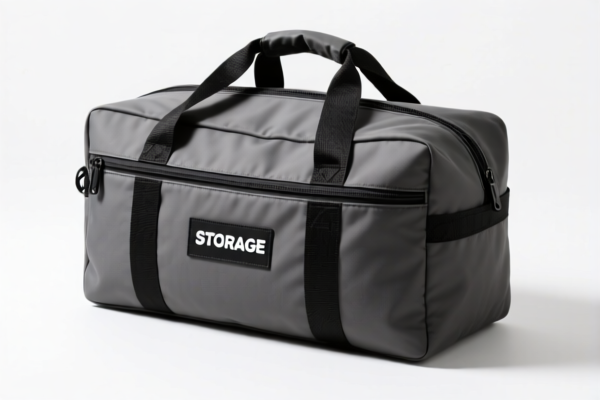
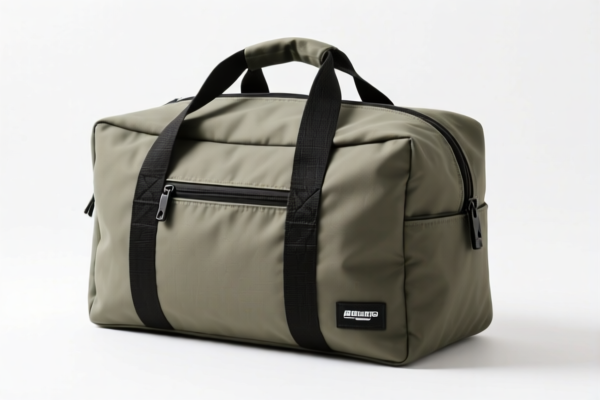
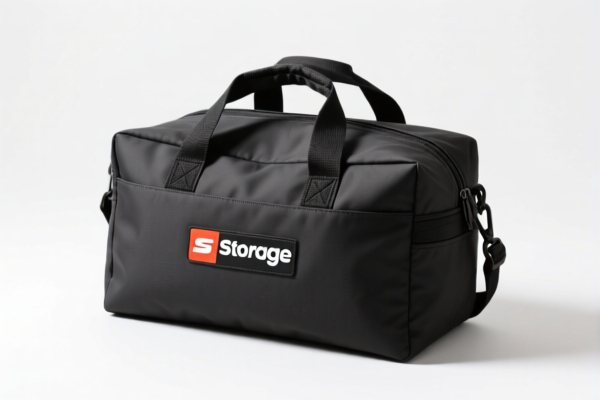
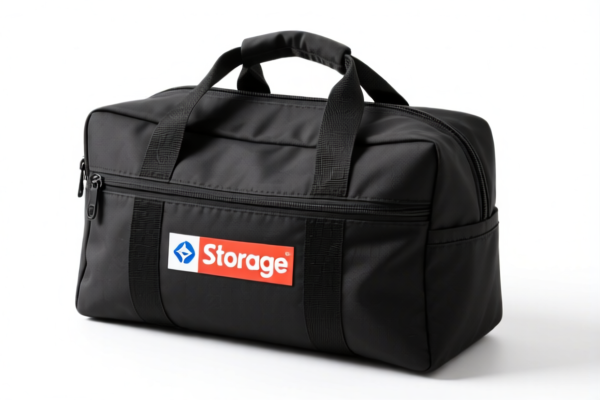
AI Analysis
🕸️ Storage Net Bags (Mesh Bags & Organizers)
🌐 HS Code Reference & Customs Clearance Guide | 2026 Latest Tariff Analysis | Professional Import Strategy
📌 1. Product Definition & Classification: Do You Really Understand "Storage Net Bags"?
Storage Net Bags are versatile textile or plastic-made mesh products used for organizing, drying, or transporting goods. In international trade, classification depends heavily on material composition, end-use, and structure.
Key Distinctions: * Plastic Mesh Bags: If made primarily of plastic (e.g., laundry bags, produce bags), they fall under plastic articles. * Textile Mesh Nets: If made of textile fibers (nylon, polyester, cotton) for netting purposes (e.g., fishing nets, decorative nets), they fall under textile netting. * Finished Containers/Bags: If designed as specific containers with handles, closures, or structured forms (e.g., garment bags, shoe organizers, cosmetic bags), they fall under general containers.
⚠️ Critical Classification Logic:
- If it’s a simple mesh sheet for holding items → Textile Netting (5608or5607series).
- If it’s a constructed bag/container with features like handles or zippers → Containers (4202or6307).
- If it’s Plastic → Plastic Articles (3926).
📦 2. HS Code Classification Details (2026 Latest Tariff Authority)
Based on the provided data, here are the 6 possible classifications for "Storage Net Bags," ranging from low to high duty rates.
| HS Code | Product Description | Material/Type | Estimated Total Tax Rate (US) |
|---|---|---|---|
3926.90.99.89 |
Other articles of plastics | Plastic mesh bags (e.g., laundry, produce) | 22.8% |
6307.90.98.91 |
Other made-up textile articles | Textile finished bags (general storage) | 24.5% |
5608.90.30.00 |
Other knotted netting of textile materials | Textile knotted nets (e.g., fishing, heavy-duty netting) | 40.0% |
5608.19.20.90 |
Other nets of man-made filaments | Synthetic filament nets (e.g., nylon mesh) | 40.0% |
4202.92.60.91 |
Articles of apparel or clothing accessories, other | Cotton/Other material bags (containers) | 41.3% |
4202.92.91.00 |
Articles of apparel or clothing accessories, other | Textile-surfaced containers/bags | 52.6% |
🔍 Key Insight:
- Lowest Duty (22.8%): If your product is Plastic, classify under3926.90.99.89.
- Highest Duty (52.6%): If it is a structured Textile Bag classified as a container, expect up to 52.6%.
- Middle Ground (24.5% - 41.3%): Depends on whether it’s considered a "made-up article" (6307), "netting" (5608), or "container" (4202).
💰 3. 2026 Latest Tariff Rate Breakdown (Including Additional Taxes)
✅ Applicable Country: United States (US)
✅ Origin: China (CN)
✅ Effective Date: Post-2025 (Current Trade Environment)
🎯 1. 3926.90.99.89 — Plastic Articles (Lowest Duty)
- Summary: Plastic-made storage nets (e.g., plastic laundry bags, mesh produce bags).
- Tax Detail:
- Base Tariff: 5.3%
- Section 301 Tariff: 7.5%
- Section 122 Tariff: 10%
- Total Rate: 22.8%
- Why this classification?
> If the bag is made of plastic polymers (PE, PP), it is not considered a "textile" under HTS. Plastic nets that are not "fishing nets" fall here. This is the most cost-effective classification for plastic mesh products.
🎯 2. 6307.90.98.91 — Other Made-up Textile Articles (Low-Medium Duty)
- Summary: Finished textile storage bags (general purpose).
- Tax Detail:
- Base Tariff: 7.0%
- Section 301 Tariff: 7.5%
- Section 122 Tariff: 10%
- Total Rate: 24.5%
- Why this classification?
> If the bag is made of textile fabric (cotton, polyester woven/knitted) and is considered a "made-up article" rather than a specific "netting" or "container," it falls here. This is common for organizational mesh pockets or simple textile storage nets.
🎯 3. 5608.90.30.00 & 5608.19.20.90 — Textile Nets (High Duty)
- Summary: Knotted or filament nets made of textile materials.
- Tax Detail:
- Base Tariff: 5.0%
- Section 301 Tariff: 25.0%
- Section 122 Tariff: 10%
- Total Rate: 40.0%
- Why this classification?
> These HS codes are for nets in the traditional sense (e.g., fishing nets, bird nets, heavy-duty mesh nets). If your "storage net" is structurally a net (knotted or knitted mesh) and not a sewn bag, it falls here. The 25% Section 301 tariff significantly increases the cost.
🎯 4. 4202.92.60.91 — Cotton/Other Material Containers (High Duty)
- Summary: Bags made of cotton or other specific materials.
- Tax Detail:
- Base Tariff: 6.3%
- Section 301 Tariff: 25.0%
- Section 122 Tariff: 10%
- Total Rate: 41.3%
- Why this classification?
> If the bag is a structured container (e.g., a cotton mesh laundry bag with handles) and is classified as an "article of apparel or clothing accessory" or similar container, it falls here. The 25% Section 301 tariff applies.
🎯 5. 4202.92.91.00 — Textile-Surfaced Containers (Highest Duty)
- Summary: Containers with textile surfaces.
- Tax Detail:
- Base Tariff: 17.6%
- Section 301 Tariff: 25.0%
- Section 122 Tariff: 10%
- Total Rate: 52.6%
- Why this classification?
> This is the most expensive category. It applies to structured bags/containers where the outer surface is textile. If your storage net bag is a structured bag (e.g., a shoe organizer, garment bag) with textile facing, this is the likely classification. The 17.6% base tariff plus 25% Section 301 makes it the most costly.
🛠️ 4. Customs Clearance Practical Advice (Avoid Pitfalls)
✅ 1. Material Documentation is Key
| Material | Recommended HS Code | Reason |
|---|---|---|
| Plastic (PE, PP, PVC) | 3926.90.99.89 |
Plastic is not textile. Avoid textile tariffs. |
| Cotton/Polyester Woven | 6307.90.98.91 |
If it’s a simple bag, not a net. |
| Knotted/Knitted Mesh | 5608.90.30.00 / 5608.19.20.90 |
If it’s a net structure, not a sewn bag. |
| Structured Bag | 4202.92.91.00 |
If it has handles, zippers, or rigid structure. |
📌 Pro Tip:
- Plastic vs. Textile: Clearly define the material in your invoice. If it’s 100% plastic, do NOT declare it as "Textile Mesh Bag." This can lead to audits and back taxes. - Net vs. Bag: A "net" is usually a loose mesh structure. A "bag" is a constructed container. If your product is a sewn pouch made of mesh fabric, it may be classified as a bag (6307or4202), not a net (5608).
✅ 2. Declaration Best Practices
| Scenario | Correct Declaration | Incorrect Declaration |
|---|---|---|
| Plastic Laundry Bag | "Plastic Mesh Bag for Laundry" | "Textile Storage Net" |
| Cotton Garment Bag | "Textile Garment Bag" | "Fishing Net" |
| Polyester Mesh Organizer | "Polyester Mesh Storage Organizer" | "Plastic Container" |
🔥 Golden Rule:
"Material First, Structure Second. Plastic beats Textile. Simple beats Structured."
✅ 3. Special Cases
| Case | Handling Advice |
|---|---|
| Mixed Materials | If the bag is mostly textile but has plastic handles, it may still be classified as textile. Check the "essential character" rule. |
| Sample vs. Commercial | Ensure commercial invoices match the HS Code. Discrepancies trigger customs holds. |
| Section 301 Exemptions | Check if your specific HTS code is exempt from the 25% Section 301 tariff. Some 5608 codes may have different exclusions. |
🌍 5. Global Market Comparison (2026)
| Country | Recommended HS Code | Est. Total Duty | Notes |
|---|---|---|---|
| 🇺🇸 USA | 3926.90.99.89 (Plastic) |
22.8% | Lowest duty for plastic. |
| 🇺🇸 USA | 6307.90.98.91 (Textile) |
24.5% | Lowest duty for textile. |
| 🇺🇸 USA | 4202.92.91.00 (Structured) |
52.6% | Highest duty. Avoid if possible. |
| 🇪🇺 EU | Varies | 0-10% | EU tariffs are generally lower; focus on CE/RoHS compliance. |
| 🇨🇳 China | Varies | 5-15% | China imports may have lower tariffs, but check FTA agreements. |
📌 Conclusion:
- USA is the most challenging market due to Section 301 and Section 122 tariffs.
- Plastic bags (3926) are the most tariff-efficient for the US market.
- Structured textile bags (4202) are the most expensive and should be avoided if possible.
📌 6. Common Mistakes & Pitfalls
❌ Mistake 1: Declaring a Plastic Bag as Textile
👉 Consequence: Incorrect HS Code → Customs audit → Back taxes + Penalties.
❌ Mistake 2: Declaring a Structured Bag as a Net
👉 Consequence: Misclassification → Delays → Higher duties if corrected later.
❌ Mistake 3: Ignoring Section 122 Tariffs
👉 Consequence: Forgetting the 10% S122 tariff → Underpayment of duties.
❌ Mistake 4: Using Generic Descriptions like "Net Bag"
👉 Consequence: Customs cannot determine material/structure → Hold for Inspection.
✅ Correct Approach:
"Plastic Mesh Laundry Bag, 100% Polyethylene, No Textile Components, Model XYZ"
OR
"Cotton Mesh Garment Bag, Textile, Made-up Article, Model XYZ"
🎯 7. Conclusion: Professional Classification, Cost Savings!
🎯 Remember:
🔹 Plastic = 22.8% (Best)
🔹 Simple Textile = 24.5% (Good)
🔹 Textile Nets = 40.0% (High)
🔹 Structured Bags = 52.6% (Avoid if Possible)
📌 Pro Tip:
If your storage net bag is Plastic, always classify under 3926.90.99.89. It’s the lowest duty rate and saves you 28%+ compared to structured textile bags.
📣 Immediate Action:
📞 Verify material composition.
📄 Update product descriptions on invoices.
🚀 Apply for HS Code pre-ruling if volume is high.
✨ Precision in Classification, Power in Savings!
💼 Don’t let high duties eat your margins. Classify smart!
Customer Reviews
About HS Code Classification
The Harmonized System (HS) is an internationally standardized nomenclature developed by the World Customs Organization (WCO) to classify traded products. Over 200 countries use the HS system as the basis for customs tariffs, trade statistics, and import/export regulations.
Each HS code follows a hierarchical structure:
- Chapter (2 digits) — Broad category of goods (e.g., Chapter 84: Machinery and Mechanical Appliances)
- Heading (4 digits) — More specific grouping within the chapter
- Subheading (6 digits) — Internationally standardized breakdown, used by all WCO member countries
- National subdivisions (8-10 digits) — Country-specific extensions for further classification, such as US HTSUS 10-digit codes
Correct HS code classification is essential for smooth customs clearance, accurate duty payment, and compliance with trade regulations. Misclassification can lead to customs delays, overpayment of duties, or penalties.
When importing from CN to US, the applicable tariff rates may include:
- Most-Favored-Nation (MFN) rate — The standard duty rate applied to WTO members
- General rate — Applied to countries without trade agreements
- Trade remedy duties — Additional tariffs such as Section 301 (anti-dumping), Section 232 (national security), or countervailing duties
The information provided on this page is for reference purposes only. For official classification, please consult with your local customs authority or a licensed customs broker.