Suitcase with outer layer of plastic or textile material
CN → US| HS编码 | 关税税率 | 原产国 | 目的国 | 文档 |
|---|---|---|---|---|
| 6305390000 | 25.9% | CN | US | 官方文档 |
| 4202923120 | 52.6% | CN | US | 官方文档 |
| 6305330080 | 25.9% | CN | US | 官方文档 |
| 4205006000 | 39.9% | CN | US | 官方文档 |
| 3926903300 | 16.5% | CN | US | 官方文档 |
商品图片
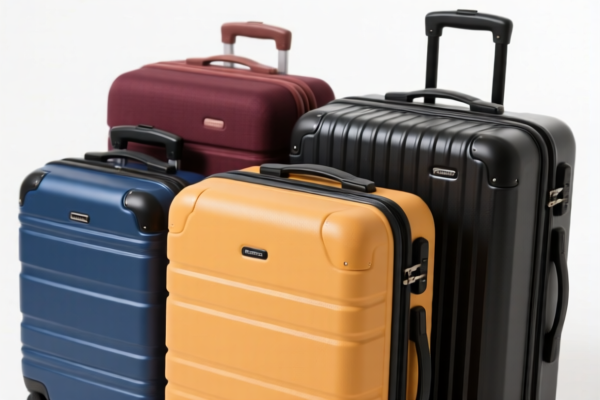
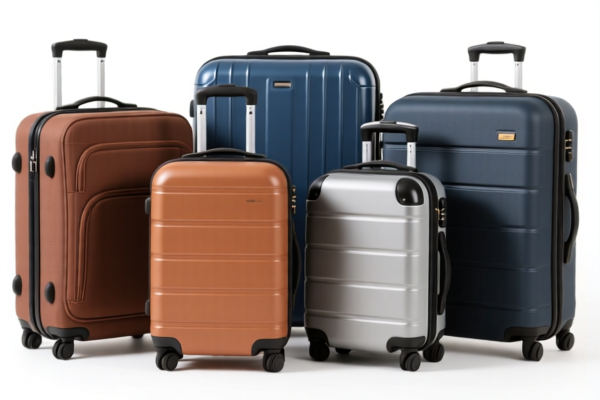
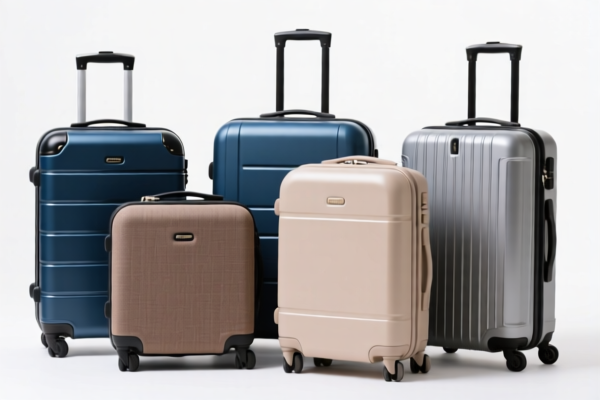
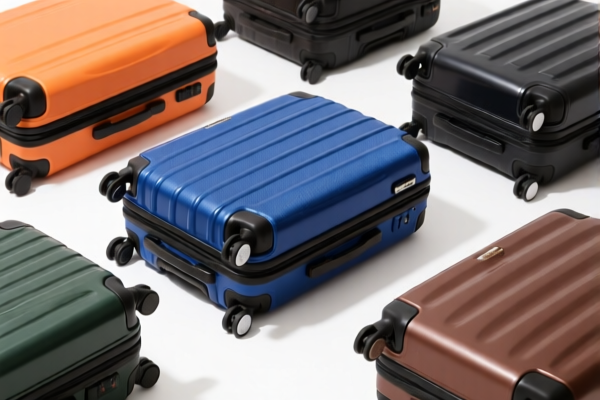
AI分析
🧳 Luggage: Suitcases & Bags with Outer Layer of Plastic or Textile Material
🌐 HS Code Reference & Clearance Guide | 2026 Latest Tariff Analysis | Professional Entry Strategy
📌 I. Product Definition & Classification: What Exactly Are We Shipping?
“Suitcases and Bags with Outer Layer of Plastic or Textile Material” is a broad category in international trade. The critical factor for classification is not just the material, but the specific shape, function, and lining. A “suitcase” is generally rigid or semi-rigid, while a “bag” (like a backpack or handbag) has different structural classifications under Chapter 42 or Chapter 63.
Key Distinction:
- Chapter 42 (Leather Goods): Includes backpacks, handbags, suitcases made of leather, composition leather, or sheeting of plastic (e.g., PVC).
- Chapter 63 (Other Made-Up Articles): Includes certain bags made of textile materials (e.g., canvas, nylon, polyester) that do not meet the specific definition of “articles of apparel” or specific leather goods.
⚠️ Critical Classification Point:
- If the bag is a backpack or handbag with a plastic/textile outer, it often falls under HS 4202 (if structured like leather goods) OR HS 6305 (if specifically textile sacks/bags, though 6305 is mostly for sacks, some bags fall here if not in 4202). Note: The provided data shows a split between 6305 and 4202 for bags, indicating specific material nuances.
- If it is a handbag with a fabric (cotton) outer and leather/synthetic leather interior/outer, it falls under 4205 or 3926.
📦 II. HS Code Classification Details (Based on Provided Data)
| HS Code | Product Description | Material Structure | Tax Category |
|---|---|---|---|
| 6305.39.00.00 | Backpacks, outer layer of plastic or textile material | Plastic/Textile outer | 25.9% |
| 4202.92.31.20 | Backpacks, outer layer of plastic or textile material | Plastic/Textile outer | 52.6% |
| 6305.33.00.80 | Bags (general), outer layer of plastic or textile material | Plastic/Textile outer | 25.9% |
| 4205.00.60.00 | Handbags, outer layer of leather/synthetic leather with cotton/plastic/ textile lining or inner layer | Leather/Synthetic Leather + Cotton/Plastic | 39.9% |
| 3926.90.33.00 | Handbags, outer layer of plastic/textile with leather/synthetic leather components | Plastic/Textile + Leather/Synthetic | 16.5% |
🔍 Note on Data Discrepancy:
- Both 6305.39.00.00 and 4202.92.31.20 describe “Backpacks” with similar material descriptions but have vastly different tax rates (25.9% vs. 52.6%). This highlights the importance of precise subheading classification based on specific material composition (e.g., type of textile vs. type of plastic) or country-specific tariff schedules. - Handbags are split between 4205 (Leather-focused) and 3926 (Plastic-focused), with significantly different tax implications.
💰 III. 2026 Tariff Rate Breakdown (Including Surtaxes)
✅ Applicable Country: United States (US)
✅ Origin: China (CN)
✅ Effective Date: From November 10, 2025 (including subsequent imports)
🎯 1. 6305.39.00.00 & 6305.33.00.80 —— Backpacks/Bags (Textile/Plastic Outer)
| Item | Details |
|---|---|
| Base Duty Rate | 8.4% (ad valorem) |
| Section 301 Surtax | +7.5% |
| Section 122 Surtax | +10% |
| Total Effective Rate | 25.9% |
| Tax Calculation | CIF Value × 25.9% |
| De Minimis Exemption | ❌ Not Eligible |
| Legal Basis | Standard China-US tariff structure + Surtaxes |
📌 Explanation:
- These codes benefit from a lower base duty (8.4%) compared to other bag categories. - The 7.5% is likely a Section 301 additional duty, and the 10% is the Section 122 duty (or similar bilateral tariff). - Total: 25.9%. This is a moderate-high tariff but significantly lower than the 52.6% bracket.
🎯 2. 4202.92.31.20 —— Backpacks (Higher Tax Bracket)
| Item | Details |
|---|---|
| Base Duty Rate | 17.6% (ad valorem) |
| Section 301 Surtax | +25.0% |
| Section 122 Surtax | +10% |
| Total Effective Rate | 52.6% |
| Tax Calculation | CIF Value × 52.6% |
| De Minimis Exemption | ❌ Not Eligible |
| Legal Basis | Higher base duty triggers higher surtaxes |
📌 Explanation:
- This is the most expensive category for backpacks in the provided data. - The 25% surtax is the maximum Section 301 rate, applied to higher-value or specific material classifications. - Total: 52.6%. This drastically impacts profit margins. Proper classification is critical to avoid landing here if another code applies.
🎯 3. 4205.00.60.00 —— Handbags (Leather/Synthetic Focus)
| Item | Details |
|---|---|
| Base Duty Rate | 4.9% (ad valorem) |
| Section 301 Surtax | +25.0% |
| Section 122 Surtax | +10% |
| Total Effective Rate | 39.9% |
| Tax Calculation | CIF Value × 39.9% |
| De Minimis Exemption | ❌ Not Eligible |
📌 Explanation:
- Lower base duty (4.9%) but high surtax (25%). - Total 39.9%. Suitable for higher-value leather goods where volume is lower.
🎯 4. 3926.90.33.00 —— Handbags (Plastic/Textile Focus)
| Item | Details |
|---|---|
| Base Duty Rate | 6.5% (ad valorem) |
| Section 301 Surtax | 0.0% |
| Section 122 Surtax | +10% |
| Total Effective Rate | 16.5% |
| Tax Calculation | CIF Value × 16.5% |
| De Minimis Exemption | ❌ Not Eligible |
📌 Explanation:
- Lowest total rate (16.5%) in the dataset. - Key advantage: 0% Section 301 surtax. This suggests these plastic/textile handbags may be exempt from certain trade war tariffs, possibly due to material composition or specific exclusion lists. - Highly recommended for cost optimization if product design allows.
🛠️ IV. Customs Clearance Practical Advice (Battle-Tested Pitfall Avoidance)
✅ 1. Essential Documentation Checklist (Non-Negotiable)
| Document | Required | Purpose |
|---|---|---|
| ✅ Detailed Product Spec Sheet | ✔️ | Must specify: Outer material (plastic type, textile type), Inner lining, Hardware (metal/plastic) |
| ✅ High-Res Photos | ✔️ | Clear view of labels, zippers, and overall structure |
| ✅ Commercial Invoice | ✔️ | Must explicitly state “Suitcase/Backpack/Handbag” and material composition |
| ✅ Packing List | ✔️ | Item-by-item breakdown |
| ✅ Material Declaration Letter | ✔️ | Crucial for distinguishing between 4202 (Leather-like plastic) and 6305/3926 (Textile/Plastic) |
✅ 2. Declaration Strategy (Key Rules)
🔥 “Material Defines Code, Structure Defines Chapter!”
| Scenario | Recommended HS Code | Reason |
|---|---|---|
| Backpack with Plastic Outer | 4202.92.31.20 or 6305.39.00.00 |
Check if plastic is “sheeting of plastic” (4202) or just plastic-coated textile (6305). Risk: 52.6% vs 25.9% |
| Backpack with Textile Outer | 6305.39.00.00 |
If not classified as leather-like under 4202. |
| Handbag with Leather/Synthetic Outer | 4205.00.60.00 |
“Leather-like” materials trigger Chapter 42. |
| Handbag with Plastic/Textile Outer | 3926.90.33.00 |
Best Rate (16.5%). Avoids 25% surtax. |
⚠️ Warning:
- Do NOT misdeclare a4202backpack as6305to save tax. Customs may audit the plastic composition. If it’s PVC sheeting, it must be4202. - Do NOT declare a leather handbag as3926plastic. Mismatched materials will lead to severe penalties.
✅ 3. Special Cases & Optimization
| Situation | Action |
|---|---|
| Mixed Materials | If a bag is 50% leather, 50% plastic, it likely falls under 4205 (39.9%). Analyze if you can adjust design to qualify for 3926 (16.5%) by reducing leather content. |
| “Plastic” Definition | Ensure the “plastic” is not “leather-like” PVC. Non-leather-like plastics (e.g., PE, PP) favor 3926. |
| Textile Type | Woven vs. Non-woven textiles may impact classification. Confirm with supplier. |
🌍 V. Market Comparison & Conclusion
| Market | Recommended Code | Est. Total Tax | Note |
|---|---|---|---|
| 🇺🇸 USA | 3926.90.33.00 |
16.5% | Best Option. Zero 301 surtax. |
| 🇺🇸 USA | 6305.39.00.00 |
25.9% | Moderate. For backpacks not in 4202. |
| 🇺🇸 USA | 4202.92.31.20 |
52.6% | Avoid if possible. High tax burden. |
📌 Strategic Recommendation:
- Prioritize3926.90.33.00for handbags by using plastic/textile exteriors without “leather-like” properties.
- For backpacks, carefully determine if the plastic component qualifies for6305(25.9%) rather than4202(52.6%). This is a 26.7% savings per unit!
- Always provide material test reports to prove the nature of the plastic/textile to support your HS code choice.
📌 VI. Common Mistakes & Pitfalls
❌ Mistake 1: Calling all bags “Backpacks” and picking 6305 when they are actually 4202.
👉 Result: 26.7% overpayment.
❌ Mistake 2: Calling leather handbags “Plastic Handbags” to get 3926 rates.
👉 Result: Severe penalty, seizure, or fraud charges.
❌ Mistake 3: Ignoring the Section 122 10% tax.
👉 Result: Underestimating total landed cost by 10%.
✅ Correct Approach:
“Handbag, outer layer of polyethylene plastic, inner lining of polyester, model XYZ, origin China.” →
3926.90.33.00(16.5%)
🎯 VII. Conclusion: Precision Saves Money!
🎯 Motto:
🔹 “Plastic vs. Leather-Like: The 36% Difference!”
🔹 “Backpacks: 25.9% vs 52.6% – Choose Wisely!”
📌 Tip:
If you have flexibility in product design, reduce leather content to qualify for 3926 (16.5%) or ensure backpacks are classified as 6305 (25.9%) rather than 4202 (52.6%).
📣 Call to Action:
📞 Consult a customs broker to verify material composition before shipment.
🚀 Optimize your HS Code to save up to 36% in duties!
✨ Professional Clearance Starts with Accurate Classification!
💼 Every dollar saved in tariffs is pure profit!
用户评价
关于 HS 编码归类
协调制度(HS)是由世界海关组织(WCO)制定的国际贸易商品分类标准。全球 200 多个国家采用 HS 系统作为海关关税、贸易统计和进出口监管的基础。
每个 HS 编码遵循以下层级结构:
- 章(2 位)——商品大类(例如:第 84 章:机器和机械设备)
- 品目(4 位)——章内的更具体分类
- 子目(6 位)——国际通用细分,所有 WCO 成员国统一使用
- 本国细分(8-10 位)——各国自行扩展的细分编码,如美国 HTSUS 10 位编码
正确的 HS 编码归类对于顺利通关、准确缴纳关税和遵守贸易法规至关重要。错误归类可能导致海关延误、多缴关税或罚款。
从CN进口到US时,适用的关税税率可能包括:
- 最惠国(MFN)税率——适用于 WTO 成员国的标准关税税率
- 普通税率——适用于无贸易协定国家
- 贸易救济关税——附加关税,如 301 条款(反倾销)、232 条款(国家安全)或反补贴税
本页内容仅供参考。如需正式归类,请咨询当地海关或持牌报关代理。