Sulfonated Turpentine
CN → US| HS编码 | 关税税率 | 原产国 | 目的国 | 文档 |
|---|---|---|---|---|
| 3805100000 | 40.0% | CN | US | 官方文档 |
| 3805905000 | 38.7% | CN | US | 官方文档 |
| 3824992900 | 41.5% | CN | US | 官方文档 |
| 3824994900 | 41.5% | CN | US | 官方文档 |
| 3301905000 | 17.5% | CN | US | 官方文档 |
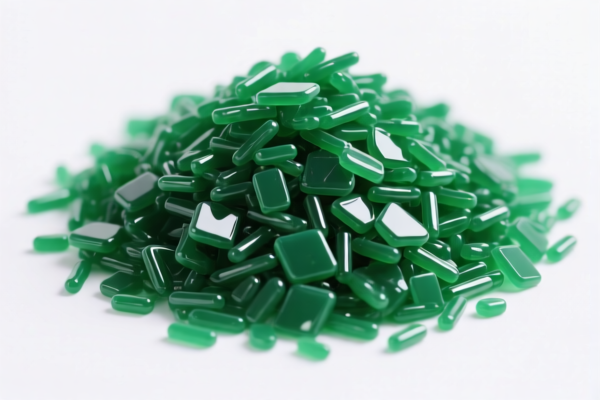
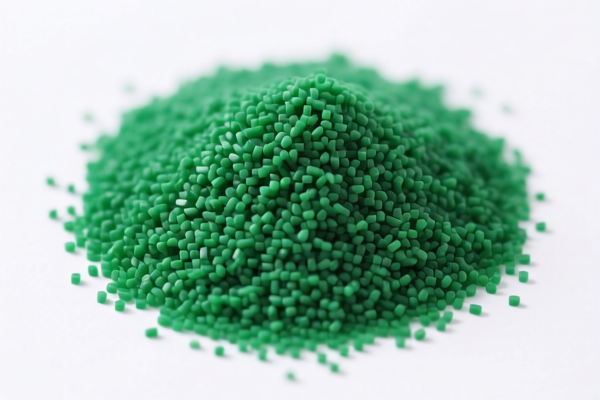
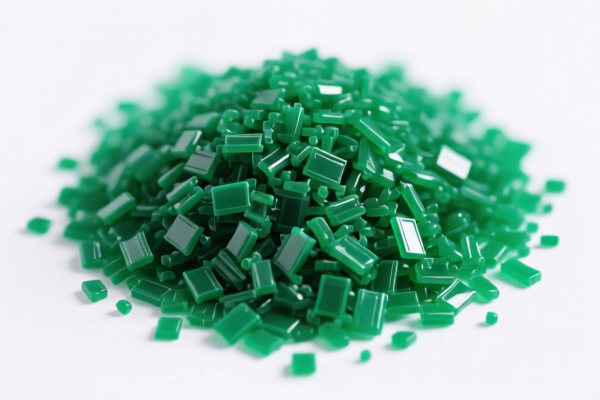
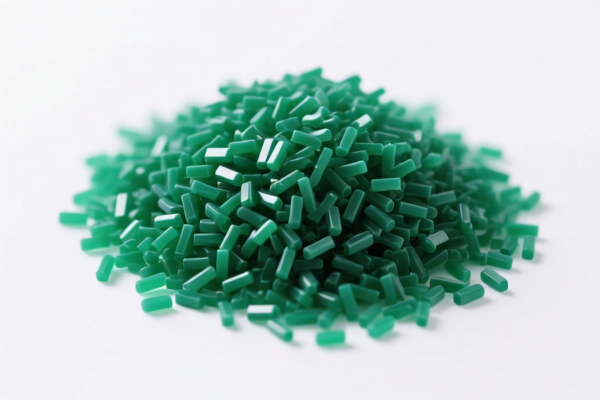
商品图片
AI分析
🌿 Sulfonated Turpentine: HS Code Classification & Customs Clearance Strategy
🌐 HS Code Reference & Customs Guide | 2026 Latest Tariff Analysis | Professional Clearance Strategy
📌 Part I: Product Definition & Classification: Do You Truly Understand "Sulfonated Turpentine"?
Sulfonated Turpentine is a chemically modified derivative of natural turpentine. Through a sulfonation process, the terpene hydrocarbons (primarily alpha-pinene and beta-pinene) are treated to introduce sulfonic acid groups, significantly enhancing its solubility in water and its efficacy as a wetting agent, emulsifier, or dispersant in industrial applications.
In international trade, its classification hinges on whether it is viewed as a primary chemical extract, a complex mixture, or a specialized plant-derived oil resin. The following analysis breaks down the potential HS Codes based on specific chemical characteristics and regulatory interpretations.
⚠️ Key Classification Distinction:
- If classified as a primary pine oil/turpentine extract → Look at Chapter 38, Heading 3805.
- If classified as a complex chemical mixture/preparation → Look at Chapter 38, Heading 3824.
- If classified as an essential oil/concentrate → Look at Chapter 33, Heading 3301.
📦 Part II: HS Code Classification Details (2026 Latest Tariff Authority Comparison)
| HS Code | Product Description | Application Scenario | Tax Rate (Total) | Tax Composition Detail |
|---|---|---|---|---|
3805.10.00.00 |
Pine oils, sulphonated;属于木节油类 (Belongs to Pine Oil Category) | Primary chemical form produced via distillation or treatment | 40.0% | Base: 5.0% + Section 301: 25.0% + Section 122: 10% |
3805.90.50.00 |
Turpentine substitutes; matches properties of pine oil & terpenes (Chemical Extract) | Chemical extract product, consistent with pine oil and terpene oils | 38.7% | Base: 3.7% + Section 301: 25.0% + Section 122: 10% |
3824.99.29.00 |
Chemical industrial product; natural product mixture or organic chemical preparation | Natural product mixture or organic chemical agent characteristics | 41.5% | Base: 6.5% + Section 301: 25.0% + Section 122: 10% |
3824.99.49.00 |
Derived from pine resin hydrocarbons; chemical products/preparations composed of hydrocarbons | Hydrocarbon-based chemical products and preparations definition | 41.5% | Base: 6.5% + Section 301: 25.0% + Section 122: 10% |
3301.90.50.00 |
Plant-extracted oleoresins or essential oils; fits category of essential oils and concentrates | Essential oils, oleoresins, or concentrated extracts | 17.5% | Base: 0.0% + Section 301: 7.5% + Section 122: 10% |
🔍 Critical Reminder:
-3805.10.00.00is the most direct fit if the product is recognized as "Pine Oil, Sulphonated," a specific sub-category under primary pine oils.
-3301.90.50.00offers the lowest tax rate but requires strict proof that the product retains the nature of an "essential oil/oleoresin" rather than being a fully reacted chemical preparation.
-3824codes represent a broader "chemical preparation" bucket, often resulting in higher base duties (6.5%) compared to specific pine oil categories.
💰 Part III: 2026 Latest Tariff Rate Breakdown (Including Additional Taxes & Policy Surcharges)
✅ Applicable Country: United States (US)
✅ Country of Origin: China (CN)
✅ Effective Date: November 10, 2025 (and subsequent imports)
🎯 1. 3805.10.00.00 —— Pine Oils, Sulphonated (Pine Oil Category)
| Item | Content |
|---|---|
| Base Duty Rate | 5.0% (ad valorem) |
| Section 301 Additional Duty | +25.0% (USITC Footnote 9903.88.01 / 301 Tariffs) |
| Section 122 Additional Duty | +10.0% (Against China/Products of China) |
| Total Effective Rate | 40.0% |
| Tax Calculation | CIF Value × 40% |
| De Minimis Eligibility | ❌ No (deny_de_minimis) |
| Legal Basis Path | Section 122 → Section 301 → USITC:3805.10.00.00 |
📌 Explanation:
- The 5% base duty applies to "Pine oils, sulphonated," a specific line item.
- The 25% is the standard Section 301 tariff for chemical preparations from China.
- The 10% is the Section 122 tariff.
- Total 40% is a significant burden, requiring precise classification to avoid misdeclaration penalties.
🎯 2. 3805.90.50.00 —— Other Pine Oils & Terpenes (Chemical Extract)
| Item | Content |
|---|---|
| Base Duty Rate | 3.7% |
| Section 301 Additional Duty | +25.0% |
| Section 122 Additional Duty | +10.0% |
| Total Effective Rate | 38.7% |
| Tax Calculation | CIF Value × 38.7% |
| De Minimis Eligibility | ❌ No |
| Legal Basis Path | Section 122 → Section 301 → USITC:3805.90.50.00 |
📌 Note:
- Slightly lower than3805.10due to the lower base rate (3.7% vs 5.0%).
- Applicable if the product is classified under "Other" pine oils rather than the specific "Sulphonated" line, provided it matches the chemical nature of terpene oils.
🎯 3. 3824.99.29.00 / 3824.99.49.00 —— Chemical Preparations (Mixed)
| Item | Content |
|---|---|
| Base Duty Rate | 6.5% |
| Section 301 Additional Duty | +25.0% |
| Section 122 Additional Duty | +10.0% |
| Total Effective Rate | 41.5% |
| Tax Calculation | CIF Value × 41.5% |
| De Minimis Eligibility | ❌ No |
| Legal Basis Path | Section 122 → Section 301 → USITC:3824.99.xx.00 |
📌 Warning:
- These codes carry the highest total tax rate (41.5%) among the options.
- They are used when the product is viewed as a generic chemical mixture rather than a specific pine oil derivative.
- Avoid this classification if3805is technically accurate, as it results in a 1.5% higher total tax.
🎯 4. 3301.90.50.00 —— Essential Oils, Oleoresins, or Concentrates
| Item | Content |
|---|---|
| Base Duty Rate | 0.0% |
| Section 301 Additional Duty | +7.5% |
| Section 122 Additional Duty | +10.0% |
| Total Effective Rate | 17.5% |
| Tax Calculation | CIF Value × 17.5% |
| De Minimis Eligibility | ❌ No (Check specific exclusions) |
| Legal Basis Path | Section 122 → Section 301 → USITC:3301.90.50.00 |
📌 Strategic Advantage:
- This is the lowest tax rate (17.5%).
- It applies if the sulfonated product is still considered an "essential oil" or "oleoresin" derivative.
- Risk: Customs may challenge this if the sulfonation process significantly alters the chemical nature, pushing it into Chapter 38. Pre-ruling is highly recommended.
🛠️ Part IV: Customs Clearance Operational Advice (Practical Pitfall Avoidance)
✅ 1. Documentation Checklist (Mandatory)
| Document | Required | Explanation |
|---|---|---|
| ✅ Product Specification Sheet | ✔️ | Must detail the sulfonation process, chemical composition, and CAS number. |
| ✅ Safety Data Sheet (SDS) | ✔️ | Crucial for hazardous material determination and proper handling classification. |
| ✅ Certificate of Analysis (COA) | ✔️ | Proves the chemical structure and purity level to support HS Code argument. |
| ✅ Commercial Invoice | ✔️ | Must clearly state "Sulfonated Turpentine" and not just "Turpentine" or "Oil." |
| ✅ Packing List | ✔️ | Details net/gross weight, volume, and container type. |
| ✅ Declaration of Origin | ✔️ | Critical for Section 122 and 301 tariff applicability. |
✅ 2. Declaration Techniques (Key Mantras)
🔥 “Chemical Nature Defines Code, Don’t Just Say ‘Oil’!”
| Scenario | Correct Declaration | Incorrect Approach |
|---|---|---|
| Primary Pine Oil Derivative | 3805.10.00.00 (Pine Oils, Sulphonated) |
Misdeclare as generic chemical → Higher risk of audit |
| Plant Extract Nature | 3301.90.50.00 (Essential Oil/Oleoresin) |
Only if COA supports "essential oil" status |
| Complex Mixture | 3824.99.29.00 |
If other codes are technically incorrect |
| Hazardous Material | Include HMIS/UN Number | Ignoring hazardous nature → Fines/Detention |
📌 Note:
- Use precise terminology: "Sulfonated Pine Oil" or "Sulfonated Turpentine Derivative."
- Avoid vague terms like "Industrial Oil" or "Solvent" unless backed by chemical data.
✅ 3. Special Case Handling
| Scenario | Handling Advice |
|---|---|
| OEM Custom Sulfonated Oil | Provide client order + chemical structure diagram to prove specific use and nature. |
| Mixtures with Other Solvents | If mixed with non-pine solvents, may shift to 3824. Calculate cost impact. |
| Small Samples for R&D | Still subject to de minimis rules (or lack thereof). Ensure proper paperwork. |
| Disputes with CBP | Request Binding Ruling if classification is ambiguous between 3301 and 3805. |
🌍 Part V: Global Market Customs Comparison (2026 Latest)
| Country/Region | Recommended HS Code | Tariff Rate | Certification Requirements | Notes |
|---|---|---|---|---|
| 🇺🇸 USA | 3805.10.00.00 or 3301.90.50.00 |
17.5% - 41.5% | TSCA Compliance | High scrutiny on chemical imports |
| 🇨🇳 China | 3805.10.00.00 |
~5% | No special import license | Standard chemical import |
| 🇪🇺 EU | 3805.10.00 |
~5-7% | REACH Registration | REACH registration is mandatory for chemicals |
| 🇯🇵 Japan | 3805.10.00 |
~5% | FieS Approval | Check if listed on Positive List |
📌 Conclusion:
- USA imposes the highest complexity due to Section 122 and 301 tariffs.
- EU focuses on chemical safety (REACH), so documentation is key.
- China has standard tariffs but monitors environmental compliance.
📌 Part VI: Common Errors & Pitfall Guide (Blood & Tears Lessons)
❌ Error 1: Declaring as 3301.90.50.00 without proof of "essential oil" nature
👉 Consequence: CBP reclassifies to 3805.10.00.00 → Back taxes + Interest!
❌ Error 2: Using generic "Turpentine" instead of "Sulfonated Turpentine"
👉 Consequence: Incorrect classification, potential fraud penalties.
❌ Error 3: Ignoring Hazardous Material Declaration (HMIS)
👉 Consequence: Shipment detained, fines, or rejection by carrier.
❌ Error 4: Assuming De Minimis (Section 321) applies
👉 Consequence: Chemicals from China are NOT eligible for de minimis entry → Full duty assessment.
✅ Correct Approach:
"Sulfonated Pine Oil, CAS [Insert Number], Chemical Grade, TSCA Compliant, Net Weight 1000kg"
🎯 Part VII: Conclusion: Professional Declaration, Cost Control, Risk Mitigation!
🎯 Remember the Mantra:
🔹 "Sulfonated is Key, Chapter 33 is a Trap, 3805 is Safe, 3824 is Expensive!"
🔹 "Tax Difference is 24%, Paperwork Saves Money, Wrong Code Costs Thousands!"
📌 Pro Tip:
If your product is originally sourced from the US, Canada, or EU, you may qualify for zero Section 122/301 tariffs under USMCA or FTAs.
Recommendation: Apply for a CBP Pre-Ruling if the classification between 3301 and 3805 is uncertain. This provides legal certainty and protects against audits.
📣 Immediate Action:
📞 Consult with a Licensed Customs Broker + Provide Chemical Analysis Report + Request HS Code Pre-Ruling
🚀 Ensure Your Sulfonated Turpentine Clears Smoothly, Minimizes Duty, and Maximizes Profit!
✨ Professional Customs Clearance Starts with Precise Classification!
💼 Every Cent Saved is a Cent Earned!
用户评价
关于 HS 编码归类
协调制度(HS)是由世界海关组织(WCO)制定的国际贸易商品分类标准。全球 200 多个国家采用 HS 系统作为海关关税、贸易统计和进出口监管的基础。
每个 HS 编码遵循以下层级结构:
- 章(2 位)——商品大类(例如:第 84 章:机器和机械设备)
- 品目(4 位)——章内的更具体分类
- 子目(6 位)——国际通用细分,所有 WCO 成员国统一使用
- 本国细分(8-10 位)——各国自行扩展的细分编码,如美国 HTSUS 10 位编码
正确的 HS 编码归类对于顺利通关、准确缴纳关税和遵守贸易法规至关重要。错误归类可能导致海关延误、多缴关税或罚款。
从CN进口到US时,适用的关税税率可能包括:
- 最惠国(MFN)税率——适用于 WTO 成员国的标准关税税率
- 普通税率——适用于无贸易协定国家
- 贸易救济关税——附加关税,如 301 条款(反倾销)、232 条款(国家安全)或反补贴税
本页内容仅供参考。如需正式归类,请咨询当地海关或持牌报关代理。