Sulfonated Turpentine
CN → US| HS Code | Tariff Rate | Origin | Destination | Doc |
|---|---|---|---|---|
| 3805100000 | 40.0% | CN | US | Official Doc |
| 3805905000 | 38.7% | CN | US | Official Doc |
| 3824992900 | 41.5% | CN | US | Official Doc |
| 3824994900 | 41.5% | CN | US | Official Doc |
| 3301905000 | 17.5% | CN | US | Official Doc |
Product Images
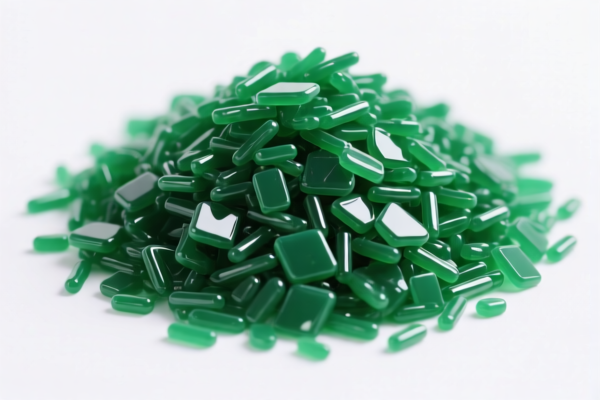
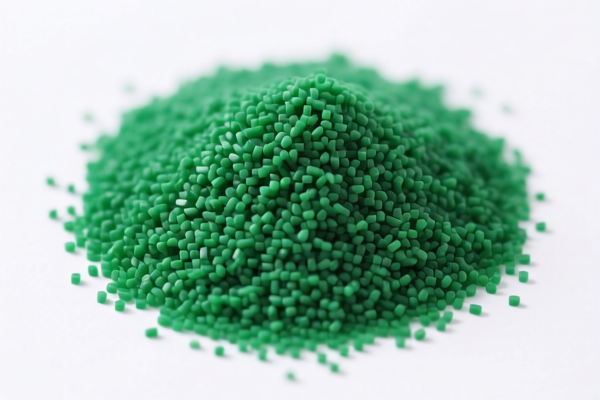
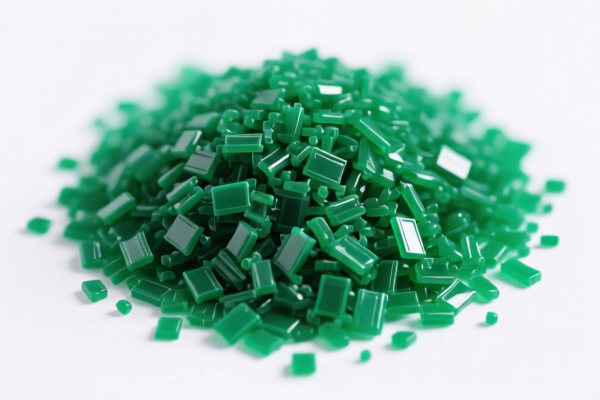
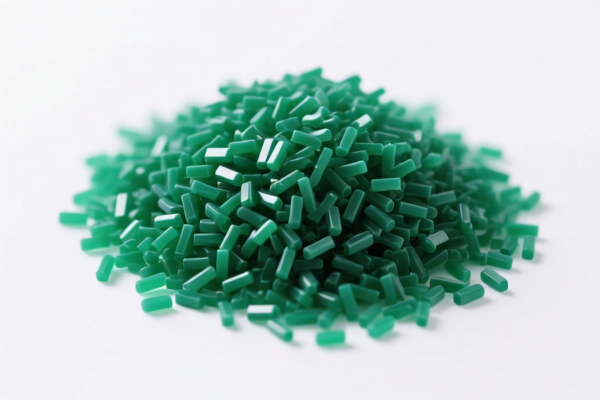
AI Analysis
🌿 Sulfonated Turpentine: HS Code Classification & Customs Clearance Strategy
🌐 HS Code Reference & Customs Guide | 2026 Latest Tariff Analysis | Professional Clearance Strategy
📌 Part I: Product Definition & Classification: Do You Truly Understand "Sulfonated Turpentine"?
Sulfonated Turpentine is a chemically modified derivative of natural turpentine. Through a sulfonation process, the terpene hydrocarbons (primarily alpha-pinene and beta-pinene) are treated to introduce sulfonic acid groups, significantly enhancing its solubility in water and its efficacy as a wetting agent, emulsifier, or dispersant in industrial applications.
In international trade, its classification hinges on whether it is viewed as a primary chemical extract, a complex mixture, or a specialized plant-derived oil resin. The following analysis breaks down the potential HS Codes based on specific chemical characteristics and regulatory interpretations.
⚠️ Key Classification Distinction:
- If classified as a primary pine oil/turpentine extract → Look at Chapter 38, Heading 3805.
- If classified as a complex chemical mixture/preparation → Look at Chapter 38, Heading 3824.
- If classified as an essential oil/concentrate → Look at Chapter 33, Heading 3301.
📦 Part II: HS Code Classification Details (2026 Latest Tariff Authority Comparison)
| HS Code | Product Description | Application Scenario | Tax Rate (Total) | Tax Composition Detail |
|---|---|---|---|---|
3805.10.00.00 |
Pine oils, sulphonated;属于木节油类 (Belongs to Pine Oil Category) | Primary chemical form produced via distillation or treatment | 40.0% | Base: 5.0% + Section 301: 25.0% + Section 122: 10% |
3805.90.50.00 |
Turpentine substitutes; matches properties of pine oil & terpenes (Chemical Extract) | Chemical extract product, consistent with pine oil and terpene oils | 38.7% | Base: 3.7% + Section 301: 25.0% + Section 122: 10% |
3824.99.29.00 |
Chemical industrial product; natural product mixture or organic chemical preparation | Natural product mixture or organic chemical agent characteristics | 41.5% | Base: 6.5% + Section 301: 25.0% + Section 122: 10% |
3824.99.49.00 |
Derived from pine resin hydrocarbons; chemical products/preparations composed of hydrocarbons | Hydrocarbon-based chemical products and preparations definition | 41.5% | Base: 6.5% + Section 301: 25.0% + Section 122: 10% |
3301.90.50.00 |
Plant-extracted oleoresins or essential oils; fits category of essential oils and concentrates | Essential oils, oleoresins, or concentrated extracts | 17.5% | Base: 0.0% + Section 301: 7.5% + Section 122: 10% |
🔍 Critical Reminder:
-3805.10.00.00is the most direct fit if the product is recognized as "Pine Oil, Sulphonated," a specific sub-category under primary pine oils.
-3301.90.50.00offers the lowest tax rate but requires strict proof that the product retains the nature of an "essential oil/oleoresin" rather than being a fully reacted chemical preparation.
-3824codes represent a broader "chemical preparation" bucket, often resulting in higher base duties (6.5%) compared to specific pine oil categories.
💰 Part III: 2026 Latest Tariff Rate Breakdown (Including Additional Taxes & Policy Surcharges)
✅ Applicable Country: United States (US)
✅ Country of Origin: China (CN)
✅ Effective Date: November 10, 2025 (and subsequent imports)
🎯 1. 3805.10.00.00 —— Pine Oils, Sulphonated (Pine Oil Category)
| Item | Content |
|---|---|
| Base Duty Rate | 5.0% (ad valorem) |
| Section 301 Additional Duty | +25.0% (USITC Footnote 9903.88.01 / 301 Tariffs) |
| Section 122 Additional Duty | +10.0% (Against China/Products of China) |
| Total Effective Rate | 40.0% |
| Tax Calculation | CIF Value × 40% |
| De Minimis Eligibility | ❌ No (deny_de_minimis) |
| Legal Basis Path | Section 122 → Section 301 → USITC:3805.10.00.00 |
📌 Explanation:
- The 5% base duty applies to "Pine oils, sulphonated," a specific line item.
- The 25% is the standard Section 301 tariff for chemical preparations from China.
- The 10% is the Section 122 tariff.
- Total 40% is a significant burden, requiring precise classification to avoid misdeclaration penalties.
🎯 2. 3805.90.50.00 —— Other Pine Oils & Terpenes (Chemical Extract)
| Item | Content |
|---|---|
| Base Duty Rate | 3.7% |
| Section 301 Additional Duty | +25.0% |
| Section 122 Additional Duty | +10.0% |
| Total Effective Rate | 38.7% |
| Tax Calculation | CIF Value × 38.7% |
| De Minimis Eligibility | ❌ No |
| Legal Basis Path | Section 122 → Section 301 → USITC:3805.90.50.00 |
📌 Note:
- Slightly lower than3805.10due to the lower base rate (3.7% vs 5.0%).
- Applicable if the product is classified under "Other" pine oils rather than the specific "Sulphonated" line, provided it matches the chemical nature of terpene oils.
🎯 3. 3824.99.29.00 / 3824.99.49.00 —— Chemical Preparations (Mixed)
| Item | Content |
|---|---|
| Base Duty Rate | 6.5% |
| Section 301 Additional Duty | +25.0% |
| Section 122 Additional Duty | +10.0% |
| Total Effective Rate | 41.5% |
| Tax Calculation | CIF Value × 41.5% |
| De Minimis Eligibility | ❌ No |
| Legal Basis Path | Section 122 → Section 301 → USITC:3824.99.xx.00 |
📌 Warning:
- These codes carry the highest total tax rate (41.5%) among the options.
- They are used when the product is viewed as a generic chemical mixture rather than a specific pine oil derivative.
- Avoid this classification if3805is technically accurate, as it results in a 1.5% higher total tax.
🎯 4. 3301.90.50.00 —— Essential Oils, Oleoresins, or Concentrates
| Item | Content |
|---|---|
| Base Duty Rate | 0.0% |
| Section 301 Additional Duty | +7.5% |
| Section 122 Additional Duty | +10.0% |
| Total Effective Rate | 17.5% |
| Tax Calculation | CIF Value × 17.5% |
| De Minimis Eligibility | ❌ No (Check specific exclusions) |
| Legal Basis Path | Section 122 → Section 301 → USITC:3301.90.50.00 |
📌 Strategic Advantage:
- This is the lowest tax rate (17.5%).
- It applies if the sulfonated product is still considered an "essential oil" or "oleoresin" derivative.
- Risk: Customs may challenge this if the sulfonation process significantly alters the chemical nature, pushing it into Chapter 38. Pre-ruling is highly recommended.
🛠️ Part IV: Customs Clearance Operational Advice (Practical Pitfall Avoidance)
✅ 1. Documentation Checklist (Mandatory)
| Document | Required | Explanation |
|---|---|---|
| ✅ Product Specification Sheet | ✔️ | Must detail the sulfonation process, chemical composition, and CAS number. |
| ✅ Safety Data Sheet (SDS) | ✔️ | Crucial for hazardous material determination and proper handling classification. |
| ✅ Certificate of Analysis (COA) | ✔️ | Proves the chemical structure and purity level to support HS Code argument. |
| ✅ Commercial Invoice | ✔️ | Must clearly state "Sulfonated Turpentine" and not just "Turpentine" or "Oil." |
| ✅ Packing List | ✔️ | Details net/gross weight, volume, and container type. |
| ✅ Declaration of Origin | ✔️ | Critical for Section 122 and 301 tariff applicability. |
✅ 2. Declaration Techniques (Key Mantras)
🔥 “Chemical Nature Defines Code, Don’t Just Say ‘Oil’!”
| Scenario | Correct Declaration | Incorrect Approach |
|---|---|---|
| Primary Pine Oil Derivative | 3805.10.00.00 (Pine Oils, Sulphonated) |
Misdeclare as generic chemical → Higher risk of audit |
| Plant Extract Nature | 3301.90.50.00 (Essential Oil/Oleoresin) |
Only if COA supports "essential oil" status |
| Complex Mixture | 3824.99.29.00 |
If other codes are technically incorrect |
| Hazardous Material | Include HMIS/UN Number | Ignoring hazardous nature → Fines/Detention |
📌 Note:
- Use precise terminology: "Sulfonated Pine Oil" or "Sulfonated Turpentine Derivative."
- Avoid vague terms like "Industrial Oil" or "Solvent" unless backed by chemical data.
✅ 3. Special Case Handling
| Scenario | Handling Advice |
|---|---|
| OEM Custom Sulfonated Oil | Provide client order + chemical structure diagram to prove specific use and nature. |
| Mixtures with Other Solvents | If mixed with non-pine solvents, may shift to 3824. Calculate cost impact. |
| Small Samples for R&D | Still subject to de minimis rules (or lack thereof). Ensure proper paperwork. |
| Disputes with CBP | Request Binding Ruling if classification is ambiguous between 3301 and 3805. |
🌍 Part V: Global Market Customs Comparison (2026 Latest)
| Country/Region | Recommended HS Code | Tariff Rate | Certification Requirements | Notes |
|---|---|---|---|---|
| 🇺🇸 USA | 3805.10.00.00 or 3301.90.50.00 |
17.5% - 41.5% | TSCA Compliance | High scrutiny on chemical imports |
| 🇨🇳 China | 3805.10.00.00 |
~5% | No special import license | Standard chemical import |
| 🇪🇺 EU | 3805.10.00 |
~5-7% | REACH Registration | REACH registration is mandatory for chemicals |
| 🇯🇵 Japan | 3805.10.00 |
~5% | FieS Approval | Check if listed on Positive List |
📌 Conclusion:
- USA imposes the highest complexity due to Section 122 and 301 tariffs.
- EU focuses on chemical safety (REACH), so documentation is key.
- China has standard tariffs but monitors environmental compliance.
📌 Part VI: Common Errors & Pitfall Guide (Blood & Tears Lessons)
❌ Error 1: Declaring as 3301.90.50.00 without proof of "essential oil" nature
👉 Consequence: CBP reclassifies to 3805.10.00.00 → Back taxes + Interest!
❌ Error 2: Using generic "Turpentine" instead of "Sulfonated Turpentine"
👉 Consequence: Incorrect classification, potential fraud penalties.
❌ Error 3: Ignoring Hazardous Material Declaration (HMIS)
👉 Consequence: Shipment detained, fines, or rejection by carrier.
❌ Error 4: Assuming De Minimis (Section 321) applies
👉 Consequence: Chemicals from China are NOT eligible for de minimis entry → Full duty assessment.
✅ Correct Approach:
"Sulfonated Pine Oil, CAS [Insert Number], Chemical Grade, TSCA Compliant, Net Weight 1000kg"
🎯 Part VII: Conclusion: Professional Declaration, Cost Control, Risk Mitigation!
🎯 Remember the Mantra:
🔹 "Sulfonated is Key, Chapter 33 is a Trap, 3805 is Safe, 3824 is Expensive!"
🔹 "Tax Difference is 24%, Paperwork Saves Money, Wrong Code Costs Thousands!"
📌 Pro Tip:
If your product is originally sourced from the US, Canada, or EU, you may qualify for zero Section 122/301 tariffs under USMCA or FTAs.
Recommendation: Apply for a CBP Pre-Ruling if the classification between 3301 and 3805 is uncertain. This provides legal certainty and protects against audits.
📣 Immediate Action:
📞 Consult with a Licensed Customs Broker + Provide Chemical Analysis Report + Request HS Code Pre-Ruling
🚀 Ensure Your Sulfonated Turpentine Clears Smoothly, Minimizes Duty, and Maximizes Profit!
✨ Professional Customs Clearance Starts with Precise Classification!
💼 Every Cent Saved is a Cent Earned!
Customer Reviews
About HS Code Classification
The Harmonized System (HS) is an internationally standardized nomenclature developed by the World Customs Organization (WCO) to classify traded products. Over 200 countries use the HS system as the basis for customs tariffs, trade statistics, and import/export regulations.
Each HS code follows a hierarchical structure:
- Chapter (2 digits) — Broad category of goods (e.g., Chapter 84: Machinery and Mechanical Appliances)
- Heading (4 digits) — More specific grouping within the chapter
- Subheading (6 digits) — Internationally standardized breakdown, used by all WCO member countries
- National subdivisions (8-10 digits) — Country-specific extensions for further classification, such as US HTSUS 10-digit codes
Correct HS code classification is essential for smooth customs clearance, accurate duty payment, and compliance with trade regulations. Misclassification can lead to customs delays, overpayment of duties, or penalties.
When importing from CN to US, the applicable tariff rates may include:
- Most-Favored-Nation (MFN) rate — The standard duty rate applied to WTO members
- General rate — Applied to countries without trade agreements
- Trade remedy duties — Additional tariffs such as Section 301 (anti-dumping), Section 232 (national security), or countervailing duties
The information provided on this page is for reference purposes only. For official classification, please consult with your local customs authority or a licensed customs broker.