Sushi Tools
CN → US| HS编码 | 关税税率 | 原产国 | 目的国 | 文档 |
|---|---|---|---|---|
| 8210000000 | 38.7% | CN | US | 官方文档 |
| 3924905650 | 20.9% | CN | US | 官方文档 |
| 4419199000 | 13.2% | CN | US | 官方文档 |
| 3924104000 | 13.4% | CN | US | 官方文档 |
商品图片
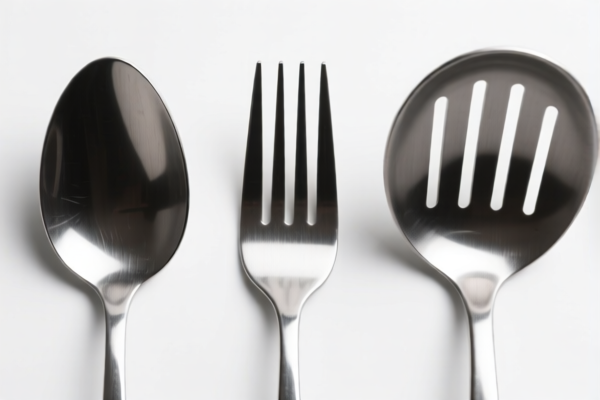
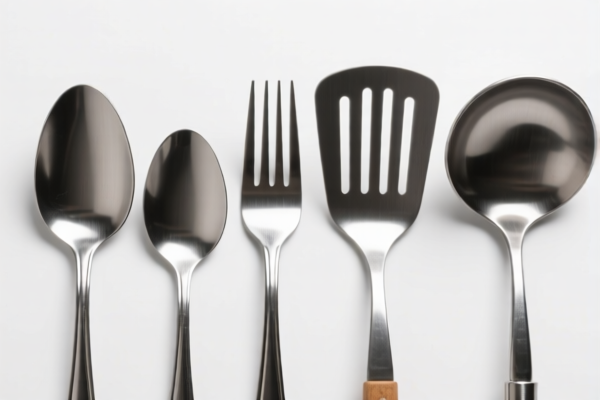
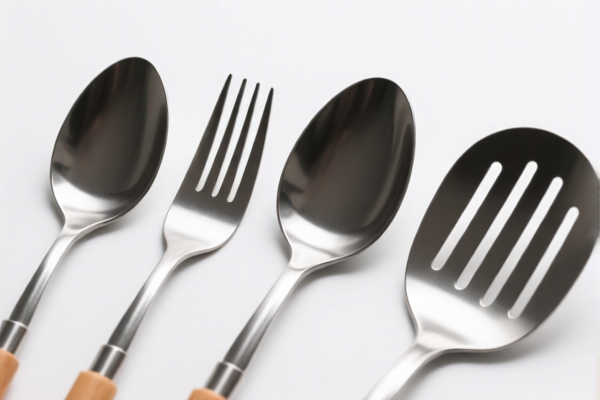
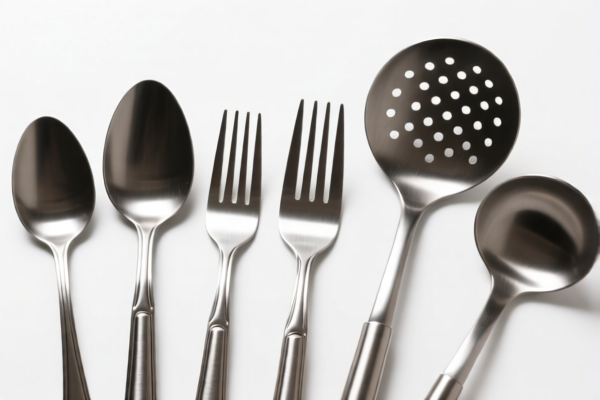
AI分析
🍣 Sushi Tools (Kitchen Utensils & Manual Appliances)
🌐 HS Code Reference & Customs Clearance Guide | 2026 Latest Tariff Analysis | Professional Strategy for US Market
📌 I. Product Definition & Classification: What Exactly Are "Sushi Tools"?
Sushi tools are specialized instruments used for the preparation, shaping, and serving of sushi and other rice-based dishes. In international trade, their classification depends heavily on material composition and mechanical nature. They generally fall into three main categories:
Manual Mechanical Appliances: Tools used for food preparation that do not incorporate a motor (e.g., manual rice presses, cutting guides).
Plastic Kitchenware: Molds, spatulas, and serving utensils made primarily of plastic.
Wooden/Tableware: Bamboo rolling mats, wooden rice paddles, and ceramic plates.
⚠️ Key Classification Distinction:
- If the tool is a motorized device (not covered in this data), it would likely be under Chapter 82 or 85.
- If it is a manual press or guide without external power, it is classified as a hand tool/machine under 8210.
- If it is made of plastic, it falls under Chapter 39 (Plastics and Articles Thereof).
- If it is made of wood or general tableware, it falls under Chapter 44 or 3924.
📦 II. HS Code Classification Details (2026 Latest Tariff Authority Comparison)
Based on the provided data, here are the precise classifications for Sushi Tools:
| HS Code | Product Description | Material/Type | Applicable Scenario |
|---|---|---|---|
8210.00.00.00 |
Manual Mechanical Appliances for Food Preparation | Metal/Hand Tool | Rice presses, manual cutters, hand-held mechanical shapers |
3924.90.56.50 |
Other Plastic Tableware/Kitchenware | Plastic | Molded plastic sushi molds, silicone/plastic accessories |
4419.19.90.00 |
Other Wooden Tableware | Wood/Bamboo | Bamboo mats (makisu), wooden paddles, non-specific wooden utensils |
3924.10.40.00 |
Plastic Tableware and Kitchenware | Plastic | Standard plastic serving bowls, chopsticks, generic plastic utensils |
🔍 Key Insight:
- 8210.00.00.00 is the most complex classification due to high tariffs; it applies to mechanical/manual food prep tools.
- 3924 Series is the most common for plastic sushi makers, but tariffs vary significantly based on specific plastic sub-categories.
- 4419.19.90.00 is the "catch-all" for wooden items, often resulting in lower tariffs if not specifically regulated.
💰 III. 2026 Latest Tariff Rate Breakdown (Including Surcharge & Policy Surcharges)
✅ Applicable Country: United States (US)
✅ Origin: China (CN)
✅ Effective Date: Current rates applicable for Chinese origin imports
🎯 1. 8210.00.00.00 — Manual Mechanical Appliances for Food Preparation
| Item | Content |
|---|---|
| Base Duty Rate | 3.7% (ad valorem) |
| Section 301 Surcharge | +25.0% |
| Section 122 Surcharge | +10.0% |
| Total Tax Rate | 38.7% |
| Tax Calculation | CIF Value × 38.7% |
| De Minimis Eligibility | ❌ Not Eligible (High duty rate prevents small package exemptions) |
| Legal Basis Path | Base: 3.7% → Section 301: 25.0% → Section 122: 10% |
📌 Explanation:
- This classification is treated as a metal/hand tool for food processing.
- It attracts the highest total tax (38.7%) among the options due to the combination of base, Section 301 (Trade War tariff), and Section 122 (small package tax).
- Strategy: Avoid this HS Code unless the product is strictly a mechanical device. Use plastic or wood alternatives if possible to reduce costs.
🎯 2. 3924.90.56.50 — Other Plastic Tableware/Kitchenware
| Item | Content |
|---|---|
| Base Duty Rate | 3.4% |
| Section 301 Surcharge | +7.5% |
| Section 122 Surcharge | +10.0% |
| Total Tax Rate | 20.9% |
| Tax Calculation | CIF Value × 20.9% |
| De Minimis Eligibility | ❌ Not Eligible |
| Legal Basis Path | Base: 3.4% → Section 301: 7.5% → Section 122: 10% |
📌 Explanation:
- This code applies to specific plastic molds or accessories that do not fall under the general "plastic tableware" heading.
- The Section 301 surcharge is lower (7.5%) compared to the manual tools (25%), making it a more favorable option for plastic-based sushi kits.
🎯 3. 4419.19.90.00 — Other Wooden Tableware
| Item | Content |
|---|---|
| Base Duty Rate | 3.2% |
| Section 301 Surcharge | +0.0% |
| Section 122 Surcharge | +10.0% |
| Total Tax Rate | 13.2% |
| Tax Calculation | CIF Value × 13.2% |
| De Minimis Eligibility | ❌ Not Eligible |
| Legal Basis Path | Base: 3.2% → Section 301: 0.0% → Section 122: 10% |
📌 Explanation:
- This is the most tax-efficient option for wooden sushi tools (e.g., bamboo mats, wooden paddles).
- Zero Section 301 surcharge significantly reduces the total burden.
- Strategy: If your product can be made of wood or bamboo, classify under this code to save ~25% in taxes compared to8210.
🎯 4. 3924.10.40.00 — Plastic Tableware and Kitchenware (General)
| Item | Content |
|---|---|
| Base Duty Rate | 3.4% |
| Section 301 Surcharge | +0.0% |
| Section 122 Surcharge | +10.0% |
| Total Tax Rate | 13.4% |
| Tax Calculation | CIF Value × 13.4% |
| De Minimis Eligibility | ❌ Not Eligible |
| Legal Basis Path | Base: 3.4% → Section 301: 0.0% → Section 122: 10% |
📌 Explanation:
- This code covers general plastic tableware.
- Like the wooden category, it benefits from 0% Section 301 surcharge.
- Strategy: Ideal for standard plastic sushi molds, serving plates, and chopsticks. It is nearly as cheap as the wooden option.
🛠️ IV. Customs Clearance Practical Advice (Real-World Pitfall Guide)
✅ 1. Material Declaration is Critical
| Material | Recommended HS Code | Total Tax | Tip |
|---|---|---|---|
| Metal/Hand Mechanism | 8210.00.00.00 |
38.7% | Avoid if possible; high tax burden. |
| Plastic Mold/Accessory | 3924.90.56.50 |
20.9% | Use for complex 3D plastic molds. |
| General Plastic Utensil | 3924.10.40.00 |
13.4% | Best for simple plastic plates/spoons. |
| Wood/Bamboo | 4419.19.90.00 |
13.2% | Best Option for mats and paddles. |
📌 Key Tip:
- Do not misclassify plastic tools as8210to avoid customs scrutiny.
- Do not misclassify metal tools as3924(plastic) if they have metal parts.
- Composite Products: If a sushi kit contains both plastic and wood, customs may classify the essential character or split the shipment. Clearly list materials in the invoice.
✅ 2. Declaration Tips (Key Mantra)
🔥 "Material First, Mechanism Second, Name Specific, Tax Lowered!"
| Situation | Correct Declaration | Wrong Practice |
|---|---|---|
| Plastic Sushi Mold | Plastic Sushi Maker Mold → 3924.10.40.00 or 3924.90.56.50 |
Sushi Tool → Risk of 8210 (38.7%) |
| Bamboo Mat | Bamboo Sushi Rolling Mat → 4419.19.90.00 |
Wooden Tableware → Ambiguous |
| Metal Rice Press | Manual Metal Rice Press → 8210.00.00.00 |
Kitchen Utensil → Misclassification |
✅ 3. Special Circumstances Handling
| Situation | Handling Advice |
|---|---|
| Mixed Material Kits (Plastic + Wood) | Declare as "Plastic" if plastic is the primary component/value. Provide a detailed packing list showing materials for each item. |
| Sushi Knife Sets | If sharp, ensure compliance with US import restrictions on knives. May require additional safety warnings. |
| Food Contact Safety | Ensure plastics comply with FDA standards. Provide FDA compliance certificates if requested. |
| Section 122 Impact | All these codes attract a 10% Section 122 tax. No exemption. Plan for this cost in your pricing model. |
🌍 V. Global Market Comparison (2026 Latest)
| Country/Region | Recommended HS Code | Total Tax (China Origin) | Notes |
|---|---|---|---|
| 🇺🇸 USA | 4419.19.90.00 / 3924.10.40.00 |
13.2% / 13.4% | Lowest Tax Options. Avoid 8210. |
| 🇨🇳 China | 8210.00.00.00 / 3924.10.40.00 |
Varies (Export) | Focus on destination taxes. |
| 🇪🇺 EU | Varies by Material | Varies | EU has different tariff schedules; no Section 301/122. |
| 🇦🇺 Australia | 4419.19.90.00 |
Low (Free Trade Agreement) | Check for FTA benefits. |
| 🇯🇵 Japan | 3924.10.40.00 |
Low | Japan has specific food utensil standards. |
📌 Conclusion:
- USA is the most tax-sensitive market for these goods due to Section 301 and 122.
- Wood and General Plastic are the most cost-effective classifications for the US market.
- Manual Mechanical Tools are the most expensive due to high Section 301 tariffs.
📌 VI. Common Mistakes & Pitfall Guide (Blood & Tears Lessons)
❌ Mistake 1: Classifying all sushi tools under 8210 to save on "description complexity"
👉 Consequence: 38.7% tax instead of 13.2%. Loss of profit margin!
❌ Mistake 2: Declaring plastic molds as "Kitchen Utensils" without specifying material
👉 Consequence: Customs may reclassify to the highest applicable rate. Delay + Penalty.
❌ Mistake 3: Ignoring Section 122 (10% small package tax)
👉 Consequence: Unexpected cost at border for B2C shipments.
❌ Mistake 4: Using "Sushi Set" as a vague HS code
👉 Consequence: Customs will break down the set by component. If components are mixed, they may apply the highest tax to the whole lot.
✅ Correct Approach:
"Plastic Sushi Mold Kit (Plastic), Bamboo Sushi Mat (Wood), Plastic Serving Plate (Plastic). HS Codes: 3924.90.56.50, 4419.19.90.00, 3924.10.40.00."
🎯 VII. Conclusion: Precision Classification, Cost Efficiency!
🎯 Remember the Mantra:
🔹 "Wood & Plastic, Zero 301, Low Tax Joy! Metal & Machine, High 301, Cry in Joy!"
🔹 "13% is the Goal, 38% is the Trap, Choose Wisely!"
📌 Pro Tip:
- If your product is primarily plastic, try to fit 3924.10.40.00 (13.4%) over 3924.90.56.50 (20.9%) if functionally similar.
- If you have wooden components, emphasize 4419.19.90.00 (13.2%) as it is the cheapest option.
- Avoid 8210.00.00.00 unless the product is strictly a mechanical hand tool and cannot be classified otherwise.
📣 Immediate Action:
📞 Contact your freight forwarder to confirm HS Code pre-classification.
📄 Provide material composition in your commercial invoice.
🚀 Optimize your product design to use wood or general plastic to reduce US tariffs.
✨ Professional Customs Clearance Starts with Precise Classification!
💼 Your Cost Efficiency Depends on These Numbers!
用户评价
关于 HS 编码归类
协调制度(HS)是由世界海关组织(WCO)制定的国际贸易商品分类标准。全球 200 多个国家采用 HS 系统作为海关关税、贸易统计和进出口监管的基础。
每个 HS 编码遵循以下层级结构:
- 章(2 位)——商品大类(例如:第 84 章:机器和机械设备)
- 品目(4 位)——章内的更具体分类
- 子目(6 位)——国际通用细分,所有 WCO 成员国统一使用
- 本国细分(8-10 位)——各国自行扩展的细分编码,如美国 HTSUS 10 位编码
正确的 HS 编码归类对于顺利通关、准确缴纳关税和遵守贸易法规至关重要。错误归类可能导致海关延误、多缴关税或罚款。
从CN进口到US时,适用的关税税率可能包括:
- 最惠国(MFN)税率——适用于 WTO 成员国的标准关税税率
- 普通税率——适用于无贸易协定国家
- 贸易救济关税——附加关税,如 301 条款(反倾销)、232 条款(国家安全)或反补贴税
本页内容仅供参考。如需正式归类,请咨询当地海关或持牌报关代理。