Sushi Tools
CN → US| HS Code | Tariff Rate | Origin | Destination | Doc |
|---|---|---|---|---|
| 8210000000 | 38.7% | CN | US | Official Doc |
| 3924905650 | 20.9% | CN | US | Official Doc |
| 4419199000 | 13.2% | CN | US | Official Doc |
| 3924104000 | 13.4% | CN | US | Official Doc |
Product Images
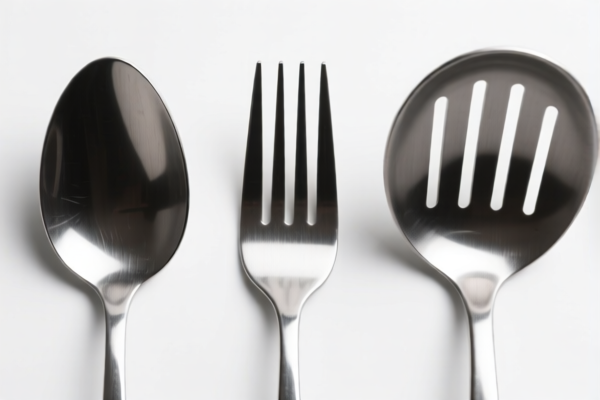
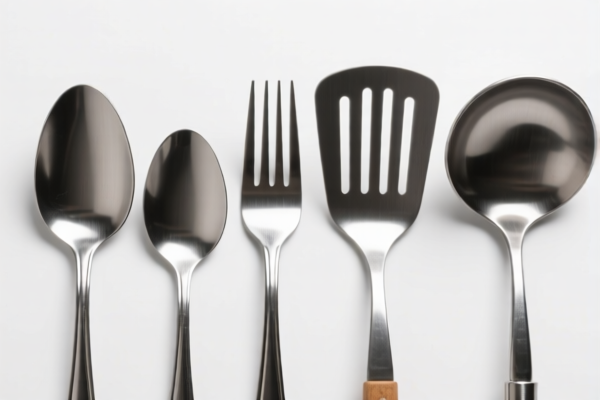
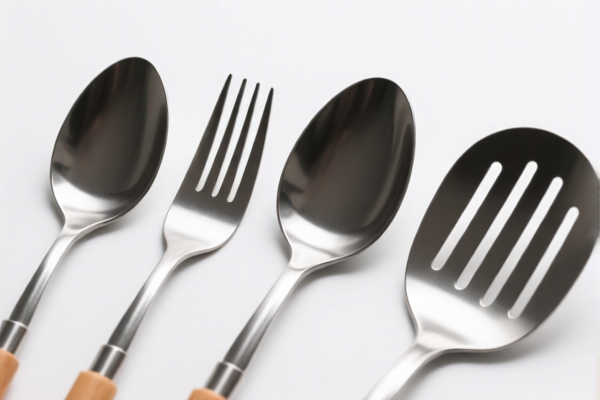
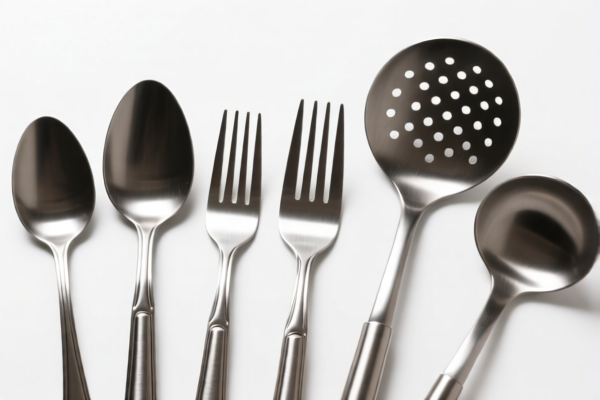
AI Analysis
🍣 Sushi Tools (Kitchen Utensils & Manual Appliances)
🌐 HS Code Reference & Customs Clearance Guide | 2026 Latest Tariff Analysis | Professional Strategy for US Market
📌 I. Product Definition & Classification: What Exactly Are "Sushi Tools"?
Sushi tools are specialized instruments used for the preparation, shaping, and serving of sushi and other rice-based dishes. In international trade, their classification depends heavily on material composition and mechanical nature. They generally fall into three main categories:
Manual Mechanical Appliances: Tools used for food preparation that do not incorporate a motor (e.g., manual rice presses, cutting guides).
Plastic Kitchenware: Molds, spatulas, and serving utensils made primarily of plastic.
Wooden/Tableware: Bamboo rolling mats, wooden rice paddles, and ceramic plates.
⚠️ Key Classification Distinction:
- If the tool is a motorized device (not covered in this data), it would likely be under Chapter 82 or 85.
- If it is a manual press or guide without external power, it is classified as a hand tool/machine under 8210.
- If it is made of plastic, it falls under Chapter 39 (Plastics and Articles Thereof).
- If it is made of wood or general tableware, it falls under Chapter 44 or 3924.
📦 II. HS Code Classification Details (2026 Latest Tariff Authority Comparison)
Based on the provided data, here are the precise classifications for Sushi Tools:
| HS Code | Product Description | Material/Type | Applicable Scenario |
|---|---|---|---|
8210.00.00.00 |
Manual Mechanical Appliances for Food Preparation | Metal/Hand Tool | Rice presses, manual cutters, hand-held mechanical shapers |
3924.90.56.50 |
Other Plastic Tableware/Kitchenware | Plastic | Molded plastic sushi molds, silicone/plastic accessories |
4419.19.90.00 |
Other Wooden Tableware | Wood/Bamboo | Bamboo mats (makisu), wooden paddles, non-specific wooden utensils |
3924.10.40.00 |
Plastic Tableware and Kitchenware | Plastic | Standard plastic serving bowls, chopsticks, generic plastic utensils |
🔍 Key Insight:
- 8210.00.00.00 is the most complex classification due to high tariffs; it applies to mechanical/manual food prep tools.
- 3924 Series is the most common for plastic sushi makers, but tariffs vary significantly based on specific plastic sub-categories.
- 4419.19.90.00 is the "catch-all" for wooden items, often resulting in lower tariffs if not specifically regulated.
💰 III. 2026 Latest Tariff Rate Breakdown (Including Surcharge & Policy Surcharges)
✅ Applicable Country: United States (US)
✅ Origin: China (CN)
✅ Effective Date: Current rates applicable for Chinese origin imports
🎯 1. 8210.00.00.00 — Manual Mechanical Appliances for Food Preparation
| Item | Content |
|---|---|
| Base Duty Rate | 3.7% (ad valorem) |
| Section 301 Surcharge | +25.0% |
| Section 122 Surcharge | +10.0% |
| Total Tax Rate | 38.7% |
| Tax Calculation | CIF Value × 38.7% |
| De Minimis Eligibility | ❌ Not Eligible (High duty rate prevents small package exemptions) |
| Legal Basis Path | Base: 3.7% → Section 301: 25.0% → Section 122: 10% |
📌 Explanation:
- This classification is treated as a metal/hand tool for food processing.
- It attracts the highest total tax (38.7%) among the options due to the combination of base, Section 301 (Trade War tariff), and Section 122 (small package tax).
- Strategy: Avoid this HS Code unless the product is strictly a mechanical device. Use plastic or wood alternatives if possible to reduce costs.
🎯 2. 3924.90.56.50 — Other Plastic Tableware/Kitchenware
| Item | Content |
|---|---|
| Base Duty Rate | 3.4% |
| Section 301 Surcharge | +7.5% |
| Section 122 Surcharge | +10.0% |
| Total Tax Rate | 20.9% |
| Tax Calculation | CIF Value × 20.9% |
| De Minimis Eligibility | ❌ Not Eligible |
| Legal Basis Path | Base: 3.4% → Section 301: 7.5% → Section 122: 10% |
📌 Explanation:
- This code applies to specific plastic molds or accessories that do not fall under the general "plastic tableware" heading.
- The Section 301 surcharge is lower (7.5%) compared to the manual tools (25%), making it a more favorable option for plastic-based sushi kits.
🎯 3. 4419.19.90.00 — Other Wooden Tableware
| Item | Content |
|---|---|
| Base Duty Rate | 3.2% |
| Section 301 Surcharge | +0.0% |
| Section 122 Surcharge | +10.0% |
| Total Tax Rate | 13.2% |
| Tax Calculation | CIF Value × 13.2% |
| De Minimis Eligibility | ❌ Not Eligible |
| Legal Basis Path | Base: 3.2% → Section 301: 0.0% → Section 122: 10% |
📌 Explanation:
- This is the most tax-efficient option for wooden sushi tools (e.g., bamboo mats, wooden paddles).
- Zero Section 301 surcharge significantly reduces the total burden.
- Strategy: If your product can be made of wood or bamboo, classify under this code to save ~25% in taxes compared to8210.
🎯 4. 3924.10.40.00 — Plastic Tableware and Kitchenware (General)
| Item | Content |
|---|---|
| Base Duty Rate | 3.4% |
| Section 301 Surcharge | +0.0% |
| Section 122 Surcharge | +10.0% |
| Total Tax Rate | 13.4% |
| Tax Calculation | CIF Value × 13.4% |
| De Minimis Eligibility | ❌ Not Eligible |
| Legal Basis Path | Base: 3.4% → Section 301: 0.0% → Section 122: 10% |
📌 Explanation:
- This code covers general plastic tableware.
- Like the wooden category, it benefits from 0% Section 301 surcharge.
- Strategy: Ideal for standard plastic sushi molds, serving plates, and chopsticks. It is nearly as cheap as the wooden option.
🛠️ IV. Customs Clearance Practical Advice (Real-World Pitfall Guide)
✅ 1. Material Declaration is Critical
| Material | Recommended HS Code | Total Tax | Tip |
|---|---|---|---|
| Metal/Hand Mechanism | 8210.00.00.00 |
38.7% | Avoid if possible; high tax burden. |
| Plastic Mold/Accessory | 3924.90.56.50 |
20.9% | Use for complex 3D plastic molds. |
| General Plastic Utensil | 3924.10.40.00 |
13.4% | Best for simple plastic plates/spoons. |
| Wood/Bamboo | 4419.19.90.00 |
13.2% | Best Option for mats and paddles. |
📌 Key Tip:
- Do not misclassify plastic tools as8210to avoid customs scrutiny.
- Do not misclassify metal tools as3924(plastic) if they have metal parts.
- Composite Products: If a sushi kit contains both plastic and wood, customs may classify the essential character or split the shipment. Clearly list materials in the invoice.
✅ 2. Declaration Tips (Key Mantra)
🔥 "Material First, Mechanism Second, Name Specific, Tax Lowered!"
| Situation | Correct Declaration | Wrong Practice |
|---|---|---|
| Plastic Sushi Mold | Plastic Sushi Maker Mold → 3924.10.40.00 or 3924.90.56.50 |
Sushi Tool → Risk of 8210 (38.7%) |
| Bamboo Mat | Bamboo Sushi Rolling Mat → 4419.19.90.00 |
Wooden Tableware → Ambiguous |
| Metal Rice Press | Manual Metal Rice Press → 8210.00.00.00 |
Kitchen Utensil → Misclassification |
✅ 3. Special Circumstances Handling
| Situation | Handling Advice |
|---|---|
| Mixed Material Kits (Plastic + Wood) | Declare as "Plastic" if plastic is the primary component/value. Provide a detailed packing list showing materials for each item. |
| Sushi Knife Sets | If sharp, ensure compliance with US import restrictions on knives. May require additional safety warnings. |
| Food Contact Safety | Ensure plastics comply with FDA standards. Provide FDA compliance certificates if requested. |
| Section 122 Impact | All these codes attract a 10% Section 122 tax. No exemption. Plan for this cost in your pricing model. |
🌍 V. Global Market Comparison (2026 Latest)
| Country/Region | Recommended HS Code | Total Tax (China Origin) | Notes |
|---|---|---|---|
| 🇺🇸 USA | 4419.19.90.00 / 3924.10.40.00 |
13.2% / 13.4% | Lowest Tax Options. Avoid 8210. |
| 🇨🇳 China | 8210.00.00.00 / 3924.10.40.00 |
Varies (Export) | Focus on destination taxes. |
| 🇪🇺 EU | Varies by Material | Varies | EU has different tariff schedules; no Section 301/122. |
| 🇦🇺 Australia | 4419.19.90.00 |
Low (Free Trade Agreement) | Check for FTA benefits. |
| 🇯🇵 Japan | 3924.10.40.00 |
Low | Japan has specific food utensil standards. |
📌 Conclusion:
- USA is the most tax-sensitive market for these goods due to Section 301 and 122.
- Wood and General Plastic are the most cost-effective classifications for the US market.
- Manual Mechanical Tools are the most expensive due to high Section 301 tariffs.
📌 VI. Common Mistakes & Pitfall Guide (Blood & Tears Lessons)
❌ Mistake 1: Classifying all sushi tools under 8210 to save on "description complexity"
👉 Consequence: 38.7% tax instead of 13.2%. Loss of profit margin!
❌ Mistake 2: Declaring plastic molds as "Kitchen Utensils" without specifying material
👉 Consequence: Customs may reclassify to the highest applicable rate. Delay + Penalty.
❌ Mistake 3: Ignoring Section 122 (10% small package tax)
👉 Consequence: Unexpected cost at border for B2C shipments.
❌ Mistake 4: Using "Sushi Set" as a vague HS code
👉 Consequence: Customs will break down the set by component. If components are mixed, they may apply the highest tax to the whole lot.
✅ Correct Approach:
"Plastic Sushi Mold Kit (Plastic), Bamboo Sushi Mat (Wood), Plastic Serving Plate (Plastic). HS Codes: 3924.90.56.50, 4419.19.90.00, 3924.10.40.00."
🎯 VII. Conclusion: Precision Classification, Cost Efficiency!
🎯 Remember the Mantra:
🔹 "Wood & Plastic, Zero 301, Low Tax Joy! Metal & Machine, High 301, Cry in Joy!"
🔹 "13% is the Goal, 38% is the Trap, Choose Wisely!"
📌 Pro Tip:
- If your product is primarily plastic, try to fit 3924.10.40.00 (13.4%) over 3924.90.56.50 (20.9%) if functionally similar.
- If you have wooden components, emphasize 4419.19.90.00 (13.2%) as it is the cheapest option.
- Avoid 8210.00.00.00 unless the product is strictly a mechanical hand tool and cannot be classified otherwise.
📣 Immediate Action:
📞 Contact your freight forwarder to confirm HS Code pre-classification.
📄 Provide material composition in your commercial invoice.
🚀 Optimize your product design to use wood or general plastic to reduce US tariffs.
✨ Professional Customs Clearance Starts with Precise Classification!
💼 Your Cost Efficiency Depends on These Numbers!
Customer Reviews
About HS Code Classification
The Harmonized System (HS) is an internationally standardized nomenclature developed by the World Customs Organization (WCO) to classify traded products. Over 200 countries use the HS system as the basis for customs tariffs, trade statistics, and import/export regulations.
Each HS code follows a hierarchical structure:
- Chapter (2 digits) — Broad category of goods (e.g., Chapter 84: Machinery and Mechanical Appliances)
- Heading (4 digits) — More specific grouping within the chapter
- Subheading (6 digits) — Internationally standardized breakdown, used by all WCO member countries
- National subdivisions (8-10 digits) — Country-specific extensions for further classification, such as US HTSUS 10-digit codes
Correct HS code classification is essential for smooth customs clearance, accurate duty payment, and compliance with trade regulations. Misclassification can lead to customs delays, overpayment of duties, or penalties.
When importing from CN to US, the applicable tariff rates may include:
- Most-Favored-Nation (MFN) rate — The standard duty rate applied to WTO members
- General rate — Applied to countries without trade agreements
- Trade remedy duties — Additional tariffs such as Section 301 (anti-dumping), Section 232 (national security), or countervailing duties
The information provided on this page is for reference purposes only. For official classification, please consult with your local customs authority or a licensed customs broker.