Synthetic Fiber Backpack
CN → US| HS编码 | 关税税率 | 原产国 | 目的国 | 文档 |
|---|---|---|---|---|
| 4202923120 | 52.6% | CN | US | 官方文档 |
| 4202921500 | 41.3% | CN | US | 官方文档 |
| 6305390000 | 25.9% | CN | US | 官方文档 |
| 6305900000 | 23.7% | CN | US | 官方文档 |
| 4202923131 | 52.6% | CN | US | 官方文档 |
商品图片
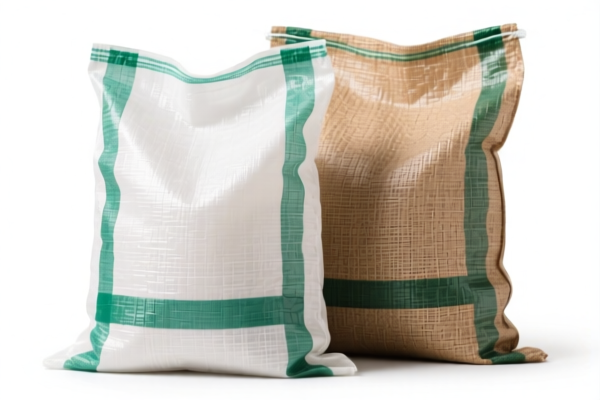
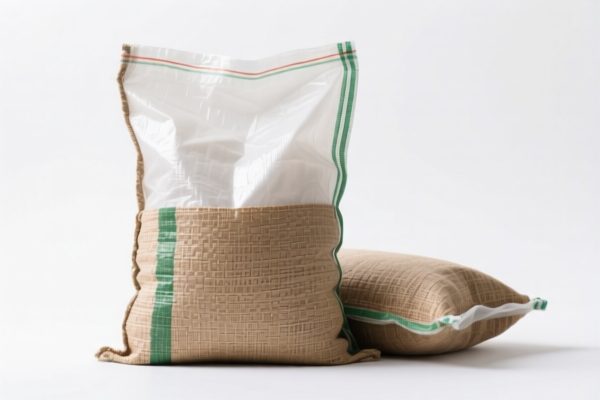
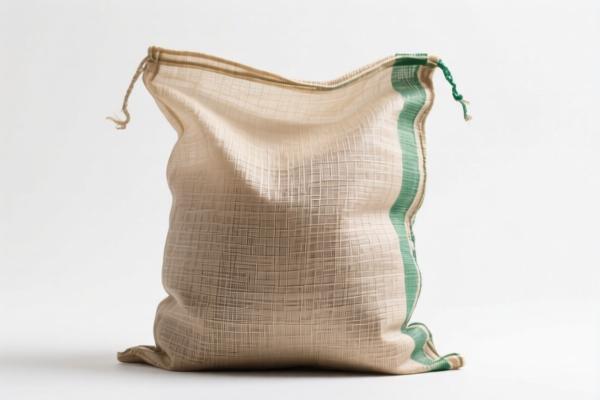
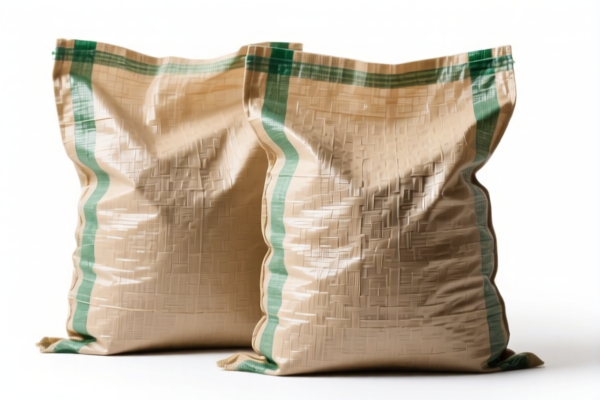
AI分析
🎒 Synthetic Fiber Backpack (人造纤维背包)
🌐 HS Code Classification & Clearance Guide | 2026 Latest Tariff Analysis | Strategic Customs Strategy
📌 I. Product Definition & Classification: What is a "Synthetic Fiber Backpack"?
A Synthetic Fiber Backpack is a bag designed to be worn on the back, primarily used for carrying personal items. In international trade, its classification hinges on two critical factors: 1. Material: "Synthetic Fiber" falls under "Man-made fibers" or "Textile materials" (Section XI or Chapter 42/63 depending on construction). 2. Form/Function: "Backpack" clearly defines the shape and use case, distinguishing it from handbags, suitcases, or simple sacks.
⚠️ Key Distinction Point: - If the backpack is made of leather, fur skin, or plastic sheeting → It typically falls under Chapter 42 (Articles of Leather). - If the backpack is made of textile materials (including synthetic fibers like polyester, nylon) → It generally falls under Chapter 42 (4202) if it has specific characteristics of luggage/bags, OR Chapter 63 if classified as general textile bags. The boundary lies in the specific sub-headings and the "principal material" definition.
📦 II. HS Code Classification Details (2026 Latest Tariff Authority Comparison)
Based on the provided data, here are the four possible HS Code classifications for Synthetic Fiber Backpacks, ranked by total tax burden:
| HS Code | Product Description | Application Scenario | Key Classification Logic | Total Tax Rate |
|---|---|---|---|---|
4202.92.31.20 |
Backpacks, with outer surface of textile materials, of man-made fibers | High-end backpacks, sports bags, or those specifically categorized under "Travel/Sports Goods" in Chapter 42 | "Synthetic Fiber" matches "Man-made fibers"; "Backpack" matches "Backpacks" form. | 52.6% |
4202.92.31.31 |
Backpacks, with outer surface of textile materials, of man-made fibers (Travel/Luggage subclass) | Similar to above, potentially for travel-specific luggage lines | Explicitly includes "Synthetic Fiber" (material) and "Backpack" (use), fitting "Travel-type bags made of textile materials." | 52.6% |
4202.92.15.00 |
Backpacks, with outer surface of textile materials (Other) | General-purpose synthetic fiber backpacks not fitting specific "man-made fiber" high-tax sub-codes | Form: "Backpack" (bag type); Material: "Synthetic Fiber" (textile material). | 41.3% |
6305.39.00.00 |
Sacks and bags, for the packing of goods, of synthetic fibers | Bulk packing bags, reusable shopping bags, or non-travel textile bags | "Synthetic Fiber" matches "Artificial textile materials"; "Backpack" fits "Bag" form; Sub-category: "Other" under synthetic sacks/bags. | 25.9% |
6305.90.00.00 |
Sacks and bags, for the packing of goods, of other textile materials | General textile bags not specified elsewhere | Form: "Bag"; Material: Inferred as "Other textile materials" via "Synthetic Fiber." | 23.7% |
🔍 Critical Analysis: - Chapter 42 vs. Chapter 63: Chapter 42 (4202) is for specific articles of luggage/handbags. Chapter 63 (6305) is for sacks and bags for packing goods. - Risk: Consumer backpacks are usually classified under 4202. If declared as 6305 (packing bags), Customs may argue that a backpack is for personal use (carrying items), not for packing goods for transport. However, if the backpack is marketed as a reusable shopping bag or bulk carrier, 6305 may be argued, leading to lower taxes. - Tax Disparity: The difference between
6305.90.00.00(23.7%) and4202.92.31.20(52.6%) is nearly 30 percentage points. Correct classification is vital.
💰 III. 2026 Latest Tariff Rate Breakdown (Including Surtaxes & Policy Add-ons)
✅ Applicable Country: United States (US)
✅ Origin: China (CN)
✅ Effective Time: From November 10, 2025 (including subsequent imports)
🎯 1. 4202.92.31.20 & 4202.92.31.31 —— High-Tax Category (Man-made Fiber Backpacks)
| Item | Detail |
|---|---|
| Base Duty Rate | 17.6% (Ad Valorem) |
| Section 301 Surcharge | +25.0% |
| Section 122 Surcharge | +10.0% |
| Total Tax Rate | 52.6% |
| Tax Calculation | CIF Value × 52.6% |
| De Minimis Exemption | ❌ Not Eligible (Deny De Minimis) |
| Legal Basis Path | USITC:4202.92.31.20/31 → Section 301: 25% → Section 122: 10% |
📌 Explanation: - These codes fall under Chapter 42, which often attracts higher base duties for manufactured goods. - Section 301 (25%) is the standard tariff on Chinese goods in this category. - Section 122 (10%) is an additional surcharge applicable to certain textile/apparel/luggage imports from China. - Total 52.6% is a very high barrier.
🎯 2. 4202.92.15.00 —— Medium-Tax Category (Other Textile Backpacks)
| Item | Detail |
|---|---|
| Base Duty Rate | 6.3% (Ad Valorem) |
| Section 301 Surcharge | +25.0% |
| Section 122 Surcharge | +10.0% |
| Total Tax Rate | 41.3% |
| Tax Calculation | CIF Value × 41.3% |
| De Minimis Exemption | ❌ Not Eligible |
| Legal Basis Path | USITC:4202.92.15.00 → Section 301: 25% → Section 122: 10% |
📌 Note: - Lower base rate (6.3%) makes this significantly cheaper than the 52.6% category. - Still subject to full Section 301 and 122 surcharges.
🎯 3. 6305.39.00.00 —— Lower-Tax Category (Synthetic Fiber Sacks/Bags)
| Item | Detail |
|---|---|
| Base Duty Rate | 8.4% (Ad Valorem) |
| Section 301 Surcharge | +7.5% |
| Section 122 Surcharge | +10.0% |
| Total Tax Rate | 25.9% |
| Tax Calculation | CIF Value × 25.9% |
| De Minimis Exemption | ❌ Not Eligible |
| Legal Basis Path | USITC:6305.39.00.00 → Section 301: 7.5% → Section 122: 10% |
📌 Note: - Section 301 rate is only 7.5% for Chapter 63 goods, not 25%. This is a crucial savings point. - Base duty is moderate (8.4%).
🎯 4. 6305.90.00.00 —— Lowest-Tax Category (Other Textile Bags)
| Item | Detail |
|---|---|
| Base Duty Rate | 6.2% (Ad Valorem) |
| Section 301 Surcharge | +7.5% |
| Section 122 Surcharge | +10.0% |
| Total Tax Rate | 23.7% |
| Tax Calculation | CIF Value × 23.7% |
| De Minimis Exemption | ❌ Not Eligible |
| Legal Basis Path | USITC:6305.90.00.00 → Section 301: 7.5% → Section 122: 10% |
📌 Note: - Lowest total tax rate: 23.7%. - Risk: Customs may reclassify consumer backpacks from Chapter 63 to Chapter 42 if they are clearly designed for personal wear/carrying rather than "packing goods."
🛠️ IV. Customs Clearance Practical Advice (Avoid Pitfalls Guide)
✅ 1. Essential Documentation Checklist (No Exceptions)
| Document | Required | Description |
|---|---|---|
| ✅ Product Specifications | ✔️ | Dimensions, capacity (L), weight, material composition (e.g., 100% Polyester). |
| ✅ Photos of Product | ✔️ | Clear images showing the backpack, straps, zippers, labels, and any logos/branding. |
| ✅ Commercial Invoice | ✔️ | Must clearly state "Synthetic Fiber Backpack" and HS Code. |
| ✅ Packing List | ✔️ | Item details, quantity, gross/net weight. |
| ✅ Material Test Report | ✔️ | Proof that the material is "Synthetic Fiber" (e.g., Polyester/Nylon) to support Chapter 63/42 argument. |
| ✅ Origin Certificate | ✔️ | If applicable for non-China origins (though surcharges may still apply). |
✅ 2. Declaration Strategy (Key Mantra)
🔥 "Define Use Clearly, Choose Chapter Wisely, Avoid 'Backpack' Trap if Possible!"
| Scenario | Correct Declaration Approach | Wrong Approach |
|---|---|---|
| Consumer Backpack (Personal Use) | Use HS Code 4202 (e.g., 4202.92.15.00). Declare as "Backpack for Personal Use." |
Try to declare as 6305 (Packing Bag) → High risk of reclassification & penalties. |
| Reusable Shopping Bag / Bulk Carrier | Use HS Code 6305 (e.g., 6305.90.00.00). Declare as "Textile Bag for Packing/Shopping." |
Declare as "Backpack" → Triggers Chapter 42 high duties. |
| Sports/Gym Bag | Use HS Code 4202. Declare as "Gym Bag" or "Sports Backpack." | Ambiguous naming → Customs discretion may lead to higher duty. |
| OEM/Custom Backpack | Provide design drawings + material spec. | No documentation → Delayed clearance, possible audits. |
✅ 3. Special Case Handling
| Situation | Handling Advice |
|---|---|
| "Synthetic Fiber" Ambiguity | If the backpack is a mix (e.g., Leather + Fabric), determine the principal material. If textile >50% by weight/value, Chapter 63/42 textile rules apply. |
| Section 122 Applicability | Section 122 (10%) applies to many textile/apparel goods. Ensure your HS Code is checked against the Section 122 list. It applies to both Chapter 42 and 63 in this data set. |
| De Minimis (De Minimis) | ❌ Not Eligible. Section 321 (800 USD exemption) is denied for China-origin goods under Section 301 and Section 122 for these categories. Full duty payment is mandatory. |
| Customs Scrutiny | Customs may challenge Chapter 63 (6305) for backpacks. Be prepared to justify if claiming 23.7% duty. If the item is clearly a consumer backpack, accept the 41.3%-52.6% duty to avoid penalties. |
🌍 V. Global Market Clearance Comparison (2026 Latest)
| Country/Region | Recommended HS Code | Tariff Rate (China Origin) | Certification Required | Notes |
|---|---|---|---|---|
| 🇺🇸 USA | 4202.92.15.00 / 6305.90.00.00 |
41.3% / 23.7% (See breakdown above) | No specific cert, but truthful declaration | High due to Section 301 & 122. |
| 🇨🇳 China | 4202.92 / 6305.39 |
15%-20% (Import Duty) | CCC (if applicable) | No Section 301/122. |
| 🇪🇺 EU | 4202.92 / 6305.39 |
12% - 17% | CE (if safety gear) | No Section 301. |
| 🇬🇧 UK | 4202.92 / 6305.39 |
12% - 17% | UKCA (if safety gear) | Post-Brexit tariffs apply. |
| 🇦🇺 Australia | 4202.92 / 6305.39 |
5% - 10% | None | No Section 301. |
📌 Conclusion: - USA is the most challenging market due to Section 301 (7.5%-25%) and Section 122 (10%). - Chapter 63 (6305) offers significant savings (23.7% vs 41.3%+) but requires careful justification of "packing bag" vs "personal backpack."
📌 VI. Common Errors & Pitfalls (Lessons Learned)
❌ Error 1: Declaring a Consumer Backpack as 6305.90.00.00 to save tax
👉 Consequence: Customs reclassifies to 4202.92.15.00 → Back taxes + 10% penalty!
❌ Error 2: Ignoring Section 122
👉 Consequence: Under-declaring duty by 10% → Audit & Seizure Risk.
❌ Error 3: Assuming De Minimis (800 USD) applies
👉 Consequence: Shipment held, duties assessed, storage fees accrue. De Minimis is denied for China-origin goods in this category.
❌ Error 4: Vague Description: "Bag"
👉 Consequence: Customs uses discretion, likely assigns highest duty code.
✅ Correct Practice:
"Synthetic Fiber Backpack, Polyester, 20L Capacity, for Personal Use, Model XYZ" → Declare under 4202.92.15.00 (41.3%). OR "Reusable Shopping Bag, Synthetic Fiber, for Packing Goods" → Declare under 6305.90.00.00 (23.7%), if it is not a backpack.
🎯 VII. Conclusion: Professional Declaration, Cost Control!
🎯 Remember the Mantra:
🔹 "Backpack = Chapter 42 (Higher Duty), Packing Bag = Chapter 63 (Lower Duty)"
🔹 "Section 122 adds 10% across the board"
🔹 "De Minimis is DEAD for China-origin backpacks"
🔹 "Tax Rate: 52.6% (High) vs 23.7% (Low) - Choose wisely!"
📌 Pro Tip:
If you are importing consumer backpacks, plan for 41.3%-52.6% duty.
If you are importing bulk packaging bags (not for personal wear), you may qualify for 23.7%-25.9%, but ensure product photos and descriptions strictly avoid "backpack" imagery if claiming Chapter 63.
📣 Immediate Action:
📞 Consult a licensed customs broker + Provide product photos + Request Pre-Ruling if unsure about Chapter 42 vs 63. 🚀 Clearance smoothly, reduce costs, maximize profits!
✨ Professional Customs Clearance Starts with Accurate Classification!
💼 Every Cent of Tax Cost Deserves Precise Calculation!
用户评价
关于 HS 编码归类
协调制度(HS)是由世界海关组织(WCO)制定的国际贸易商品分类标准。全球 200 多个国家采用 HS 系统作为海关关税、贸易统计和进出口监管的基础。
每个 HS 编码遵循以下层级结构:
- 章(2 位)——商品大类(例如:第 84 章:机器和机械设备)
- 品目(4 位)——章内的更具体分类
- 子目(6 位)——国际通用细分,所有 WCO 成员国统一使用
- 本国细分(8-10 位)——各国自行扩展的细分编码,如美国 HTSUS 10 位编码
正确的 HS 编码归类对于顺利通关、准确缴纳关税和遵守贸易法规至关重要。错误归类可能导致海关延误、多缴关税或罚款。
从CN进口到US时,适用的关税税率可能包括:
- 最惠国(MFN)税率——适用于 WTO 成员国的标准关税税率
- 普通税率——适用于无贸易协定国家
- 贸易救济关税——附加关税,如 301 条款(反倾销)、232 条款(国家安全)或反补贴税
本页内容仅供参考。如需正式归类,请咨询当地海关或持牌报关代理。