Synthetic Fiber Backpack
CN → US| HS Code | Tariff Rate | Origin | Destination | Doc |
|---|---|---|---|---|
| 4202923120 | 52.6% | CN | US | Official Doc |
| 4202921500 | 41.3% | CN | US | Official Doc |
| 6305390000 | 25.9% | CN | US | Official Doc |
| 6305900000 | 23.7% | CN | US | Official Doc |
| 4202923131 | 52.6% | CN | US | Official Doc |
Product Images
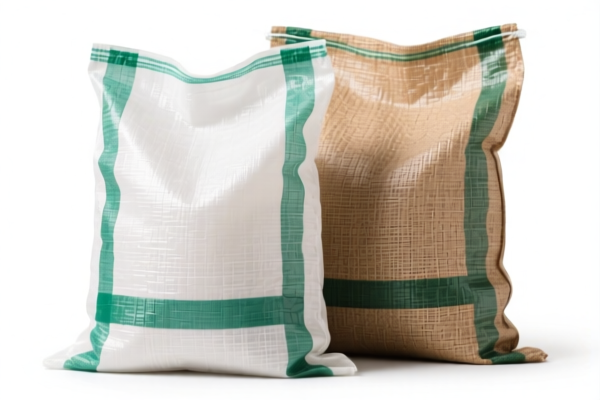
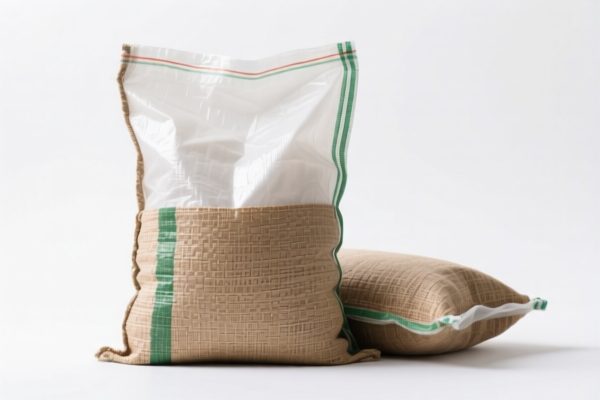
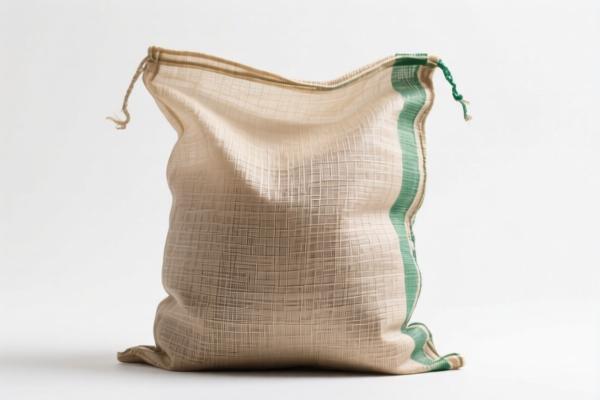
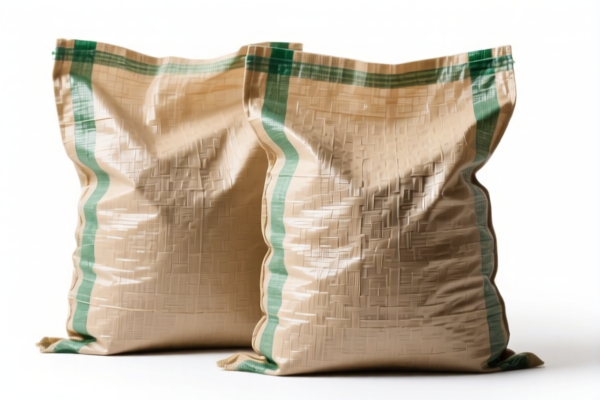
AI Analysis
🎒 Synthetic Fiber Backpack (人造纤维背包)
🌐 HS Code Classification & Clearance Guide | 2026 Latest Tariff Analysis | Strategic Customs Strategy
📌 I. Product Definition & Classification: What is a "Synthetic Fiber Backpack"?
A Synthetic Fiber Backpack is a bag designed to be worn on the back, primarily used for carrying personal items. In international trade, its classification hinges on two critical factors: 1. Material: "Synthetic Fiber" falls under "Man-made fibers" or "Textile materials" (Section XI or Chapter 42/63 depending on construction). 2. Form/Function: "Backpack" clearly defines the shape and use case, distinguishing it from handbags, suitcases, or simple sacks.
⚠️ Key Distinction Point: - If the backpack is made of leather, fur skin, or plastic sheeting → It typically falls under Chapter 42 (Articles of Leather). - If the backpack is made of textile materials (including synthetic fibers like polyester, nylon) → It generally falls under Chapter 42 (4202) if it has specific characteristics of luggage/bags, OR Chapter 63 if classified as general textile bags. The boundary lies in the specific sub-headings and the "principal material" definition.
📦 II. HS Code Classification Details (2026 Latest Tariff Authority Comparison)
Based on the provided data, here are the four possible HS Code classifications for Synthetic Fiber Backpacks, ranked by total tax burden:
| HS Code | Product Description | Application Scenario | Key Classification Logic | Total Tax Rate |
|---|---|---|---|---|
4202.92.31.20 |
Backpacks, with outer surface of textile materials, of man-made fibers | High-end backpacks, sports bags, or those specifically categorized under "Travel/Sports Goods" in Chapter 42 | "Synthetic Fiber" matches "Man-made fibers"; "Backpack" matches "Backpacks" form. | 52.6% |
4202.92.31.31 |
Backpacks, with outer surface of textile materials, of man-made fibers (Travel/Luggage subclass) | Similar to above, potentially for travel-specific luggage lines | Explicitly includes "Synthetic Fiber" (material) and "Backpack" (use), fitting "Travel-type bags made of textile materials." | 52.6% |
4202.92.15.00 |
Backpacks, with outer surface of textile materials (Other) | General-purpose synthetic fiber backpacks not fitting specific "man-made fiber" high-tax sub-codes | Form: "Backpack" (bag type); Material: "Synthetic Fiber" (textile material). | 41.3% |
6305.39.00.00 |
Sacks and bags, for the packing of goods, of synthetic fibers | Bulk packing bags, reusable shopping bags, or non-travel textile bags | "Synthetic Fiber" matches "Artificial textile materials"; "Backpack" fits "Bag" form; Sub-category: "Other" under synthetic sacks/bags. | 25.9% |
6305.90.00.00 |
Sacks and bags, for the packing of goods, of other textile materials | General textile bags not specified elsewhere | Form: "Bag"; Material: Inferred as "Other textile materials" via "Synthetic Fiber." | 23.7% |
🔍 Critical Analysis: - Chapter 42 vs. Chapter 63: Chapter 42 (4202) is for specific articles of luggage/handbags. Chapter 63 (6305) is for sacks and bags for packing goods. - Risk: Consumer backpacks are usually classified under 4202. If declared as 6305 (packing bags), Customs may argue that a backpack is for personal use (carrying items), not for packing goods for transport. However, if the backpack is marketed as a reusable shopping bag or bulk carrier, 6305 may be argued, leading to lower taxes. - Tax Disparity: The difference between
6305.90.00.00(23.7%) and4202.92.31.20(52.6%) is nearly 30 percentage points. Correct classification is vital.
💰 III. 2026 Latest Tariff Rate Breakdown (Including Surtaxes & Policy Add-ons)
✅ Applicable Country: United States (US)
✅ Origin: China (CN)
✅ Effective Time: From November 10, 2025 (including subsequent imports)
🎯 1. 4202.92.31.20 & 4202.92.31.31 —— High-Tax Category (Man-made Fiber Backpacks)
| Item | Detail |
|---|---|
| Base Duty Rate | 17.6% (Ad Valorem) |
| Section 301 Surcharge | +25.0% |
| Section 122 Surcharge | +10.0% |
| Total Tax Rate | 52.6% |
| Tax Calculation | CIF Value × 52.6% |
| De Minimis Exemption | ❌ Not Eligible (Deny De Minimis) |
| Legal Basis Path | USITC:4202.92.31.20/31 → Section 301: 25% → Section 122: 10% |
📌 Explanation: - These codes fall under Chapter 42, which often attracts higher base duties for manufactured goods. - Section 301 (25%) is the standard tariff on Chinese goods in this category. - Section 122 (10%) is an additional surcharge applicable to certain textile/apparel/luggage imports from China. - Total 52.6% is a very high barrier.
🎯 2. 4202.92.15.00 —— Medium-Tax Category (Other Textile Backpacks)
| Item | Detail |
|---|---|
| Base Duty Rate | 6.3% (Ad Valorem) |
| Section 301 Surcharge | +25.0% |
| Section 122 Surcharge | +10.0% |
| Total Tax Rate | 41.3% |
| Tax Calculation | CIF Value × 41.3% |
| De Minimis Exemption | ❌ Not Eligible |
| Legal Basis Path | USITC:4202.92.15.00 → Section 301: 25% → Section 122: 10% |
📌 Note: - Lower base rate (6.3%) makes this significantly cheaper than the 52.6% category. - Still subject to full Section 301 and 122 surcharges.
🎯 3. 6305.39.00.00 —— Lower-Tax Category (Synthetic Fiber Sacks/Bags)
| Item | Detail |
|---|---|
| Base Duty Rate | 8.4% (Ad Valorem) |
| Section 301 Surcharge | +7.5% |
| Section 122 Surcharge | +10.0% |
| Total Tax Rate | 25.9% |
| Tax Calculation | CIF Value × 25.9% |
| De Minimis Exemption | ❌ Not Eligible |
| Legal Basis Path | USITC:6305.39.00.00 → Section 301: 7.5% → Section 122: 10% |
📌 Note: - Section 301 rate is only 7.5% for Chapter 63 goods, not 25%. This is a crucial savings point. - Base duty is moderate (8.4%).
🎯 4. 6305.90.00.00 —— Lowest-Tax Category (Other Textile Bags)
| Item | Detail |
|---|---|
| Base Duty Rate | 6.2% (Ad Valorem) |
| Section 301 Surcharge | +7.5% |
| Section 122 Surcharge | +10.0% |
| Total Tax Rate | 23.7% |
| Tax Calculation | CIF Value × 23.7% |
| De Minimis Exemption | ❌ Not Eligible |
| Legal Basis Path | USITC:6305.90.00.00 → Section 301: 7.5% → Section 122: 10% |
📌 Note: - Lowest total tax rate: 23.7%. - Risk: Customs may reclassify consumer backpacks from Chapter 63 to Chapter 42 if they are clearly designed for personal wear/carrying rather than "packing goods."
🛠️ IV. Customs Clearance Practical Advice (Avoid Pitfalls Guide)
✅ 1. Essential Documentation Checklist (No Exceptions)
| Document | Required | Description |
|---|---|---|
| ✅ Product Specifications | ✔️ | Dimensions, capacity (L), weight, material composition (e.g., 100% Polyester). |
| ✅ Photos of Product | ✔️ | Clear images showing the backpack, straps, zippers, labels, and any logos/branding. |
| ✅ Commercial Invoice | ✔️ | Must clearly state "Synthetic Fiber Backpack" and HS Code. |
| ✅ Packing List | ✔️ | Item details, quantity, gross/net weight. |
| ✅ Material Test Report | ✔️ | Proof that the material is "Synthetic Fiber" (e.g., Polyester/Nylon) to support Chapter 63/42 argument. |
| ✅ Origin Certificate | ✔️ | If applicable for non-China origins (though surcharges may still apply). |
✅ 2. Declaration Strategy (Key Mantra)
🔥 "Define Use Clearly, Choose Chapter Wisely, Avoid 'Backpack' Trap if Possible!"
| Scenario | Correct Declaration Approach | Wrong Approach |
|---|---|---|
| Consumer Backpack (Personal Use) | Use HS Code 4202 (e.g., 4202.92.15.00). Declare as "Backpack for Personal Use." |
Try to declare as 6305 (Packing Bag) → High risk of reclassification & penalties. |
| Reusable Shopping Bag / Bulk Carrier | Use HS Code 6305 (e.g., 6305.90.00.00). Declare as "Textile Bag for Packing/Shopping." |
Declare as "Backpack" → Triggers Chapter 42 high duties. |
| Sports/Gym Bag | Use HS Code 4202. Declare as "Gym Bag" or "Sports Backpack." | Ambiguous naming → Customs discretion may lead to higher duty. |
| OEM/Custom Backpack | Provide design drawings + material spec. | No documentation → Delayed clearance, possible audits. |
✅ 3. Special Case Handling
| Situation | Handling Advice |
|---|---|
| "Synthetic Fiber" Ambiguity | If the backpack is a mix (e.g., Leather + Fabric), determine the principal material. If textile >50% by weight/value, Chapter 63/42 textile rules apply. |
| Section 122 Applicability | Section 122 (10%) applies to many textile/apparel goods. Ensure your HS Code is checked against the Section 122 list. It applies to both Chapter 42 and 63 in this data set. |
| De Minimis (De Minimis) | ❌ Not Eligible. Section 321 (800 USD exemption) is denied for China-origin goods under Section 301 and Section 122 for these categories. Full duty payment is mandatory. |
| Customs Scrutiny | Customs may challenge Chapter 63 (6305) for backpacks. Be prepared to justify if claiming 23.7% duty. If the item is clearly a consumer backpack, accept the 41.3%-52.6% duty to avoid penalties. |
🌍 V. Global Market Clearance Comparison (2026 Latest)
| Country/Region | Recommended HS Code | Tariff Rate (China Origin) | Certification Required | Notes |
|---|---|---|---|---|
| 🇺🇸 USA | 4202.92.15.00 / 6305.90.00.00 |
41.3% / 23.7% (See breakdown above) | No specific cert, but truthful declaration | High due to Section 301 & 122. |
| 🇨🇳 China | 4202.92 / 6305.39 |
15%-20% (Import Duty) | CCC (if applicable) | No Section 301/122. |
| 🇪🇺 EU | 4202.92 / 6305.39 |
12% - 17% | CE (if safety gear) | No Section 301. |
| 🇬🇧 UK | 4202.92 / 6305.39 |
12% - 17% | UKCA (if safety gear) | Post-Brexit tariffs apply. |
| 🇦🇺 Australia | 4202.92 / 6305.39 |
5% - 10% | None | No Section 301. |
📌 Conclusion: - USA is the most challenging market due to Section 301 (7.5%-25%) and Section 122 (10%). - Chapter 63 (6305) offers significant savings (23.7% vs 41.3%+) but requires careful justification of "packing bag" vs "personal backpack."
📌 VI. Common Errors & Pitfalls (Lessons Learned)
❌ Error 1: Declaring a Consumer Backpack as 6305.90.00.00 to save tax
👉 Consequence: Customs reclassifies to 4202.92.15.00 → Back taxes + 10% penalty!
❌ Error 2: Ignoring Section 122
👉 Consequence: Under-declaring duty by 10% → Audit & Seizure Risk.
❌ Error 3: Assuming De Minimis (800 USD) applies
👉 Consequence: Shipment held, duties assessed, storage fees accrue. De Minimis is denied for China-origin goods in this category.
❌ Error 4: Vague Description: "Bag"
👉 Consequence: Customs uses discretion, likely assigns highest duty code.
✅ Correct Practice:
"Synthetic Fiber Backpack, Polyester, 20L Capacity, for Personal Use, Model XYZ" → Declare under 4202.92.15.00 (41.3%). OR "Reusable Shopping Bag, Synthetic Fiber, for Packing Goods" → Declare under 6305.90.00.00 (23.7%), if it is not a backpack.
🎯 VII. Conclusion: Professional Declaration, Cost Control!
🎯 Remember the Mantra:
🔹 "Backpack = Chapter 42 (Higher Duty), Packing Bag = Chapter 63 (Lower Duty)"
🔹 "Section 122 adds 10% across the board"
🔹 "De Minimis is DEAD for China-origin backpacks"
🔹 "Tax Rate: 52.6% (High) vs 23.7% (Low) - Choose wisely!"
📌 Pro Tip:
If you are importing consumer backpacks, plan for 41.3%-52.6% duty.
If you are importing bulk packaging bags (not for personal wear), you may qualify for 23.7%-25.9%, but ensure product photos and descriptions strictly avoid "backpack" imagery if claiming Chapter 63.
📣 Immediate Action:
📞 Consult a licensed customs broker + Provide product photos + Request Pre-Ruling if unsure about Chapter 42 vs 63. 🚀 Clearance smoothly, reduce costs, maximize profits!
✨ Professional Customs Clearance Starts with Accurate Classification!
💼 Every Cent of Tax Cost Deserves Precise Calculation!
Customer Reviews
About HS Code Classification
The Harmonized System (HS) is an internationally standardized nomenclature developed by the World Customs Organization (WCO) to classify traded products. Over 200 countries use the HS system as the basis for customs tariffs, trade statistics, and import/export regulations.
Each HS code follows a hierarchical structure:
- Chapter (2 digits) — Broad category of goods (e.g., Chapter 84: Machinery and Mechanical Appliances)
- Heading (4 digits) — More specific grouping within the chapter
- Subheading (6 digits) — Internationally standardized breakdown, used by all WCO member countries
- National subdivisions (8-10 digits) — Country-specific extensions for further classification, such as US HTSUS 10-digit codes
Correct HS code classification is essential for smooth customs clearance, accurate duty payment, and compliance with trade regulations. Misclassification can lead to customs delays, overpayment of duties, or penalties.
When importing from CN to US, the applicable tariff rates may include:
- Most-Favored-Nation (MFN) rate — The standard duty rate applied to WTO members
- General rate — Applied to countries without trade agreements
- Trade remedy duties — Additional tariffs such as Section 301 (anti-dumping), Section 232 (national security), or countervailing duties
The information provided on this page is for reference purposes only. For official classification, please consult with your local customs authority or a licensed customs broker.