Synthetic Fiber Mixed Plastic/Rubber Gloves
CN → US| HS编码 | 关税税率 | 原产国 | 目的国 | 文档 |
|---|---|---|---|---|
| 4015195100 | 49.0% | CN | US | 官方文档 |
| 6116107510 | 23.2% | CN | US | 官方文档 |
| 6116105510 | 30.7% | CN | US | 官方文档 |
| 4015191110 | 38.0% | CN | US | 官方文档 |
| 3926204050 | 16.5% | CN | US | 官方文档 |
商品图片
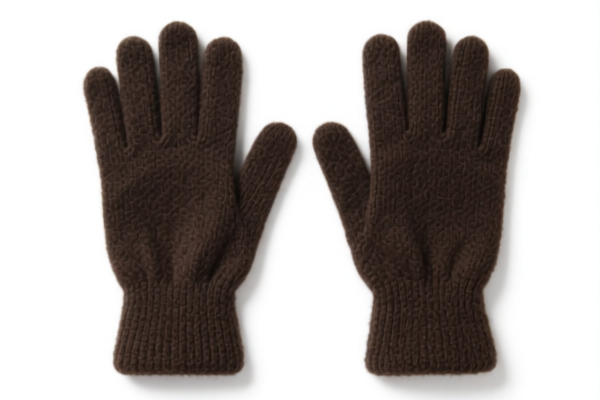
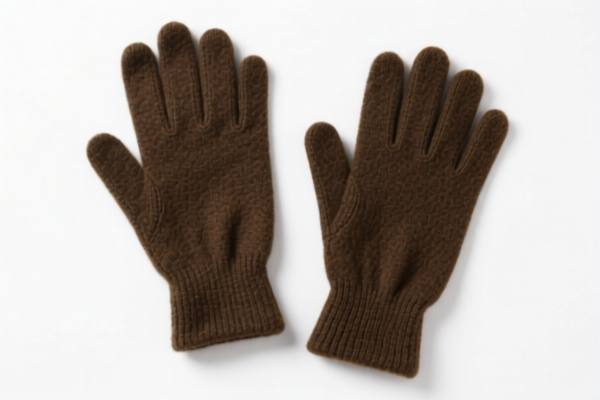
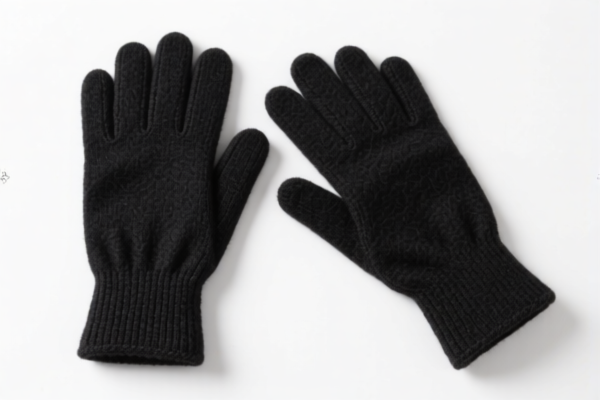
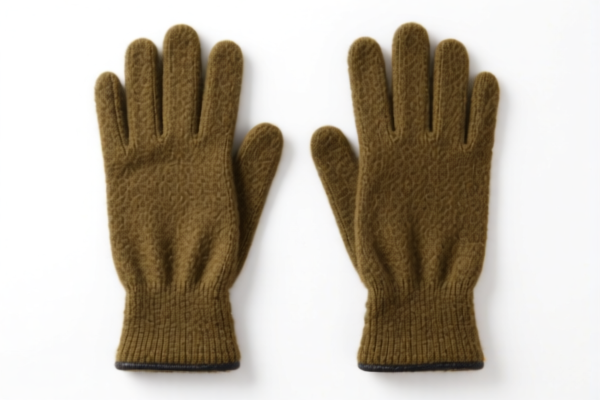
AI分析
🧤 Synthetic Fiber Mixed Plastic/Rubber Gloves: The Ultimate Classification & Duty Guide
🌐 HS Code Reference & Customs Clearance Guide | 2026 Latest Tariff Breakdown | Professional-Level Strategy
📌 I. Product Definition & Classification: What Exactly Are You Importing?
"Synthetic Fiber Mixed Plastic/Rubber Gloves" sounds simple, but in international trade, material composition and manufacturing process dictate your HS Code—and your tax bill. These gloves typically involve a fabric base (synthetic fiber) coated or impregnated with plastics or rubbers.
⚠️ Key Distinction Point:
- If the glove is primarily rubber (sulfurated) with minimal plastic → Chapter 40
- If the glove is primarily textile/fabric with plastic/rubber coating/impregnation → Chapter 61
- If the glove is primarily plastic (non-textile base) → Chapter 39
📦 II. HS Code Classification Details (2026 Latest Tariff Authority Comparison)
| HS Code | Product Description | Key Features | Material Basis |
|---|---|---|---|
4015.19.51.00 |
Gloves of vulcanized rubber, other than medical/surgical | Base: Synthetic fiber; Surface: Coated plastic/rubber; Vulcanized rubber content dominant | Rubber-dominant |
6116.10.75.10 |
Gloves impregnated with plastics | Base: Synthetic fiber; Process: Impregnation | Plastic-impregnated fabric |
6116.10.55.10 |
Gloves coated with plastics | Base: Synthetic fiber; Process: Coating | Plastic-coated fabric |
4015.19.11.10 |
Other vulcanized rubber gloves (non-medical) | Base: Fabric/Rubber mix; Classification: "Other" rubber items | Rubber-based |
3926.20.40.50 |
Other articles of plastic, gloves, non-single-use | Base: Plastic/rubber coating on non-textile or mixed; Non-disposable | Plastic-dominant/Non-single-use |
🔍 Critical Reminder:
- Chapter 40 applies when rubber is the essential character (vulcanized rubber >50% or dominant in function);
- Chapter 61 applies when the textile base is essential, and plastic/rubber is a coating/impregnation;
- Chapter 39 applies when the item is primarily plastic and not classified elsewhere as gloves of Chapter 61.
💰 III. 2026 Latest Tariff Rate Breakdown (Including Additional Duties & Policy Surcharges)
✅ Applicable Country: United States (US)
✅ Origin: China (CN)
✅ Effective Date: November 10, 2025 onward (for subsequent imports)
🎯 1. 4015.19.51.00 —— Gloves of Vulcanized Rubber (Rubber-Dominant)
| Item | Content |
|---|---|
| Base Tariff | 14.0% (ad valorem) |
| Section 301 Surcharge | +25.0% |
| Section 122 Surcharge | +10.0% |
| Total Tariff | 49.0% |
| Tax Calculation | CIF Value × 49.0% |
| De Minimis Exemption | ❌ Not Applicable (deny_de_minimis) |
| Legal Basis Path | USITC:4015.19.51.00 → SECTION301:25% → SECTION122:10% |
📌 Explanation:
- This code falls under Chapter 40 (Rubber), which is heavily taxed due to Section 301 (25%) and Section 122 (10%);
- Total 49% is extremely high; must be planned for in cost analysis.
🎯 2. 6116.10.75.10 —— Gloves Impregnated with Plastics (Fabric-Based)
| Item | Content |
|---|---|
| Base Tariff | 13.2% |
| Section 301 Surcharge | 0.0% |
| Section 122 Surcharge | +10.0% |
| Total Tariff | 23.2% |
| Tax Calculation | CIF Value × 23.2% |
| De Minimis Exemption | ❌ Not Applicable |
| Legal Basis Path | USITC:6116.10.75.10 → SECTION122:10% |
📌 Note:
- Significantly lower than rubber-dominant codes;
- No Section 301 applies here, saving 25% vs. Chapter 40 codes.
🎯 3. 6116.10.55.10 —— Gloves Coated with Plastics (Fabric-Based)
| Item | Content |
|---|---|
| Base Tariff | 13.2% |
| Section 301 Surcharge | +7.5% |
| Section 122 Surcharge | +10.0% |
| Total Tariff | 30.7% |
| Tax Calculation | CIF Value × 30.7% |
| De Minimis Exemption | ❌ Not Applicable |
| Legal Basis Path | USITC:6116.10.55.10 → SECTION301:7.5% → SECTION122:10% |
📌 Note:
- Coating triggers a partial Section 301 surcharge (7.5%), unlike impregnation (0%);
- Still cheaper than Chapter 40 codes.
🎯 4. 4015.19.11.10 —— Other Vulcanized Rubber Gloves (Non-Medical)
| Item | Content |
|---|---|
| Base Tariff | 3.0% |
| Section 301 Surcharge | +25.0% |
| Section 122 Surcharge | +10.0% |
| Total Tariff | 38.0% |
| Tax Calculation | CIF Value × 38.0% |
| De Minimis Exemption | ❌ Not Applicable |
| Legal Basis Path | USITC:4015.19.11.10 → SECTION301:25% → SECTION122:10% |
📌 Note:
- Lower base tariff (3%) but still hit by full Section 301 (25%);
- Total 38% is high but lower than4015.19.51.00(49%).
🎯 5. 3926.20.40.50 —— Other Plastic Articles, Gloves (Non-Single-Use)
| Item | Content |
|---|---|
| Base Tariff | 6.5% |
| Section 301 Surcharge | 0.0% |
| Section 122 Surcharge | +10.0% |
| Total Tariff | 16.5% |
| Tax Calculation | CIF Value × 16.5% |
| De Minimis Exemption | ❌ Not Applicable |
| Legal Basis Path | USITC:3926.20.40.50 → SECTION122:10% |
📌 Note:
- Lowest total tariff at 16.5%;
- Requires proof that gloves are non-single-use and plastic-dominant or mixed with rubber but classified under Chapter 39.
🛠️ IV. Customs Clearance Practical Advice (Pitfall Avoidance Guide)
✅ 1. Required Documentation Checklist (All Mandatory)
| Document | Required? | Notes |
|---|---|---|
| ✅ Product Specification Sheet | ✔️ | Must detail: material composition (fiber %, rubber %, plastic %), coating/impregnation process, single-use vs. reusable |
| ✅ Cross-Sectional Diagram | ✔️ | To prove base material (fabric vs. rubber block) |
| ✅ Product Photos (With Label) | ✔️ | Clear view of text "Synthetic Fiber," "Coated," "Impregnated" |
| ✅ Third-Party Lab Report | ✔️ | Material analysis report (FTIR test) to confirm % composition |
| ✅ Commercial Invoice | ✔️ | Must explicitly state: "Gloves, Synthetic Fiber Base, Coated/Impregnated with Plastic/Rubber, Non-Medical" |
| ✅ Certificate of Origin (CO) | ✔️ | If non-China origin, can apply for preferential rates |
| ✅ Packing List | ✔️ | Must show unit packaging, avoid splitting components |
✅ 2. Declaration Tips (Key Mantras)
🔥 "Base Matters, Coating Counts, Name Precision, Tax Drops!"
| Scenario | Correct Declaration | Wrong Practice |
|---|---|---|
| Rubber-dominant gloves | 4015.19.51.00 or 4015.19.11.10 |
Misdeclare as plastic gloves → 16.5% vs. 49% (but risk of penalty) |
| Fabric + Plastic Coating | 6116.10.55.10 |
Misdeclare as rubber gloves → 30.7% vs. 49% |
| Fabric + Plastic Impregnation | 6116.10.75.10 |
Misdeclare as coated → 23.2% vs. 30.7% |
| Non-single-use Plastic Gloves | 3926.20.40.50 |
Misdeclare as disposable → Higher tax or rejection |
| Mixed Material (Unclear Base) | Provide lab report | Vague description → Customs reclassification + delay |
✅ 3. Special Cases Handling
| Situation | Recommendation |
|---|---|
| OEM Custom Gloves | Provide client order + design specs + material % breakdown |
| Gloves for Medical Use | Must be declared as "Medical Gloves" (Chapter 90), different codes apply |
| Gloves with Reinforced Palm | If rubber palm is dominant, may still fall under Chapter 40 |
| Reusability Claim | To qualify for 3926.20.40.50, must prove non-single-use (thick, durable, reusable packaging) |
🌍 V. Global Market Comparison (2026 Latest)
| Country/Region | Recommended HS Code | Tariff (China Origin) | Certification | Notes |
|---|---|---|---|---|
| 🇺🇸 USA | 3926.20.40.50 |
16.5% (Lowest) | No major | Chapter 61/40 codes hit with Section 301/122 |
| 🇨🇳 China | 6116.10.75.10 |
10% | CCC | Lower base rates, no US-style surcharges |
| 🇪🇺 EU | 6116.10.75.10 |
0–6% | CE, REACH | No Section 301/122 equivalents |
| 🇦🇺 Australia | 6116.10.75.10 |
5% | RCM | Moderate tariffs |
| 🇯🇵 Japan | 6116.10.75.10 |
0–3% | PSE | Very low tariffs |
📌 Conclusion:
- USA has the highest effective tariffs for rubber/plastic gloves due to Section 301 and 122;
- Chapter 39 (3926.20.40.50) offers the lowest US tariff (16.5%) but requires strict "non-single-use" and plastic-dominant proof;
- Chapter 61 (6116.10.75.10) is a safe middle ground (23.2%) for fabric-based gloves.
📌 VI. Common Mistakes & Pitfalls (Blood Lessons)
❌ Mistake 1: Misidentifying coating vs. impregnation
👉 Consequence: 6116.10.55.10 (30.7%) vs. 6116.10.75.10 (23.2%) → 7.5% extra tax
❌ Mistake 2: Claiming "plastic gloves" when rubber is dominant
👉 Consequence: Customs reclassifies to 4015.19.51.00 → 49% tax instead of 16.5% → Huge penalty
❌ Mistake 3: Not providing material composition %
👉 Consequence: Customs cannot determine essential character → Delay + Reinspection + Retention
❌ Mistake 4: Using "Disposable Gloves" for reusable products
👉 Consequence: Cannot claim 3926.20.40.50 → Higher tariff + Compliance issue
✅ Correct Practice:
"Reusable Safety Gloves, Synthetic Fiber Base (70%), Plastic-Coated (30%), Non-Medical, Durable Palm, Model XYZ, Lab-Tested Material Composition"
🎯 VII. Conclusion: Precise Classification Saves Thousands!
🎯 Remember the Mantra:
🔹 "Base Defines Chapter, Coating Defines Tax!"
🔹 "Chapter 40 = High Tax, Chapter 61 = Medium, Chapter 39 = Low!"
🔹 "Lab Report is Your Best Friend!"
📌 Pro Tip:
- If your gloves are originating from Vietnam, Mexico, Thailand, or Malaysia, you may qualify for IEEPA Exemption or FTA Benefits, reducing tariffs to 0–5%;
- Apply for an Advance Ruling (Pre-Ruling) from U.S. Customs before shipment to lock in the HS Code and tariff rate.
📣 Take Action Now:
📞 Engage a Professional Broker + Submit Product Photos + Request Lab Test + Apply for HS Code Pre-Ruling
🚀 Ensure Smooth Clearance, Lower Costs, Higher Margins!
✨ Professional Clearance Starts with Accurate Classification!
💼 Every Cent Saved is Profit Gained!
用户评价
关于 HS 编码归类
协调制度(HS)是由世界海关组织(WCO)制定的国际贸易商品分类标准。全球 200 多个国家采用 HS 系统作为海关关税、贸易统计和进出口监管的基础。
每个 HS 编码遵循以下层级结构:
- 章(2 位)——商品大类(例如:第 84 章:机器和机械设备)
- 品目(4 位)——章内的更具体分类
- 子目(6 位)——国际通用细分,所有 WCO 成员国统一使用
- 本国细分(8-10 位)——各国自行扩展的细分编码,如美国 HTSUS 10 位编码
正确的 HS 编码归类对于顺利通关、准确缴纳关税和遵守贸易法规至关重要。错误归类可能导致海关延误、多缴关税或罚款。
从CN进口到US时,适用的关税税率可能包括:
- 最惠国(MFN)税率——适用于 WTO 成员国的标准关税税率
- 普通税率——适用于无贸易协定国家
- 贸易救济关税——附加关税,如 301 条款(反倾销)、232 条款(国家安全)或反补贴税
本页内容仅供参考。如需正式归类,请咨询当地海关或持牌报关代理。