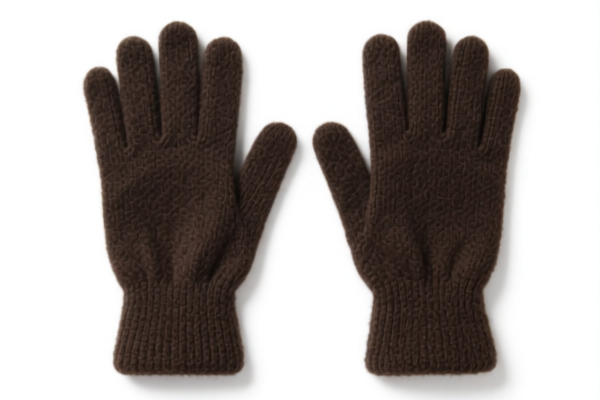
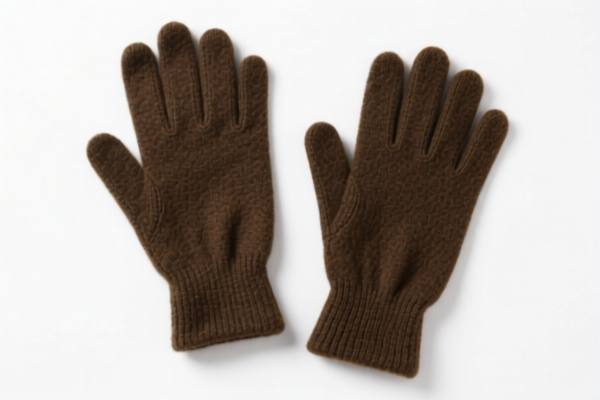
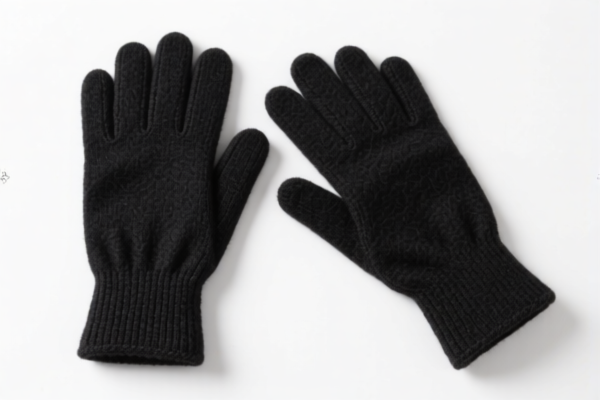
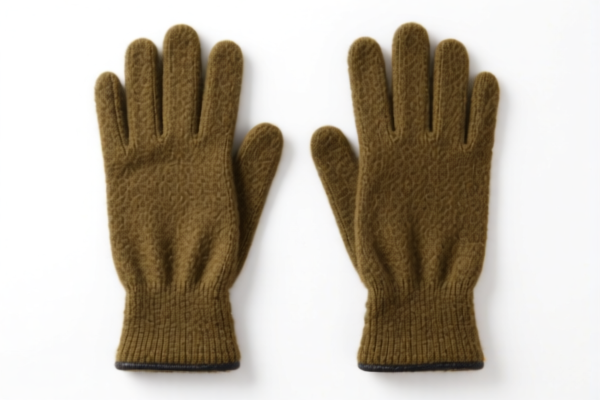
Synthetic Fiber Mixed Plastic/Rubber Gloves
CN → US| HS Code | Tariff Rate | Origin | Destination | Doc |
|---|---|---|---|---|
| 4015195100 | 49.0% | CN | US | Official Doc |
| 6116107510 | 23.2% | CN | US | Official Doc |
| 6116105510 | 30.7% | CN | US | Official Doc |
| 4015191110 | 38.0% | CN | US | Official Doc |
| 3926204050 | 16.5% | CN | US | Official Doc |
Product Images
AI Analysis
🧤 Synthetic Fiber Mixed Plastic/Rubber Gloves: The Ultimate Classification & Duty Guide
🌐 HS Code Reference & Customs Clearance Guide | 2026 Latest Tariff Breakdown | Professional-Level Strategy
📌 I. Product Definition & Classification: What Exactly Are You Importing?
"Synthetic Fiber Mixed Plastic/Rubber Gloves" sounds simple, but in international trade, material composition and manufacturing process dictate your HS Code—and your tax bill. These gloves typically involve a fabric base (synthetic fiber) coated or impregnated with plastics or rubbers.
⚠️ Key Distinction Point:
- If the glove is primarily rubber (sulfurated) with minimal plastic → Chapter 40
- If the glove is primarily textile/fabric with plastic/rubber coating/impregnation → Chapter 61
- If the glove is primarily plastic (non-textile base) → Chapter 39
📦 II. HS Code Classification Details (2026 Latest Tariff Authority Comparison)
| HS Code | Product Description | Key Features | Material Basis |
|---|---|---|---|
4015.19.51.00 |
Gloves of vulcanized rubber, other than medical/surgical | Base: Synthetic fiber; Surface: Coated plastic/rubber; Vulcanized rubber content dominant | Rubber-dominant |
6116.10.75.10 |
Gloves impregnated with plastics | Base: Synthetic fiber; Process: Impregnation | Plastic-impregnated fabric |
6116.10.55.10 |
Gloves coated with plastics | Base: Synthetic fiber; Process: Coating | Plastic-coated fabric |
4015.19.11.10 |
Other vulcanized rubber gloves (non-medical) | Base: Fabric/Rubber mix; Classification: "Other" rubber items | Rubber-based |
3926.20.40.50 |
Other articles of plastic, gloves, non-single-use | Base: Plastic/rubber coating on non-textile or mixed; Non-disposable | Plastic-dominant/Non-single-use |
🔍 Critical Reminder:
- Chapter 40 applies when rubber is the essential character (vulcanized rubber >50% or dominant in function);
- Chapter 61 applies when the textile base is essential, and plastic/rubber is a coating/impregnation;
- Chapter 39 applies when the item is primarily plastic and not classified elsewhere as gloves of Chapter 61.
💰 III. 2026 Latest Tariff Rate Breakdown (Including Additional Duties & Policy Surcharges)
✅ Applicable Country: United States (US)
✅ Origin: China (CN)
✅ Effective Date: November 10, 2025 onward (for subsequent imports)
🎯 1. 4015.19.51.00 —— Gloves of Vulcanized Rubber (Rubber-Dominant)
| Item | Content |
|---|---|
| Base Tariff | 14.0% (ad valorem) |
| Section 301 Surcharge | +25.0% |
| Section 122 Surcharge | +10.0% |
| Total Tariff | 49.0% |
| Tax Calculation | CIF Value × 49.0% |
| De Minimis Exemption | ❌ Not Applicable (deny_de_minimis) |
| Legal Basis Path | USITC:4015.19.51.00 → SECTION301:25% → SECTION122:10% |
📌 Explanation:
- This code falls under Chapter 40 (Rubber), which is heavily taxed due to Section 301 (25%) and Section 122 (10%);
- Total 49% is extremely high; must be planned for in cost analysis.
🎯 2. 6116.10.75.10 —— Gloves Impregnated with Plastics (Fabric-Based)
| Item | Content |
|---|---|
| Base Tariff | 13.2% |
| Section 301 Surcharge | 0.0% |
| Section 122 Surcharge | +10.0% |
| Total Tariff | 23.2% |
| Tax Calculation | CIF Value × 23.2% |
| De Minimis Exemption | ❌ Not Applicable |
| Legal Basis Path | USITC:6116.10.75.10 → SECTION122:10% |
📌 Note:
- Significantly lower than rubber-dominant codes;
- No Section 301 applies here, saving 25% vs. Chapter 40 codes.
🎯 3. 6116.10.55.10 —— Gloves Coated with Plastics (Fabric-Based)
| Item | Content |
|---|---|
| Base Tariff | 13.2% |
| Section 301 Surcharge | +7.5% |
| Section 122 Surcharge | +10.0% |
| Total Tariff | 30.7% |
| Tax Calculation | CIF Value × 30.7% |
| De Minimis Exemption | ❌ Not Applicable |
| Legal Basis Path | USITC:6116.10.55.10 → SECTION301:7.5% → SECTION122:10% |
📌 Note:
- Coating triggers a partial Section 301 surcharge (7.5%), unlike impregnation (0%);
- Still cheaper than Chapter 40 codes.
🎯 4. 4015.19.11.10 —— Other Vulcanized Rubber Gloves (Non-Medical)
| Item | Content |
|---|---|
| Base Tariff | 3.0% |
| Section 301 Surcharge | +25.0% |
| Section 122 Surcharge | +10.0% |
| Total Tariff | 38.0% |
| Tax Calculation | CIF Value × 38.0% |
| De Minimis Exemption | ❌ Not Applicable |
| Legal Basis Path | USITC:4015.19.11.10 → SECTION301:25% → SECTION122:10% |
📌 Note:
- Lower base tariff (3%) but still hit by full Section 301 (25%);
- Total 38% is high but lower than4015.19.51.00(49%).
🎯 5. 3926.20.40.50 —— Other Plastic Articles, Gloves (Non-Single-Use)
| Item | Content |
|---|---|
| Base Tariff | 6.5% |
| Section 301 Surcharge | 0.0% |
| Section 122 Surcharge | +10.0% |
| Total Tariff | 16.5% |
| Tax Calculation | CIF Value × 16.5% |
| De Minimis Exemption | ❌ Not Applicable |
| Legal Basis Path | USITC:3926.20.40.50 → SECTION122:10% |
📌 Note:
- Lowest total tariff at 16.5%;
- Requires proof that gloves are non-single-use and plastic-dominant or mixed with rubber but classified under Chapter 39.
🛠️ IV. Customs Clearance Practical Advice (Pitfall Avoidance Guide)
✅ 1. Required Documentation Checklist (All Mandatory)
| Document | Required? | Notes |
|---|---|---|
| ✅ Product Specification Sheet | ✔️ | Must detail: material composition (fiber %, rubber %, plastic %), coating/impregnation process, single-use vs. reusable |
| ✅ Cross-Sectional Diagram | ✔️ | To prove base material (fabric vs. rubber block) |
| ✅ Product Photos (With Label) | ✔️ | Clear view of text "Synthetic Fiber," "Coated," "Impregnated" |
| ✅ Third-Party Lab Report | ✔️ | Material analysis report (FTIR test) to confirm % composition |
| ✅ Commercial Invoice | ✔️ | Must explicitly state: "Gloves, Synthetic Fiber Base, Coated/Impregnated with Plastic/Rubber, Non-Medical" |
| ✅ Certificate of Origin (CO) | ✔️ | If non-China origin, can apply for preferential rates |
| ✅ Packing List | ✔️ | Must show unit packaging, avoid splitting components |
✅ 2. Declaration Tips (Key Mantras)
🔥 "Base Matters, Coating Counts, Name Precision, Tax Drops!"
| Scenario | Correct Declaration | Wrong Practice |
|---|---|---|
| Rubber-dominant gloves | 4015.19.51.00 or 4015.19.11.10 |
Misdeclare as plastic gloves → 16.5% vs. 49% (but risk of penalty) |
| Fabric + Plastic Coating | 6116.10.55.10 |
Misdeclare as rubber gloves → 30.7% vs. 49% |
| Fabric + Plastic Impregnation | 6116.10.75.10 |
Misdeclare as coated → 23.2% vs. 30.7% |
| Non-single-use Plastic Gloves | 3926.20.40.50 |
Misdeclare as disposable → Higher tax or rejection |
| Mixed Material (Unclear Base) | Provide lab report | Vague description → Customs reclassification + delay |
✅ 3. Special Cases Handling
| Situation | Recommendation |
|---|---|
| OEM Custom Gloves | Provide client order + design specs + material % breakdown |
| Gloves for Medical Use | Must be declared as "Medical Gloves" (Chapter 90), different codes apply |
| Gloves with Reinforced Palm | If rubber palm is dominant, may still fall under Chapter 40 |
| Reusability Claim | To qualify for 3926.20.40.50, must prove non-single-use (thick, durable, reusable packaging) |
🌍 V. Global Market Comparison (2026 Latest)
| Country/Region | Recommended HS Code | Tariff (China Origin) | Certification | Notes |
|---|---|---|---|---|
| 🇺🇸 USA | 3926.20.40.50 |
16.5% (Lowest) | No major | Chapter 61/40 codes hit with Section 301/122 |
| 🇨🇳 China | 6116.10.75.10 |
10% | CCC | Lower base rates, no US-style surcharges |
| 🇪🇺 EU | 6116.10.75.10 |
0–6% | CE, REACH | No Section 301/122 equivalents |
| 🇦🇺 Australia | 6116.10.75.10 |
5% | RCM | Moderate tariffs |
| 🇯🇵 Japan | 6116.10.75.10 |
0–3% | PSE | Very low tariffs |
📌 Conclusion:
- USA has the highest effective tariffs for rubber/plastic gloves due to Section 301 and 122;
- Chapter 39 (3926.20.40.50) offers the lowest US tariff (16.5%) but requires strict "non-single-use" and plastic-dominant proof;
- Chapter 61 (6116.10.75.10) is a safe middle ground (23.2%) for fabric-based gloves.
📌 VI. Common Mistakes & Pitfalls (Blood Lessons)
❌ Mistake 1: Misidentifying coating vs. impregnation
👉 Consequence: 6116.10.55.10 (30.7%) vs. 6116.10.75.10 (23.2%) → 7.5% extra tax
❌ Mistake 2: Claiming "plastic gloves" when rubber is dominant
👉 Consequence: Customs reclassifies to 4015.19.51.00 → 49% tax instead of 16.5% → Huge penalty
❌ Mistake 3: Not providing material composition %
👉 Consequence: Customs cannot determine essential character → Delay + Reinspection + Retention
❌ Mistake 4: Using "Disposable Gloves" for reusable products
👉 Consequence: Cannot claim 3926.20.40.50 → Higher tariff + Compliance issue
✅ Correct Practice:
"Reusable Safety Gloves, Synthetic Fiber Base (70%), Plastic-Coated (30%), Non-Medical, Durable Palm, Model XYZ, Lab-Tested Material Composition"
🎯 VII. Conclusion: Precise Classification Saves Thousands!
🎯 Remember the Mantra:
🔹 "Base Defines Chapter, Coating Defines Tax!"
🔹 "Chapter 40 = High Tax, Chapter 61 = Medium, Chapter 39 = Low!"
🔹 "Lab Report is Your Best Friend!"
📌 Pro Tip:
- If your gloves are originating from Vietnam, Mexico, Thailand, or Malaysia, you may qualify for IEEPA Exemption or FTA Benefits, reducing tariffs to 0–5%;
- Apply for an Advance Ruling (Pre-Ruling) from U.S. Customs before shipment to lock in the HS Code and tariff rate.
📣 Take Action Now:
📞 Engage a Professional Broker + Submit Product Photos + Request Lab Test + Apply for HS Code Pre-Ruling
🚀 Ensure Smooth Clearance, Lower Costs, Higher Margins!
✨ Professional Clearance Starts with Accurate Classification!
💼 Every Cent Saved is Profit Gained!
Customer Reviews
About HS Code Classification
The Harmonized System (HS) is an internationally standardized nomenclature developed by the World Customs Organization (WCO) to classify traded products. Over 200 countries use the HS system as the basis for customs tariffs, trade statistics, and import/export regulations.
Each HS code follows a hierarchical structure:
- Chapter (2 digits) — Broad category of goods (e.g., Chapter 84: Machinery and Mechanical Appliances)
- Heading (4 digits) — More specific grouping within the chapter
- Subheading (6 digits) — Internationally standardized breakdown, used by all WCO member countries
- National subdivisions (8-10 digits) — Country-specific extensions for further classification, such as US HTSUS 10-digit codes
Correct HS code classification is essential for smooth customs clearance, accurate duty payment, and compliance with trade regulations. Misclassification can lead to customs delays, overpayment of duties, or penalties.
When importing from CN to US, the applicable tariff rates may include:
- Most-Favored-Nation (MFN) rate — The standard duty rate applied to WTO members
- General rate — Applied to countries without trade agreements
- Trade remedy duties — Additional tariffs such as Section 301 (anti-dumping), Section 232 (national security), or countervailing duties
The information provided on this page is for reference purposes only. For official classification, please consult with your local customs authority or a licensed customs broker.