Synthetic Short Fiber Yarn Jacquard
CN → US| HS编码 | 关税税率 | 原产国 | 目的国 | 文档 |
|---|---|---|---|---|
| 5509210000 | 44.7% | CN | US | 官方文档 |
| 5509110000 | 44.4% | CN | US | 官方文档 |
| 5511100060 | 42.5% | CN | US | 官方文档 |
| 5508200000 | 46.0% | CN | US | 官方文档 |
商品图片
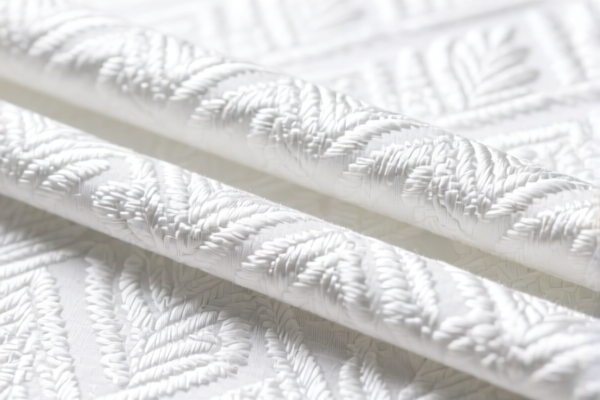
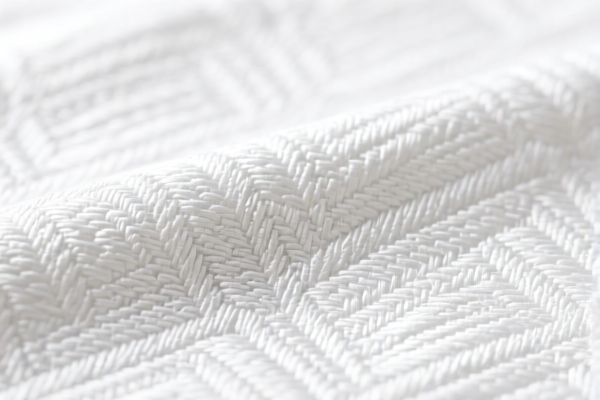
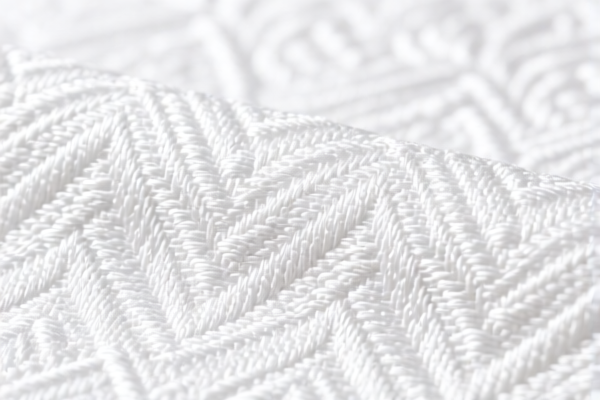
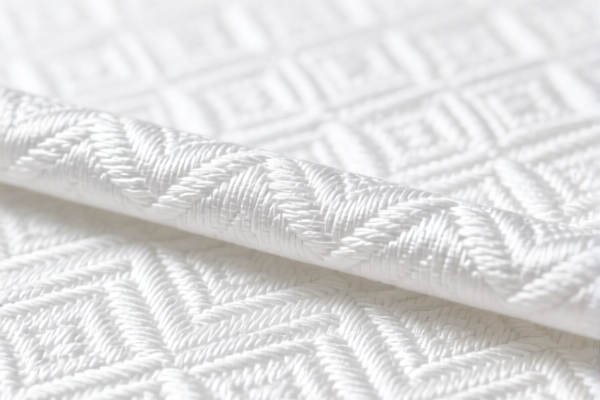
AI分析
🧵 Synthetic Short Fiber Yarn for Jacquard Fabrics (Synthetic Staple Fiber Yarn)
🌐 HS Code Reference & Customs Clearance Guide | 2026 Latest Tariff Analysis | Professional Clearance Strategy
📌 I. Product Definition & Classification: Do You Really Understand "Jacquard Yarn"?
Synthetic Short Fiber Yarn refers to yarns made from man-made staple fibers (such as polyester, nylon, acrylic, etc.) that are spun into continuous strands. In international trade, these are primarily classified under Chapter 55 (Man-made Staple Fibers).
When the product is specifically designated for "Jacquard Fabrics" (提花织物用合成短纤纱线), it implies high-quality, often multi-color or textured yarns used in complex weaving patterns.
⚠️ Key Distinction Point:
- Material: Must be Synthetic Staple Fiber (e.g., Polyester staple, Nylon staple).
- Form: Yarn (not filament, not raw fiber).
- End-use: Specifically mentioned as suitable for Jacquard weaving, implying standard yarn forms suitable for looms.
- Exclusion: It is NOT "Filament Yarn" (which falls under different HS codes with different tax rates).
- Exclusion: It is NOT "Sewing Thread" (which has a specific HS code 5508.20).
📦 II. HS Code Classification Details (2026 Latest Tariff Authority Comparison)
Based on the provided <DATA>, here are the relevant HS Codes for Synthetic Short Fiber Yarn, including those suitable for Jacquard applications.
| HS Code | Product Description | Applicable Scenario | Material Type | Tax Rate (Total) |
|---|---|---|---|---|
5509.21.00.00 |
Synthetic Staple Fiber Yarn, suitable for Jacquard fabrics | High-quality Jacquard weaving, multi-color yarns | Polyester/Acrylic Staple | 44.7% |
5509.21.00.00 |
Synthetic Staple Fiber Yarn, meets material & form requirements | General synthetic staple yarn | Polyester/Acrylic Staple | 44.7% |
5509.11.00.00 |
Synthetic Staple Fiber Yarn, made of Nylon/Polyamide | Nylon staple fiber yarn | Nylon/Polyamide Staple | 44.4% |
5511.10.00.60 |
Synthetic Short Fiber Yarn, inferred as Synthetic Filament | Ambiguous classification (High Risk) | Inferred as Filament? | 42.5% |
5508.20.00.00 |
Synthetic Staple Fiber Yarn, related to Sewing Thread | If classified specifically as sewing thread | Artificial Staple | 46.0% |
🔍 Critical Reminder:
- The prompt specifies "Jacquard Fabrics". Jacquard fabrics are typically woven using staple fiber yarns (like polyester or nylon) rather than continuous filaments for texture and durability.
-5509.21.00.00is the most accurate classification for Polyester/Acrylic Staple Yarn suitable for Jacquard.
-5509.11.00.00is for Nylon/Polyamide Staple Yarn.
- Avoid5511.10.00.60unless the product is definitively Filament Yarn (long continuous fibers), which contradicts "Short Fiber" (Staple). Misclassification here leads to severe penalties.
- Avoid5508.20.00.00unless the yarn is explicitly Sewing Thread. While sewing thread is a type of yarn, Jacquard weaving yarn is generally not classified as sewing thread.
💰 III. 2026 Latest Tariff Rate Details (Including Additional Taxes & Policy Add-ons)
✅ Applicable Country: USA (US)
✅ Country of Origin: China (CN)
✅ Effective Date: From November 10, 2025 (including subsequent imports)
🎯 1. 5509.21.00.00 —— Synthetic Staple Fiber Yarn (Polyester/Acrylic) – Recommended for Jacquard
| Item | Content |
|---|---|
| Base Tariff Rate | 9.7% (ad valorem) |
| Section 301 Additional Tariff | +25.0% |
| Section 122 Tariff | +10.0% |
| Total Tax Rate | 44.7% |
| Tax Calculation | CIF Value × 44.7% |
| De Minimis Exemption | ❌ Not Eligible (deny_de_minimis) |
| Legal Basis Path | USITC:5509.21.00.00 → Section301:25% → Section122:10% |
📌 Explanation:
- Base 9.7%: Standard MFN rate for synthetic staple fiber yarn.
- Section 301 (25%): Standard additional tariff on many Chinese goods.
- Section 122 (10%): Additional tariff under the Trade Facilitation and Trade Enforcement Act (often applied to certain textiles/apparel components depending on specific rulings).
- Total 44.7%: This is a very high tariff. Accurate classification is crucial to avoid overpayment or penalties.
🎯 2. 5509.11.00.00 —— Synthetic Staple Fiber Yarn (Nylon/Polyamide)
| Item | Content |
|---|---|
| Base Tariff Rate | 9.4% (ad valorem) |
| Section 301 Additional Tariff | +25.0% |
| Section 122 Tariff | +10.0% |
| Total Tax Rate | 44.4% |
| Tax Calculation | CIF Value × 44.4% |
| De Minimis Exemption | ❌ Not Eligible |
| Legal Basis Path | USITC:5509.11.00.00 → Section301:25% → Section122:10% |
📌 Note:
- If your Jacquard yarn is made of Nylon (Polyamide), use this code. The tax rate is slightly lower (44.4%) compared to Polyester/Acrylic (44.7%), but still very high.
🎯 3. 5508.20.00.00 —— Sewing Thread (Artificial Staple) – Risk Warning
| Item | Content |
|---|---|
| Base Tariff Rate | 11.0% (ad valorem) |
| Section 301 Additional Tariff | +25.0% |
| Section 122 Tariff | +10.0% |
| Total Tax Rate | 46.0% |
| Tax Calculation | CIF Value × 46.0% |
| De Minimis Exemption | ❌ Not Eligible |
📌 Warning:
- Only classify as 5508.20 if the product is explicitly for sewing machines.
- If you misclassify Jacquard weaving yarn as sewing thread, you may face higher taxes (46.0%) and potential penalties for incorrect declaration.
🎯 4. 5511.10.00.60 —— Ambiguous Classification (Inferred Filament)
| Item | Content |
|---|---|
| Base Tariff Rate | 7.5% (ad valorem) |
| Section 301 Additional Tariff | +25.0% |
| Section 122 Tariff | +10.0% |
| Total Tax Rate | 42.5% |
| Tax Calculation | CIF Value × 42.5% |
📌 Caution:
- This code is listed as "Synthetic Short Fiber Yarn... inferred as Synthetic Filament."
- "Short Fiber" (Staple) and "Filament" are fundamentally different.
- If your product is Staple Fiber (cut fibers spun together), it CANNOT be classified under5511(Filament Yarn).
- Misclassifying Staple as Filament to get a lower base rate (7.5% vs 9.7%) is a high-risk audit trigger. Customs may reclassify and impose penalties.
🛠️ IV. Customs Clearance Practical Advice (Real-World Pitfall Avoidance)
✅ 1. Required Documentation Checklist (No Exceptions)
| Document | Mandatory? | Description |
|---|---|---|
| ✅ Product Specification Sheet | ✔️ | Must specify: Fiber type (Polyester/Nylon), Fiber length (Staple vs. Filament), Denier, Twist, End-use (Jacquard Weaving). |
| ✅ Photos of Yarn & Label | ✔️ | Clear images of the yarn spool, label showing "Synthetic Staple Fiber," and product name. |
| ✅ Commercial Invoice | ✔️ | Must clearly state: "Synthetic Staple Fiber Yarn for Jacquard Fabric," NOT "Sewing Thread" or "Filament." |
| ✅ Packing List | ✔️ | Detail weight, quantity, and packaging type. |
| ✅ Origin Certificate | ✔️ | If claiming exemptions (e.g., from non-China origins), though Section 301/122 often still apply. |
✅ 2. Declaration Tips (Key Mnemonic)
🔥 "Staple is 5509, Filament is 5511, Sewing is 5508. Get it wrong, pay more!"
| Scenario | Correct Declaration | Incorrect Practice |
|---|---|---|
| Polyester Jacquard Yarn | 5509.21.00.00 (Synthetic Staple) |
Misclassified as 5511 (Filament) → Audit Risk |
| Nylon Jacquard Yarn | 5509.11.00.00 (Synthetic Staple) |
Misclassified as 5508 (Sewing) → Higher Tax (46.0%) |
| Sewing Thread | 5508.20.00.00 |
Misclassified as 5509 Weaving Yarn → Potential Penalty |
| Ambiguous "Short Fiber" | Clarify Staple vs. Filament | Using 5511.10.00.60 for Staple → High Audit Risk |
✅ 3. Special Cases Handling
| Case | Handling Advice |
|---|---|
| Multi-color Jacquard Yarn | Declare as single HS Code if the fiber type and staple nature are identical. Color does not change HS classification. |
| Mixed Fiber Yarn | If blended (e.g., Polyester/Cotton), classification may change. For Synthetic Staple >50%, use Chapter 55. |
| OEM Custom Yarn | Provide customer design specs. Clearly state "For Jacquard Looms." |
| Pre-Cut vs. Spooled | Form (spooled, cone, cake) does not affect HS Code, but must be declared accurately in description. |
🌍 V. Global Market Clearance Comparison (2026 Latest)
| Country/Region | Recommended HS Code | Tariff (China Origin) | Certification Requirements | Notes |
|---|---|---|---|---|
| 🇺🇸 USA | 5509.21.00.00 |
44.7% | None specific for yarn | High Section 301/122 tariffs. De Minimis exempt. |
| 🇨🇳 China | 5509.21.00.00 |
~5-9% (VAT 13%) | N/A | Lower tariffs than US. |
| 🇪🇺 EU | 5509.21.00 |
~0-10% (Varies) | REACH (Chemicals) | No Section 301/122. |
| 🇬🇧 UK | 5509.21.00 |
~0-10% | UKCA (if applicable) | Post-Brexit rules. |
| 🇯🇵 Japan | 5509.21.00 |
~0-5% | JIS Standards | Low tariffs. |
📌 Conclusion:
- USA is the most expensive market for synthetic staple fiber yarn due to Section 301 (25%) and Section 122 (10%) tariffs.
- Accurate classification is critical to avoid 46.0% (Sewing Thread) or audit penalties.
- No De Minimis exemption means even small shipments are subject to full tariff calculation.
📌 VI. Common Errors & Pitfall Guide (Lessons from Experience)
❌ Mistake 1: Classifying Jacquard Weaving Yarn as Sewing Thread (5508.20)
👉 Consequence: Higher tax rate (46.0% vs 44.7%) and potential penalty for misdescription.
👉 Fix: Use 5509.21.00.00 for weaving yarn.
❌ Mistake 2: Classifying Staple Fiber Yarn as Filament Yarn (5511)
👉 Consequence: High audit risk. Customs may reclassify and impose penalties for incorrect declaration.
👉 Fix: Ensure product description clearly states "Staple Fiber" or "Short Fiber."
❌ Mistake 3: Assuming De Minimis applies to yarn shipments
👉 Consequence: Even small shipments are subject to full tariffs (44.7%).
👉 Fix: Plan for full tax payment regardless of shipment size.
❌ Mistake 4: Vague Product Description ("Synthetic Yarn")
👉 Consequence: Customs may delay release for further classification.
👉 Fix: Use precise description: "100% Polyester Staple Fiber Yarn, 20s/2, for Jacquard Weaving."
✅ Correct Practice:
"100% Polyester Synthetic Staple Fiber Yarn, 20s/2, Twist, For Jacquard Fabric Weaving, Model XYZ, Certified Oeko-Tex"
🎯 VII. Conclusion: Professional Declaration, Save Time, Reduce Costs!
🎯 Remember the Mnemonic:
🔹 "Staple is 5509, Filament is 5511, Sewing is 5508. Get it right, save money!"
🔹 "HS Code determines destiny, tax rate varies by 2-3%, one mistake costs thousands!"
📌 Pro Tip:
If your yarn is not originally from China (e.g., made in Vietnam, India, or Turkey), you may avoid Section 301 tariffs, but Section 122 may still apply depending on final assembly.
Recommendation: Apply for a Pre-Ruling (Advance Ruling) from US Customs and Border Protection (CBP) if you have large, consistent shipments. This ensures classification certainty and avoids retroactive penalties.
📣 Immediate Action:
📞 Contact a professional customs broker + Provide product specs + Apply for HS Code Pre-Ruling
🚀 Let your yarn clear customs smoothly, boost efficiency, and maximize profits!
✨ Professional Customs Clearance Starts with Accurate Classification!
💼 Every cent of cost deserves precise calculation!
用户评价
关于 HS 编码归类
协调制度(HS)是由世界海关组织(WCO)制定的国际贸易商品分类标准。全球 200 多个国家采用 HS 系统作为海关关税、贸易统计和进出口监管的基础。
每个 HS 编码遵循以下层级结构:
- 章(2 位)——商品大类(例如:第 84 章:机器和机械设备)
- 品目(4 位)——章内的更具体分类
- 子目(6 位)——国际通用细分,所有 WCO 成员国统一使用
- 本国细分(8-10 位)——各国自行扩展的细分编码,如美国 HTSUS 10 位编码
正确的 HS 编码归类对于顺利通关、准确缴纳关税和遵守贸易法规至关重要。错误归类可能导致海关延误、多缴关税或罚款。
从CN进口到US时,适用的关税税率可能包括:
- 最惠国(MFN)税率——适用于 WTO 成员国的标准关税税率
- 普通税率——适用于无贸易协定国家
- 贸易救济关税——附加关税,如 301 条款(反倾销)、232 条款(国家安全)或反补贴税
本页内容仅供参考。如需正式归类,请咨询当地海关或持牌报关代理。