Synthetic Staple Fibre Fabric
CN → US| HS编码 | 关税税率 | 原产国 | 目的国 | 文档 |
|---|---|---|---|---|
| 5512190005 | 48.6% | CN | US | 官方文档 |
| 5407420030 | 49.9% | CN | US | 官方文档 |
| 5407522020 | 49.9% | CN | US | 官方文档 |
| 5513130090 | 49.9% | CN | US | 官方文档 |
| 5513230191 | 49.9% | CN | US | 官方文档 |
商品图片
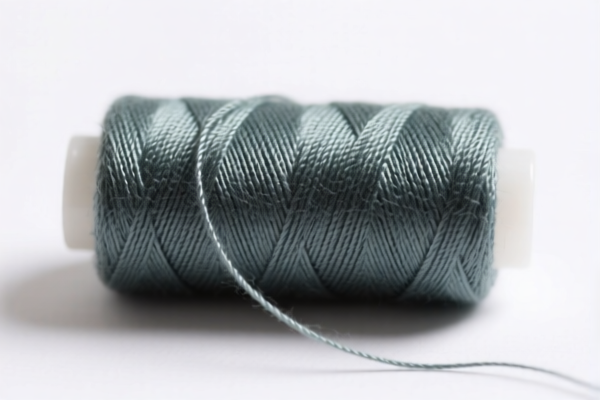
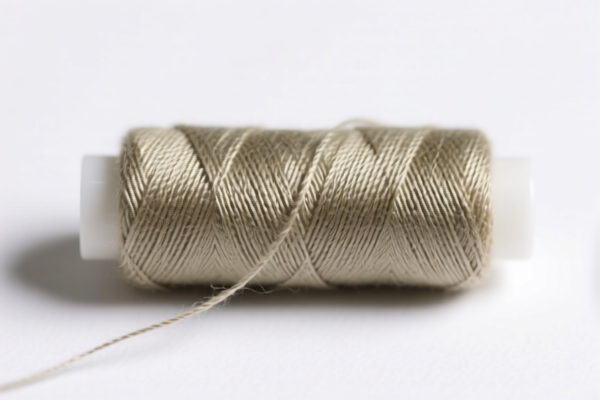
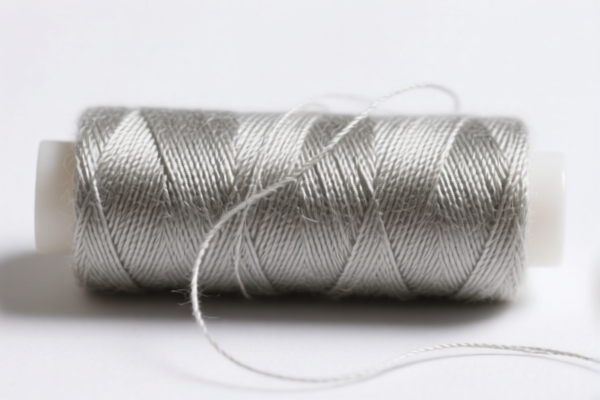
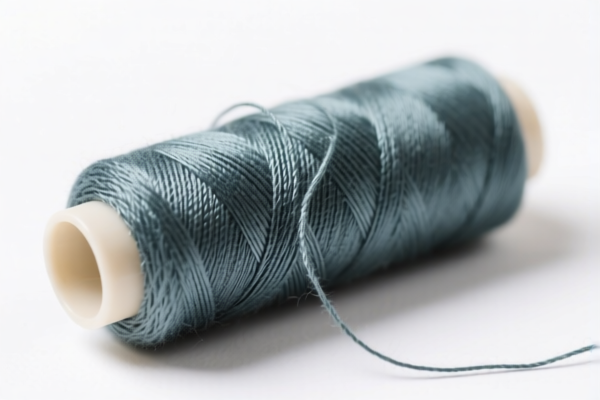
AI分析
🧵 Synthetic Staple Fibre Fabric (Short Fiber Fabrics)
🌐 HS Code Reference & Customs Clearance Guide | 2026 Latest Tariff Analysis | Strategic Clearance Strategy
📌 I. Product Definition & Classification: What Exactly is "Synthetic Staple Fibre Fabric"?
Synthetic Staple Fibre Fabric refers to woven or non-woven textiles manufactured from synthetic short fibers (cut to specific lengths, such as polyester, nylon, or acrylic staples) rather than continuous filaments. These fabrics are widely used in apparel, home textiles, and industrial applications due to their cotton-like feel and breathability.
In international trade, classification is critical because staple fiber fabrics (Chapter 55) are taxed significantly differently from filament fabric (Chapter 54). The key distinction lies in the raw material state: * Staple Fibers (Chapter 55): Fibers are spun into yarn before weaving/knitting. * Filaments (Chapter 54): Continuous strands are woven/knitted directly.
⚠️ Key Classification Point:
- If the fabric is made from short, cut fibers (e.g., standard polyester t-shirt material, denim, twill) → It falls under Chapter 55.
- If it is made from continuous filaments (e.g., silk-like satin, nylon outer shells) → It falls under Chapter 54.
- Misclassification Risk: Declaring a staple fiber fabric as a filament fabric (Chapter 54) may lead to lower initial duties but triggers severe penalties for incorrect declaration under US customs law.
📦 II. HS Code Classification Details (2026 Latest Tariff Authority Match)
Based on the provided data, here are the specific HS Codes for Synthetic Staple Fibre Fabric and their corresponding tariff structures. Note that all listed items fall under Chapter 55 (Synthetic Staple Fibres) or related synthetic fabric categories with high additional tariffs.
| HS Code | Product Description (Summary) | Material & Form Match | Total Tax Rate |
|---|---|---|---|
5512.19.00.05 |
Apparel fabric made of synthetic staple fibres; matches synthetic short fiber fabric material and form | Staple Fibre (Short) | 48.6% |
5407.42.00.30 |
Apparel fabric made of synthetic fibres; conforms to synthetic filament fabric definition | Note: Data lists this, but typically Chapter 54 is filaments. If misidentified as staple, risk exists. | 49.9% |
5407.52.20.20 |
Apparel fabric made of synthetic fibres; corresponds to Polyester/Synthetic material and fabric form | Note: Often Polyester Filament. Check material state. | 49.9% |
5513.13.00.90 |
Apparel fabric made of synthetic staple fibres; conforms to synthetic material and other fallback categories | Staple Fibre (Short) | 49.9% |
5513.23.01.91 |
Apparel fabric made of synthetic staple fibres; material and form conform based on other category determination | Staple Fibre (Short) | 49.9% |
🔍 Critical Observation:
- The lowest tax rate (48.6%) applies to HS Code5512.19.00.05, which explicitly matches "Synthetic Short Fiber Fabric".
- Most other codes listed (5407...and5513...) carry a 49.9% total tax rate.
- Important: Ensure the physical product is indeed staple fiber (spun yarn) when declaring5512or5513. If it is filament, using these codes may cause disputes, though the tax is similar.
💰 III. 2026 Latest Tariff Rate Breakdown (Including Additional Duties & Policy Surcharges)
✅ Applicable Country: United States (US)
✅ Country of Origin: China (CN)
✅ Effective Date: From November 10, 2025 (and subsequent imports)
🎯 1. 5512.19.00.05 —— Synthetic Staple Fibre Fabric (Lowest Tax: 48.6%)
| Item | Detail |
|---|---|
| Base Duty Rate | 13.6% (Standard MFN or Specific Duty) |
| Section 301 Additional Duty | +25.0% (Trade Act of 1974, Section 301) |
| Section 122 Duty | +10.0% (Uyghur Forced Labor Prevention Act / Section 122 related surcharge) |
| Total Effective Rate | 48.6% |
| Tax Calculation | CIF Value × 48.6% |
| De Minimis Exemption | ❌ Not Applicable (Denied for Chinese-origin textiles under these rules) |
| Legal Basis Path | USITC:5512.19.00.05 → FOOTNOTE:301 → FOOTNOTE:122 |
📌 Explanation:
- The 13.6% is the standard base import duty for this specific textile subheading.
- The 25% is the standard Section 301 tariff on Chinese goods.
- The 10% is the additional "122 Clause" tariff (often associated with specific forced labor or trade remedy provisions).
- Total: 48.6%. This is the most favorable rate among the provided data for staple fiber fabrics.
🎯 2. Other Codes (5407.42.00.30, 5407.52.20.20, 5513.13.00.90, 5513.23.01.91) —— Higher Tax: 49.9%
| Item | Detail |
|---|---|
| Base Duty Rate | 14.9% |
| Section 301 Additional Duty | +25.0% |
| Section 122 Duty | +10.0% |
| Total Effective Rate | 49.9% |
| Tax Calculation | CIF Value × 49.9% |
| De Minimis Exemption | ❌ Not Applicable |
| Legal Basis Path | USITC:Code → FOOTNOTE:301 → FOOTNOTE:122 |
📌 Explanation:
- These codes have a slightly higher Base Duty (14.9%) compared to5512.19.00.05(13.6%).
- The additional tariffs (25% + 10%) remain constant across all listed codes.
- Total: 49.9%. This 1.3% difference adds up significantly on large volumes.
🛠️ IV. Customs Clearance Practical Advice (Real-World Pitfall Avoidance)
✅ 1. Documentation Checklist (Mandatory)
| Document | Required | Explanation |
|---|---|---|
| ✅ Fabric Composition Statement | ✔️ | Must explicitly state "100% Polyester Staple Fiber" or similar. Do not just say "Synthetic." |
| ✅ Yarn Type Declaration | ✔️ | Specify "Spun Yarn" (for staple) vs. "Filament Yarn" (for continuous). This determines Chapter 55 vs. 54. |
| ✅ Product Photos | ✔️ | High-res images showing fabric texture (e.g., matte finish for staple vs. shiny for filament). |
| ✅ Commercial Invoice | ✔️ | Clear description: "Woven Fabric, Synthetic Staple Fibre, 150 GSM, For Apparel." |
| ✅ Origin Certificate | ✔️ | Proof of Origin from China. If from Vietnam/Malaysia, different tariffs may apply. |
| ✅ UFLPA Compliance Docs | ✔️ | Due diligence evidence to prevent detention under Section 122/Uyghur Forced Labor Prevention Act. |
✅ 2. Declaration Tips (Critical Formulas)
🔥 "Staple is Chapter 55, Filament is 54; Name it precisely, save 1.3%!"
| Scenario | Correct Declaration | Risk if Incorrect |
|---|---|---|
| Regular T-Shirt Fabric (Matte, Cotton-like) | 5512.19.00.05 (48.6%) |
Declaring as 5513 → Pays 49.9% (Overpay!) |
| Shiny Nylon/Polyester Shell (Silky, Continuous) | 5407.42.00.30 (49.9%) |
Declaring as Staple → Misdeclaration, potential penalty |
| Mixed Blends (e.g., Cotton/Poly) | Check weight >50% rule | Misclassification → 100% penalty on duty difference |
| Non-Woven Fabrics | Check Chapter 56, not 55/54 | Wrong Chapter → Delays & Seizure |
📌 Key Strategy:
- Always aim for5512.19.00.05if your product is truly 100% synthetic staple fiber (short fiber). It offers the lowest total tax (48.6%).
- If the fabric is a blend or has specific weaves (twill, sateen) that fit5513, be prepared for 49.9%.
- Never assume "Synthetic Fabric" = one code. The difference between 13.6% and 14.9% base duty is significant.
✅ 3. Special Circumstances
| Situation | Handling Advice |
|---|---|
| OEM Custom Fabric | Provide the mill's spec sheet. Confirm "Staple" vs "Filament" in the yarn purchase order. |
| Colored Fabric (Dyed) | Ensure the description includes "Dyed" or "Printed" to match the correct subheading. |
| UFLPA Detention Risk | Since Section 122 applies, ensure full supply chain transparency. Provide photos of spinning mills, yarn factories, and fabric mills. |
| Volume Shipping | For large shipments, consider Advance Ruling from CBP to confirm 5512.19.00.05 eligibility. |
🌍 V. Global Market Comparison (2026 Latest)
| Country/Region | Recommended HS Code | Approx. Total Tax (China Origin) | Notes |
|---|---|---|---|
| 🇺🇸 USA | 5512.19.00.05 |
48.6% | High due to 301 + 122 duties. |
| 🇨🇳 China | 5512.19.00.05 |
~10-15% (Import Duty) | No Section 301/122. Lower cost for domestic sale. |
| 🇪🇺 EU | 5512.19 (VARIES) |
~4-12% | No Section 301. GSP may not apply to China. |
| 🇬🇧 UK | 5512.19 |
~12-15% | Post-Brexit tariffs. |
| 🇯🇵 Japan | 5512.19 |
~8-10% | Lower base duties, no US-style surcharges. |
📌 Conclusion:
- USA is the most expensive market for Chinese synthetic fabrics due to political tariffs.
- Tax Savings Tip: If possible, source fabric from Vietnam, Thailand, or Bangladesh where Section 301/122 may not apply or are lower, potentially reducing the effective rate to <20%.
📌 VI. Common Mistakes & Pitfall Guide (Lessons Learned)
❌ Mistake 1: Calling "Synthetic Fabric" generic on the invoice
👉 Consequence: CBP may reject the declaration, forcing a random audit. Penalty + Delay.
❌ Mistake 2: Confusing Staple (Short) with Filament (Continuous)
👉 Consequence: Wrong Chapter (55 vs 54). Even if tax is similar, it's a misdeclaration violation.
❌ Mistake 3: Ignoring Section 122 (Uyghur Forced Labor Prevention Act)
👉 Consequence: Goods held at port for months until full supply chain proof is provided. Inventory costs skyrocket.
❌ Mistake 4: Using 5513 codes when 5512 is applicable
👉 Consequence: Overpaying 1.3% on the total CIF value. On $100,000 shipment, that’s $1,300 wasted.
✅ Correct Declaration Example:
"Woven Fabric, 100% Polyester Staple Fibre, Dyed, 140 GSM, For Men's Shirts. Origin: China. HS: 5512.19.00.05."
🎯 VII. Conclusion: Precision Pays Off!
🎯 Remember the Formula:
🔹 "Staple = Chapter 55, Filament = Chapter 54"
🔹 "Aim for 5512.19 (48.6%), Avoid 5513/5407 (49.9%)"
🔹 "Section 122 is real – Document everything!"
📌 Pro Tip:
If your shipment volume is high, apply for a CBP Advance Ruling to officially confirm that your specific fabric qualifies for 5512.19.00.05. This provides legal protection against future audits.
📣 Take Action Now:
📞 Contact your freight forwarder + Provide Yarn Type Specs + Request Pre-Clearance
🚀 Minimize Tax, Maximize Profit, Ensure Compliance!
✨ Professional Clearance Starts with Accurate Classification!
💼 Every 0.1% of tax saved is pure profit!
用户评价
关于 HS 编码归类
协调制度(HS)是由世界海关组织(WCO)制定的国际贸易商品分类标准。全球 200 多个国家采用 HS 系统作为海关关税、贸易统计和进出口监管的基础。
每个 HS 编码遵循以下层级结构:
- 章(2 位)——商品大类(例如:第 84 章:机器和机械设备)
- 品目(4 位)——章内的更具体分类
- 子目(6 位)——国际通用细分,所有 WCO 成员国统一使用
- 本国细分(8-10 位)——各国自行扩展的细分编码,如美国 HTSUS 10 位编码
正确的 HS 编码归类对于顺利通关、准确缴纳关税和遵守贸易法规至关重要。错误归类可能导致海关延误、多缴关税或罚款。
从CN进口到US时,适用的关税税率可能包括:
- 最惠国(MFN)税率——适用于 WTO 成员国的标准关税税率
- 普通税率——适用于无贸易协定国家
- 贸易救济关税——附加关税,如 301 条款(反倾销)、232 条款(国家安全)或反补贴税
本页内容仅供参考。如需正式归类,请咨询当地海关或持牌报关代理。