Synthetic Staple Fibre Fabric
CN → US| HS Code | Tariff Rate | Origin | Destination | Doc |
|---|---|---|---|---|
| 5512190005 | 48.6% | CN | US | Official Doc |
| 5407420030 | 49.9% | CN | US | Official Doc |
| 5407522020 | 49.9% | CN | US | Official Doc |
| 5513130090 | 49.9% | CN | US | Official Doc |
| 5513230191 | 49.9% | CN | US | Official Doc |
Product Images
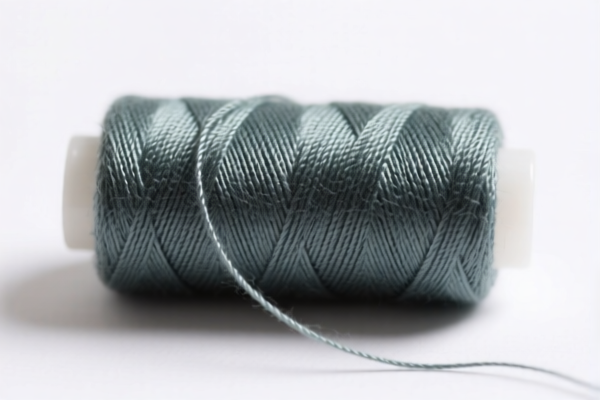
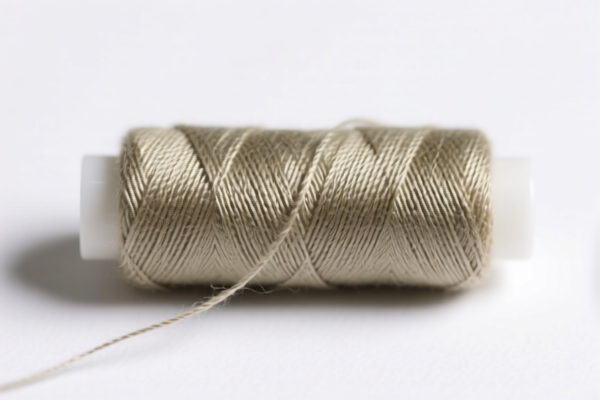
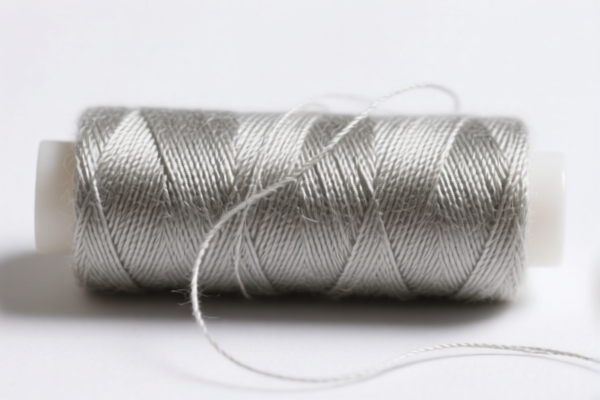
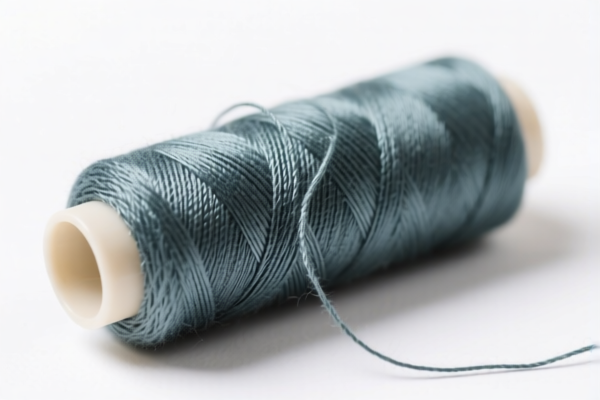
AI Analysis
🧵 Synthetic Staple Fibre Fabric (Short Fiber Fabrics)
🌐 HS Code Reference & Customs Clearance Guide | 2026 Latest Tariff Analysis | Strategic Clearance Strategy
📌 I. Product Definition & Classification: What Exactly is "Synthetic Staple Fibre Fabric"?
Synthetic Staple Fibre Fabric refers to woven or non-woven textiles manufactured from synthetic short fibers (cut to specific lengths, such as polyester, nylon, or acrylic staples) rather than continuous filaments. These fabrics are widely used in apparel, home textiles, and industrial applications due to their cotton-like feel and breathability.
In international trade, classification is critical because staple fiber fabrics (Chapter 55) are taxed significantly differently from filament fabric (Chapter 54). The key distinction lies in the raw material state: * Staple Fibers (Chapter 55): Fibers are spun into yarn before weaving/knitting. * Filaments (Chapter 54): Continuous strands are woven/knitted directly.
⚠️ Key Classification Point:
- If the fabric is made from short, cut fibers (e.g., standard polyester t-shirt material, denim, twill) → It falls under Chapter 55.
- If it is made from continuous filaments (e.g., silk-like satin, nylon outer shells) → It falls under Chapter 54.
- Misclassification Risk: Declaring a staple fiber fabric as a filament fabric (Chapter 54) may lead to lower initial duties but triggers severe penalties for incorrect declaration under US customs law.
📦 II. HS Code Classification Details (2026 Latest Tariff Authority Match)
Based on the provided data, here are the specific HS Codes for Synthetic Staple Fibre Fabric and their corresponding tariff structures. Note that all listed items fall under Chapter 55 (Synthetic Staple Fibres) or related synthetic fabric categories with high additional tariffs.
| HS Code | Product Description (Summary) | Material & Form Match | Total Tax Rate |
|---|---|---|---|
5512.19.00.05 |
Apparel fabric made of synthetic staple fibres; matches synthetic short fiber fabric material and form | Staple Fibre (Short) | 48.6% |
5407.42.00.30 |
Apparel fabric made of synthetic fibres; conforms to synthetic filament fabric definition | Note: Data lists this, but typically Chapter 54 is filaments. If misidentified as staple, risk exists. | 49.9% |
5407.52.20.20 |
Apparel fabric made of synthetic fibres; corresponds to Polyester/Synthetic material and fabric form | Note: Often Polyester Filament. Check material state. | 49.9% |
5513.13.00.90 |
Apparel fabric made of synthetic staple fibres; conforms to synthetic material and other fallback categories | Staple Fibre (Short) | 49.9% |
5513.23.01.91 |
Apparel fabric made of synthetic staple fibres; material and form conform based on other category determination | Staple Fibre (Short) | 49.9% |
🔍 Critical Observation:
- The lowest tax rate (48.6%) applies to HS Code5512.19.00.05, which explicitly matches "Synthetic Short Fiber Fabric".
- Most other codes listed (5407...and5513...) carry a 49.9% total tax rate.
- Important: Ensure the physical product is indeed staple fiber (spun yarn) when declaring5512or5513. If it is filament, using these codes may cause disputes, though the tax is similar.
💰 III. 2026 Latest Tariff Rate Breakdown (Including Additional Duties & Policy Surcharges)
✅ Applicable Country: United States (US)
✅ Country of Origin: China (CN)
✅ Effective Date: From November 10, 2025 (and subsequent imports)
🎯 1. 5512.19.00.05 —— Synthetic Staple Fibre Fabric (Lowest Tax: 48.6%)
| Item | Detail |
|---|---|
| Base Duty Rate | 13.6% (Standard MFN or Specific Duty) |
| Section 301 Additional Duty | +25.0% (Trade Act of 1974, Section 301) |
| Section 122 Duty | +10.0% (Uyghur Forced Labor Prevention Act / Section 122 related surcharge) |
| Total Effective Rate | 48.6% |
| Tax Calculation | CIF Value × 48.6% |
| De Minimis Exemption | ❌ Not Applicable (Denied for Chinese-origin textiles under these rules) |
| Legal Basis Path | USITC:5512.19.00.05 → FOOTNOTE:301 → FOOTNOTE:122 |
📌 Explanation:
- The 13.6% is the standard base import duty for this specific textile subheading.
- The 25% is the standard Section 301 tariff on Chinese goods.
- The 10% is the additional "122 Clause" tariff (often associated with specific forced labor or trade remedy provisions).
- Total: 48.6%. This is the most favorable rate among the provided data for staple fiber fabrics.
🎯 2. Other Codes (5407.42.00.30, 5407.52.20.20, 5513.13.00.90, 5513.23.01.91) —— Higher Tax: 49.9%
| Item | Detail |
|---|---|
| Base Duty Rate | 14.9% |
| Section 301 Additional Duty | +25.0% |
| Section 122 Duty | +10.0% |
| Total Effective Rate | 49.9% |
| Tax Calculation | CIF Value × 49.9% |
| De Minimis Exemption | ❌ Not Applicable |
| Legal Basis Path | USITC:Code → FOOTNOTE:301 → FOOTNOTE:122 |
📌 Explanation:
- These codes have a slightly higher Base Duty (14.9%) compared to5512.19.00.05(13.6%).
- The additional tariffs (25% + 10%) remain constant across all listed codes.
- Total: 49.9%. This 1.3% difference adds up significantly on large volumes.
🛠️ IV. Customs Clearance Practical Advice (Real-World Pitfall Avoidance)
✅ 1. Documentation Checklist (Mandatory)
| Document | Required | Explanation |
|---|---|---|
| ✅ Fabric Composition Statement | ✔️ | Must explicitly state "100% Polyester Staple Fiber" or similar. Do not just say "Synthetic." |
| ✅ Yarn Type Declaration | ✔️ | Specify "Spun Yarn" (for staple) vs. "Filament Yarn" (for continuous). This determines Chapter 55 vs. 54. |
| ✅ Product Photos | ✔️ | High-res images showing fabric texture (e.g., matte finish for staple vs. shiny for filament). |
| ✅ Commercial Invoice | ✔️ | Clear description: "Woven Fabric, Synthetic Staple Fibre, 150 GSM, For Apparel." |
| ✅ Origin Certificate | ✔️ | Proof of Origin from China. If from Vietnam/Malaysia, different tariffs may apply. |
| ✅ UFLPA Compliance Docs | ✔️ | Due diligence evidence to prevent detention under Section 122/Uyghur Forced Labor Prevention Act. |
✅ 2. Declaration Tips (Critical Formulas)
🔥 "Staple is Chapter 55, Filament is 54; Name it precisely, save 1.3%!"
| Scenario | Correct Declaration | Risk if Incorrect |
|---|---|---|
| Regular T-Shirt Fabric (Matte, Cotton-like) | 5512.19.00.05 (48.6%) |
Declaring as 5513 → Pays 49.9% (Overpay!) |
| Shiny Nylon/Polyester Shell (Silky, Continuous) | 5407.42.00.30 (49.9%) |
Declaring as Staple → Misdeclaration, potential penalty |
| Mixed Blends (e.g., Cotton/Poly) | Check weight >50% rule | Misclassification → 100% penalty on duty difference |
| Non-Woven Fabrics | Check Chapter 56, not 55/54 | Wrong Chapter → Delays & Seizure |
📌 Key Strategy:
- Always aim for5512.19.00.05if your product is truly 100% synthetic staple fiber (short fiber). It offers the lowest total tax (48.6%).
- If the fabric is a blend or has specific weaves (twill, sateen) that fit5513, be prepared for 49.9%.
- Never assume "Synthetic Fabric" = one code. The difference between 13.6% and 14.9% base duty is significant.
✅ 3. Special Circumstances
| Situation | Handling Advice |
|---|---|
| OEM Custom Fabric | Provide the mill's spec sheet. Confirm "Staple" vs "Filament" in the yarn purchase order. |
| Colored Fabric (Dyed) | Ensure the description includes "Dyed" or "Printed" to match the correct subheading. |
| UFLPA Detention Risk | Since Section 122 applies, ensure full supply chain transparency. Provide photos of spinning mills, yarn factories, and fabric mills. |
| Volume Shipping | For large shipments, consider Advance Ruling from CBP to confirm 5512.19.00.05 eligibility. |
🌍 V. Global Market Comparison (2026 Latest)
| Country/Region | Recommended HS Code | Approx. Total Tax (China Origin) | Notes |
|---|---|---|---|
| 🇺🇸 USA | 5512.19.00.05 |
48.6% | High due to 301 + 122 duties. |
| 🇨🇳 China | 5512.19.00.05 |
~10-15% (Import Duty) | No Section 301/122. Lower cost for domestic sale. |
| 🇪🇺 EU | 5512.19 (VARIES) |
~4-12% | No Section 301. GSP may not apply to China. |
| 🇬🇧 UK | 5512.19 |
~12-15% | Post-Brexit tariffs. |
| 🇯🇵 Japan | 5512.19 |
~8-10% | Lower base duties, no US-style surcharges. |
📌 Conclusion:
- USA is the most expensive market for Chinese synthetic fabrics due to political tariffs.
- Tax Savings Tip: If possible, source fabric from Vietnam, Thailand, or Bangladesh where Section 301/122 may not apply or are lower, potentially reducing the effective rate to <20%.
📌 VI. Common Mistakes & Pitfall Guide (Lessons Learned)
❌ Mistake 1: Calling "Synthetic Fabric" generic on the invoice
👉 Consequence: CBP may reject the declaration, forcing a random audit. Penalty + Delay.
❌ Mistake 2: Confusing Staple (Short) with Filament (Continuous)
👉 Consequence: Wrong Chapter (55 vs 54). Even if tax is similar, it's a misdeclaration violation.
❌ Mistake 3: Ignoring Section 122 (Uyghur Forced Labor Prevention Act)
👉 Consequence: Goods held at port for months until full supply chain proof is provided. Inventory costs skyrocket.
❌ Mistake 4: Using 5513 codes when 5512 is applicable
👉 Consequence: Overpaying 1.3% on the total CIF value. On $100,000 shipment, that’s $1,300 wasted.
✅ Correct Declaration Example:
"Woven Fabric, 100% Polyester Staple Fibre, Dyed, 140 GSM, For Men's Shirts. Origin: China. HS: 5512.19.00.05."
🎯 VII. Conclusion: Precision Pays Off!
🎯 Remember the Formula:
🔹 "Staple = Chapter 55, Filament = Chapter 54"
🔹 "Aim for 5512.19 (48.6%), Avoid 5513/5407 (49.9%)"
🔹 "Section 122 is real – Document everything!"
📌 Pro Tip:
If your shipment volume is high, apply for a CBP Advance Ruling to officially confirm that your specific fabric qualifies for 5512.19.00.05. This provides legal protection against future audits.
📣 Take Action Now:
📞 Contact your freight forwarder + Provide Yarn Type Specs + Request Pre-Clearance
🚀 Minimize Tax, Maximize Profit, Ensure Compliance!
✨ Professional Clearance Starts with Accurate Classification!
💼 Every 0.1% of tax saved is pure profit!
Customer Reviews
About HS Code Classification
The Harmonized System (HS) is an internationally standardized nomenclature developed by the World Customs Organization (WCO) to classify traded products. Over 200 countries use the HS system as the basis for customs tariffs, trade statistics, and import/export regulations.
Each HS code follows a hierarchical structure:
- Chapter (2 digits) — Broad category of goods (e.g., Chapter 84: Machinery and Mechanical Appliances)
- Heading (4 digits) — More specific grouping within the chapter
- Subheading (6 digits) — Internationally standardized breakdown, used by all WCO member countries
- National subdivisions (8-10 digits) — Country-specific extensions for further classification, such as US HTSUS 10-digit codes
Correct HS code classification is essential for smooth customs clearance, accurate duty payment, and compliance with trade regulations. Misclassification can lead to customs delays, overpayment of duties, or penalties.
When importing from CN to US, the applicable tariff rates may include:
- Most-Favored-Nation (MFN) rate — The standard duty rate applied to WTO members
- General rate — Applied to countries without trade agreements
- Trade remedy duties — Additional tariffs such as Section 301 (anti-dumping), Section 232 (national security), or countervailing duties
The information provided on this page is for reference purposes only. For official classification, please consult with your local customs authority or a licensed customs broker.