Synthetic Staple Yarn
CN → US| HS编码 | 关税税率 | 原产国 | 目的国 | 文档 |
|---|---|---|---|---|
| 5509110000 | 44.4% | CN | US | 官方文档 |
| 5509210000 | 44.7% | CN | US | 官方文档 |
| 5508200000 | 46.0% | CN | US | 官方文档 |
| 5511100060 | 42.5% | CN | US | 官方文档 |
| 5512110090 | 24.0% | CN | US | 官方文档 |
商品图片
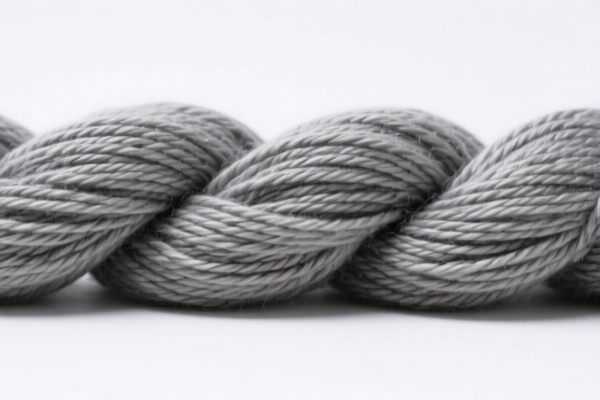
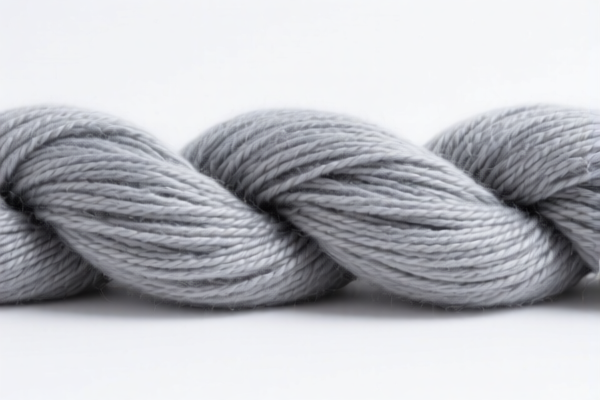
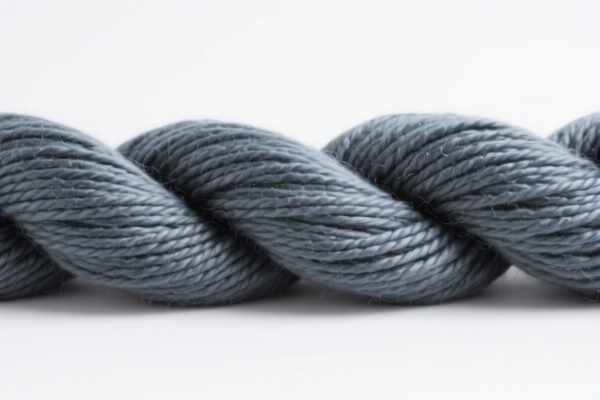
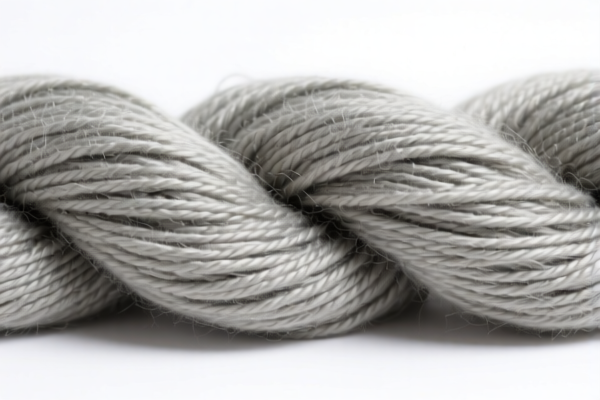
AI分析
🧵 Synthetic Staple Yarn: Ultimate HS Code Classification & Tariff Guide (2026 Update)
🌐 HS Code Reference & Customs Clearance Guide | 2026 Latest Tariff Analysis | Professional Strategy
📌 I. Product Definition: What Exactly is "Synthetic Staple Yarn"?
Synthetic staple yarn is a fundamental textile raw material made by spinning short fibers (staples) of synthetic materials (such as polyester, nylon/polyamide, rayon, etc.) into a continuous thread. Unlike filament yarns which are continuous, staple yarns are created from chopped fibers, giving them specific textures and applications.
In international trade, the key differentiation factors are: 1. Material Composition: Is it Polyester (PET), Nylon (Polyamide), or Artificial (Viscose/Rayon)? 2. Form: Is it for industrial use or general sewing/consumption? 3. Weight/Fineness: Though less critical for broad HS grouping in this dataset, it matters for specific sub-headings.
⚠️ Critical Distinction:
- Polyester (PET) staple yarns often fall under 5512 or 5509 depending on specific composition and form.
- Nylon/Polyamide staple yarns are distinctively categorized under 5509.11.
- Artificial/Viscose yarns are grouped under 5508.
- Mixed/Other Synthetic blends may fall under 5511.
📦 II. HS Code Classification Matrix (2026 Data from Provided Source)
Based on the provided <DATA>, here are the 5 specific classifications for "Synthetic Staple Yarn" with their corresponding tax structures.
| HS Code | Product Summary & Material | Total Tax Rate | Tax Breakdown |
|---|---|---|---|
| 5509.11.00.00 | Polyamide (Nylon) Staple Yarn Synthetic short staple yarn made of nylon or other polyamides. |
44.4% | Base: 9.4% + Sec 301: 25.0% + 122 Clause: 10% |
| 5509.21.00.00 | Other Synthetic Staple Yarn Perfectly matches requirements for synthetic fiber staple yarns (likely Polyester/Other). |
44.7% | Base: 9.7% + Sec 301: 25.0% + 122 Clause: 10% |
| 5508.20.00.00 | Artificial Fiber Staple Yarn Yarn made of artificial short fibers (e.g., Rayon/Viscose), highly related to sewing thread forms. |
46.0% | Base: 11.0% + Sec 301: 25.0% + 122 Clause: 10% |
| 5511.10.00.60 | Other Synthetic Fiber Yarn Inferred as synthetic filament-like or mixed synthetic forms, despite "staple" label in query. |
42.5% | Base: 7.5% + Sec 301: 25.0% + 122 Clause: 10% |
| 5512.11.00.90 | Polyester Industrial Staple Yarn Industrial-grade polyester short staple yarn. |
24.0% | Base: 12.0% + Sec 301: 2.0% + 122 Clause: 10% |
🔍 Key Insight from Data:
- The tax rates vary significantly from 24.0% to 46.0% depending on the specific synthetic material (Nylon vs. Polyester vs. Artificial).
- 5512.11.00.90 is the cheapest option due to a much lower Sec 301 tariff (2.0% vs 25.0%).
- 5508.20.00.00 is the most expensive due to a higher base tariff (11.0%).
💰 III. Detailed Tariff Breakdown & Legal Basis (2026)
✅ Applicable Country: USA (US)
✅ Origin: China (CN) (Implied by Sec 301 & 122 Clauses)
✅ Effective Date: Current as per 2026 context provided.
🎯 1. 5509.11.00.00 – Nylon/Polyamide Staple Yarn
| Item | Detail |
|---|---|
| Base Tariff | 9.4% |
| Section 301 Tariff | 25.0% (High priority trade barrier) |
| Section 122 Tariff | 10.0% (Additional levy on specific Chinese goods) |
| Total Effective Rate | 44.4% |
| De Minimis Eligibility | ❌ No (High total tax prevents small parcel exemption) |
| Legal Path | HTSUS:5509.11.00.00 → Sec301:Footnote11 → Sec122:ChinaGoods |
📌 Explanation:
- Nylon is a high-performance synthetic. The 25% Section 301 tariff applies broadly to Chinese synthetics.
- Cost Impact: For a $10,000 shipment, you pay $4,440 in duties.
🎯 2. 5509.21.00.00 – Generic Synthetic Staple Yarn
| Item | Detail |
|---|---|
| Base Tariff | 9.7% |
| Section 301 Tariff | 25.0% |
| Section 122 Tariff | 10.0% |
| Total Effective Rate | 44.7% |
| De Minimis Eligibility | ❌ No |
| Legal Path | HTSUS:5509.21.00.00 → Sec301:Footnote11 → Sec122:ChinaGoods |
📌 Note:
- Slightly higher base (9.7%) than Nylon results in a 0.3% higher total tax.
- Applies to polyester or other synthetics not specifically listed elsewhere.
🎯 3. 5508.20.00.00 – Artificial (Viscose/Rayon) Yarn
| Item | Detail |
|---|---|
| Base Tariff | 11.0% |
| Section 301 Tariff | 25.0% |
| Section 122 Tariff | 10.0% |
| Total Effective Rate | 46.0% |
| De Minimis Eligibility | ❌ No |
| Legal Path | HTSUS:5508.20.00.00 → Sec301:Footnote11 → Sec122:ChinaGoods |
⚠️ Warning:
- Highest Tax Bracket. Artificial fibers (regenerated cellulose) face the highest base rate (11%).
- Even though it's "artificial," it is often grouped with synthetics in tax lists for US imports from China.
🎯 4. 5511.10.00.60 – Other Synthetic Yarn (Mixed/Inferred)
| Item | Detail |
|---|---|
| Base Tariff | 7.5% |
| Section 301 Tariff | 25.0% |
| Section 122 Tariff | 10.0% |
| Total Effective Rate | 42.5% |
| De Minimis Eligibility | ❌ No |
| Legal Path | HTSUS:5511.10.00.60 → Sec301:Footnote11 → Sec122:ChinaGoods |
📌 Nuance:
- The summary states it "belongs to synthetic fiber form" but may imply mixed fibers or specific filaments.
- Lower base rate (7.5%) makes it cheaper than pure staple synthetics, but still very high.
🎯 5. 5512.11.00.90 – Polyester Industrial Staple Yarn (⭐ BEST RATE)
| Item | Detail |
|---|---|
| Base Tariff | 12.0% |
| Section 301 Tariff | 2.0% (Drastically Reduced) |
| Section 122 Tariff | 10.0% |
| Total Effective Rate | 24.0% |
| De Minimis Eligibility | ❌ No |
| Legal Path | HTSUS:5512.11.00.90 → Sec301:Footnote11 (Special Exemption/List) → Sec122:ChinaGoods |
💡 Strategic Advantage:
- Savings: 20.7% lower total tax compared to Nylon/Polyester staple yarns (44.7% vs 24.0%).
- Condition: Must be classified specifically as Industrial Polyester under 5512.
- Why so low? Specific industrial textiles sometimes qualify for lower Section 301 rates under certain exclusions or specific sub-headings not fully covered by the blanket 25% rule.
🛠️ IV. Customs Clearance Practical Advice
✅ 1. Documentation Checklist (Mandatory)
| Document | Required? | Details |
|---|---|---|
| Product Spec Sheet | ✔️ | Must state: Fiber content (e.g., "100% Polyester"), Denier, Twist, Staple Length. |
| Commercial Invoice | ✔️ | Must explicitly describe as "Synthetic Staple Yarn" and specify material (Nylon, Polyester, etc.). |
| Packing List | ✔️ | Weight and volume details. |
| Bill of Lading/Air Waybill | ✔️ | Standard shipping docs. |
| Certificate of Origin | ✔️ | Critical to confirm China origin for accurate 301/122 calculation. |
| IEEPA/301 Exclusion Proof | ✔️ | Crucial for 5512.11.00.90: If claiming the 2.0% rate, ensure the product matches the specific exclusion list if applicable. |
✅ 2. Classification Strategy & Risk Management
🔥 "Know Your Fiber, Save Your Dollar!"
| Scenario | Recommended HS Code | Why? | Risk |
|---|---|---|---|
| You know it's Nylon | 5509.11.00.00 |
Accurate material match. | High Tax (44.4%) |
| It's Polyester, General Use | 5509.21.00.00 |
Default synthetic staple. | High Tax (44.7%) |
| It's Polyester, Industrial | 5512.11.00.90 |
Lowest Tax (24.0%) | ⚠️ High Audit Risk: Must prove "Industrial" use and exact Polyester composition. Misclassification leads to penalties. |
| It's Viscose/Rayon | 5508.20.00.00 |
Artificial fiber category. | Highest Tax (46.0%) |
| Mixed Blends/Unclear | 5511.10.00.60 |
Fallback for "Other". | Medium-High Tax (42.5%) |
✅ 3. Critical Warnings for Customs
-
Do NOT Misclassify Polyester as "General Synthetic" (
5509.21) if it qualifies for5512.11:- Saving 20.7% on duty is huge. However, you must provide strong evidence (product specs, end-use documents) that it is Industrial Polyester.
- If Customs determines it is not industrial, you will face back taxes + interest + penalties.
-
Avoid "Artificial" Classification if you are Synthetic:
5508.20.00.00(46.0%) is the worst-case scenario. Ensure your product is not flagged as "Artificial Fiber" if it is truly Synthetic (Polyester/Nylon).
-
Section 122 & 301 are Non-Negotiable for China Origin:
- Unless you have a specific exclusion number from USTR, these tariffs apply.
- De Minimis (Section 321): With total taxes >10%, small shipments do NOT qualify for duty-free de minimis entry. All parcels will be taxed.
🌍 V. Global Market Comparison (Contextual)
| Market | Typical Duty Structure | Note |
|---|---|---|
| 🇺🇸 USA | High (24% - 46%) | Due to 301 + 122 tariffs on China. |
| 🇪🇺 EU | Moderate (6-8%) | No Section 301. VAT applies separately. |
| 🇨🇳 China | Low (5-7%) | Import duty, no extra 301/122. |
| 🇮🇳 India | Moderate (10-15%) | Basic Customs Duty + SWS + IGST. |
📌 Conclusion:
The US market is significantly more expensive for Chinese textile yarns due to trade policies.
Optimization Strategy:
- If exporting to the US, strive to qualify for5512.11.00.90(24.0%) by correctly labeling industrial polyester goods.
- For Nylon (5509.11.00.00) or Artificial (5508.20.00.00), the cost is unavoidable without exclusions.
📌 VI. Common Mistakes & Pitfalls
❌ Mistake 1: Classifying all "Synthetic Yarn" under one HS Code.
👉 Result: Overpayment or Underpayment. Nylon and Polyester have different base rates. Misclassification leads to audits.
❌ Mistake 2: Ignoring the "Industrial" definition for 5512.11.00.90.
👉 Result: Customs rejects the 2.0% 301 rate, reassessing at 25% + back taxes + penalties.
❌ Mistake 3: Assuming De Minimis applies to low-value shipments.
👉 Result: Packages held at border. Total tax > 10% voids the $800 de minimis exemption.
🎯 VII. Final Recommendations
- Identify Material Precisely: Is it Nylon, Polyester, or Viscose? This determines the HS Code family (5509, 5511, 5508, or 5512).
- Leverage
5512.11.00.90if Possible: If your product is Polyester and intended for industrial use, this offers the lowest tax burden (24.0%). Prepare technical specs to justify "Industrial" status. - Budget for High Taxes: Expect 42-46% tax for Nylon, General Synthetic, or Artificial yarns. Factor this into your landed cost immediately.
- Consult a Customs Broker: Given the complexity of Section 301 exclusions and the high stakes of misclassification, professional guidance is worth the cost.
📣 Action Item:
📞 Verify Fiber Content → 📋 Select Correct HS Code → 📝 Prepare Industrial Proof (if using 5512) → 🚚 Clear Customs Efficiently
✨ Accurate Classification is the Key to Profitability!
💼 Don't Let Tariffs Erode Your Margins – Classify Right!
用户评价
关于 HS 编码归类
协调制度(HS)是由世界海关组织(WCO)制定的国际贸易商品分类标准。全球 200 多个国家采用 HS 系统作为海关关税、贸易统计和进出口监管的基础。
每个 HS 编码遵循以下层级结构:
- 章(2 位)——商品大类(例如:第 84 章:机器和机械设备)
- 品目(4 位)——章内的更具体分类
- 子目(6 位)——国际通用细分,所有 WCO 成员国统一使用
- 本国细分(8-10 位)——各国自行扩展的细分编码,如美国 HTSUS 10 位编码
正确的 HS 编码归类对于顺利通关、准确缴纳关税和遵守贸易法规至关重要。错误归类可能导致海关延误、多缴关税或罚款。
从CN进口到US时,适用的关税税率可能包括:
- 最惠国(MFN)税率——适用于 WTO 成员国的标准关税税率
- 普通税率——适用于无贸易协定国家
- 贸易救济关税——附加关税,如 301 条款(反倾销)、232 条款(国家安全)或反补贴税
本页内容仅供参考。如需正式归类,请咨询当地海关或持牌报关代理。