Synthetic Staple Yarn
CN → US| HS Code | Tariff Rate | Origin | Destination | Doc |
|---|---|---|---|---|
| 5509110000 | 44.4% | CN | US | Official Doc |
| 5509210000 | 44.7% | CN | US | Official Doc |
| 5508200000 | 46.0% | CN | US | Official Doc |
| 5511100060 | 42.5% | CN | US | Official Doc |
| 5512110090 | 24.0% | CN | US | Official Doc |
Product Images
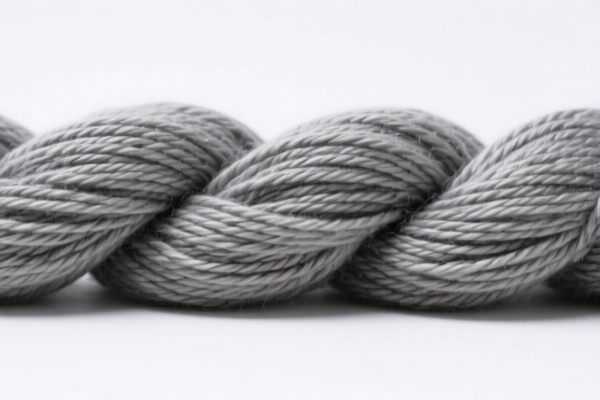
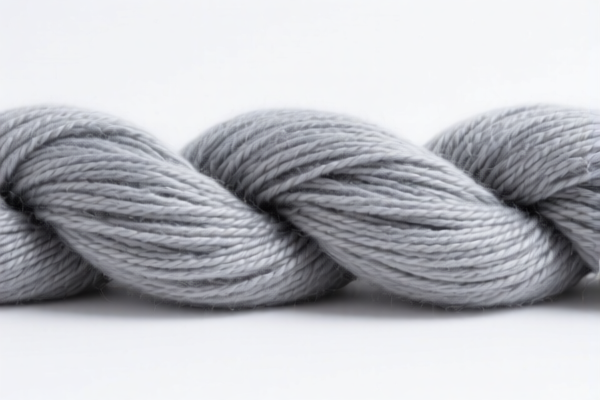
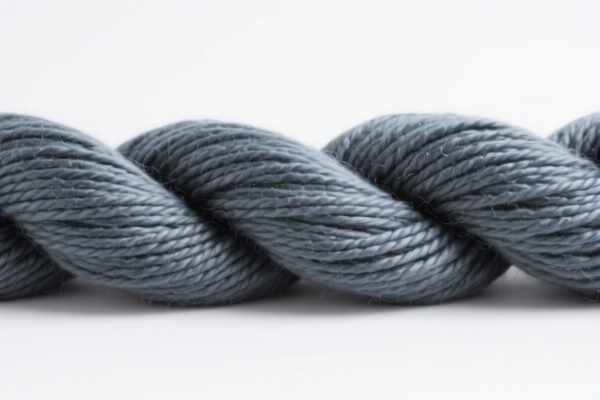
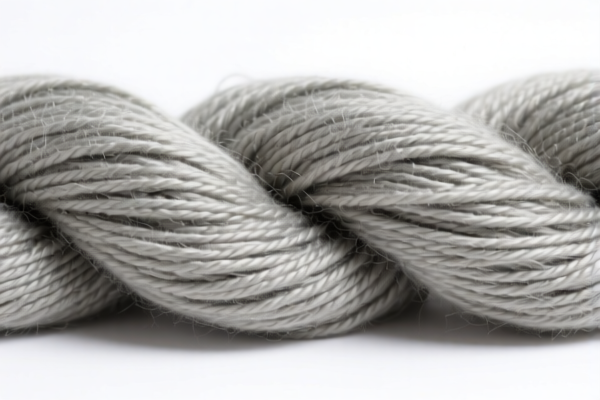
AI Analysis
🧵 Synthetic Staple Yarn: Ultimate HS Code Classification & Tariff Guide (2026 Update)
🌐 HS Code Reference & Customs Clearance Guide | 2026 Latest Tariff Analysis | Professional Strategy
📌 I. Product Definition: What Exactly is "Synthetic Staple Yarn"?
Synthetic staple yarn is a fundamental textile raw material made by spinning short fibers (staples) of synthetic materials (such as polyester, nylon/polyamide, rayon, etc.) into a continuous thread. Unlike filament yarns which are continuous, staple yarns are created from chopped fibers, giving them specific textures and applications.
In international trade, the key differentiation factors are: 1. Material Composition: Is it Polyester (PET), Nylon (Polyamide), or Artificial (Viscose/Rayon)? 2. Form: Is it for industrial use or general sewing/consumption? 3. Weight/Fineness: Though less critical for broad HS grouping in this dataset, it matters for specific sub-headings.
⚠️ Critical Distinction:
- Polyester (PET) staple yarns often fall under 5512 or 5509 depending on specific composition and form.
- Nylon/Polyamide staple yarns are distinctively categorized under 5509.11.
- Artificial/Viscose yarns are grouped under 5508.
- Mixed/Other Synthetic blends may fall under 5511.
📦 II. HS Code Classification Matrix (2026 Data from Provided Source)
Based on the provided <DATA>, here are the 5 specific classifications for "Synthetic Staple Yarn" with their corresponding tax structures.
| HS Code | Product Summary & Material | Total Tax Rate | Tax Breakdown |
|---|---|---|---|
| 5509.11.00.00 | Polyamide (Nylon) Staple Yarn Synthetic short staple yarn made of nylon or other polyamides. |
44.4% | Base: 9.4% + Sec 301: 25.0% + 122 Clause: 10% |
| 5509.21.00.00 | Other Synthetic Staple Yarn Perfectly matches requirements for synthetic fiber staple yarns (likely Polyester/Other). |
44.7% | Base: 9.7% + Sec 301: 25.0% + 122 Clause: 10% |
| 5508.20.00.00 | Artificial Fiber Staple Yarn Yarn made of artificial short fibers (e.g., Rayon/Viscose), highly related to sewing thread forms. |
46.0% | Base: 11.0% + Sec 301: 25.0% + 122 Clause: 10% |
| 5511.10.00.60 | Other Synthetic Fiber Yarn Inferred as synthetic filament-like or mixed synthetic forms, despite "staple" label in query. |
42.5% | Base: 7.5% + Sec 301: 25.0% + 122 Clause: 10% |
| 5512.11.00.90 | Polyester Industrial Staple Yarn Industrial-grade polyester short staple yarn. |
24.0% | Base: 12.0% + Sec 301: 2.0% + 122 Clause: 10% |
🔍 Key Insight from Data:
- The tax rates vary significantly from 24.0% to 46.0% depending on the specific synthetic material (Nylon vs. Polyester vs. Artificial).
- 5512.11.00.90 is the cheapest option due to a much lower Sec 301 tariff (2.0% vs 25.0%).
- 5508.20.00.00 is the most expensive due to a higher base tariff (11.0%).
💰 III. Detailed Tariff Breakdown & Legal Basis (2026)
✅ Applicable Country: USA (US)
✅ Origin: China (CN) (Implied by Sec 301 & 122 Clauses)
✅ Effective Date: Current as per 2026 context provided.
🎯 1. 5509.11.00.00 – Nylon/Polyamide Staple Yarn
| Item | Detail |
|---|---|
| Base Tariff | 9.4% |
| Section 301 Tariff | 25.0% (High priority trade barrier) |
| Section 122 Tariff | 10.0% (Additional levy on specific Chinese goods) |
| Total Effective Rate | 44.4% |
| De Minimis Eligibility | ❌ No (High total tax prevents small parcel exemption) |
| Legal Path | HTSUS:5509.11.00.00 → Sec301:Footnote11 → Sec122:ChinaGoods |
📌 Explanation:
- Nylon is a high-performance synthetic. The 25% Section 301 tariff applies broadly to Chinese synthetics.
- Cost Impact: For a $10,000 shipment, you pay $4,440 in duties.
🎯 2. 5509.21.00.00 – Generic Synthetic Staple Yarn
| Item | Detail |
|---|---|
| Base Tariff | 9.7% |
| Section 301 Tariff | 25.0% |
| Section 122 Tariff | 10.0% |
| Total Effective Rate | 44.7% |
| De Minimis Eligibility | ❌ No |
| Legal Path | HTSUS:5509.21.00.00 → Sec301:Footnote11 → Sec122:ChinaGoods |
📌 Note:
- Slightly higher base (9.7%) than Nylon results in a 0.3% higher total tax.
- Applies to polyester or other synthetics not specifically listed elsewhere.
🎯 3. 5508.20.00.00 – Artificial (Viscose/Rayon) Yarn
| Item | Detail |
|---|---|
| Base Tariff | 11.0% |
| Section 301 Tariff | 25.0% |
| Section 122 Tariff | 10.0% |
| Total Effective Rate | 46.0% |
| De Minimis Eligibility | ❌ No |
| Legal Path | HTSUS:5508.20.00.00 → Sec301:Footnote11 → Sec122:ChinaGoods |
⚠️ Warning:
- Highest Tax Bracket. Artificial fibers (regenerated cellulose) face the highest base rate (11%).
- Even though it's "artificial," it is often grouped with synthetics in tax lists for US imports from China.
🎯 4. 5511.10.00.60 – Other Synthetic Yarn (Mixed/Inferred)
| Item | Detail |
|---|---|
| Base Tariff | 7.5% |
| Section 301 Tariff | 25.0% |
| Section 122 Tariff | 10.0% |
| Total Effective Rate | 42.5% |
| De Minimis Eligibility | ❌ No |
| Legal Path | HTSUS:5511.10.00.60 → Sec301:Footnote11 → Sec122:ChinaGoods |
📌 Nuance:
- The summary states it "belongs to synthetic fiber form" but may imply mixed fibers or specific filaments.
- Lower base rate (7.5%) makes it cheaper than pure staple synthetics, but still very high.
🎯 5. 5512.11.00.90 – Polyester Industrial Staple Yarn (⭐ BEST RATE)
| Item | Detail |
|---|---|
| Base Tariff | 12.0% |
| Section 301 Tariff | 2.0% (Drastically Reduced) |
| Section 122 Tariff | 10.0% |
| Total Effective Rate | 24.0% |
| De Minimis Eligibility | ❌ No |
| Legal Path | HTSUS:5512.11.00.90 → Sec301:Footnote11 (Special Exemption/List) → Sec122:ChinaGoods |
💡 Strategic Advantage:
- Savings: 20.7% lower total tax compared to Nylon/Polyester staple yarns (44.7% vs 24.0%).
- Condition: Must be classified specifically as Industrial Polyester under 5512.
- Why so low? Specific industrial textiles sometimes qualify for lower Section 301 rates under certain exclusions or specific sub-headings not fully covered by the blanket 25% rule.
🛠️ IV. Customs Clearance Practical Advice
✅ 1. Documentation Checklist (Mandatory)
| Document | Required? | Details |
|---|---|---|
| Product Spec Sheet | ✔️ | Must state: Fiber content (e.g., "100% Polyester"), Denier, Twist, Staple Length. |
| Commercial Invoice | ✔️ | Must explicitly describe as "Synthetic Staple Yarn" and specify material (Nylon, Polyester, etc.). |
| Packing List | ✔️ | Weight and volume details. |
| Bill of Lading/Air Waybill | ✔️ | Standard shipping docs. |
| Certificate of Origin | ✔️ | Critical to confirm China origin for accurate 301/122 calculation. |
| IEEPA/301 Exclusion Proof | ✔️ | Crucial for 5512.11.00.90: If claiming the 2.0% rate, ensure the product matches the specific exclusion list if applicable. |
✅ 2. Classification Strategy & Risk Management
🔥 "Know Your Fiber, Save Your Dollar!"
| Scenario | Recommended HS Code | Why? | Risk |
|---|---|---|---|
| You know it's Nylon | 5509.11.00.00 |
Accurate material match. | High Tax (44.4%) |
| It's Polyester, General Use | 5509.21.00.00 |
Default synthetic staple. | High Tax (44.7%) |
| It's Polyester, Industrial | 5512.11.00.90 |
Lowest Tax (24.0%) | ⚠️ High Audit Risk: Must prove "Industrial" use and exact Polyester composition. Misclassification leads to penalties. |
| It's Viscose/Rayon | 5508.20.00.00 |
Artificial fiber category. | Highest Tax (46.0%) |
| Mixed Blends/Unclear | 5511.10.00.60 |
Fallback for "Other". | Medium-High Tax (42.5%) |
✅ 3. Critical Warnings for Customs
-
Do NOT Misclassify Polyester as "General Synthetic" (
5509.21) if it qualifies for5512.11:- Saving 20.7% on duty is huge. However, you must provide strong evidence (product specs, end-use documents) that it is Industrial Polyester.
- If Customs determines it is not industrial, you will face back taxes + interest + penalties.
-
Avoid "Artificial" Classification if you are Synthetic:
5508.20.00.00(46.0%) is the worst-case scenario. Ensure your product is not flagged as "Artificial Fiber" if it is truly Synthetic (Polyester/Nylon).
-
Section 122 & 301 are Non-Negotiable for China Origin:
- Unless you have a specific exclusion number from USTR, these tariffs apply.
- De Minimis (Section 321): With total taxes >10%, small shipments do NOT qualify for duty-free de minimis entry. All parcels will be taxed.
🌍 V. Global Market Comparison (Contextual)
| Market | Typical Duty Structure | Note |
|---|---|---|
| 🇺🇸 USA | High (24% - 46%) | Due to 301 + 122 tariffs on China. |
| 🇪🇺 EU | Moderate (6-8%) | No Section 301. VAT applies separately. |
| 🇨🇳 China | Low (5-7%) | Import duty, no extra 301/122. |
| 🇮🇳 India | Moderate (10-15%) | Basic Customs Duty + SWS + IGST. |
📌 Conclusion:
The US market is significantly more expensive for Chinese textile yarns due to trade policies.
Optimization Strategy:
- If exporting to the US, strive to qualify for5512.11.00.90(24.0%) by correctly labeling industrial polyester goods.
- For Nylon (5509.11.00.00) or Artificial (5508.20.00.00), the cost is unavoidable without exclusions.
📌 VI. Common Mistakes & Pitfalls
❌ Mistake 1: Classifying all "Synthetic Yarn" under one HS Code.
👉 Result: Overpayment or Underpayment. Nylon and Polyester have different base rates. Misclassification leads to audits.
❌ Mistake 2: Ignoring the "Industrial" definition for 5512.11.00.90.
👉 Result: Customs rejects the 2.0% 301 rate, reassessing at 25% + back taxes + penalties.
❌ Mistake 3: Assuming De Minimis applies to low-value shipments.
👉 Result: Packages held at border. Total tax > 10% voids the $800 de minimis exemption.
🎯 VII. Final Recommendations
- Identify Material Precisely: Is it Nylon, Polyester, or Viscose? This determines the HS Code family (5509, 5511, 5508, or 5512).
- Leverage
5512.11.00.90if Possible: If your product is Polyester and intended for industrial use, this offers the lowest tax burden (24.0%). Prepare technical specs to justify "Industrial" status. - Budget for High Taxes: Expect 42-46% tax for Nylon, General Synthetic, or Artificial yarns. Factor this into your landed cost immediately.
- Consult a Customs Broker: Given the complexity of Section 301 exclusions and the high stakes of misclassification, professional guidance is worth the cost.
📣 Action Item:
📞 Verify Fiber Content → 📋 Select Correct HS Code → 📝 Prepare Industrial Proof (if using 5512) → 🚚 Clear Customs Efficiently
✨ Accurate Classification is the Key to Profitability!
💼 Don't Let Tariffs Erode Your Margins – Classify Right!
Customer Reviews
About HS Code Classification
The Harmonized System (HS) is an internationally standardized nomenclature developed by the World Customs Organization (WCO) to classify traded products. Over 200 countries use the HS system as the basis for customs tariffs, trade statistics, and import/export regulations.
Each HS code follows a hierarchical structure:
- Chapter (2 digits) — Broad category of goods (e.g., Chapter 84: Machinery and Mechanical Appliances)
- Heading (4 digits) — More specific grouping within the chapter
- Subheading (6 digits) — Internationally standardized breakdown, used by all WCO member countries
- National subdivisions (8-10 digits) — Country-specific extensions for further classification, such as US HTSUS 10-digit codes
Correct HS code classification is essential for smooth customs clearance, accurate duty payment, and compliance with trade regulations. Misclassification can lead to customs delays, overpayment of duties, or penalties.
When importing from CN to US, the applicable tariff rates may include:
- Most-Favored-Nation (MFN) rate — The standard duty rate applied to WTO members
- General rate — Applied to countries without trade agreements
- Trade remedy duties — Additional tariffs such as Section 301 (anti-dumping), Section 232 (national security), or countervailing duties
The information provided on this page is for reference purposes only. For official classification, please consult with your local customs authority or a licensed customs broker.