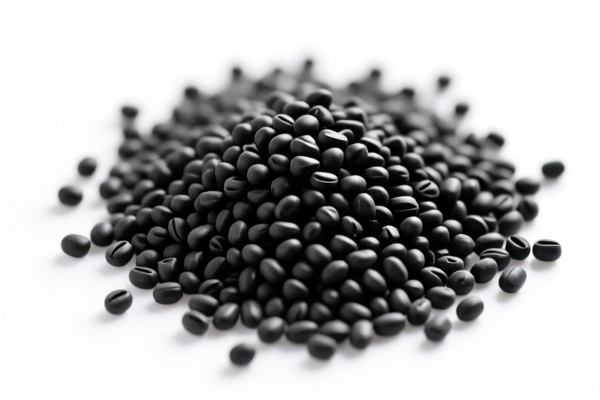
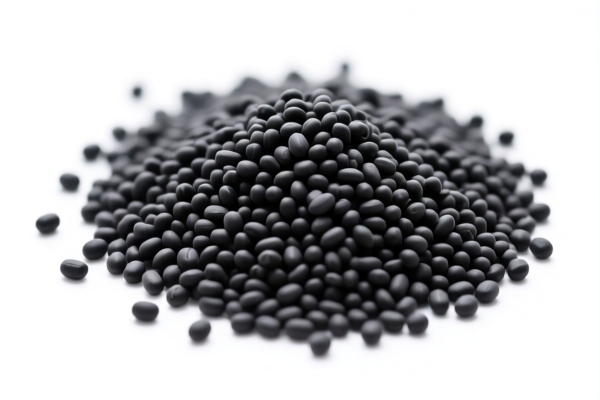
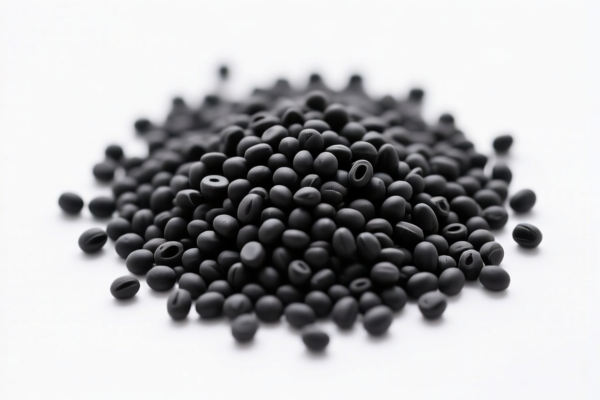
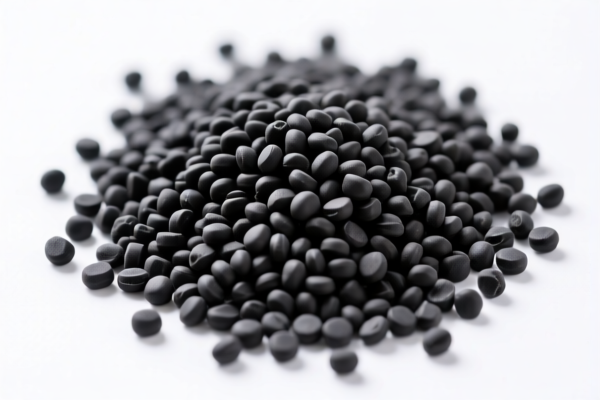
Synthetic rubber and factice granules
CN → US| HS编码 | 关税税率 | 原产国 | 目的国 | 文档 |
|---|---|---|---|---|
| 4005990000 | 35.0% | CN | US | 官方文档 |
| 4002110000 | 35.0% | CN | US | 官方文档 |
| 4002910000 | 35.0% | CN | US | 官方文档 |
| 4005200000 | 35.0% | CN | US | 官方文档 |
| 4002190019 | 35.0% | CN | US | 官方文档 |
商品图片
AI分析
🛢️ Synthetic Rubber and Factice Granules (合成橡胶与充油橡胶粒/胶粉)
🌐 HS Code Reference & Customs Clearance Guide | 2026 Latest Tariff Analysis | Professional Clearance Strategy
📌 I. Product Definition & Classification: What Exactly Are "Synthetic Rubber and Factice Granules"?
This product category covers unvulcanized synthetic rubber in various primary forms, specifically focusing on granules, powders, or latex/emulsion forms. In international trade, these are critical raw materials for tire manufacturing, footwear, adhesives, and industrial rubber products.
Key Forms Identified in Data: 1. Unvulcanized Milled Rubber/Granules: Solid blocks or granules of mixed synthetic rubber. 2. Latex/Emulsion: Liquid form (SBR latex, etc.) used in gloves, foam, and adhesives. 3. Powder: Micro-pulverized rubber for specific industrial mixing.
⚠️ Critical Distinction:
- If the rubber is vulcanized (rubberized), it falls under Chapter 40 (e.g., tires, hoses) → Different HS Code.
- If the product is unvulcanized (raw material), it falls under HS Codes 4002 or 4005.
- "Factice" is a product obtained by extracting natural rubber or bitumen from rubber; it is often treated similarly to unvulcanized rubber in specific classifications if mixed, but the provided data focuses on Synthetic Rubber.
📦 II. HS Code Classification Details (2026 Latest Tariff Authority Mapping)
Based on the provided data, here are the specific HS Codes for Synthetic Rubber and Synthetic Latex (including granules/powders):
| HS Code | Product Description | Form/State | Key Matching Criteria |
|---|---|---|---|
4005.99.00.00 |
Unvulcanized Synthetic Rubber (Mixed) | Granules, Blocks, Powder | General unvulcanized synthetic rubber; broad category for mixed compounds. |
4002.11.00.00 |
SBR Latex (Styrene-Butadiene Rubber) | Liquid/Emulsion | Specifically for SBR latex; matches "latex" form in product name. |
4002.91.00.00 |
Other Synthetic Rubber in Emulsion | Liquid/Emulsion | General synthetic latex/emulsion not specified elsewhere. |
4005.20.00.00 |
Unvulcanized Rubber Compounds | Granules/Paste | Specific for compounded synthetic rubber; matches "granules" if compounded. |
4002.19.00.19 |
Synthetic Rubber Powder | Powder | Dome Bottom Category: For synthetic rubber in powder form not elsewhere specified. |
🔍 Key Note:
- "Granules" can fall under 4005 (Compounded/Unvulcanized) or 4002 (Primary Forms) depending on whether they are compounded with other agents.
- "Latex" strictly falls under 4002 (Emulsion categories).
- "Powder" is specifically captured by 4002.19.00.19 as a fallback.
💰 III. 2026 Latest Tariff Rate Breakdown (Including Surcharges & Policy Add-ons)
✅ Applicable Country: United States (US)
✅ Origin: China (CN)
✅ Effective Date: 2025-11-10 onwards (including subsequent imports)
All HS Codes listed below carry a Total Tax Rate of 35.0%.
🎯 1. 4005.99.00.00 – Unvulcanized Synthetic Rubber (General Granules/Blocks)
| Item | Details |
|---|---|
| Base Duty Rate | 0.0% (ad valorem) |
| Section 301 Surcharge | +25.0% (USITC Footnote 9903.88.01) |
| Section 122 Tariff | +10.0% (Specific provision for Chinese synthetic rubber) |
| Total Tariff Rate | 35.0% |
| Tax Calculation | CIF Value × 35% |
| De Minimis Eligibility | ❌ Not Eligible (deny_de_minimis) |
| Legal Basis Path | IEEPA:9903.01.25 → USITC:4005.99.00.00 → FOOTNOTE:9903.88.01 → Section 122:10% |
📌 Explanation:
- The 25% Section 301 tariff applies to most Chinese industrial goods.
- The 10% Section 122 tariff is a specific additional levy on synthetic rubber from China.
- Combined Total: 35%. This is a high tariff item. No de minimis exemption for single shipments under $800.
🎯 2. 4002.11.00.00 & 4002.91.00.00 – Synthetic Latex/Emulsion
| Item | Details |
|---|---|
| Base Duty Rate | 0.0% |
| Section 301 Surcharge | +25.0% |
| Section 122 Tariff | +10.0% |
| Total Tariff Rate | 35.0% |
| Tax Calculation | CIF Value × 35% |
| De Minimis Eligibility | ❌ Not Eligible |
📌 Note:
- Latex products (SBR latex, NBR latex, etc.) are treated as rubber goods.
- Same tariff structure as solid rubber: 35% Total.
🎯 3. 4005.20.00.00 – Unvulcanized Rubber Compounds (Granules/Paste)
| Item | Details |
|---|---|
| Base Duty Rate | 0.0% |
| Section 301 Surcharge | +25.0% |
| Section 122 Tariff | +10.0% |
| Total Tariff Rate | 35.0% |
| Tax Calculation | CIF Value × 35% |
| De Minimis Eligibility | ❌ Not Eligible |
📌 Note:
- If granules are pre-compounded (mixed with carbon black, oils, etc.), this code is highly likely.
- Still subject to the full 35% tariff.
🎯 4. 4002.19.00.19 – Synthetic Rubber Powder
| Item | Details |
|---|---|
| Base Duty Rate | 0.0% |
| Section 301 Surcharge | +25.0% |
| Section 122 Tariff | +10.0% |
| Total Tariff Rate | 35.0% |
| Tax Calculation | CIF Value × 35% |
| De Minimis Eligibility | ❌ Not Eligible |
📌 Note:
- "Dome Bottom" Principle: If the powder doesn’t fit specific SBR latex categories, it falls here.
- Critical: Must clearly declare "Synthetic Rubber Powder" and provide SDS (Safety Data Sheet) to avoid misclassification as hazardous waste or chemicals.
🛠️ IV. Customs Clearance Practical Advice (Pitfall Avoidance Guide)
✅ 1. Essential Documentation Checklist
| Document | Required? | Explanation |
|---|---|---|
| ✅ Commercial Invoice | ✔️ | Must specify "Synthetic Rubber" or "Synthetic Latex"; avoid vague terms like "Rubber Material". |
| ✅ Packing List | ✔️ | Detail weight, volume, and packaging type (bags, drums, tanks). |
| ✅ Certificate of Origin (CO) | ✔️ | Essential for proving China origin (triggers 35% tariff). |
| ✅ Safety Data Sheet (SDS) | ✔️ | Critical for Powders/Latex: To prove non-hazardous and correct classification. |
| ✅ Product Specification Sheet | ✔️ | Include: Type (SBR, NBR, EPDM), Form (Latex, Powder, Granule), Molecular Weight, Oil Content. |
| ✅ Bill of Lading/Air Waybill | ✔️ | Ensure description matches invoice. |
✅ 2. Declaration Tips (Key Mantra)
🔥 "Form Defines Code, Origin Defines Tax, Latex is 4002, Granule is 4005!"
| Scenario | Correct HS Code | Mistake to Avoid |
|---|---|---|
| SBR Latex (Liquid) | 4002.11.00.00 |
Misclassifying as 4005 → Risk of audit. |
| Solid Granules (Unvulcanized) | 4005.99.00.00 or 4005.20.00.00 |
Misclassifying as 4002 → If compounded, 4002 is wrong. |
| Rubber Powder | 4002.19.00.19 |
Calling it "Rubber Granules" → Might be checked under wrong code. |
| Factice (Bitumen Extract) | Check 4005 or 27 |
If mixed with rubber, stay in 40; if pure bitumen, may be 27. Data suggests synthetic rubber focus. |
✅ 3. Special Cases & Risk Management
| Situation | Handling Advice |
|---|---|
| Mixed Shipments (Latex + Granules) | Declare Separately. Do not combine. Latex is liquid (4002), Granules are solid (4005). |
| Small Quantity (< $800) | No De Minimis. Even small samples are subject to 35% tariff. Plan logistics cost accordingly. |
| Factice Content > 50% | Verify if it’s treated as rubber or bitumen. If bitumen, HS Code changes to Chapter 27 (different tax). |
| Pre-compounded vs. Primary | If mixed with fillers/oils, use 4005. If pure synthetic polymer, use 4002. |
🌍 V. Global Market Comparison (2026 Latest)
| Country/Region | Recommended HS Code | Tariff (China Origin) | Certification | Remarks |
|---|---|---|---|---|
| 🇺🇸 USA | 4005.99.00.00 / 4002.11.00.00 |
35% (25% + 10%) | None specific | High tariff due to Section 301 & 122. |
| 🇨🇳 China | 4005.99.00.00 |
0% - 5% | CCC (if applicable) | No anti-dumping for raw rubber. |
| 🇪🇺 EU | 4005.99.00 |
0% (FTA eligible if rules met) | REACH Registration | Must comply with REACH for chemical substances. |
| 🇦🇺 Australia | 4005.99.00 |
5% | None | Lower tariff than US. |
📌 Conclusion:
- The US market is significantly more expensive due to the 35% combined tariff.
- EU and Australia offer more competitive duty rates if supply chain rules are met.
- Consider supply chain diversification (e.g., sourcing from Malaysia or Thailand) if targeting the US to avoid Section 301/122 tariffs.
📌 VI. Common Mistakes & Pitfalls (Lessons Learned)
❌ Mistake 1: Declaring "Rubber" without specifying "Synthetic"
👉 Consequence: Customs may classify as Natural Rubber (4001), which has different tariffs/rules → Audit Flag.
❌ Mistake 2: Mixing Latex (Liquid) and Granules (Solid) in one HS Code
👉 Consequence: Misclassification → Delay + Penalties. Liquid latex has different handling and classification rules.
❌ Mistake 3: Ignoring Section 122 Tariff
👉 Consequence: Unexpected 10% charge at port → Cash Flow Crisis. Always budget for 35% total, not just 25%.
❌ Mistake 4: Using "Chemical Compound" instead of "Synthetic Rubber"
👉 Consequence: May be classified under Chapter 38 (Chemical Products) → Different Tax Rate & Regulatory Requirements.
✅ Correct Practice:
"Unvulcanized Synthetic Rubber Granules, SBR Type, for Tire Manufacturing, HS Code 4005.99.00.00, Origin China"
🎯 VII. Conclusion: Precise Classification Saves Money!
🎯 Remember the Mantra:
🔹 "Latex is 4002, Granules are 4005, Powder is 4002.19."
🔹 "35% Total Tax for US Imports: 25% Section 301 + 10% Section 122."
🔹 "No De Minimis Exemption – Plan for High Duty Costs!"
📌 Pro Tip:
If your synthetic rubber is originating from Vietnam, Malaysia, or Thailand, you may avoid the 35% US tariff.
Recommendation: Apply for Advance Ruling and verify supply chain origin to minimize tax liability.
📣 Immediate Action:
📞 Contact a Licensed Customs Broker
📄 Provide SDS + Product Specs
🚀 Optimize Supply Chain to Avoid China Origin Surcharge!
✨ Professional Clearance Starts with Accurate Classification!
💼 Your Cost Efficiency Depends on Precision!
用户评价
关于 HS 编码归类
协调制度(HS)是由世界海关组织(WCO)制定的国际贸易商品分类标准。全球 200 多个国家采用 HS 系统作为海关关税、贸易统计和进出口监管的基础。
每个 HS 编码遵循以下层级结构:
- 章(2 位)——商品大类(例如:第 84 章:机器和机械设备)
- 品目(4 位)——章内的更具体分类
- 子目(6 位)——国际通用细分,所有 WCO 成员国统一使用
- 本国细分(8-10 位)——各国自行扩展的细分编码,如美国 HTSUS 10 位编码
正确的 HS 编码归类对于顺利通关、准确缴纳关税和遵守贸易法规至关重要。错误归类可能导致海关延误、多缴关税或罚款。
从CN进口到US时,适用的关税税率可能包括:
- 最惠国(MFN)税率——适用于 WTO 成员国的标准关税税率
- 普通税率——适用于无贸易协定国家
- 贸易救济关税——附加关税,如 301 条款(反倾销)、232 条款(国家安全)或反补贴税
本页内容仅供参考。如需正式归类,请咨询当地海关或持牌报关代理。