Synthetic rubber and factice granules
CN → US| HS Code | Tariff Rate | Origin | Destination | Doc |
|---|---|---|---|---|
| 4005990000 | 35.0% | CN | US | Official Doc |
| 4002110000 | 35.0% | CN | US | Official Doc |
| 4002910000 | 35.0% | CN | US | Official Doc |
| 4005200000 | 35.0% | CN | US | Official Doc |
| 4002190019 | 35.0% | CN | US | Official Doc |
Product Images
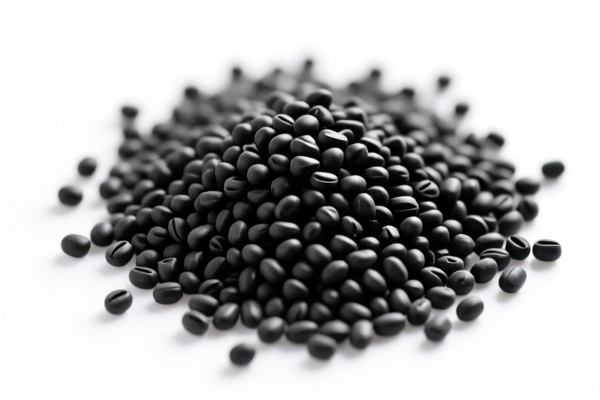
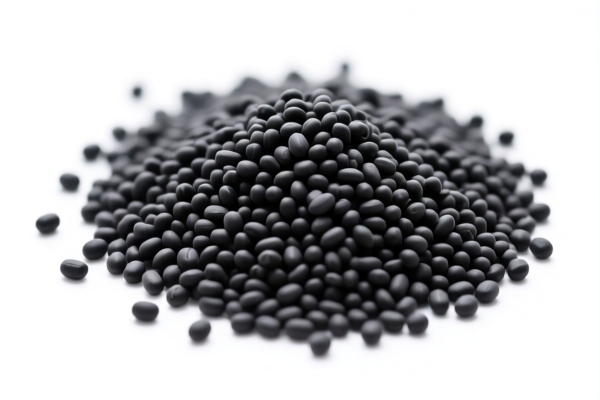
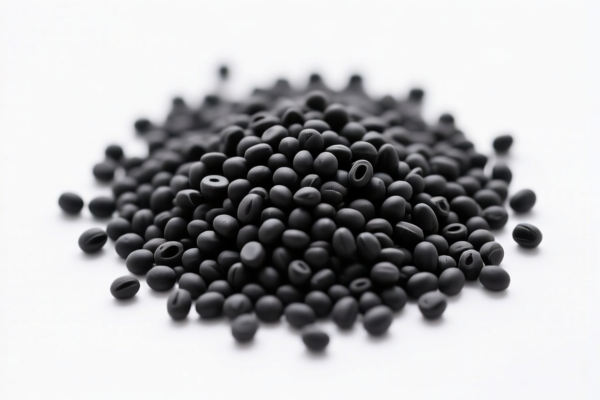
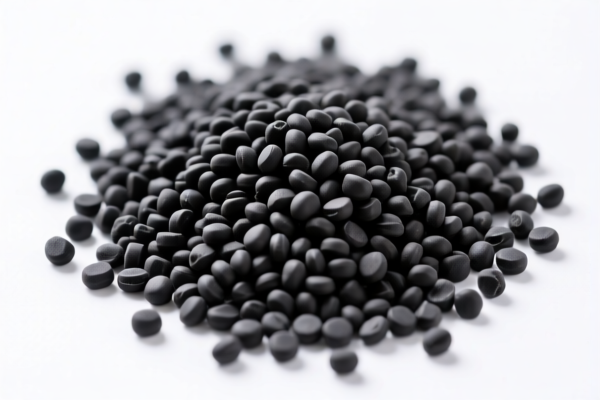
AI Analysis
🛢️ Synthetic Rubber and Factice Granules (合成橡胶与充油橡胶粒/胶粉)
🌐 HS Code Reference & Customs Clearance Guide | 2026 Latest Tariff Analysis | Professional Clearance Strategy
📌 I. Product Definition & Classification: What Exactly Are "Synthetic Rubber and Factice Granules"?
This product category covers unvulcanized synthetic rubber in various primary forms, specifically focusing on granules, powders, or latex/emulsion forms. In international trade, these are critical raw materials for tire manufacturing, footwear, adhesives, and industrial rubber products.
Key Forms Identified in Data: 1. Unvulcanized Milled Rubber/Granules: Solid blocks or granules of mixed synthetic rubber. 2. Latex/Emulsion: Liquid form (SBR latex, etc.) used in gloves, foam, and adhesives. 3. Powder: Micro-pulverized rubber for specific industrial mixing.
⚠️ Critical Distinction:
- If the rubber is vulcanized (rubberized), it falls under Chapter 40 (e.g., tires, hoses) → Different HS Code.
- If the product is unvulcanized (raw material), it falls under HS Codes 4002 or 4005.
- "Factice" is a product obtained by extracting natural rubber or bitumen from rubber; it is often treated similarly to unvulcanized rubber in specific classifications if mixed, but the provided data focuses on Synthetic Rubber.
📦 II. HS Code Classification Details (2026 Latest Tariff Authority Mapping)
Based on the provided data, here are the specific HS Codes for Synthetic Rubber and Synthetic Latex (including granules/powders):
| HS Code | Product Description | Form/State | Key Matching Criteria |
|---|---|---|---|
4005.99.00.00 |
Unvulcanized Synthetic Rubber (Mixed) | Granules, Blocks, Powder | General unvulcanized synthetic rubber; broad category for mixed compounds. |
4002.11.00.00 |
SBR Latex (Styrene-Butadiene Rubber) | Liquid/Emulsion | Specifically for SBR latex; matches "latex" form in product name. |
4002.91.00.00 |
Other Synthetic Rubber in Emulsion | Liquid/Emulsion | General synthetic latex/emulsion not specified elsewhere. |
4005.20.00.00 |
Unvulcanized Rubber Compounds | Granules/Paste | Specific for compounded synthetic rubber; matches "granules" if compounded. |
4002.19.00.19 |
Synthetic Rubber Powder | Powder | Dome Bottom Category: For synthetic rubber in powder form not elsewhere specified. |
🔍 Key Note:
- "Granules" can fall under 4005 (Compounded/Unvulcanized) or 4002 (Primary Forms) depending on whether they are compounded with other agents.
- "Latex" strictly falls under 4002 (Emulsion categories).
- "Powder" is specifically captured by 4002.19.00.19 as a fallback.
💰 III. 2026 Latest Tariff Rate Breakdown (Including Surcharges & Policy Add-ons)
✅ Applicable Country: United States (US)
✅ Origin: China (CN)
✅ Effective Date: 2025-11-10 onwards (including subsequent imports)
All HS Codes listed below carry a Total Tax Rate of 35.0%.
🎯 1. 4005.99.00.00 – Unvulcanized Synthetic Rubber (General Granules/Blocks)
| Item | Details |
|---|---|
| Base Duty Rate | 0.0% (ad valorem) |
| Section 301 Surcharge | +25.0% (USITC Footnote 9903.88.01) |
| Section 122 Tariff | +10.0% (Specific provision for Chinese synthetic rubber) |
| Total Tariff Rate | 35.0% |
| Tax Calculation | CIF Value × 35% |
| De Minimis Eligibility | ❌ Not Eligible (deny_de_minimis) |
| Legal Basis Path | IEEPA:9903.01.25 → USITC:4005.99.00.00 → FOOTNOTE:9903.88.01 → Section 122:10% |
📌 Explanation:
- The 25% Section 301 tariff applies to most Chinese industrial goods.
- The 10% Section 122 tariff is a specific additional levy on synthetic rubber from China.
- Combined Total: 35%. This is a high tariff item. No de minimis exemption for single shipments under $800.
🎯 2. 4002.11.00.00 & 4002.91.00.00 – Synthetic Latex/Emulsion
| Item | Details |
|---|---|
| Base Duty Rate | 0.0% |
| Section 301 Surcharge | +25.0% |
| Section 122 Tariff | +10.0% |
| Total Tariff Rate | 35.0% |
| Tax Calculation | CIF Value × 35% |
| De Minimis Eligibility | ❌ Not Eligible |
📌 Note:
- Latex products (SBR latex, NBR latex, etc.) are treated as rubber goods.
- Same tariff structure as solid rubber: 35% Total.
🎯 3. 4005.20.00.00 – Unvulcanized Rubber Compounds (Granules/Paste)
| Item | Details |
|---|---|
| Base Duty Rate | 0.0% |
| Section 301 Surcharge | +25.0% |
| Section 122 Tariff | +10.0% |
| Total Tariff Rate | 35.0% |
| Tax Calculation | CIF Value × 35% |
| De Minimis Eligibility | ❌ Not Eligible |
📌 Note:
- If granules are pre-compounded (mixed with carbon black, oils, etc.), this code is highly likely.
- Still subject to the full 35% tariff.
🎯 4. 4002.19.00.19 – Synthetic Rubber Powder
| Item | Details |
|---|---|
| Base Duty Rate | 0.0% |
| Section 301 Surcharge | +25.0% |
| Section 122 Tariff | +10.0% |
| Total Tariff Rate | 35.0% |
| Tax Calculation | CIF Value × 35% |
| De Minimis Eligibility | ❌ Not Eligible |
📌 Note:
- "Dome Bottom" Principle: If the powder doesn’t fit specific SBR latex categories, it falls here.
- Critical: Must clearly declare "Synthetic Rubber Powder" and provide SDS (Safety Data Sheet) to avoid misclassification as hazardous waste or chemicals.
🛠️ IV. Customs Clearance Practical Advice (Pitfall Avoidance Guide)
✅ 1. Essential Documentation Checklist
| Document | Required? | Explanation |
|---|---|---|
| ✅ Commercial Invoice | ✔️ | Must specify "Synthetic Rubber" or "Synthetic Latex"; avoid vague terms like "Rubber Material". |
| ✅ Packing List | ✔️ | Detail weight, volume, and packaging type (bags, drums, tanks). |
| ✅ Certificate of Origin (CO) | ✔️ | Essential for proving China origin (triggers 35% tariff). |
| ✅ Safety Data Sheet (SDS) | ✔️ | Critical for Powders/Latex: To prove non-hazardous and correct classification. |
| ✅ Product Specification Sheet | ✔️ | Include: Type (SBR, NBR, EPDM), Form (Latex, Powder, Granule), Molecular Weight, Oil Content. |
| ✅ Bill of Lading/Air Waybill | ✔️ | Ensure description matches invoice. |
✅ 2. Declaration Tips (Key Mantra)
🔥 "Form Defines Code, Origin Defines Tax, Latex is 4002, Granule is 4005!"
| Scenario | Correct HS Code | Mistake to Avoid |
|---|---|---|
| SBR Latex (Liquid) | 4002.11.00.00 |
Misclassifying as 4005 → Risk of audit. |
| Solid Granules (Unvulcanized) | 4005.99.00.00 or 4005.20.00.00 |
Misclassifying as 4002 → If compounded, 4002 is wrong. |
| Rubber Powder | 4002.19.00.19 |
Calling it "Rubber Granules" → Might be checked under wrong code. |
| Factice (Bitumen Extract) | Check 4005 or 27 |
If mixed with rubber, stay in 40; if pure bitumen, may be 27. Data suggests synthetic rubber focus. |
✅ 3. Special Cases & Risk Management
| Situation | Handling Advice |
|---|---|
| Mixed Shipments (Latex + Granules) | Declare Separately. Do not combine. Latex is liquid (4002), Granules are solid (4005). |
| Small Quantity (< $800) | No De Minimis. Even small samples are subject to 35% tariff. Plan logistics cost accordingly. |
| Factice Content > 50% | Verify if it’s treated as rubber or bitumen. If bitumen, HS Code changes to Chapter 27 (different tax). |
| Pre-compounded vs. Primary | If mixed with fillers/oils, use 4005. If pure synthetic polymer, use 4002. |
🌍 V. Global Market Comparison (2026 Latest)
| Country/Region | Recommended HS Code | Tariff (China Origin) | Certification | Remarks |
|---|---|---|---|---|
| 🇺🇸 USA | 4005.99.00.00 / 4002.11.00.00 |
35% (25% + 10%) | None specific | High tariff due to Section 301 & 122. |
| 🇨🇳 China | 4005.99.00.00 |
0% - 5% | CCC (if applicable) | No anti-dumping for raw rubber. |
| 🇪🇺 EU | 4005.99.00 |
0% (FTA eligible if rules met) | REACH Registration | Must comply with REACH for chemical substances. |
| 🇦🇺 Australia | 4005.99.00 |
5% | None | Lower tariff than US. |
📌 Conclusion:
- The US market is significantly more expensive due to the 35% combined tariff.
- EU and Australia offer more competitive duty rates if supply chain rules are met.
- Consider supply chain diversification (e.g., sourcing from Malaysia or Thailand) if targeting the US to avoid Section 301/122 tariffs.
📌 VI. Common Mistakes & Pitfalls (Lessons Learned)
❌ Mistake 1: Declaring "Rubber" without specifying "Synthetic"
👉 Consequence: Customs may classify as Natural Rubber (4001), which has different tariffs/rules → Audit Flag.
❌ Mistake 2: Mixing Latex (Liquid) and Granules (Solid) in one HS Code
👉 Consequence: Misclassification → Delay + Penalties. Liquid latex has different handling and classification rules.
❌ Mistake 3: Ignoring Section 122 Tariff
👉 Consequence: Unexpected 10% charge at port → Cash Flow Crisis. Always budget for 35% total, not just 25%.
❌ Mistake 4: Using "Chemical Compound" instead of "Synthetic Rubber"
👉 Consequence: May be classified under Chapter 38 (Chemical Products) → Different Tax Rate & Regulatory Requirements.
✅ Correct Practice:
"Unvulcanized Synthetic Rubber Granules, SBR Type, for Tire Manufacturing, HS Code 4005.99.00.00, Origin China"
🎯 VII. Conclusion: Precise Classification Saves Money!
🎯 Remember the Mantra:
🔹 "Latex is 4002, Granules are 4005, Powder is 4002.19."
🔹 "35% Total Tax for US Imports: 25% Section 301 + 10% Section 122."
🔹 "No De Minimis Exemption – Plan for High Duty Costs!"
📌 Pro Tip:
If your synthetic rubber is originating from Vietnam, Malaysia, or Thailand, you may avoid the 35% US tariff.
Recommendation: Apply for Advance Ruling and verify supply chain origin to minimize tax liability.
📣 Immediate Action:
📞 Contact a Licensed Customs Broker
📄 Provide SDS + Product Specs
🚀 Optimize Supply Chain to Avoid China Origin Surcharge!
✨ Professional Clearance Starts with Accurate Classification!
💼 Your Cost Efficiency Depends on Precision!
Customer Reviews
About HS Code Classification
The Harmonized System (HS) is an internationally standardized nomenclature developed by the World Customs Organization (WCO) to classify traded products. Over 200 countries use the HS system as the basis for customs tariffs, trade statistics, and import/export regulations.
Each HS code follows a hierarchical structure:
- Chapter (2 digits) — Broad category of goods (e.g., Chapter 84: Machinery and Mechanical Appliances)
- Heading (4 digits) — More specific grouping within the chapter
- Subheading (6 digits) — Internationally standardized breakdown, used by all WCO member countries
- National subdivisions (8-10 digits) — Country-specific extensions for further classification, such as US HTSUS 10-digit codes
Correct HS code classification is essential for smooth customs clearance, accurate duty payment, and compliance with trade regulations. Misclassification can lead to customs delays, overpayment of duties, or penalties.
When importing from CN to US, the applicable tariff rates may include:
- Most-Favored-Nation (MFN) rate — The standard duty rate applied to WTO members
- General rate — Applied to countries without trade agreements
- Trade remedy duties — Additional tariffs such as Section 301 (anti-dumping), Section 232 (national security), or countervailing duties
The information provided on this page is for reference purposes only. For official classification, please consult with your local customs authority or a licensed customs broker.