Synthetic staple fiber fabrics
CN → US| HS编码 | 关税税率 | 原产国 | 目的国 | 文档 |
|---|---|---|---|---|
| 5516910090 | 47.0% | CN | US | 官方文档 |
| 5509110000 | 44.4% | CN | US | 官方文档 |
| 5509210000 | 44.7% | CN | US | 官方文档 |
| 5508200000 | 46.0% | CN | US | 官方文档 |
| 5511100060 | 42.5% | CN | US | 官方文档 |
商品图片
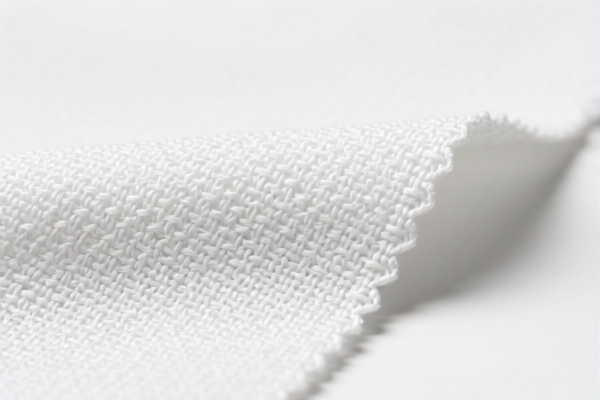
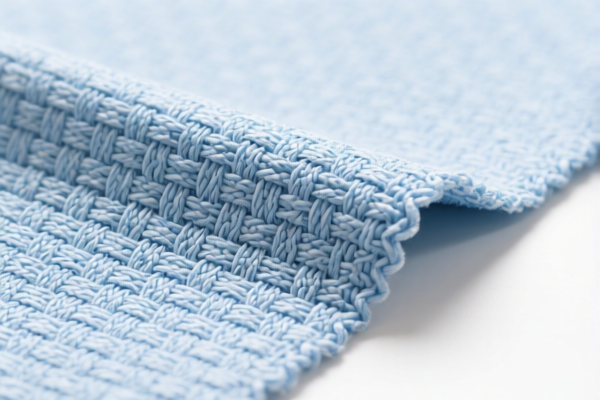
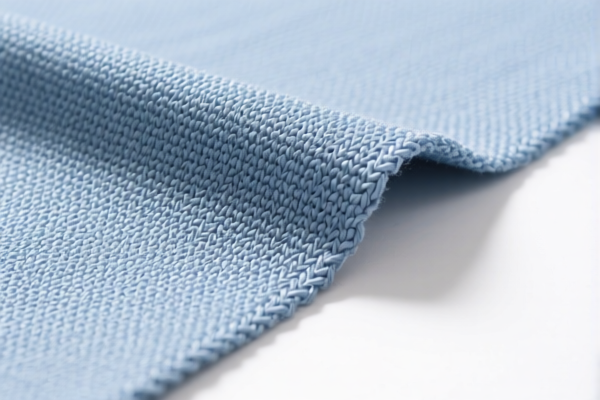
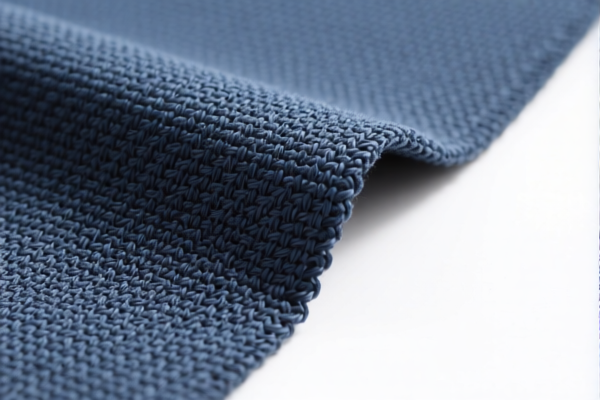
AI分析
🧵 Synthetic Staple Fiber Fabrics (Industry Use)
🌐 HS Code Reference & Customs Clearance Guide | 2026 Latest Tariff Analysis | Professional-Level Entry Strategy
📌 I. Product Definition & Classification: Do You Really Understand "Synthetic Staple Fiber Fabrics"?
Synthetic staple fiber fabrics, when used for industrial purposes, fall under the category of woven fabrics made from man-made staple fibers. If the specific fabric type is not explicitly mentioned, it is classified under the "other" category.
⚠️ Key Distinction:
- If the fabric is woven and made from man-made staple fibers (such as polyester, nylon, or acrylic staples), it is classified as a synthetic staple fiber fabric.
- If it is yarn rather than fabric, different HS codes apply (see below).
- The term "industry use" (产业用) implies specific functional applications, but the classification primarily depends on the fiber type and form (fabric vs. yarn).
📦 II. HS Code Classification Details (2026 Latest Tariff Authority Comparison)
| HS Code | Product Description | Application Scenario | Total Tax Rate (China Origin to US) | Tax Breakdown |
|---|---|---|---|---|
5516.91.00.90 |
Fabric: Woven fabric of man-made staple fibers, other than those specified in other subheadings, weighing ≤ 170 g/m² | Industrial fabrics, textiles, unspecified synthetic staple fiber fabric | 47.0% | Base: 12.0%, Additional: 25.0%, Section 122: 10% |
5509.11.00.00 |
Yarn: Synthetic staple fiber yarn, ≥ 85% nylon or other polyamides by weight, single or multiple plied, measured | Synthetic staple fiber yarn, nylon/polyamide | 44.4% | Base: 9.4%, Additional: 25.0%, Section 122: 10% |
5509.21.00.00 |
Yarn: Synthetic staple fiber yarn, ≥ 85% polyester by weight, single or multiple plied, measured | Synthetic staple fiber yarn, polyester | 44.7% | Base: 9.7%, Additional: 25.0%, Section 122: 10% |
5508.20.00.00 |
Yarn: Weaving yarn made of synthetic staple fibers, put up for retail sale (sewing thread) | Sewing thread, synthetic staple fiber | 46.0% | Base: 11.0%, Additional: 25.0%, Section 122: 10% |
5511.10.00.60 |
Yarn: Sewing thread, of synthetic fibers, put up for retail sale | Synthetic fiber sewing thread (assumed based on description) | 42.5% | Base: 7.5%, Additional: 25.0%, Section 122: 10% |
🔍 Important Reminder:
- "Fabric" vs. "Yarn" is critical:5516.91.00.90is for woven fabric. If the product is yarn (unwoven threads), it must be classified under5509or5508series.
- Section 122 Tariff: An additional 10% tariff applies to goods from China under Section 122 of the U.S. Trade Act.
- Section 301 Tariff: An additional 25% tariff applies to most Chinese goods, including textiles.
- Base Tariff: Varies by specific subheading (7.5% to 12%).
💰 III. 2026 Latest Tariff Rate Details (Including Additional Taxes, Policy Add-ons)
✅ Applicable Country: United States (US)
✅ Country of Origin: China (CN)
✅ Effective Date: Current (as of 2026)
🎯 1. 5516.91.00.90 —— Woven Fabric of Man-Made Staple Fibers (Other)
| Item | Content |
|---|---|
| Base Tariff | 12.0% (ad valorem) |
| Section 301 Additional Tariff | +25.0% |
| Section 122 Additional Tariff | +10.0% |
| Total Tariff Rate | 47.0% |
| Tax Calculation | CIF Value × 47.0% |
| De Minimis Eligibility | ❌ No (Section 301 goods are excluded from de minimis) |
| Legal Basis Path | USITC:5516.91.00.90 → Section 301: Footnote 9903.01.25 → Section 122 |
📌 Explanation:
- Base Tariff 12%: Standard duty for woven man-made staple fiber fabrics not elsewhere specified.
- Section 301 (25%): Applied to most Chinese textiles to counter trade imbalances.
- Section 122 (10%): Specific additional tariff for Chinese textile products under U.S. trade laws.
- Total 47%: High duty rate, significantly impacting profitability.
🎯 2. 5509.11.00.00 —— Synthetic Staple Fiber Yarn (Polyamide/Nylon)
| Item | Content |
|---|---|
| Base Tariff | 9.4% |
| Section 301 Additional Tariff | +25.0% |
| Section 122 Additional Tariff | +10.0% |
| Total Tariff Rate | 44.4% |
| Tax Calculation | CIF Value × 44.4% |
| De Minimis Eligibility | ❌ No |
| Legal Basis Path | USITC:5509.11.00.00 → Section 301 → Section 122 |
📌 Note:
- Specifically for nylon/polyamide staple fiber yarn.
- Lower base rate (9.4%) compared to fabric (12%), but total rate remains high due to add-ons.
🎯 3. 5509.21.00.00 —— Synthetic Staple Fiber Yarn (Polyester)
| Item | Content |
|---|---|
| Base Tariff | 9.7% |
| Section 301 Additional Tariff | +25.0% |
| Section 122 Additional Tariff | +10.0% |
| Total Tariff Rate | 44.7% |
| Tax Calculation | CIF Value × 44.7% |
| De Minimis Eligibility | ❌ No |
| Legal Basis Path | USITC:5509.21.00.00 → Section 301 → Section 122 |
📌 Note:
- Specifically for polyester staple fiber yarn.
- Similar to nylon yarn, but slightly higher base rate (9.7%).
🎯 4. 5508.20.00.00 —— Weaving Yarn of Synthetic Staple Fibers (Sewing Thread)
| Item | Content |
|---|---|
| Base Tariff | 11.0% |
| Section 301 Additional Tariff | +25.0% |
| Section 122 Additional Tariff | +10.0% |
| Total Tariff Rate | 46.0% |
| Tax Calculation | CIF Value × 46.0% |
| De Minimis Eligibility | ❌ No |
| Legal Basis Path | USITC:5508.20.00.00 → Section 301 → Section 122 |
📌 Note:
- For sewing thread or yarn put up for retail sale.
- Higher base rate (11%) due to retail packaging status.
🎯 5. 5511.10.00.60 —— Sewing Thread, Synthetic Fibers
| Item | Content |
|---|---|
| Base Tariff | 7.5% |
| Section 301 Additional Tariff | +25.0% |
| Section 122 Additional Tariff | +10.0% |
| Total Tariff Rate | 42.5% |
| Tax Calculation | CIF Value × 42.5% |
| De Minimis Eligibility | ❌ No |
| Legal Basis Path | USITC:5511.10.00.60 → Section 301 → Section 122 |
📌 Note:
- Lowest total rate (42.5%) among the listed codes, but still very high.
- Applies to sewing thread of synthetic fibers.
🛠️ IV. Customs Clearance Practical Suggestions (Avoid Pitfalls)
✅ 1. Documentation Checklist (Mandatory)
| Document | Required | Explanation |
|---|---|---|
| ✅ Product Specification Sheet | ✔️ | Must clearly state fiber type (nylon, polyester, etc.), form (fabric vs. yarn), and weight. |
| ✅ Fabric Structure Diagram | ✔️ | To confirm if it is woven fabric (5516) or yarn (5509/5508). |
| ✅ Product Photos | ✔️ | Clear images showing texture, labeling, and packaging. |
| ✅ Commercial Invoice | ✔️ | Must specify "Woven Fabric of Man-Made Staple Fibers" or "Synthetic Staple Fiber Yarn". |
| ✅ Packing List | ✔️ | Detailed breakdown of items to avoid misclassification. |
| ✅ Certificate of Origin (CO) | ✔️ | To prove Chinese origin and apply correct tariff rates. |
| ✅ Third-Party Test Report | ✔️ | Fiber composition test (e.g., ASTM D276) to verify material percentage. |
✅ 2. Declaration Tips (Key Rules)
🔥 "Form Determines Code, Fiber Determines Base, Add-Ons are Inevitable!"
| Scenario | Correct Declaration | Incorrect Practice |
|---|---|---|
| Woven Fabric (unspecified) | 5516.91.00.90 |
Misclassifying as yarn → 44-46% |
| Nylon Yarn | 5509.11.00.00 |
Misclassifying as polyester yarn → 44.7% (slight error) |
| Polyester Yarn | 5509.21.00.00 |
Misclassifying as nylon yarn → 44.4% (slight error) |
| Sewing Thread | 5508.20.00.00 or 5511.10.00.60 |
Misclassifying as general yarn → 42-46% |
| Non-Synthetic Fibers (e.g., cotton) | Not applicable | Misclassifying synthetic as natural → Severe Penalty |
✅ 3. Special Cases Handling
| Scenario | Handling Advice |
|---|---|
| Blended Fabrics | If blended with natural fibers (e.g., cotton/polyester), classification changes. Must provide fiber composition ratio. |
| Treated Fabrics | If coated or treated, may fall under different subheadings. Provide treatment details. |
| OEM Products | Provide customer orders and design specs to avoid being labeled as "unspecified". |
| Small Samples | Even samples are subject to full tariff if classified as Section 301 goods. |
🌍 V. Global Main Market Clearance Comparison (2026 Latest)
| Country/Region | Recommended HS Code | Tariff Rate | Certification Required | Remarks |
|---|---|---|---|---|
| 🇺🇸 USA | 5516.91.00.90 |
47.0% | None specific | High tariff due to Section 301 & 122 |
| 🇨🇳 China | 5516.91.00.90 |
8-12% | None | Base rate applies, no add-ons |
| 🇪🇺 EU | 5516.91.00.90 |
6-12% | CE (if applicable) | Moderate tariff, no US-style add-ons |
| 🇬🇧 UK | 5516.91.00.90 |
6-12% | UKCA | Similar to EU |
| 🇯🇵 Japan | 5516.91.00.90 |
6-10% | PSE (if applicable) | Low tariff |
📌 Conclusion:
- USA has the highest tariff for Chinese synthetic staple fiber fabrics/yarns.
- EU/UK/Japan are more favorable for export, with tariffs 1-2x lower than the US.
- Consider supply chain diversification if targeting the US market.
📌 VI. Common Errors & Pitfalls Guide (Lessons Learned)
❌ Error 1: Misclassifying fabric as yarn
👉 Consequence: Wrong HS code → 44-47% vs. 47% (minor difference, but legal risk)
❌ Error 2: Misclassifying polyester yarn as nylon yarn
👉 Consequence: Base rate differs (9.7% vs. 9.4%) → Overpayment or underpayment → Audit risk
❌ Error 3: Failing to disclose Section 301/122 tariffs
👉 Consequence: Customs seizure, fines, and delays
❌ Error 4: Not providing fiber composition test
👉 Consequence: Customs assigns worst-case tariff → Higher cost
✅ Correct Practice:
"Woven Fabric, 100% Polyester Staple Fiber, Weight: 150 g/m², For Industrial Use, Model: XYZ, Made in China"
🎯 VII. Conclusion: Professional Declaration, Cost Reduction
🎯 Remember the Rule:
🔹 "Fabric vs. Yarn, Synthetic vs. Natural, Add-Ons are Fixed!"
🔹 "HS Code Determines Tariff, Error Leads to Fines!"
📌 Tips:
- If your product is exported to non-US markets, tariffs are significantly lower.
- Consider pre-ruling with US Customs to confirm classification.
- Supply Chain Diversification: Explore sourcing from Vietnam, India, or Bangladesh to avoid US tariffs.
📣 Immediate Action:
📞 Contact a professional customs broker + Provide product details + Apply for HS Code pre-ruling
🚀 Ensure smooth clearance, cost efficiency, and profitability!
✨ Professional customs clearance starts with accurate classification!
💼 Every cent of cost should be precisely calculated!
用户评价
关于 HS 编码归类
协调制度(HS)是由世界海关组织(WCO)制定的国际贸易商品分类标准。全球 200 多个国家采用 HS 系统作为海关关税、贸易统计和进出口监管的基础。
每个 HS 编码遵循以下层级结构:
- 章(2 位)——商品大类(例如:第 84 章:机器和机械设备)
- 品目(4 位)——章内的更具体分类
- 子目(6 位)——国际通用细分,所有 WCO 成员国统一使用
- 本国细分(8-10 位)——各国自行扩展的细分编码,如美国 HTSUS 10 位编码
正确的 HS 编码归类对于顺利通关、准确缴纳关税和遵守贸易法规至关重要。错误归类可能导致海关延误、多缴关税或罚款。
从CN进口到US时,适用的关税税率可能包括:
- 最惠国(MFN)税率——适用于 WTO 成员国的标准关税税率
- 普通税率——适用于无贸易协定国家
- 贸易救济关税——附加关税,如 301 条款(反倾销)、232 条款(国家安全)或反补贴税
本页内容仅供参考。如需正式归类,请咨询当地海关或持牌报关代理。