Synthetic staple fiber fabrics
CN → US| HS Code | Tariff Rate | Origin | Destination | Doc |
|---|---|---|---|---|
| 5516910090 | 47.0% | CN | US | Official Doc |
| 5509110000 | 44.4% | CN | US | Official Doc |
| 5509210000 | 44.7% | CN | US | Official Doc |
| 5508200000 | 46.0% | CN | US | Official Doc |
| 5511100060 | 42.5% | CN | US | Official Doc |
Product Images
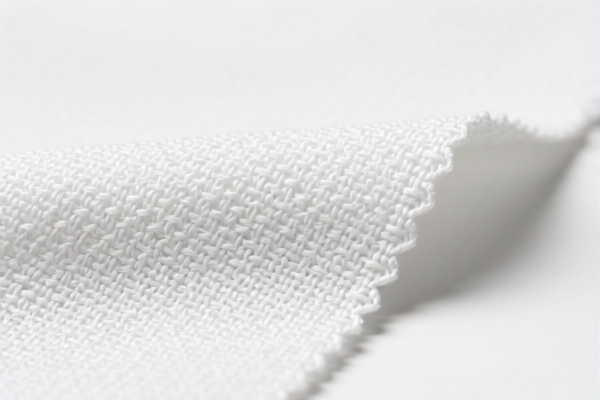
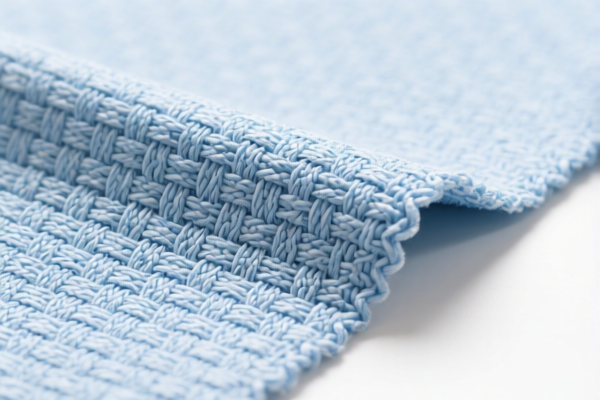
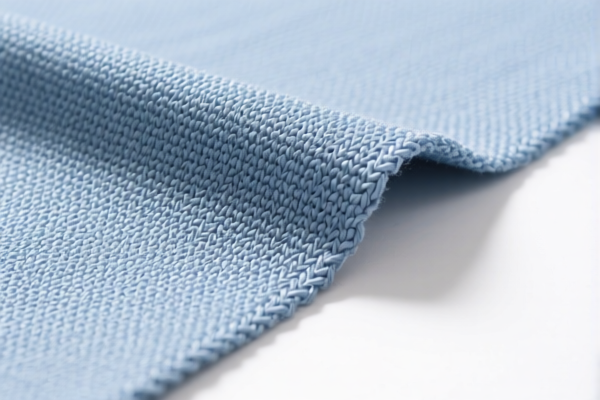
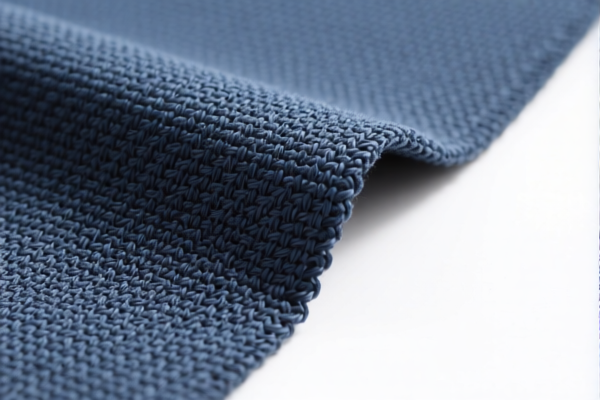
AI Analysis
🧵 Synthetic Staple Fiber Fabrics (Industry Use)
🌐 HS Code Reference & Customs Clearance Guide | 2026 Latest Tariff Analysis | Professional-Level Entry Strategy
📌 I. Product Definition & Classification: Do You Really Understand "Synthetic Staple Fiber Fabrics"?
Synthetic staple fiber fabrics, when used for industrial purposes, fall under the category of woven fabrics made from man-made staple fibers. If the specific fabric type is not explicitly mentioned, it is classified under the "other" category.
⚠️ Key Distinction:
- If the fabric is woven and made from man-made staple fibers (such as polyester, nylon, or acrylic staples), it is classified as a synthetic staple fiber fabric.
- If it is yarn rather than fabric, different HS codes apply (see below).
- The term "industry use" (产业用) implies specific functional applications, but the classification primarily depends on the fiber type and form (fabric vs. yarn).
📦 II. HS Code Classification Details (2026 Latest Tariff Authority Comparison)
| HS Code | Product Description | Application Scenario | Total Tax Rate (China Origin to US) | Tax Breakdown |
|---|---|---|---|---|
5516.91.00.90 |
Fabric: Woven fabric of man-made staple fibers, other than those specified in other subheadings, weighing ≤ 170 g/m² | Industrial fabrics, textiles, unspecified synthetic staple fiber fabric | 47.0% | Base: 12.0%, Additional: 25.0%, Section 122: 10% |
5509.11.00.00 |
Yarn: Synthetic staple fiber yarn, ≥ 85% nylon or other polyamides by weight, single or multiple plied, measured | Synthetic staple fiber yarn, nylon/polyamide | 44.4% | Base: 9.4%, Additional: 25.0%, Section 122: 10% |
5509.21.00.00 |
Yarn: Synthetic staple fiber yarn, ≥ 85% polyester by weight, single or multiple plied, measured | Synthetic staple fiber yarn, polyester | 44.7% | Base: 9.7%, Additional: 25.0%, Section 122: 10% |
5508.20.00.00 |
Yarn: Weaving yarn made of synthetic staple fibers, put up for retail sale (sewing thread) | Sewing thread, synthetic staple fiber | 46.0% | Base: 11.0%, Additional: 25.0%, Section 122: 10% |
5511.10.00.60 |
Yarn: Sewing thread, of synthetic fibers, put up for retail sale | Synthetic fiber sewing thread (assumed based on description) | 42.5% | Base: 7.5%, Additional: 25.0%, Section 122: 10% |
🔍 Important Reminder:
- "Fabric" vs. "Yarn" is critical:5516.91.00.90is for woven fabric. If the product is yarn (unwoven threads), it must be classified under5509or5508series.
- Section 122 Tariff: An additional 10% tariff applies to goods from China under Section 122 of the U.S. Trade Act.
- Section 301 Tariff: An additional 25% tariff applies to most Chinese goods, including textiles.
- Base Tariff: Varies by specific subheading (7.5% to 12%).
💰 III. 2026 Latest Tariff Rate Details (Including Additional Taxes, Policy Add-ons)
✅ Applicable Country: United States (US)
✅ Country of Origin: China (CN)
✅ Effective Date: Current (as of 2026)
🎯 1. 5516.91.00.90 —— Woven Fabric of Man-Made Staple Fibers (Other)
| Item | Content |
|---|---|
| Base Tariff | 12.0% (ad valorem) |
| Section 301 Additional Tariff | +25.0% |
| Section 122 Additional Tariff | +10.0% |
| Total Tariff Rate | 47.0% |
| Tax Calculation | CIF Value × 47.0% |
| De Minimis Eligibility | ❌ No (Section 301 goods are excluded from de minimis) |
| Legal Basis Path | USITC:5516.91.00.90 → Section 301: Footnote 9903.01.25 → Section 122 |
📌 Explanation:
- Base Tariff 12%: Standard duty for woven man-made staple fiber fabrics not elsewhere specified.
- Section 301 (25%): Applied to most Chinese textiles to counter trade imbalances.
- Section 122 (10%): Specific additional tariff for Chinese textile products under U.S. trade laws.
- Total 47%: High duty rate, significantly impacting profitability.
🎯 2. 5509.11.00.00 —— Synthetic Staple Fiber Yarn (Polyamide/Nylon)
| Item | Content |
|---|---|
| Base Tariff | 9.4% |
| Section 301 Additional Tariff | +25.0% |
| Section 122 Additional Tariff | +10.0% |
| Total Tariff Rate | 44.4% |
| Tax Calculation | CIF Value × 44.4% |
| De Minimis Eligibility | ❌ No |
| Legal Basis Path | USITC:5509.11.00.00 → Section 301 → Section 122 |
📌 Note:
- Specifically for nylon/polyamide staple fiber yarn.
- Lower base rate (9.4%) compared to fabric (12%), but total rate remains high due to add-ons.
🎯 3. 5509.21.00.00 —— Synthetic Staple Fiber Yarn (Polyester)
| Item | Content |
|---|---|
| Base Tariff | 9.7% |
| Section 301 Additional Tariff | +25.0% |
| Section 122 Additional Tariff | +10.0% |
| Total Tariff Rate | 44.7% |
| Tax Calculation | CIF Value × 44.7% |
| De Minimis Eligibility | ❌ No |
| Legal Basis Path | USITC:5509.21.00.00 → Section 301 → Section 122 |
📌 Note:
- Specifically for polyester staple fiber yarn.
- Similar to nylon yarn, but slightly higher base rate (9.7%).
🎯 4. 5508.20.00.00 —— Weaving Yarn of Synthetic Staple Fibers (Sewing Thread)
| Item | Content |
|---|---|
| Base Tariff | 11.0% |
| Section 301 Additional Tariff | +25.0% |
| Section 122 Additional Tariff | +10.0% |
| Total Tariff Rate | 46.0% |
| Tax Calculation | CIF Value × 46.0% |
| De Minimis Eligibility | ❌ No |
| Legal Basis Path | USITC:5508.20.00.00 → Section 301 → Section 122 |
📌 Note:
- For sewing thread or yarn put up for retail sale.
- Higher base rate (11%) due to retail packaging status.
🎯 5. 5511.10.00.60 —— Sewing Thread, Synthetic Fibers
| Item | Content |
|---|---|
| Base Tariff | 7.5% |
| Section 301 Additional Tariff | +25.0% |
| Section 122 Additional Tariff | +10.0% |
| Total Tariff Rate | 42.5% |
| Tax Calculation | CIF Value × 42.5% |
| De Minimis Eligibility | ❌ No |
| Legal Basis Path | USITC:5511.10.00.60 → Section 301 → Section 122 |
📌 Note:
- Lowest total rate (42.5%) among the listed codes, but still very high.
- Applies to sewing thread of synthetic fibers.
🛠️ IV. Customs Clearance Practical Suggestions (Avoid Pitfalls)
✅ 1. Documentation Checklist (Mandatory)
| Document | Required | Explanation |
|---|---|---|
| ✅ Product Specification Sheet | ✔️ | Must clearly state fiber type (nylon, polyester, etc.), form (fabric vs. yarn), and weight. |
| ✅ Fabric Structure Diagram | ✔️ | To confirm if it is woven fabric (5516) or yarn (5509/5508). |
| ✅ Product Photos | ✔️ | Clear images showing texture, labeling, and packaging. |
| ✅ Commercial Invoice | ✔️ | Must specify "Woven Fabric of Man-Made Staple Fibers" or "Synthetic Staple Fiber Yarn". |
| ✅ Packing List | ✔️ | Detailed breakdown of items to avoid misclassification. |
| ✅ Certificate of Origin (CO) | ✔️ | To prove Chinese origin and apply correct tariff rates. |
| ✅ Third-Party Test Report | ✔️ | Fiber composition test (e.g., ASTM D276) to verify material percentage. |
✅ 2. Declaration Tips (Key Rules)
🔥 "Form Determines Code, Fiber Determines Base, Add-Ons are Inevitable!"
| Scenario | Correct Declaration | Incorrect Practice |
|---|---|---|
| Woven Fabric (unspecified) | 5516.91.00.90 |
Misclassifying as yarn → 44-46% |
| Nylon Yarn | 5509.11.00.00 |
Misclassifying as polyester yarn → 44.7% (slight error) |
| Polyester Yarn | 5509.21.00.00 |
Misclassifying as nylon yarn → 44.4% (slight error) |
| Sewing Thread | 5508.20.00.00 or 5511.10.00.60 |
Misclassifying as general yarn → 42-46% |
| Non-Synthetic Fibers (e.g., cotton) | Not applicable | Misclassifying synthetic as natural → Severe Penalty |
✅ 3. Special Cases Handling
| Scenario | Handling Advice |
|---|---|
| Blended Fabrics | If blended with natural fibers (e.g., cotton/polyester), classification changes. Must provide fiber composition ratio. |
| Treated Fabrics | If coated or treated, may fall under different subheadings. Provide treatment details. |
| OEM Products | Provide customer orders and design specs to avoid being labeled as "unspecified". |
| Small Samples | Even samples are subject to full tariff if classified as Section 301 goods. |
🌍 V. Global Main Market Clearance Comparison (2026 Latest)
| Country/Region | Recommended HS Code | Tariff Rate | Certification Required | Remarks |
|---|---|---|---|---|
| 🇺🇸 USA | 5516.91.00.90 |
47.0% | None specific | High tariff due to Section 301 & 122 |
| 🇨🇳 China | 5516.91.00.90 |
8-12% | None | Base rate applies, no add-ons |
| 🇪🇺 EU | 5516.91.00.90 |
6-12% | CE (if applicable) | Moderate tariff, no US-style add-ons |
| 🇬🇧 UK | 5516.91.00.90 |
6-12% | UKCA | Similar to EU |
| 🇯🇵 Japan | 5516.91.00.90 |
6-10% | PSE (if applicable) | Low tariff |
📌 Conclusion:
- USA has the highest tariff for Chinese synthetic staple fiber fabrics/yarns.
- EU/UK/Japan are more favorable for export, with tariffs 1-2x lower than the US.
- Consider supply chain diversification if targeting the US market.
📌 VI. Common Errors & Pitfalls Guide (Lessons Learned)
❌ Error 1: Misclassifying fabric as yarn
👉 Consequence: Wrong HS code → 44-47% vs. 47% (minor difference, but legal risk)
❌ Error 2: Misclassifying polyester yarn as nylon yarn
👉 Consequence: Base rate differs (9.7% vs. 9.4%) → Overpayment or underpayment → Audit risk
❌ Error 3: Failing to disclose Section 301/122 tariffs
👉 Consequence: Customs seizure, fines, and delays
❌ Error 4: Not providing fiber composition test
👉 Consequence: Customs assigns worst-case tariff → Higher cost
✅ Correct Practice:
"Woven Fabric, 100% Polyester Staple Fiber, Weight: 150 g/m², For Industrial Use, Model: XYZ, Made in China"
🎯 VII. Conclusion: Professional Declaration, Cost Reduction
🎯 Remember the Rule:
🔹 "Fabric vs. Yarn, Synthetic vs. Natural, Add-Ons are Fixed!"
🔹 "HS Code Determines Tariff, Error Leads to Fines!"
📌 Tips:
- If your product is exported to non-US markets, tariffs are significantly lower.
- Consider pre-ruling with US Customs to confirm classification.
- Supply Chain Diversification: Explore sourcing from Vietnam, India, or Bangladesh to avoid US tariffs.
📣 Immediate Action:
📞 Contact a professional customs broker + Provide product details + Apply for HS Code pre-ruling
🚀 Ensure smooth clearance, cost efficiency, and profitability!
✨ Professional customs clearance starts with accurate classification!
💼 Every cent of cost should be precisely calculated!
Customer Reviews
About HS Code Classification
The Harmonized System (HS) is an internationally standardized nomenclature developed by the World Customs Organization (WCO) to classify traded products. Over 200 countries use the HS system as the basis for customs tariffs, trade statistics, and import/export regulations.
Each HS code follows a hierarchical structure:
- Chapter (2 digits) — Broad category of goods (e.g., Chapter 84: Machinery and Mechanical Appliances)
- Heading (4 digits) — More specific grouping within the chapter
- Subheading (6 digits) — Internationally standardized breakdown, used by all WCO member countries
- National subdivisions (8-10 digits) — Country-specific extensions for further classification, such as US HTSUS 10-digit codes
Correct HS code classification is essential for smooth customs clearance, accurate duty payment, and compliance with trade regulations. Misclassification can lead to customs delays, overpayment of duties, or penalties.
When importing from CN to US, the applicable tariff rates may include:
- Most-Favored-Nation (MFN) rate — The standard duty rate applied to WTO members
- General rate — Applied to countries without trade agreements
- Trade remedy duties — Additional tariffs such as Section 301 (anti-dumping), Section 232 (national security), or countervailing duties
The information provided on this page is for reference purposes only. For official classification, please consult with your local customs authority or a licensed customs broker.