Table Saw Cutter
CN → US| HS编码 | 关税税率 | 原产国 | 目的国 | 文档 |
|---|---|---|---|---|
| 8202310000 | 35.0% | CN | US | 官方文档 |
| 8466939885 | 39.7% | CN | US | 官方文档 |
| 8202913000 | 35.0% | CN | US | 官方文档 |
| 8205700090 | 40.0% | CN | US | 官方文档 |
| 8466208020 | 38.7% | CN | US | 官方文档 |
商品图片
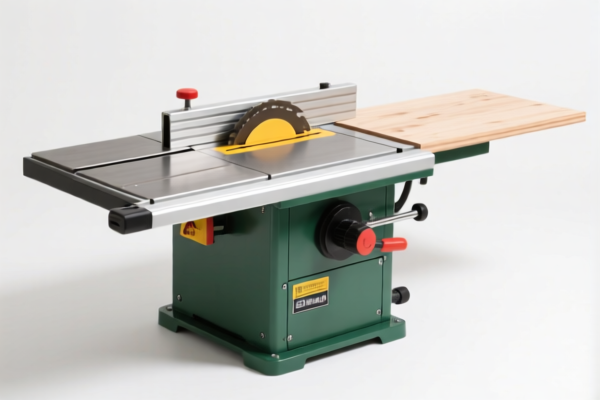
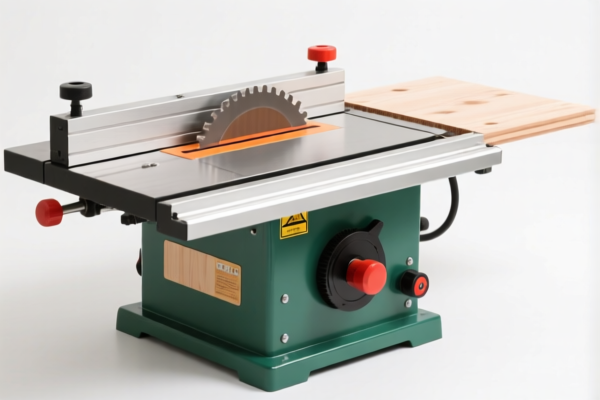
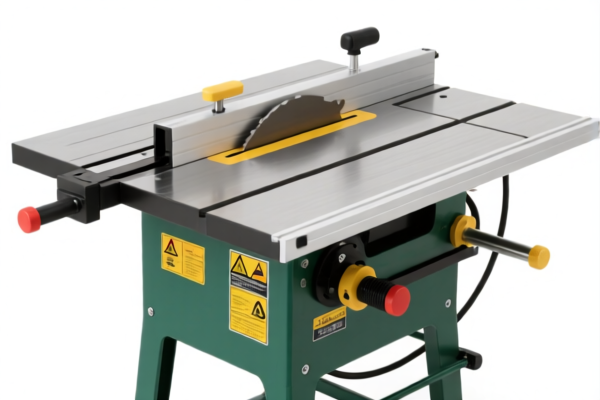
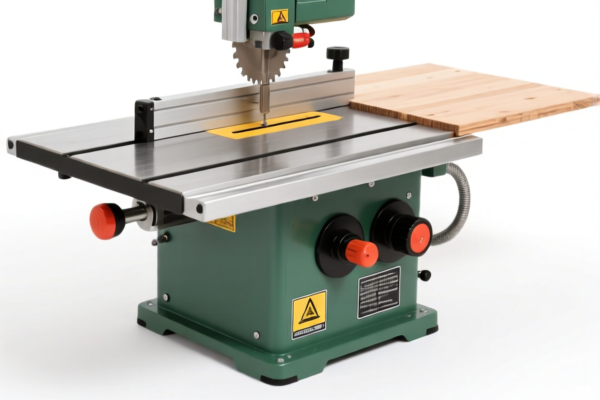
AI分析
🪚 Table Saw Cutter (Saws and Clamping Devices)
🌐 HS Code Reference & Customs Clearance Guide | 2026 Latest Tariff Analysis | Professional Clearance Strategy
📌 I. Product Definition & Classification: Do You Really Understand "Table Saw Cutters"?
"Table Saw Cutter" is a broad term that can refer to two distinct types of products in international trade: 1. The Cutting Element (Blade/Disc): The actual toothed steel disc or blade that performs the cutting action. 2. The Attachment/Fixture (Jig/Clamp): Devices used to hold wood or metal in place on a table saw (e.g., crosscut sleds, featherboards, or specialized clamping fixtures).
⚠️ Critical Distinction:
- If the item is the cutting tool itself (toothed disc/blade) → It falls under Chapter 82 (Tools) or Chapter 84 (Machinery Accessories).
- If the item is a holding device (jig/clamp) → It falls under Chapter 82 or Chapter 84 depending on whether it is considered a "part of the machine" or a "general purpose clamp."
📦 II. HS Code Classification Details (2026 Latest Tariff Authority Cross-Reference)
Based on the provided data, here are the valid classifications for "Table Saw Cutter" components:
| HS Code | Product Description | Application Scenario | Category Logic |
|---|---|---|---|
8202.31.00.00 |
Saws, circular, of steel | The main cutting blade/disc itself | ✅ Core Cutting Tool |
8466.93.98.85 |
Parts and accessories for machine-tools | Saw blade classified as an accessory to a machine tool | ✅ Machinery Accessory |
8202.91.30.00 |
Saws and saw-blades (other than circular) / Blades of steel | Various saw blades and steel saw strips; functionally identical to circular blades | ✅ General Saw Blade |
8205.70.00.90 |
Hand tools (incl. glaziers' diamonds); unsheathed parts of... | Table saw cutting jigs/fixtures; classified as pincers or similar holding devices | ✅ Clamping Fixture/Tool |
8466.20.80.20 |
Tool holders and self-opening dieholders; tool holders for working in hand; clamps and holders for tools and workpieces for machine-tools | Table saw cutting jigs specifically for metal-working machine tools | ✅ Machine Clamp/Holder |
🔍 Key Reminder:
- Cutting Blades: If it's a toothed steel disc used to cut, it primarily competes between 8202.31 (as a saw) and 8466.93 (as a machine part).
- Jigs/Clamps: If it's a device to hold the wood/metal, it is NOT a saw. It is a clamp/jig.
- Misclassification Risk: Declaring a clamp as a saw (or vice versa) leads to significant tariff differences and potential customs audits.
💰 III. 2026 Latest Tariff Rate Details (Including Surcharges & Policy Add-ons)
✅ Applicable Country: United States (US)
✅ Origin: China (CN)
✅ Effective Time: Current rates including Section 301 and 122 tariffs apply.
🎯 1. 8202.31.00.00 —— Circular Saws (Steel Material)
| Item | Content |
|---|---|
| Base Tariff | 0.0% |
| Additional Tariff (Sec 301) | +25.0% |
| Section 122 Tariff | +10.0% |
| Total Rate | 35.0% |
| Tax Calculation | CIF Value × 35% |
| De Minimis Exemption | ❌ Not Eligible (High-risk item for de minimis claims) |
| Legal Basis Path | USITC:8202.31.00.00 → Footnote: Sec 301 → Footnote: Sec 122 |
📌 Explanation:
- This is the most direct classification for a standard table saw blade.
- Base duty is 0%, but the 35% total effective rate makes it expensive.
- Section 122 (often related to specific national security or trade enforcement measures) adds an extra 10%.
🎯 2. 8466.93.98.85 —— Parts & Accessories for Machine Tools
| Item | Content |
|---|---|
| Base Tariff | 4.7% |
| Additional Tariff (Sec 301) | +25.0% |
| Section 122 Tariff | +10.0% |
| Total Rate | 39.7% |
| Tax Calculation | CIF Value × 39.7% |
| De Minimis Exemption | ❌ Not Eligible |
| Legal Basis Path | USITC:8466.93.98.85 → Footnote: Sec 301 → Footnote: Sec 122 |
📌 Explanation:
- If declared as a "part" of the table saw machine rather than a "saw" itself, the base duty rises to 4.7%.
- Total cost is higher (39.7%) than classifying it as a raw saw blade (35%).
- This classification is often used when the blade is sold specifically as a replacement part with packaging/marketing focused on machinery maintenance.
🎯 3. 8202.91.30.00 —— Other Saws and Saw-Blades
| Item | Content |
|---|---|
| Base Tariff | 0.0% |
| Additional Tariff (Sec 301) | +25.0% |
| Section 122 Tariff | +10.0% |
| Total Rate | 35.0% |
| Tax Calculation | CIF Value × 35% |
| De Minimis Exemption | ❌ Not Eligible |
| Legal Basis Path | USITC:8202.91.30.00 → Footnote: Sec 301 → Footnote: Sec 122 |
📌 Explanation:
- Covers "various saw blades and steel saw strips."
- Functionally identical to circular blades.
- Same rate (35%) as8202.31.00.00, but may be used for non-circular blades or when specific subheading nuances apply.
🎯 4. 8205.70.00.90 —— Table Saw Cutting Clamps/Jigs (Pincers/Clamps)
| Item | Content |
|---|---|
| Base Tariff | 5.0% |
| Additional Tariff (Sec 301) | +25.0% |
| Section 122 Tariff | +10.0% |
| Total Rate | 40.0% |
| Tax Calculation | CIF Value × 40.0% |
| De Minimis Exemption | ❌ Not Eligible |
| Legal Basis Path | USITC:8205.70.00.90 → Footnote: Sec 301 → Footnote: Sec 122 |
📌 Explanation:
- If the product is a fixture, jig, or clamp (not a cutting blade), it falls here.
- Highest base duty (5.0%) among the options.
- Total Rate 40.0% is the most expensive for standard items in this dataset.
- Crucial: Do not declare a clamp as a saw to save money; customs will reclassify and penalize.
🎯 5. 8466.20.80.20 —— Tool Holders/Clamps for Machine Tools
| Item | Content |
|---|---|
| Base Tariff | 3.7% |
| Additional Tariff (Sec 301) | +25.0% |
| Section 122 Tariff | +10.0% |
| Total Rate | 38.7% |
| Tax Calculation | CIF Value × 38.7% |
| De Minimis Exemption | ❌ Not Eligible |
| Legal Basis Path | USITC:8466.20.80.20 → Footnote: Sec 301 → Footnote: Sec 122 |
📌 Explanation:
- Specifically for clamps and holders for tools and workpieces for machine-tools.
- Lower base duty (3.7%) than general hand-tool clamps (8205.70).
- Total Rate 38.7% is slightly better than8205.70.00.90but still higher than saw blades.
- Use this if the item is clearly a machine-mounted clamp/jig.
🛠️ IV. Customs Clearance Practical Advice (Real-World Pitfall Guide)
✅ 1. Document Preparation Checklist (Essential)
| Document | Required | Description |
|---|---|---|
| ✅ Product Specification Sheet | ✔️ | Must specify: Blade diameter, tooth count, material (steel), OR Jig dimensions and material. |
| ✅ Clear Product Photos | ✔️ | Show the cutting teeth (for blades) or clamping mechanism (for jigs). |
| ✅ Commercial Invoice | ✔️ | Clearly state: "Circular Saw Blade" OR "Table Saw Cutting Jig/Clamp". Do not use vague terms like "Saw Part". |
| ✅ Bill of Lading/Air Waybill | ✔️ | Weight and dimensions must match invoice. |
| ✅ Country of Origin Certificate | ✔️ | If claiming exemption (rare for China origin in this category), but necessary for duty calculation. |
✅ 2. Declaration Tips (Key Mantras)
🔥 "Blade is Saw, Jig is Clamp; Name it Right, Avoid the Stamp!"
| Scenario | Correct Declaration | Wrong Declaration | Consequence |
|---|---|---|---|
| Toothed Steel Disc | "Circular Saw Blade, Steel" (8202.31.00.00) |
"Saw Accessory" (8466.93.98.85) |
Overpaying duty (35% vs 39.7%) + Audit risk |
| Wood/Metal Holding Jig | "Table Saw Cutting Jig/Clamp" (8466.20.80.20 or 8205.70.00.90) |
"Saw Blade" | Severe Misclassification: Fines, delay, or seizure |
| Replacement Blade | "Replacement Saw Blade for Table Saw" | "Machine Part" | May face higher base duty (39.7%) if deemed accessory rather than tool |
✅ 3. Special Handling Cases
| Case | Handling Advice |
|---|---|
| Blade + Jig Shipped Together | Split Declaration! Declare blade under 8202 and jig under 8205/8466. Do not bundle as "Saw Kit" unless specifically allowed, as rates differ (35% vs 38-40%). |
| Custom/OEM Blades | Provide design drawings to prove they are "saws" and not just "metal discs" (which might go to 7326). |
| Metal-Cutting vs Wood-Cutting Blades | If used for metal, ensure 8466.20.80.20 is considered if it's a holder, but blades usually stay in 8202. |
| De Minimis (Section 321) | ❌ Not Applicable. These items are subject to high Section 301 and 122 tariffs. Do not attempt to ship under $800 to avoid duties; customs will catch and penalize. |
🌍 V. Global Market Clearance Comparison (2026 Latest)
| Country/Region | Recommended HS Code | Tariff (China Origin) | Certification | Note |
|---|---|---|---|---|
| 🇺🇸 USA | 8202.31.00.00 |
35% (Saw Blade) 40% (Clamp) |
No specific tech cert, but safety labels required | Highest duties globally. |
| 🇨🇳 China | 8202.31.00.00 |
0% - 5% (Import Duty) | CCC (if sold domestically) | Low import tax for China. |
| 🇪🇺 EU | 8202.31.00.00 |
3.5% - 5.5% | CE Marking (Safety) | No Section 301 equivalent. |
| 🇬🇧 UK | 8202.31.00.00 |
5% | UKCA Marking | Post-Brexit tariffs apply. |
📌 Conclusion:
- USA is the most expensive market due to Section 301 (25%) and Section 122 (10%).
- Tariff Savings Opportunity: If you can source blades from Vietnam, Thailand, or Mexico, you may avoid Section 301/122 tariffs. Check Rules of Origin strictly.
📌 VI. Common Mistakes & Pitfall Guide (Lessons Learned)
❌ Mistake 1: Declaring a Clamp/Jig as a Saw Blade
👉 Result: If customs inspects and finds it's a clamp, they will reclassify to 8205.70 or 8466.20, increasing duty from 35% to 40%, plus penalties.
❌ Mistake 2: Declaring a Saw Blade as a Machine Part (8466.93)
👉 Result: You pay 39.7% instead of 35%. You lose $0.47 on every $100 of value unnecessarily.
❌ Mistake 3: Using vague descriptions like "Metal Cutting Tool"
👉 Result: Customs will assign the highest possible duty or delay shipment for "Detailed Examination."
❌ Mistake 4: Assuming De Minimis ($800) applies
👉 Result: Blocked. Section 301/122 tariffs explicitly exclude de minimis exemptions for Chinese origin goods in these categories.
✅ Correct Practice:
"Circular Saw Blade, Steel, 10-inch Diameter, 40 Teeth, for Wood Cutting"
OR
"Table Saw Cutting Jig, Aluminum, for Workpiece Clamping"
🎯 VII. Conclusion: Professional Declaration, Cost Control, Efficiency!
🎯 Remember the Mantra:
🔹 "Blade 35%, Clamp 40%, Accessory 39.7%; Name it Right, Save Thousands!"
🔹 "Section 301 is 25%, Section 122 is 10%; Total is High, Plan Ahead!"
📌 Pro Tip:
If your blades/jigs are manufactured in Vietnam, Malaysia, or Mexico, you MAY qualify for Section 301/122 Exemption.
✅ Action:
1. Obtain a Certificate of Origin from the non-China country.
2. Apply for Advance Ruling from CBP if unsure.
3. Never ship from China to US for these items if you want to save 35-40% duties.
📣 Immediate Action:
📞 Contact your customs broker with photos and technical specs.
🚀 Accurate HS Code = Accurate Duty = Smooth Clearance!
✨ Professional Customs Clearance Starts with Precise Classification!
💼 Every cent of tariff savings counts!
用户评价
关于 HS 编码归类
协调制度(HS)是由世界海关组织(WCO)制定的国际贸易商品分类标准。全球 200 多个国家采用 HS 系统作为海关关税、贸易统计和进出口监管的基础。
每个 HS 编码遵循以下层级结构:
- 章(2 位)——商品大类(例如:第 84 章:机器和机械设备)
- 品目(4 位)——章内的更具体分类
- 子目(6 位)——国际通用细分,所有 WCO 成员国统一使用
- 本国细分(8-10 位)——各国自行扩展的细分编码,如美国 HTSUS 10 位编码
正确的 HS 编码归类对于顺利通关、准确缴纳关税和遵守贸易法规至关重要。错误归类可能导致海关延误、多缴关税或罚款。
从CN进口到US时,适用的关税税率可能包括:
- 最惠国(MFN)税率——适用于 WTO 成员国的标准关税税率
- 普通税率——适用于无贸易协定国家
- 贸易救济关税——附加关税,如 301 条款(反倾销)、232 条款(国家安全)或反补贴税
本页内容仅供参考。如需正式归类,请咨询当地海关或持牌报关代理。