Table Saw Cutter
CN → US| HS Code | Tariff Rate | Origin | Destination | Doc |
|---|---|---|---|---|
| 8202310000 | 35.0% | CN | US | Official Doc |
| 8466939885 | 39.7% | CN | US | Official Doc |
| 8202913000 | 35.0% | CN | US | Official Doc |
| 8205700090 | 40.0% | CN | US | Official Doc |
| 8466208020 | 38.7% | CN | US | Official Doc |
Product Images
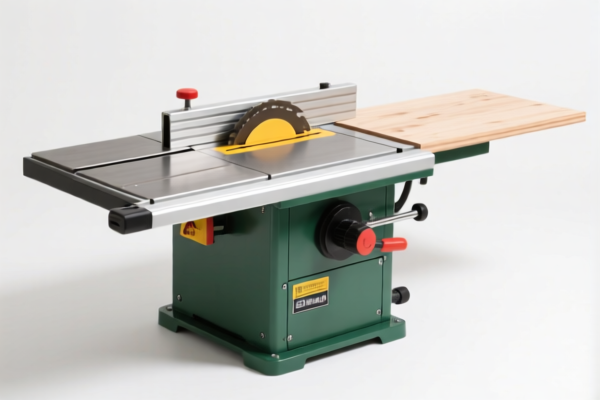
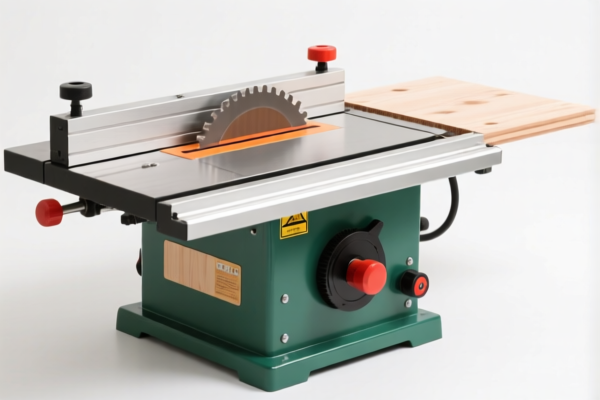
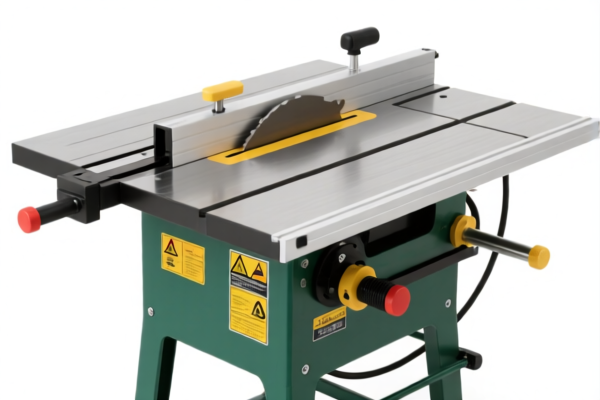
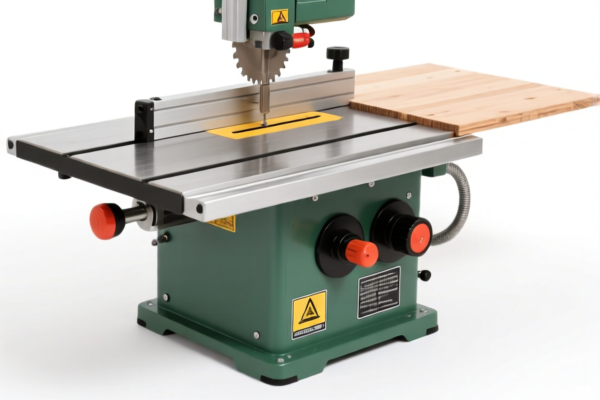
AI Analysis
🪚 Table Saw Cutter (Saws and Clamping Devices)
🌐 HS Code Reference & Customs Clearance Guide | 2026 Latest Tariff Analysis | Professional Clearance Strategy
📌 I. Product Definition & Classification: Do You Really Understand "Table Saw Cutters"?
"Table Saw Cutter" is a broad term that can refer to two distinct types of products in international trade: 1. The Cutting Element (Blade/Disc): The actual toothed steel disc or blade that performs the cutting action. 2. The Attachment/Fixture (Jig/Clamp): Devices used to hold wood or metal in place on a table saw (e.g., crosscut sleds, featherboards, or specialized clamping fixtures).
⚠️ Critical Distinction:
- If the item is the cutting tool itself (toothed disc/blade) → It falls under Chapter 82 (Tools) or Chapter 84 (Machinery Accessories).
- If the item is a holding device (jig/clamp) → It falls under Chapter 82 or Chapter 84 depending on whether it is considered a "part of the machine" or a "general purpose clamp."
📦 II. HS Code Classification Details (2026 Latest Tariff Authority Cross-Reference)
Based on the provided data, here are the valid classifications for "Table Saw Cutter" components:
| HS Code | Product Description | Application Scenario | Category Logic |
|---|---|---|---|
8202.31.00.00 |
Saws, circular, of steel | The main cutting blade/disc itself | ✅ Core Cutting Tool |
8466.93.98.85 |
Parts and accessories for machine-tools | Saw blade classified as an accessory to a machine tool | ✅ Machinery Accessory |
8202.91.30.00 |
Saws and saw-blades (other than circular) / Blades of steel | Various saw blades and steel saw strips; functionally identical to circular blades | ✅ General Saw Blade |
8205.70.00.90 |
Hand tools (incl. glaziers' diamonds); unsheathed parts of... | Table saw cutting jigs/fixtures; classified as pincers or similar holding devices | ✅ Clamping Fixture/Tool |
8466.20.80.20 |
Tool holders and self-opening dieholders; tool holders for working in hand; clamps and holders for tools and workpieces for machine-tools | Table saw cutting jigs specifically for metal-working machine tools | ✅ Machine Clamp/Holder |
🔍 Key Reminder:
- Cutting Blades: If it's a toothed steel disc used to cut, it primarily competes between 8202.31 (as a saw) and 8466.93 (as a machine part).
- Jigs/Clamps: If it's a device to hold the wood/metal, it is NOT a saw. It is a clamp/jig.
- Misclassification Risk: Declaring a clamp as a saw (or vice versa) leads to significant tariff differences and potential customs audits.
💰 III. 2026 Latest Tariff Rate Details (Including Surcharges & Policy Add-ons)
✅ Applicable Country: United States (US)
✅ Origin: China (CN)
✅ Effective Time: Current rates including Section 301 and 122 tariffs apply.
🎯 1. 8202.31.00.00 —— Circular Saws (Steel Material)
| Item | Content |
|---|---|
| Base Tariff | 0.0% |
| Additional Tariff (Sec 301) | +25.0% |
| Section 122 Tariff | +10.0% |
| Total Rate | 35.0% |
| Tax Calculation | CIF Value × 35% |
| De Minimis Exemption | ❌ Not Eligible (High-risk item for de minimis claims) |
| Legal Basis Path | USITC:8202.31.00.00 → Footnote: Sec 301 → Footnote: Sec 122 |
📌 Explanation:
- This is the most direct classification for a standard table saw blade.
- Base duty is 0%, but the 35% total effective rate makes it expensive.
- Section 122 (often related to specific national security or trade enforcement measures) adds an extra 10%.
🎯 2. 8466.93.98.85 —— Parts & Accessories for Machine Tools
| Item | Content |
|---|---|
| Base Tariff | 4.7% |
| Additional Tariff (Sec 301) | +25.0% |
| Section 122 Tariff | +10.0% |
| Total Rate | 39.7% |
| Tax Calculation | CIF Value × 39.7% |
| De Minimis Exemption | ❌ Not Eligible |
| Legal Basis Path | USITC:8466.93.98.85 → Footnote: Sec 301 → Footnote: Sec 122 |
📌 Explanation:
- If declared as a "part" of the table saw machine rather than a "saw" itself, the base duty rises to 4.7%.
- Total cost is higher (39.7%) than classifying it as a raw saw blade (35%).
- This classification is often used when the blade is sold specifically as a replacement part with packaging/marketing focused on machinery maintenance.
🎯 3. 8202.91.30.00 —— Other Saws and Saw-Blades
| Item | Content |
|---|---|
| Base Tariff | 0.0% |
| Additional Tariff (Sec 301) | +25.0% |
| Section 122 Tariff | +10.0% |
| Total Rate | 35.0% |
| Tax Calculation | CIF Value × 35% |
| De Minimis Exemption | ❌ Not Eligible |
| Legal Basis Path | USITC:8202.91.30.00 → Footnote: Sec 301 → Footnote: Sec 122 |
📌 Explanation:
- Covers "various saw blades and steel saw strips."
- Functionally identical to circular blades.
- Same rate (35%) as8202.31.00.00, but may be used for non-circular blades or when specific subheading nuances apply.
🎯 4. 8205.70.00.90 —— Table Saw Cutting Clamps/Jigs (Pincers/Clamps)
| Item | Content |
|---|---|
| Base Tariff | 5.0% |
| Additional Tariff (Sec 301) | +25.0% |
| Section 122 Tariff | +10.0% |
| Total Rate | 40.0% |
| Tax Calculation | CIF Value × 40.0% |
| De Minimis Exemption | ❌ Not Eligible |
| Legal Basis Path | USITC:8205.70.00.90 → Footnote: Sec 301 → Footnote: Sec 122 |
📌 Explanation:
- If the product is a fixture, jig, or clamp (not a cutting blade), it falls here.
- Highest base duty (5.0%) among the options.
- Total Rate 40.0% is the most expensive for standard items in this dataset.
- Crucial: Do not declare a clamp as a saw to save money; customs will reclassify and penalize.
🎯 5. 8466.20.80.20 —— Tool Holders/Clamps for Machine Tools
| Item | Content |
|---|---|
| Base Tariff | 3.7% |
| Additional Tariff (Sec 301) | +25.0% |
| Section 122 Tariff | +10.0% |
| Total Rate | 38.7% |
| Tax Calculation | CIF Value × 38.7% |
| De Minimis Exemption | ❌ Not Eligible |
| Legal Basis Path | USITC:8466.20.80.20 → Footnote: Sec 301 → Footnote: Sec 122 |
📌 Explanation:
- Specifically for clamps and holders for tools and workpieces for machine-tools.
- Lower base duty (3.7%) than general hand-tool clamps (8205.70).
- Total Rate 38.7% is slightly better than8205.70.00.90but still higher than saw blades.
- Use this if the item is clearly a machine-mounted clamp/jig.
🛠️ IV. Customs Clearance Practical Advice (Real-World Pitfall Guide)
✅ 1. Document Preparation Checklist (Essential)
| Document | Required | Description |
|---|---|---|
| ✅ Product Specification Sheet | ✔️ | Must specify: Blade diameter, tooth count, material (steel), OR Jig dimensions and material. |
| ✅ Clear Product Photos | ✔️ | Show the cutting teeth (for blades) or clamping mechanism (for jigs). |
| ✅ Commercial Invoice | ✔️ | Clearly state: "Circular Saw Blade" OR "Table Saw Cutting Jig/Clamp". Do not use vague terms like "Saw Part". |
| ✅ Bill of Lading/Air Waybill | ✔️ | Weight and dimensions must match invoice. |
| ✅ Country of Origin Certificate | ✔️ | If claiming exemption (rare for China origin in this category), but necessary for duty calculation. |
✅ 2. Declaration Tips (Key Mantras)
🔥 "Blade is Saw, Jig is Clamp; Name it Right, Avoid the Stamp!"
| Scenario | Correct Declaration | Wrong Declaration | Consequence |
|---|---|---|---|
| Toothed Steel Disc | "Circular Saw Blade, Steel" (8202.31.00.00) |
"Saw Accessory" (8466.93.98.85) |
Overpaying duty (35% vs 39.7%) + Audit risk |
| Wood/Metal Holding Jig | "Table Saw Cutting Jig/Clamp" (8466.20.80.20 or 8205.70.00.90) |
"Saw Blade" | Severe Misclassification: Fines, delay, or seizure |
| Replacement Blade | "Replacement Saw Blade for Table Saw" | "Machine Part" | May face higher base duty (39.7%) if deemed accessory rather than tool |
✅ 3. Special Handling Cases
| Case | Handling Advice |
|---|---|
| Blade + Jig Shipped Together | Split Declaration! Declare blade under 8202 and jig under 8205/8466. Do not bundle as "Saw Kit" unless specifically allowed, as rates differ (35% vs 38-40%). |
| Custom/OEM Blades | Provide design drawings to prove they are "saws" and not just "metal discs" (which might go to 7326). |
| Metal-Cutting vs Wood-Cutting Blades | If used for metal, ensure 8466.20.80.20 is considered if it's a holder, but blades usually stay in 8202. |
| De Minimis (Section 321) | ❌ Not Applicable. These items are subject to high Section 301 and 122 tariffs. Do not attempt to ship under $800 to avoid duties; customs will catch and penalize. |
🌍 V. Global Market Clearance Comparison (2026 Latest)
| Country/Region | Recommended HS Code | Tariff (China Origin) | Certification | Note |
|---|---|---|---|---|
| 🇺🇸 USA | 8202.31.00.00 |
35% (Saw Blade) 40% (Clamp) |
No specific tech cert, but safety labels required | Highest duties globally. |
| 🇨🇳 China | 8202.31.00.00 |
0% - 5% (Import Duty) | CCC (if sold domestically) | Low import tax for China. |
| 🇪🇺 EU | 8202.31.00.00 |
3.5% - 5.5% | CE Marking (Safety) | No Section 301 equivalent. |
| 🇬🇧 UK | 8202.31.00.00 |
5% | UKCA Marking | Post-Brexit tariffs apply. |
📌 Conclusion:
- USA is the most expensive market due to Section 301 (25%) and Section 122 (10%).
- Tariff Savings Opportunity: If you can source blades from Vietnam, Thailand, or Mexico, you may avoid Section 301/122 tariffs. Check Rules of Origin strictly.
📌 VI. Common Mistakes & Pitfall Guide (Lessons Learned)
❌ Mistake 1: Declaring a Clamp/Jig as a Saw Blade
👉 Result: If customs inspects and finds it's a clamp, they will reclassify to 8205.70 or 8466.20, increasing duty from 35% to 40%, plus penalties.
❌ Mistake 2: Declaring a Saw Blade as a Machine Part (8466.93)
👉 Result: You pay 39.7% instead of 35%. You lose $0.47 on every $100 of value unnecessarily.
❌ Mistake 3: Using vague descriptions like "Metal Cutting Tool"
👉 Result: Customs will assign the highest possible duty or delay shipment for "Detailed Examination."
❌ Mistake 4: Assuming De Minimis ($800) applies
👉 Result: Blocked. Section 301/122 tariffs explicitly exclude de minimis exemptions for Chinese origin goods in these categories.
✅ Correct Practice:
"Circular Saw Blade, Steel, 10-inch Diameter, 40 Teeth, for Wood Cutting"
OR
"Table Saw Cutting Jig, Aluminum, for Workpiece Clamping"
🎯 VII. Conclusion: Professional Declaration, Cost Control, Efficiency!
🎯 Remember the Mantra:
🔹 "Blade 35%, Clamp 40%, Accessory 39.7%; Name it Right, Save Thousands!"
🔹 "Section 301 is 25%, Section 122 is 10%; Total is High, Plan Ahead!"
📌 Pro Tip:
If your blades/jigs are manufactured in Vietnam, Malaysia, or Mexico, you MAY qualify for Section 301/122 Exemption.
✅ Action:
1. Obtain a Certificate of Origin from the non-China country.
2. Apply for Advance Ruling from CBP if unsure.
3. Never ship from China to US for these items if you want to save 35-40% duties.
📣 Immediate Action:
📞 Contact your customs broker with photos and technical specs.
🚀 Accurate HS Code = Accurate Duty = Smooth Clearance!
✨ Professional Customs Clearance Starts with Precise Classification!
💼 Every cent of tariff savings counts!
Customer Reviews
About HS Code Classification
The Harmonized System (HS) is an internationally standardized nomenclature developed by the World Customs Organization (WCO) to classify traded products. Over 200 countries use the HS system as the basis for customs tariffs, trade statistics, and import/export regulations.
Each HS code follows a hierarchical structure:
- Chapter (2 digits) — Broad category of goods (e.g., Chapter 84: Machinery and Mechanical Appliances)
- Heading (4 digits) — More specific grouping within the chapter
- Subheading (6 digits) — Internationally standardized breakdown, used by all WCO member countries
- National subdivisions (8-10 digits) — Country-specific extensions for further classification, such as US HTSUS 10-digit codes
Correct HS code classification is essential for smooth customs clearance, accurate duty payment, and compliance with trade regulations. Misclassification can lead to customs delays, overpayment of duties, or penalties.
When importing from CN to US, the applicable tariff rates may include:
- Most-Favored-Nation (MFN) rate — The standard duty rate applied to WTO members
- General rate — Applied to countries without trade agreements
- Trade remedy duties — Additional tariffs such as Section 301 (anti-dumping), Section 232 (national security), or countervailing duties
The information provided on this page is for reference purposes only. For official classification, please consult with your local customs authority or a licensed customs broker.