Tape Cutter
CN → US| HS编码 | 关税税率 | 原产国 | 目的国 | 文档 |
|---|---|---|---|---|
| 8205591000 | 42.2% | CN | US | 官方文档 |
| 8466208040 | 38.7% | CN | US | 官方文档 |
| 8205595510 | 40.3% | CN | US | 官方文档 |
商品图片
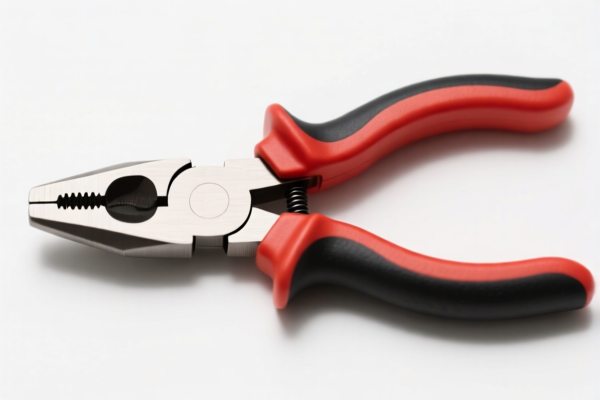
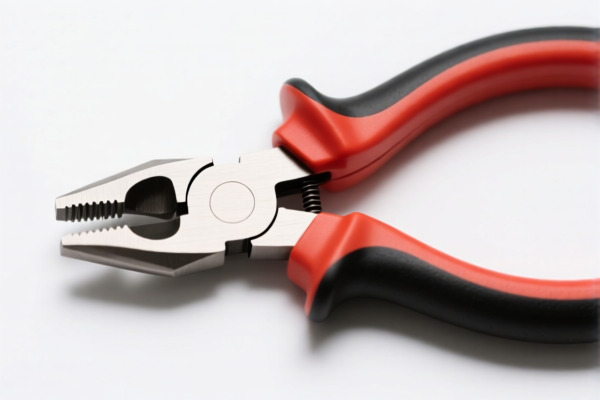
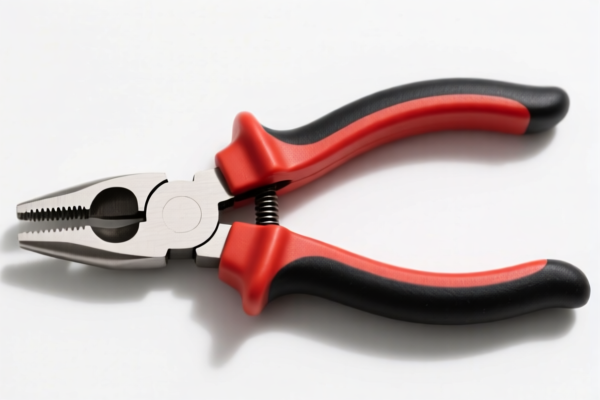
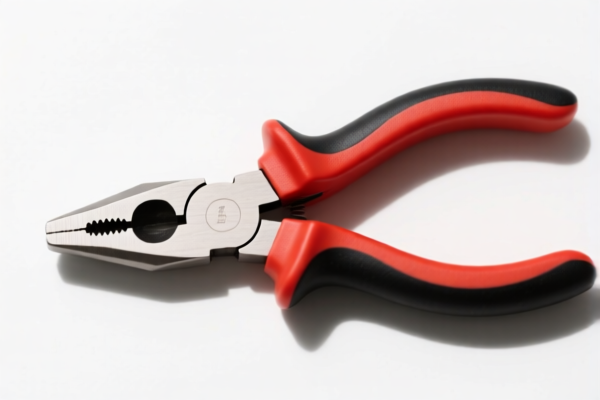
AI分析
✂️ Tape Cutter (皮带切割器)
🌐 HS Code Reference & Customs Clearance Guide | 2026 Latest Tariff Analysis | Professional Strategy
📌 I. Product Definition & Classification: Do You Truly Understand the "Tape Cutter"?
A Tape Cutter (often referred to as a Belt Cutter in industrial contexts) is a tool used for cutting belts, straps, or flexible materials. In international trade, its classification depends heavily on its material (metal vs. non-metal), mechanism (bladed vs. non-bladed), and function (hand tool vs. machine attachment).
⚠️ Critical Distinction Points:
- If it is a metal-bladed hand tool (like scissors or a utility knife) → Classified under Hand Tools (Chapter 82).
- If it is a mechanical fixture/jig used in machine operations → Classified under Machine Tool Accessories (Chapter 84).
- Note: The specific HS codes below are based on the provided data, implying three distinct interpretations of the tool's nature.
📦 II. HS Code Classification Details (Based on Provided Data)
| HS Code | Product Description & Logic | Application Scenario | Material/Type |
|---|---|---|---|
8205.59.10.00 |
Other Hand Tools: Non-specific cutting tools, likely metal or hard plastic. | General manual cutting, warehouse, light industrial use. | Metal or Hard Plastic |
8466.20.80.40 |
Tool Clamps & Fixtures: Auxiliary tooling for machining. | Industrial setups, belt cutting as part of a mechanical process. | Machine Accessory |
8205.59.55.10 |
Other Hand Tools with Cutting Edges: Specifically bladed metal tools. | Heavy-duty manual cutting, specialized metal/plastic belt cutting. | Metal (Iron/Steel) |
🔍 Key Insight:
- The difference between8205.59.10.00and8205.59.55.10lies in the specificity of the cutting edge. The latter (55) implies a more defined "bladed" tool, while the former (10) is a broader category.
-8466.20.80.40is fundamentally different: it treats the cutter not as a standalone hand tool, but as a fixture/jig attached to a machine.
💰 III. 2026 Latest Tariff Rate Breakdown (Including Surtaxes)
✅ Applicable Country: USA (US)
✅ Origin: China (CN)
✅ Effective Time: 2025+ (Based on current trade policies)
🎯 1. 8205.59.10.00 — Other Hand Tools (General)
| Item | Detail |
|---|---|
| Base Duty | 7.2% |
| Section 301 Surtax | +25.0% |
| Section 122 Duty | +10.0% |
| Total Effective Rate | 42.2% |
| Calculation | CIF Value × 42.2% |
| De Minimis Eligibility | ❌ Not Eligible (High combined rate usually triggers scrutiny) |
📌 Explanation:
- Base 7.2%: Standard MFN rate for other hand tools.
- 25% Surtax: From USITC Section 301 (Trade War tariffs on China).
- 10% Section 122: Likely refers to national security or specific statutory tariffs (e.g., U.S. Code Title 19, often related to steel/aluminum or specific supply chain restrictions).
- Total: 42.2%. This is a high-cost classification.
🎯 2. 8466.20.80.40 — Tool Clamps and Fixtures
| Item | Detail |
|---|---|
| Base Duty | 3.7% |
| Section 301 Surtax | +25.0% |
| Section 122 Duty | +10.0% |
| Total Effective Rate | 38.7% |
| Calculation | CIF Value × 38.7% |
| De Minimis Eligibility | ❌ Not Eligible |
📌 Explanation:
- Base 3.7%: Lower base rate for machine tool accessories compared to general hand tools.
- 301 & 122: Same surcharges apply as above.
- Total: 38.7%. Slightly cheaper than the general hand tool classification, but requires proof it is a "fixture" and not a simple hand tool.
🎯 3. 8205.59.55.10 — Other Hand Tools with Cutting Edges (Metal)
| Item | Detail |
|---|---|
| Base Duty | 5.3% |
| Section 301 Surtax | +25.0% |
| Section 122 Duty | +10.0% |
| Total Effective Rate | 40.3% |
| Calculation | CIF Value × 40.3% |
| De Minimis Eligibility | ❌ Not Eligible |
📌 Explanation:
- Base 5.3%: Specific rate for "other hand tools with cutting edges" made of iron/steel.
- 301 & 122: Same surcharges.
- Total: 40.3%. Falls between the general hand tool and the fixture classifications.
🛠️ IV. Customs Clearance Practical Advice (Pitfall Avoidance Guide)
✅ 1. Preparation Checklist (Essential Documents)
| Document | Required | Note |
|---|---|---|
| ✅ Product Specification Sheet | ✔️ | Must clearly state: Is it manual or machine-mounted? Material? |
| ✅ Photos (Clear View) | ✔️ | Show the tool in use, close-ups of the blade/mechanism. |
| ✅ BOM (Bill of Materials) | ✔️ | Confirm if metal parts constitute >50% of value/weight. |
| ✅ Commercial Invoice | ✔️ | Describe accurately: "Hand-held Belt Cutter" vs. "Machine Jig". |
| ✅ Packing List | ✔️ | Ensure no missing accessories that could reclassify the item. |
✅ 2. Classification Strategy & Tips
🔥 “Blade Defines Base, Machine Defines Chapter, Tax Adds 35%!”
| Scenario | Recommended HS Code | Reasoning |
|---|---|---|
| Simple Hand Tool (e.g., scissors, cutter) | 8205.59.10.00 |
General category, safest if material is mixed (metal/plastic). |
| Industrial Machine Fixture | 8466.20.80.40 |
Best Rate (38.7%) IF you can prove it's a jig/clamp for a machine. |
| Dedicated Metal Bladed Tool | 8205.59.55.10 |
Most accurate for all-metal cutting tools. |
⚠️ Warning:
- Do NOT declare a simple hand tool as8466.20.80.40without proof it is a fixture. Customs may reclassify it, leading to penalties and higher duties (though rates are similar, accuracy is key).
- If the tool is plastic or ceramic, it may fall outside these metal-specific categories. Check Chapter 82 notes carefully.
✅ 3. Special Cases
| Situation | Recommendation |
|---|---|
| OEM/White Label | Provide the buyer's technical drawing to justify the intended use (Hand vs. Machine). |
| Combo Pack | If sold with a belt, declare separately. Do not bundle unless the belt is an accessory. |
| Origin | If sourced from Vietnam/Mexico, you may avoid the 25% + 10% surcharges entirely. |
🌍 V. Global Market Comparison (2026)
| Region | Recommended HS Code | Est. Duty (China Origin) | Key Requirement |
|---|---|---|---|
| 🇺🇸 USA | 8205.59.10.00 / 8466.20.80.40 |
38.7% – 42.2% | Section 301 + 122 apply. High compliance needed. |
| 🇨🇳 China | 8205.59.10.00 |
~7.2% | No additional surcharges. |
| 🇪🇺 EU | 8205.59.10.00 |
~4.5% | CE marking required for safety tools. |
| 🇯🇵 Japan | 8205.59.10.00 |
~0-8% | JIS certification may be requested. |
📌 Conclusion:
- USA is the most challenging market due to the ~35-38% in surcharges (301 + 122).
- The base duty varies (3.7% to 7.2%), but the surtax is constant.
- Strategy: If possible, reclassify as8466.20.80.40(Fixture) to save 3.5% on the base duty, provided it fits the definition.
📌 VI. Common Errors & Pitfalls (Lessons Learned)
❌ Error 1: Calling it a "Knife" instead of "Cutter"
👉 Risk: May be misclassified as a razor blade (higher duty/restriction).
✅ Fix: Use "Hand Tool" or "Cutting Tool".
❌ Error 2: Ignoring the "Section 122" clause
👉 Risk: Underestimating total landed cost.
✅ Fix: Budget for +10% on top of the 301 tariff.
❌ Error 3: Declaring a hand tool as a machine part
👉 Risk: Customs rejection or audit for false classification.
✅ Fix: Only use 8466 if it is integrated into a machine workflow as a jig.
🎯 VII. Conclusion: Professional Declaration, Cost Optimization!
🎯 Key Takeaway:
🔹 "Hand Tool = ~42% | Machine Fixture = ~39% | Both = 35% Surcharge!"
🔹 "Check your material: Metal means Chapter 82. Machine means Chapter 84."
📌 Pro Tip:
If your tape cutters are manufactured outside China (e.g., Vietnam, Thailand), you can eliminate the 25% + 10% surcharges, reducing the total tax to just the Base Duty (3.7% - 7.2%). This is a massive cost saving.
📣 Action Item:
📞 Consult a Customs Broker to determine if your specific "Tape Cutter" qualifies as a Fixture (8466) to save 3.5%.
🚀 Optimize Supply Chain: Consider non-China origins to bypass Section 301 & 122 tariffs entirely.
✨ Precision in Classification Saves Dollars in Duties!
💼 Every Percent Counts in International Trade!
用户评价
关于 HS 编码归类
协调制度(HS)是由世界海关组织(WCO)制定的国际贸易商品分类标准。全球 200 多个国家采用 HS 系统作为海关关税、贸易统计和进出口监管的基础。
每个 HS 编码遵循以下层级结构:
- 章(2 位)——商品大类(例如:第 84 章:机器和机械设备)
- 品目(4 位)——章内的更具体分类
- 子目(6 位)——国际通用细分,所有 WCO 成员国统一使用
- 本国细分(8-10 位)——各国自行扩展的细分编码,如美国 HTSUS 10 位编码
正确的 HS 编码归类对于顺利通关、准确缴纳关税和遵守贸易法规至关重要。错误归类可能导致海关延误、多缴关税或罚款。
从CN进口到US时,适用的关税税率可能包括:
- 最惠国(MFN)税率——适用于 WTO 成员国的标准关税税率
- 普通税率——适用于无贸易协定国家
- 贸易救济关税——附加关税,如 301 条款(反倾销)、232 条款(国家安全)或反补贴税
本页内容仅供参考。如需正式归类,请咨询当地海关或持牌报关代理。