Tape Cutter
CN → US| HS Code | Tariff Rate | Origin | Destination | Doc |
|---|---|---|---|---|
| 8205591000 | 42.2% | CN | US | Official Doc |
| 8466208040 | 38.7% | CN | US | Official Doc |
| 8205595510 | 40.3% | CN | US | Official Doc |
Product Images
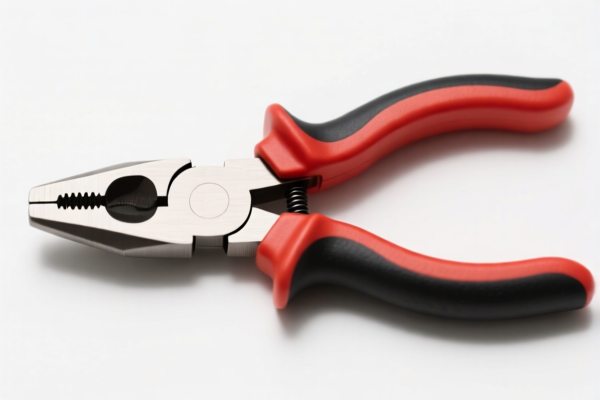
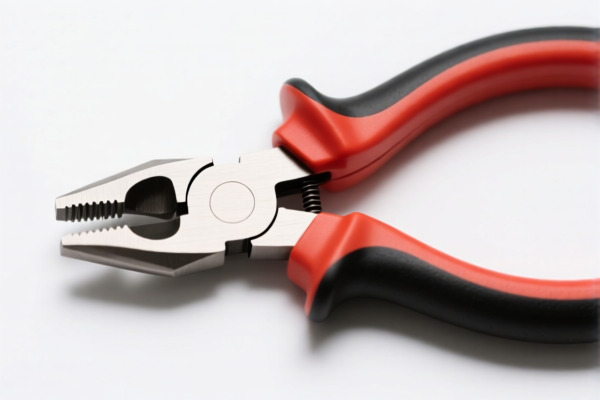
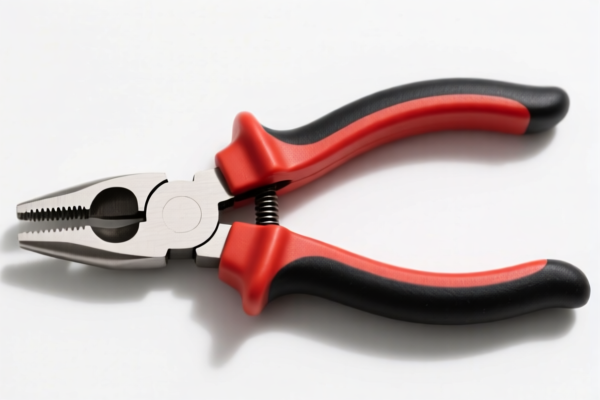
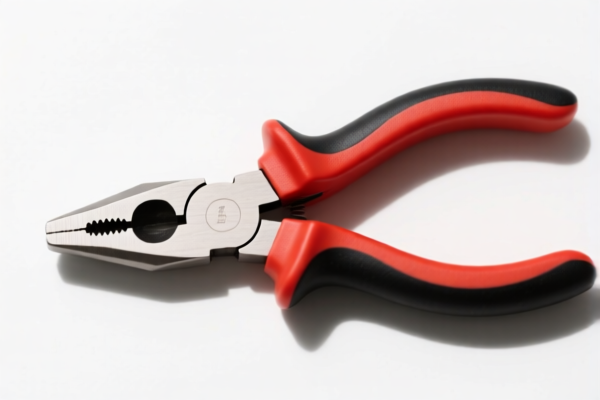
AI Analysis
✂️ Tape Cutter (皮带切割器)
🌐 HS Code Reference & Customs Clearance Guide | 2026 Latest Tariff Analysis | Professional Strategy
📌 I. Product Definition & Classification: Do You Truly Understand the "Tape Cutter"?
A Tape Cutter (often referred to as a Belt Cutter in industrial contexts) is a tool used for cutting belts, straps, or flexible materials. In international trade, its classification depends heavily on its material (metal vs. non-metal), mechanism (bladed vs. non-bladed), and function (hand tool vs. machine attachment).
⚠️ Critical Distinction Points:
- If it is a metal-bladed hand tool (like scissors or a utility knife) → Classified under Hand Tools (Chapter 82).
- If it is a mechanical fixture/jig used in machine operations → Classified under Machine Tool Accessories (Chapter 84).
- Note: The specific HS codes below are based on the provided data, implying three distinct interpretations of the tool's nature.
📦 II. HS Code Classification Details (Based on Provided Data)
| HS Code | Product Description & Logic | Application Scenario | Material/Type |
|---|---|---|---|
8205.59.10.00 |
Other Hand Tools: Non-specific cutting tools, likely metal or hard plastic. | General manual cutting, warehouse, light industrial use. | Metal or Hard Plastic |
8466.20.80.40 |
Tool Clamps & Fixtures: Auxiliary tooling for machining. | Industrial setups, belt cutting as part of a mechanical process. | Machine Accessory |
8205.59.55.10 |
Other Hand Tools with Cutting Edges: Specifically bladed metal tools. | Heavy-duty manual cutting, specialized metal/plastic belt cutting. | Metal (Iron/Steel) |
🔍 Key Insight:
- The difference between8205.59.10.00and8205.59.55.10lies in the specificity of the cutting edge. The latter (55) implies a more defined "bladed" tool, while the former (10) is a broader category.
-8466.20.80.40is fundamentally different: it treats the cutter not as a standalone hand tool, but as a fixture/jig attached to a machine.
💰 III. 2026 Latest Tariff Rate Breakdown (Including Surtaxes)
✅ Applicable Country: USA (US)
✅ Origin: China (CN)
✅ Effective Time: 2025+ (Based on current trade policies)
🎯 1. 8205.59.10.00 — Other Hand Tools (General)
| Item | Detail |
|---|---|
| Base Duty | 7.2% |
| Section 301 Surtax | +25.0% |
| Section 122 Duty | +10.0% |
| Total Effective Rate | 42.2% |
| Calculation | CIF Value × 42.2% |
| De Minimis Eligibility | ❌ Not Eligible (High combined rate usually triggers scrutiny) |
📌 Explanation:
- Base 7.2%: Standard MFN rate for other hand tools.
- 25% Surtax: From USITC Section 301 (Trade War tariffs on China).
- 10% Section 122: Likely refers to national security or specific statutory tariffs (e.g., U.S. Code Title 19, often related to steel/aluminum or specific supply chain restrictions).
- Total: 42.2%. This is a high-cost classification.
🎯 2. 8466.20.80.40 — Tool Clamps and Fixtures
| Item | Detail |
|---|---|
| Base Duty | 3.7% |
| Section 301 Surtax | +25.0% |
| Section 122 Duty | +10.0% |
| Total Effective Rate | 38.7% |
| Calculation | CIF Value × 38.7% |
| De Minimis Eligibility | ❌ Not Eligible |
📌 Explanation:
- Base 3.7%: Lower base rate for machine tool accessories compared to general hand tools.
- 301 & 122: Same surcharges apply as above.
- Total: 38.7%. Slightly cheaper than the general hand tool classification, but requires proof it is a "fixture" and not a simple hand tool.
🎯 3. 8205.59.55.10 — Other Hand Tools with Cutting Edges (Metal)
| Item | Detail |
|---|---|
| Base Duty | 5.3% |
| Section 301 Surtax | +25.0% |
| Section 122 Duty | +10.0% |
| Total Effective Rate | 40.3% |
| Calculation | CIF Value × 40.3% |
| De Minimis Eligibility | ❌ Not Eligible |
📌 Explanation:
- Base 5.3%: Specific rate for "other hand tools with cutting edges" made of iron/steel.
- 301 & 122: Same surcharges.
- Total: 40.3%. Falls between the general hand tool and the fixture classifications.
🛠️ IV. Customs Clearance Practical Advice (Pitfall Avoidance Guide)
✅ 1. Preparation Checklist (Essential Documents)
| Document | Required | Note |
|---|---|---|
| ✅ Product Specification Sheet | ✔️ | Must clearly state: Is it manual or machine-mounted? Material? |
| ✅ Photos (Clear View) | ✔️ | Show the tool in use, close-ups of the blade/mechanism. |
| ✅ BOM (Bill of Materials) | ✔️ | Confirm if metal parts constitute >50% of value/weight. |
| ✅ Commercial Invoice | ✔️ | Describe accurately: "Hand-held Belt Cutter" vs. "Machine Jig". |
| ✅ Packing List | ✔️ | Ensure no missing accessories that could reclassify the item. |
✅ 2. Classification Strategy & Tips
🔥 “Blade Defines Base, Machine Defines Chapter, Tax Adds 35%!”
| Scenario | Recommended HS Code | Reasoning |
|---|---|---|
| Simple Hand Tool (e.g., scissors, cutter) | 8205.59.10.00 |
General category, safest if material is mixed (metal/plastic). |
| Industrial Machine Fixture | 8466.20.80.40 |
Best Rate (38.7%) IF you can prove it's a jig/clamp for a machine. |
| Dedicated Metal Bladed Tool | 8205.59.55.10 |
Most accurate for all-metal cutting tools. |
⚠️ Warning:
- Do NOT declare a simple hand tool as8466.20.80.40without proof it is a fixture. Customs may reclassify it, leading to penalties and higher duties (though rates are similar, accuracy is key).
- If the tool is plastic or ceramic, it may fall outside these metal-specific categories. Check Chapter 82 notes carefully.
✅ 3. Special Cases
| Situation | Recommendation |
|---|---|
| OEM/White Label | Provide the buyer's technical drawing to justify the intended use (Hand vs. Machine). |
| Combo Pack | If sold with a belt, declare separately. Do not bundle unless the belt is an accessory. |
| Origin | If sourced from Vietnam/Mexico, you may avoid the 25% + 10% surcharges entirely. |
🌍 V. Global Market Comparison (2026)
| Region | Recommended HS Code | Est. Duty (China Origin) | Key Requirement |
|---|---|---|---|
| 🇺🇸 USA | 8205.59.10.00 / 8466.20.80.40 |
38.7% – 42.2% | Section 301 + 122 apply. High compliance needed. |
| 🇨🇳 China | 8205.59.10.00 |
~7.2% | No additional surcharges. |
| 🇪🇺 EU | 8205.59.10.00 |
~4.5% | CE marking required for safety tools. |
| 🇯🇵 Japan | 8205.59.10.00 |
~0-8% | JIS certification may be requested. |
📌 Conclusion:
- USA is the most challenging market due to the ~35-38% in surcharges (301 + 122).
- The base duty varies (3.7% to 7.2%), but the surtax is constant.
- Strategy: If possible, reclassify as8466.20.80.40(Fixture) to save 3.5% on the base duty, provided it fits the definition.
📌 VI. Common Errors & Pitfalls (Lessons Learned)
❌ Error 1: Calling it a "Knife" instead of "Cutter"
👉 Risk: May be misclassified as a razor blade (higher duty/restriction).
✅ Fix: Use "Hand Tool" or "Cutting Tool".
❌ Error 2: Ignoring the "Section 122" clause
👉 Risk: Underestimating total landed cost.
✅ Fix: Budget for +10% on top of the 301 tariff.
❌ Error 3: Declaring a hand tool as a machine part
👉 Risk: Customs rejection or audit for false classification.
✅ Fix: Only use 8466 if it is integrated into a machine workflow as a jig.
🎯 VII. Conclusion: Professional Declaration, Cost Optimization!
🎯 Key Takeaway:
🔹 "Hand Tool = ~42% | Machine Fixture = ~39% | Both = 35% Surcharge!"
🔹 "Check your material: Metal means Chapter 82. Machine means Chapter 84."
📌 Pro Tip:
If your tape cutters are manufactured outside China (e.g., Vietnam, Thailand), you can eliminate the 25% + 10% surcharges, reducing the total tax to just the Base Duty (3.7% - 7.2%). This is a massive cost saving.
📣 Action Item:
📞 Consult a Customs Broker to determine if your specific "Tape Cutter" qualifies as a Fixture (8466) to save 3.5%.
🚀 Optimize Supply Chain: Consider non-China origins to bypass Section 301 & 122 tariffs entirely.
✨ Precision in Classification Saves Dollars in Duties!
💼 Every Percent Counts in International Trade!
Customer Reviews
About HS Code Classification
The Harmonized System (HS) is an internationally standardized nomenclature developed by the World Customs Organization (WCO) to classify traded products. Over 200 countries use the HS system as the basis for customs tariffs, trade statistics, and import/export regulations.
Each HS code follows a hierarchical structure:
- Chapter (2 digits) — Broad category of goods (e.g., Chapter 84: Machinery and Mechanical Appliances)
- Heading (4 digits) — More specific grouping within the chapter
- Subheading (6 digits) — Internationally standardized breakdown, used by all WCO member countries
- National subdivisions (8-10 digits) — Country-specific extensions for further classification, such as US HTSUS 10-digit codes
Correct HS code classification is essential for smooth customs clearance, accurate duty payment, and compliance with trade regulations. Misclassification can lead to customs delays, overpayment of duties, or penalties.
When importing from CN to US, the applicable tariff rates may include:
- Most-Favored-Nation (MFN) rate — The standard duty rate applied to WTO members
- General rate — Applied to countries without trade agreements
- Trade remedy duties — Additional tariffs such as Section 301 (anti-dumping), Section 232 (national security), or countervailing duties
The information provided on this page is for reference purposes only. For official classification, please consult with your local customs authority or a licensed customs broker.