Tape Dispenser
CN → US| HS编码 | 关税税率 | 原产国 | 目的国 | 文档 |
|---|---|---|---|---|
| 8205591000 | 42.2% | CN | US | 官方文档 |
| 8466208040 | 38.7% | CN | US | 官方文档 |
| 8205595510 | 40.3% | CN | US | 官方文档 |
商品图片
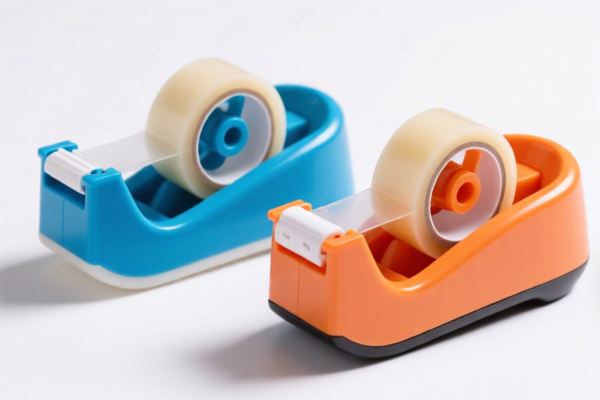
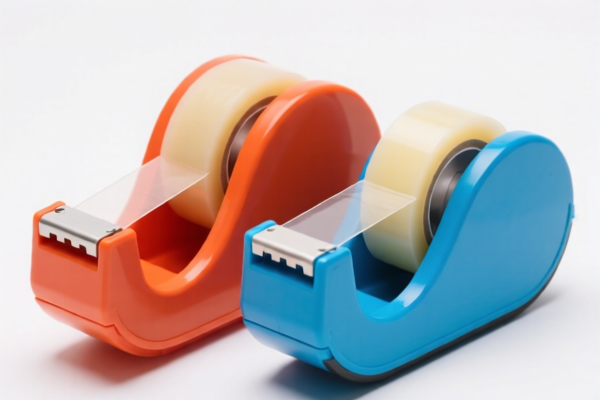
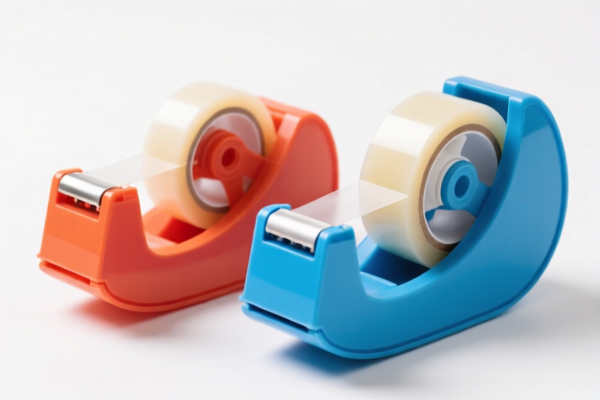
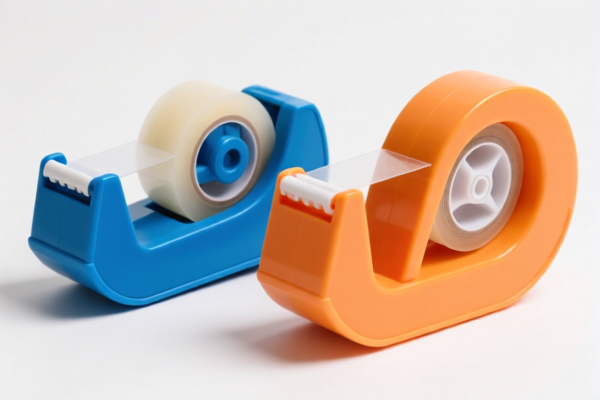
AI分析
📦 Tape Dispensers (Hand Tools & Machinery Parts)
🌐 HS Code Reference & Customs Clearance Guide | 2026 Latest Tariff Analysis | Professional Strategy for Belt Cutters/Dispensers
⚠️ Note on Product Terminology:
The input "Tape Dispenser" in the context of the provided data refers to industrial equipment described as "Belt Cutters" (often used for cutting rubber belts, conveyor belts, or heavy-duty tape). The analysis below strictly follows the provided HS codes and tax details for these specific industrial cutting tools.
📦 一、HS Code Classification Matrix (Based on Provided Data)
| HS Code | Product Description & Classification Logic | Total Tax Rate | Tax Breakdown |
|---|---|---|---|
| 8205.59.10.00 | Hand Tool – Belt Cutter Classified as a hand tool for cutting. Material inferred as metal or hard plastic. Focuses on the "hand-operated cutting" function. |
42.2% | Base: 7.2% Retaliatory: 25.0% Section 122: 10% |
| 8466.20.80.40 | Machine Tool Accessory – Fixture/Holder Classified as a fixture and clamping device (tool/fixture). It is considered an auxiliary tool for machining, not a standalone hand tool. |
38.7% | Base: 3.7% Retaliatory: 25.0% Section 122: 10% |
| 8205.59.55.10 | Hand Tool – Sharp-edged Tool Classified as a sharp-edged hand tool. Material inferred as metal (iron/steel). Fits under "other" categories for sharp tools. |
40.3% | Base: 5.3% Retaliatory: 25.0% Section 122: 10% |
🧠 二、Classification Logic: Why These HS Codes?
1️⃣ HS Code 8205.59.10.00: The "Hand Tool" Perspective
- Logic: Customs views the device primarily as a hand-operated cutting instrument.
- Key Criterion: The user holds the device and applies manual force to cut the belt/tape.
- Material Assumption: Metal or hard plastic construction.
- Tax Impact: Highest base duty (7.2%) among the options, leading to the highest total tax (42.2%).
2️⃣ HS Code 8466.20.80.40: The "Machine Accessory" Perspective
- Logic: The device is viewed as a fixture or clamping aid for machining processes. It stabilizes or holds material during a cutting or machining operation.
- Key Criterion: It is an auxiliary tool for machinery, not a primary tool itself.
- Tax Impact: Lowest base duty (3.7%), resulting in the lowest total tax (38.7%). This is the most cost-effective classification IF it can be legally justified as a fixture.
3️⃣ HS Code 8205.59.55.10: The "Sharp-Edged Metal Tool" Perspective
- Logic: The device is categorized under sharp-edged hand tools made of metal (iron/steel).
- Key Criterion: Emphasis on the material (metal) and the sharp edge function.
- Tax Impact: Mid-range base duty (5.3%), leading to a moderate total tax (40.3%).
💰 三、Tariff Structure Explanation (Detailed Breakdown)
All three classifications are subject to a complex tariff structure, likely targeting specific industrial inputs. Here is the detailed breakdown:
| Tax Component | Rate | Description |
|---|---|---|
| Base Duty (MFN) | 3.7% - 7.2% | The standard Most Favored Nation duty rate for the specific HS code. Varies based on whether it's seen as a tool (8205) or a fixture (8466). |
| Retaliatory Duty | 25.0% | A significant additional tariff, likely under Section 301 or similar trade remedy measures against specific country origins (e.g., China). This is the dominant cost driver. |
| Section 122 Duty | 10.0% | A specific statutory duty (Section 122) applied to certain imports, often used for national security or emergency reasons. |
| TOTAL TAX | 38.7% - 42.2% | Sum of Base + Retaliatory + Section 122. |
📌 Critical Insight:
The 25% Retaliatory Duty is fixed across all categories. The only variable is the Base Duty.
- Saving Opportunity: Choosing HS Code 8466.20.80.40 saves 3.5% in total tax compared to the most expensive option (8205.59.10.00).
- Risk Warning: Misclassifying a hand tool as a machine fixture (8466) can lead to customs penalties if the device is clearly a handheld cutter.
🛠️ 四、Customs Clearance & Compliance Strategy
✅ 1. Declaration Best Practices
- Product Name: Use precise industrial terminology. Instead of just "Tape Dispenser," use:
- "Industrial Belt Cutter, Hand-Held, Metal Blade" (for 8205.59.10.00)
- "Cutting Fixture for Belt Processing Machinery" (for 8466.20.80.40)
- "Heavy-Duty Steel Belt Cutter with Sharp Edge" (for 8205.59.55.10)
- Function Description: Clearly state whether the tool is hand-held or mounted/used as a fixture.
✅ 2. Documentation Requirements
- Technical Specifications: Include material composition (e.g., "Stainless Steel Blade," "Hard Plastic Handle").
- Usage Statement: Provide a clear description of how the tool is used. Is it a standalone cutter, or part of a larger machine setup?
- Photos: High-resolution images showing the tool's structure, especially the cutting edge or clamping mechanism.
✅ 3. Risk Mitigation
- Pre-Ruling: Consider applying for an Advance Ruling from customs to confirm the correct HS code before shipment.
- Avoid "Tape Dispenser" for Consumer Goods: If this is a simple office tape dispenser, these industrial HS codes are incorrect. The provided data is for industrial belt/cutter tools. Using consumer classifications for industrial tools will result in delays and fines.
🌍 五、Global Market Comparison (2026 Context)
| Market | Classification Trend | Key Consideration |
|---|---|---|
| 🇺🇸 United States | Strict scrutiny on "Retaliatory Duties" | The 25% + 10% surcharge is critical. Ensure origin is correctly declared to avoid anti-dumping inquiries. |
| 🇪🇺 European Union | Focus on "Hand Tools" vs. "Machinery Parts" | EU may classify similar items under 8205 but with different base rates. Check if Section 122 equivalents exist. |
| 🇨🇳 China | Import Duty Structure | Different base rates apply. If exporting from the US, the 25% retaliatory duty may not apply to re-exports. |
🎯 六、Final Recommendation
- Best Cost-Efficiency: Aim for HS Code 8466.20.80.40 (38.7% total tax) IF the device can be legitimately described as a fixture or clamping device for machinery. This requires strong technical justification.
- Safest for Handheld Tools: Use HS Code 8205.59.10.00 (42.2%) if it is a standard handheld cutter. It is the most straightforward classification for "hand tools."
- Avoid Ambiguity: Do not use generic terms like "Tape Dispenser" in customs declarations. Use specific industrial terms like "Belt Cutter" or "Cutting Fixture."
🚀 Pro Tip:
"Classify by Function, Not Just Name.
If it holds the belt during cutting → 8466 (38.7%).
If it cuts manually → 8205 (40-42%).
Always verify with a licensed customs broker before shipping!"
✨ Precision in Classification Saves Millions.
💼 Don't let tariff ambiguity cut into your profits!
用户评价
关于 HS 编码归类
协调制度(HS)是由世界海关组织(WCO)制定的国际贸易商品分类标准。全球 200 多个国家采用 HS 系统作为海关关税、贸易统计和进出口监管的基础。
每个 HS 编码遵循以下层级结构:
- 章(2 位)——商品大类(例如:第 84 章:机器和机械设备)
- 品目(4 位)——章内的更具体分类
- 子目(6 位)——国际通用细分,所有 WCO 成员国统一使用
- 本国细分(8-10 位)——各国自行扩展的细分编码,如美国 HTSUS 10 位编码
正确的 HS 编码归类对于顺利通关、准确缴纳关税和遵守贸易法规至关重要。错误归类可能导致海关延误、多缴关税或罚款。
从CN进口到US时,适用的关税税率可能包括:
- 最惠国(MFN)税率——适用于 WTO 成员国的标准关税税率
- 普通税率——适用于无贸易协定国家
- 贸易救济关税——附加关税,如 301 条款(反倾销)、232 条款(国家安全)或反补贴税
本页内容仅供参考。如需正式归类,请咨询当地海关或持牌报关代理。