Textile Article
CN → US| HS编码 | 关税税率 | 原产国 | 目的国 | 文档 |
|---|---|---|---|---|
| 5007903020 | 35.8% | CN | US | 官方文档 |
| 5001000000 | 35.0% | CN | US | 官方文档 |
| 5911101000 | 37.9% | CN | US | 官方文档 |
| 5911310010 | 38.8% | CN | US | 官方文档 |
商品图片
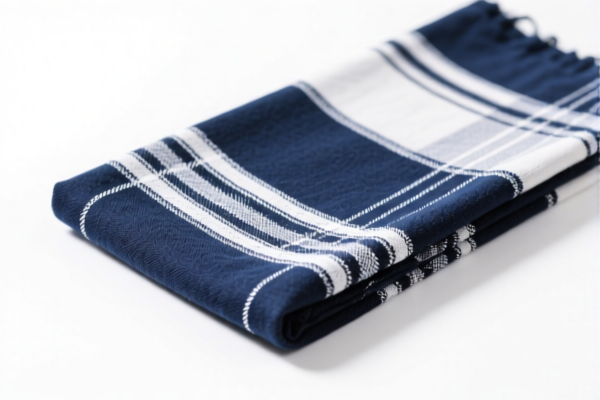
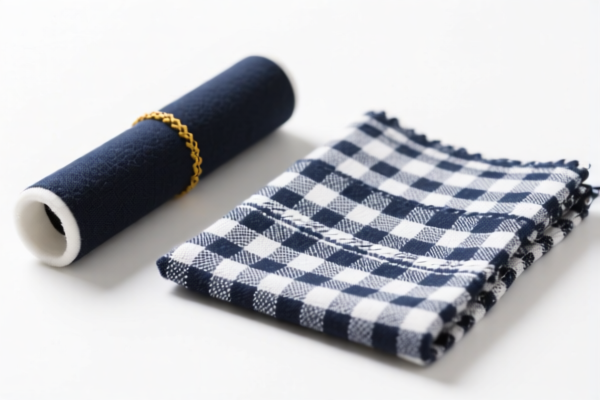
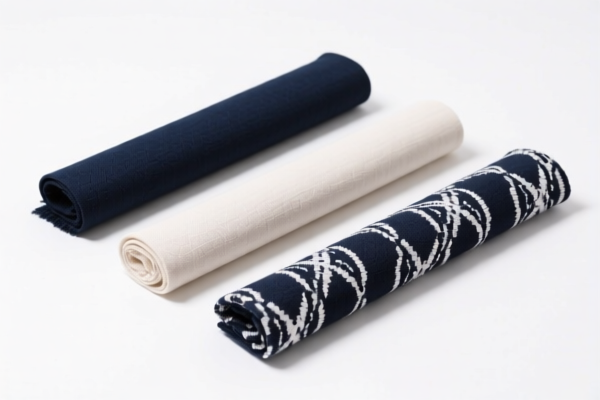
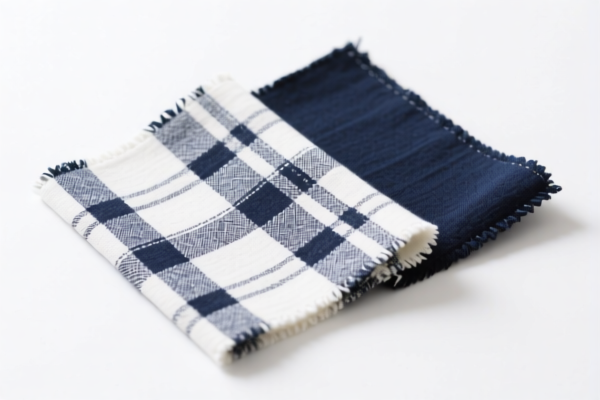
AI分析
🧵 Textile Articles: The Ultimate Classification & Tariff Guide (US Market 2026)
🌐 HS Code Reference & Customs Clearance Guide | 2026 Latest Tariff Analysis | Professional Clearance Strategy
📌 I. Product Definition & Classification: Do You Really Understand "Textiles"?
"Textile Article" is a broad category in international trade, covering everything from raw fibers to finished fabrics and technical textiles. In the US market, accurate classification is critical because China-origin textiles face significant additional tariffs under Section 301 and IEEPA provisions.
Textiles are generally divided into three categories: 1. Raw/Intermediate Textiles: Yarns, raw silk, or semi-processed fabrics (e.g., Greige goods). 2. Finished Woven Fabrics: Woven materials used for clothing, home textiles, or industrial applications. 3. Technical Textiles: Specialized fabrics designed for specific industrial, medical, or high-performance uses.
⚠️ Key Distinction Point:
- If the product is semi-processed (e.g., unbleached, unfinished fabric) → Usually falls under Chapter 50/52/54 intermediate codes.
- If the product is finished woven fabric → Usually falls under 5007.90.30.20.
- If the product is specialized for industrial/technical use → Usually falls under Chapter 59 (e.g., 5911).
📦 II. HS Code Classification Details (2026 Latest Tariff Authority Cross-Reference)
Based on the provided data, here are the 5 potential HS Code classifications for "Textile Articles," along with their tax details and usage scenarios.
| HS Code | Product Description | Application Scenario | Total Tax Rate |
|---|---|---|---|
5007.90.30.20 |
Woven Textiles, Form: Fabric, No Material Conflict | Finished woven fabrics; reasonable inference match; no specific attribute conflict. | 35.8% |
5001.00.00.00 |
Woven Textiles, Semi-finished/Intermediate Form, Generic Attribute Match | Raw silk, thrown silk, or semi-processed textile intermediates. | 35.0% |
5911.10.10.00 |
Technical Textiles, For Technical Use, Consistent Use Case | Textiles used for specific industrial/technical purposes (e.g., filtration, strengthening). | 37.9% |
5911.31.00.10 |
Technical Textiles, Textile Fabrics & Felt, Description Missing but No Conflict | Felt and other needleloom fabrics; general description without conflict. | 38.8% |
5007.90.30.20 |
Woven Textiles, Reasonable Inference Match, No Specific Attribute Conflict | Repeated entry for finished woven fabrics; standard classification for general woven textiles. | 35.8% |
🔍 Key Reminder:
- Finished Woven Fabrics typically fall under 5007.90.30.20 with a total tax of 35.8%.
- Technical/Industrial Textiles fall under Chapter 59 (e.g., 5911.10.10.00 or 5911.31.00.10) with higher base tariffs (2.9%-3.8%) leading to totals of 37.9%-38.8%.
- Intermediate/Semi-finished Goods (like raw silk) fall under 5001.00.00.00 with a slightly lower total tax of 35.0%.
💰 III. 2026 Latest Tariff Rate Breakdown (Including Surcharges & Policy Add-ons)
✅ Applicable Country: United States (US)
✅ Origin: China (CN)
✅ Effective Date: 2025 November 10 onwards (including subsequent imports)
🎯 1. 5007.90.30.20 —— Woven Textiles (Finished Fabric)
| Item | Content |
|---|---|
| Base Tariff | 0.8% (ad valorem) |
| Section 301 Additional Tariff | +25.0% (USITC Footnote 9903.88.01) |
| IEEPA Additional Tariff | +10.0% (Targeting China/HK products, effective Nov 10, 2025) |
| Total Tax Rate | 35.8% |
| Tax Calculation | CIF Value × 35.8% |
| De Minimis Exemption | ❌ Not Eligible (deny_de_minimis) |
| Legal Basis Path | IEEPA:9903.01.25 → IEEPA:9903.01.24 → USITC:5007.90.30.20 → FOOTNOTE:9903.88.01 |
📌 Explanation:
- The 25% additional tariff comes from USITC Footnote 9903.88.01 under Section 301;
- The 10% IEEPA tariff is an additional对华 surcharge;
- Total 35.8% is a high tariff, requiring advance planning!
🎯 2. 5001.00.00.00 —— Woven Textiles (Intermediate/Semi-finished)
| Item | Content |
|---|---|
| Base Tariff | 0.0% |
| Section 301 Additional Tariff | +25.0% |
| IEEPA Additional Tariff | +10.0% |
| Total Tax Rate | 35.0% |
| Tax Calculation | CIF Value × 35.0% |
| De Minimis Exemption | ❌ Not Eligible |
| Legal Basis Path | IEEPA:9901.25 → IEEPA:9903.01.24 → USITC:5001.00.00.00 → FOOTNOTE:9903.88.01 |
📌 Note:
- This code applies to semi-processed textiles (e.g., raw silk, greige fabric);
- Although the base tariff is 0%, the 35.0% total is still significant;
- Suitable for B2B industrial supply chains where the fabric will be further processed.
🎯 3. 5911.10.10.00 —— Technical Textiles (For Technical Use)
| Item | Content |
|---|---|
| Base Tariff | 2.9% |
| Section 301 Additional Tariff | +25.0% |
| IEEPA Additional Tariff | +10.0% |
| Total Tax Rate | 37.9% |
| Tax Calculation | CIF Value × 37.9% |
| De Minimis Exemption | ❌ Not Eligible |
| Legal Basis Path | IEEPA:9903.01.25 → IEEPA:9903.01.24 → USITC:5911.10.10.00 → FOOTNOTE:9903.88.01 |
📌 Explanation:
- Technical textiles have a higher base tariff (2.9%) due to their specialized nature;
- Total rate reaches 37.9%, making them more expensive to import than general woven fabrics;
- Common uses: Filtration fabrics, reinforcing textiles, industrial belts.
🎯 4. 5911.31.00.10 —— Technical Textiles (Fabrics & Felt)
| Item | Content |
|---|---|
| Base Tariff | 3.8% |
| Section 301 Additional Tariff | +25.0% |
| IEEPA Additional Tariff | +10.0% |
| Total Tax Rate | 38.8% |
| Tax Calculation | CIF Value × 38.8% |
| De Minimis Exemption | ❌ Not Eligible |
| Legal Basis Path | IEEPA:9903.01.25 → IEEPA:9903.01.24 → USITC:5911.31.00.10 → FOOTNOTE:9903.88.01 |
📌 Note:
- This code covers felt and needleloom fabrics;
- It has the highest total tax rate (38.8%) among the listed codes;
- Base tariff is 3.8%, the highest in this dataset.
🛠️ IV. Customs Clearance Practical Advice (Real-World Pitfall Avoidance Guide)
✅ 1. Required Documentation Checklist (Indispensable)
| Document | Mandatory? | Description |
|---|---|---|
| ✅ Product Specification Sheet | ✔️ | Must include material composition, weave type, weight, width, and intended use. |
| ✅ Product Photos (Label/Tag) | ✔️ | Clear images of the fabric roll, label, and any technical markings. |
| ✅ Commercial Invoice | ✔️ | Clearly state "Woven Textile" or "Technical Textile" with exact HS Code. |
| ✅ Packing List | ✔️ | Detail net/gross weight, dimensions, and number of packages. |
| ✅ Certificate of Origin (CO) | ✔️ | If non-China origin, may qualify for preferential rates. |
| ✅ Third-Party Test Report | ✔️ | For technical textiles, provide proof of technical performance (e.g., filtration efficiency). |
✅ 2. Declaration Tips (Key Mantra)
🔥 "Define the State: Raw, Finished, or Technical? Name Precisely, Tax Minimizes!"
| Scenario | Correct Declaration | Wrong Approach |
|---|---|---|
| Finished Woven Fabric | 5007.90.30.20 (35.8%) |
Misclassify as technical textile → 37.9%+ |
| Semi-finished/Greige Fabric | 5001.00.00.00 (35.0%) |
Misclassify as finished → 35.8% |
| Technical/Industrial Fabric | 5911.10.10.00 or 5911.31.00.10 (37.9%-38.8%) |
Misclassify as general fabric → Risk of penalty |
| Felt/Needleloom Fabric | 5911.31.00.10 (38.8%) |
Misclassify as woven fabric → 35.8% (but may trigger customs audit) |
✅ 3. Special Case Handling
| Situation | Handling Advice |
|---|---|
| OEM Custom Fabrics | Provide customer orders + design specs to avoid "non-standard" classification issues. |
| Technical Textiles | Must provide technical performance proof (e.g., filtration rate, tensile strength) to justify HS Code 5911. |
| Mixed Shipments | If a shipment contains both finished fabrics and technical textiles, declare separately to avoid misclassification penalties. |
| Non-China Origin | If fabric is woven in Vietnam, Bangladesh, etc., provide CO to potentially avoid IEEPA 10% surcharge. |
🌍 V. Global Market Customs Comparison (2026 Latest)
| Country/Region | Recommended HS Code | Tariff (China Origin) | Certification Requirements | Remarks |
|---|---|---|---|---|
| 🇺🇸 USA | 5007.90.30.20 |
35.8% (Woven) | No special certs needed for general textiles | Higher for technical textiles (37.9%-38.8%) |
| 🇨🇳 China | 5007.90.30.20 |
~5-10% (Import) | None | No additional surcharges |
| 🇪🇺 EU | 5007.90.30.20 |
~4% (Import) | OEKO-TEX (if consumer) | No Section 301/IEEPA surcharges |
| 🇦🇺 Australia | 5007.90.30.20 |
~5% (Import) | No special certs | No additional surcharges |
| 🇯🇵 Japan | 5007.90.30.20 |
~0-5% (Import) | No special certs | No additional surcharges |
📌 Conclusion:
- The US is the only major market imposing high additional tariffs (30-38.8%) on Chinese textiles.
- China-origin textiles face a huge cost disadvantage in the US market. Consider supply chain diversification (e.g., sourcing from Vietnam, India, or Bangladesh).
📌 VI. Common Errors & Pitfall Guide (Lessons from Blood & Tears)
❌ Error 1: Misclassifying technical textiles as general woven fabrics
👉 Consequence: Under-declaration → Customs audit, back taxes, and fines!
❌ Error 2: Declaring semi-finished fabric as finished fabric
👉 Consequence: Minor rate difference (35.0% vs 35.8%), but may trigger inspection if usage doesn't match.
❌ Error 3: Failing to provide technical performance data for Chapter 59 goods
👉 Consequence: Customs may reclassify to a different code or deny entry due to lack of proof.
❌ Error 4: Using vague descriptions like "Textile Article"
👉 Consequence: Customs will classify based on the worst-case scenario or detain the shipment.
✅ Correct Practice:
"Woven Polyester Fabric, 100% Polyester, 150gsm, White, For Apparel Use, HS Code 5007.90.30.20"
OR
"Technical Textile, Filtration Felt, Polypropylene, Industrial Use, HS Code 5911.31.00.10"
🎯 VII. Conclusion: Precision in Classification Saves Costs!
🎯 Remember the Mantra:
🔹 "Woven is 35.8%, Technical is 38.8%, Semi-finished is 35.0%. Classify Right, Save Big!"
🔹 "HS Code Determines Tariff, 3% Difference Can Cost Thousands! Declare Precisely!"
📌 Pro Tip:
If your textiles are originating from Vietnam, India, Bangladesh, or Turkey, you may qualify for IEEPA exemption or lower tariffs.
Recommendation: Apply for an Advance Ruling (Pre-classification) before shipping to avoid clearance risks.
📣 Immediate Action:
📞 Contact a professional customs broker + Provide product specs + Apply for HS Code Pre-classification
🚀 Ensure your textiles clear customs smoothly, reduce costs, and boost profits!
✨ Professional clearance starts with accurate classification!
💼 Every cent of your cost deserves precise calculation!
用户评价
关于 HS 编码归类
协调制度(HS)是由世界海关组织(WCO)制定的国际贸易商品分类标准。全球 200 多个国家采用 HS 系统作为海关关税、贸易统计和进出口监管的基础。
每个 HS 编码遵循以下层级结构:
- 章(2 位)——商品大类(例如:第 84 章:机器和机械设备)
- 品目(4 位)——章内的更具体分类
- 子目(6 位)——国际通用细分,所有 WCO 成员国统一使用
- 本国细分(8-10 位)——各国自行扩展的细分编码,如美国 HTSUS 10 位编码
正确的 HS 编码归类对于顺利通关、准确缴纳关税和遵守贸易法规至关重要。错误归类可能导致海关延误、多缴关税或罚款。
从CN进口到US时,适用的关税税率可能包括:
- 最惠国(MFN)税率——适用于 WTO 成员国的标准关税税率
- 普通税率——适用于无贸易协定国家
- 贸易救济关税——附加关税,如 301 条款(反倾销)、232 条款(国家安全)或反补贴税
本页内容仅供参考。如需正式归类,请咨询当地海关或持牌报关代理。