Textile Article
CN → US| HS Code | Tariff Rate | Origin | Destination | Doc |
|---|---|---|---|---|
| 5007903020 | 35.8% | CN | US | Official Doc |
| 5001000000 | 35.0% | CN | US | Official Doc |
| 5911101000 | 37.9% | CN | US | Official Doc |
| 5911310010 | 38.8% | CN | US | Official Doc |
Product Images
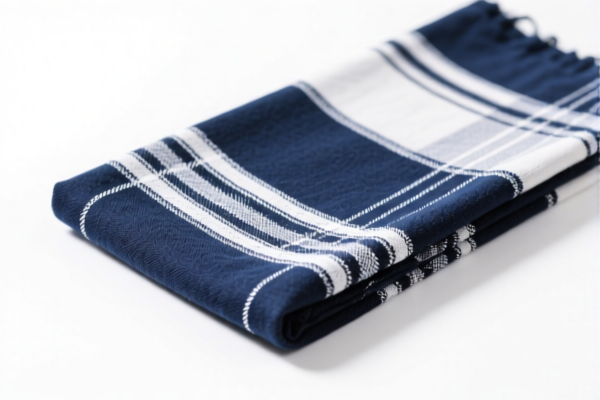
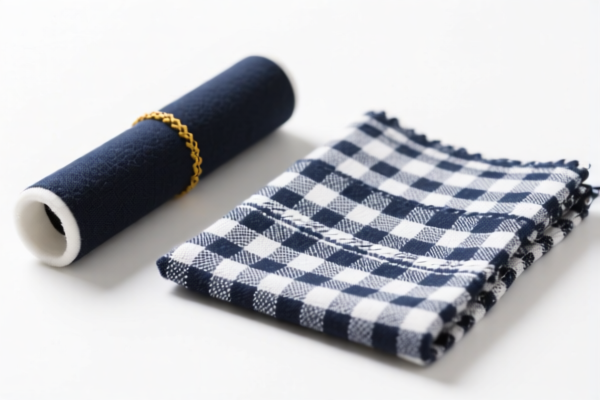
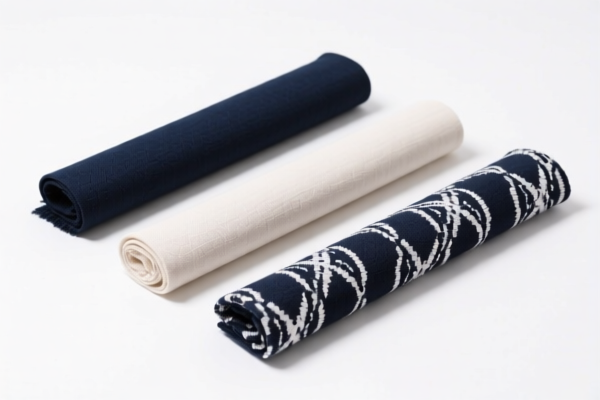
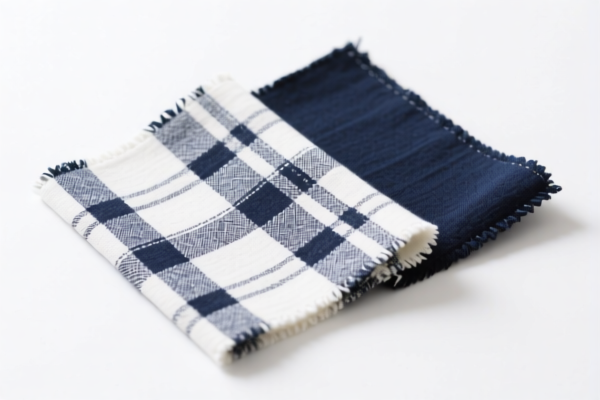
AI Analysis
🧵 Textile Articles: The Ultimate Classification & Tariff Guide (US Market 2026)
🌐 HS Code Reference & Customs Clearance Guide | 2026 Latest Tariff Analysis | Professional Clearance Strategy
📌 I. Product Definition & Classification: Do You Really Understand "Textiles"?
"Textile Article" is a broad category in international trade, covering everything from raw fibers to finished fabrics and technical textiles. In the US market, accurate classification is critical because China-origin textiles face significant additional tariffs under Section 301 and IEEPA provisions.
Textiles are generally divided into three categories: 1. Raw/Intermediate Textiles: Yarns, raw silk, or semi-processed fabrics (e.g., Greige goods). 2. Finished Woven Fabrics: Woven materials used for clothing, home textiles, or industrial applications. 3. Technical Textiles: Specialized fabrics designed for specific industrial, medical, or high-performance uses.
⚠️ Key Distinction Point:
- If the product is semi-processed (e.g., unbleached, unfinished fabric) → Usually falls under Chapter 50/52/54 intermediate codes.
- If the product is finished woven fabric → Usually falls under 5007.90.30.20.
- If the product is specialized for industrial/technical use → Usually falls under Chapter 59 (e.g., 5911).
📦 II. HS Code Classification Details (2026 Latest Tariff Authority Cross-Reference)
Based on the provided data, here are the 5 potential HS Code classifications for "Textile Articles," along with their tax details and usage scenarios.
| HS Code | Product Description | Application Scenario | Total Tax Rate |
|---|---|---|---|
5007.90.30.20 |
Woven Textiles, Form: Fabric, No Material Conflict | Finished woven fabrics; reasonable inference match; no specific attribute conflict. | 35.8% |
5001.00.00.00 |
Woven Textiles, Semi-finished/Intermediate Form, Generic Attribute Match | Raw silk, thrown silk, or semi-processed textile intermediates. | 35.0% |
5911.10.10.00 |
Technical Textiles, For Technical Use, Consistent Use Case | Textiles used for specific industrial/technical purposes (e.g., filtration, strengthening). | 37.9% |
5911.31.00.10 |
Technical Textiles, Textile Fabrics & Felt, Description Missing but No Conflict | Felt and other needleloom fabrics; general description without conflict. | 38.8% |
5007.90.30.20 |
Woven Textiles, Reasonable Inference Match, No Specific Attribute Conflict | Repeated entry for finished woven fabrics; standard classification for general woven textiles. | 35.8% |
🔍 Key Reminder:
- Finished Woven Fabrics typically fall under 5007.90.30.20 with a total tax of 35.8%.
- Technical/Industrial Textiles fall under Chapter 59 (e.g., 5911.10.10.00 or 5911.31.00.10) with higher base tariffs (2.9%-3.8%) leading to totals of 37.9%-38.8%.
- Intermediate/Semi-finished Goods (like raw silk) fall under 5001.00.00.00 with a slightly lower total tax of 35.0%.
💰 III. 2026 Latest Tariff Rate Breakdown (Including Surcharges & Policy Add-ons)
✅ Applicable Country: United States (US)
✅ Origin: China (CN)
✅ Effective Date: 2025 November 10 onwards (including subsequent imports)
🎯 1. 5007.90.30.20 —— Woven Textiles (Finished Fabric)
| Item | Content |
|---|---|
| Base Tariff | 0.8% (ad valorem) |
| Section 301 Additional Tariff | +25.0% (USITC Footnote 9903.88.01) |
| IEEPA Additional Tariff | +10.0% (Targeting China/HK products, effective Nov 10, 2025) |
| Total Tax Rate | 35.8% |
| Tax Calculation | CIF Value × 35.8% |
| De Minimis Exemption | ❌ Not Eligible (deny_de_minimis) |
| Legal Basis Path | IEEPA:9903.01.25 → IEEPA:9903.01.24 → USITC:5007.90.30.20 → FOOTNOTE:9903.88.01 |
📌 Explanation:
- The 25% additional tariff comes from USITC Footnote 9903.88.01 under Section 301;
- The 10% IEEPA tariff is an additional对华 surcharge;
- Total 35.8% is a high tariff, requiring advance planning!
🎯 2. 5001.00.00.00 —— Woven Textiles (Intermediate/Semi-finished)
| Item | Content |
|---|---|
| Base Tariff | 0.0% |
| Section 301 Additional Tariff | +25.0% |
| IEEPA Additional Tariff | +10.0% |
| Total Tax Rate | 35.0% |
| Tax Calculation | CIF Value × 35.0% |
| De Minimis Exemption | ❌ Not Eligible |
| Legal Basis Path | IEEPA:9901.25 → IEEPA:9903.01.24 → USITC:5001.00.00.00 → FOOTNOTE:9903.88.01 |
📌 Note:
- This code applies to semi-processed textiles (e.g., raw silk, greige fabric);
- Although the base tariff is 0%, the 35.0% total is still significant;
- Suitable for B2B industrial supply chains where the fabric will be further processed.
🎯 3. 5911.10.10.00 —— Technical Textiles (For Technical Use)
| Item | Content |
|---|---|
| Base Tariff | 2.9% |
| Section 301 Additional Tariff | +25.0% |
| IEEPA Additional Tariff | +10.0% |
| Total Tax Rate | 37.9% |
| Tax Calculation | CIF Value × 37.9% |
| De Minimis Exemption | ❌ Not Eligible |
| Legal Basis Path | IEEPA:9903.01.25 → IEEPA:9903.01.24 → USITC:5911.10.10.00 → FOOTNOTE:9903.88.01 |
📌 Explanation:
- Technical textiles have a higher base tariff (2.9%) due to their specialized nature;
- Total rate reaches 37.9%, making them more expensive to import than general woven fabrics;
- Common uses: Filtration fabrics, reinforcing textiles, industrial belts.
🎯 4. 5911.31.00.10 —— Technical Textiles (Fabrics & Felt)
| Item | Content |
|---|---|
| Base Tariff | 3.8% |
| Section 301 Additional Tariff | +25.0% |
| IEEPA Additional Tariff | +10.0% |
| Total Tax Rate | 38.8% |
| Tax Calculation | CIF Value × 38.8% |
| De Minimis Exemption | ❌ Not Eligible |
| Legal Basis Path | IEEPA:9903.01.25 → IEEPA:9903.01.24 → USITC:5911.31.00.10 → FOOTNOTE:9903.88.01 |
📌 Note:
- This code covers felt and needleloom fabrics;
- It has the highest total tax rate (38.8%) among the listed codes;
- Base tariff is 3.8%, the highest in this dataset.
🛠️ IV. Customs Clearance Practical Advice (Real-World Pitfall Avoidance Guide)
✅ 1. Required Documentation Checklist (Indispensable)
| Document | Mandatory? | Description |
|---|---|---|
| ✅ Product Specification Sheet | ✔️ | Must include material composition, weave type, weight, width, and intended use. |
| ✅ Product Photos (Label/Tag) | ✔️ | Clear images of the fabric roll, label, and any technical markings. |
| ✅ Commercial Invoice | ✔️ | Clearly state "Woven Textile" or "Technical Textile" with exact HS Code. |
| ✅ Packing List | ✔️ | Detail net/gross weight, dimensions, and number of packages. |
| ✅ Certificate of Origin (CO) | ✔️ | If non-China origin, may qualify for preferential rates. |
| ✅ Third-Party Test Report | ✔️ | For technical textiles, provide proof of technical performance (e.g., filtration efficiency). |
✅ 2. Declaration Tips (Key Mantra)
🔥 "Define the State: Raw, Finished, or Technical? Name Precisely, Tax Minimizes!"
| Scenario | Correct Declaration | Wrong Approach |
|---|---|---|
| Finished Woven Fabric | 5007.90.30.20 (35.8%) |
Misclassify as technical textile → 37.9%+ |
| Semi-finished/Greige Fabric | 5001.00.00.00 (35.0%) |
Misclassify as finished → 35.8% |
| Technical/Industrial Fabric | 5911.10.10.00 or 5911.31.00.10 (37.9%-38.8%) |
Misclassify as general fabric → Risk of penalty |
| Felt/Needleloom Fabric | 5911.31.00.10 (38.8%) |
Misclassify as woven fabric → 35.8% (but may trigger customs audit) |
✅ 3. Special Case Handling
| Situation | Handling Advice |
|---|---|
| OEM Custom Fabrics | Provide customer orders + design specs to avoid "non-standard" classification issues. |
| Technical Textiles | Must provide technical performance proof (e.g., filtration rate, tensile strength) to justify HS Code 5911. |
| Mixed Shipments | If a shipment contains both finished fabrics and technical textiles, declare separately to avoid misclassification penalties. |
| Non-China Origin | If fabric is woven in Vietnam, Bangladesh, etc., provide CO to potentially avoid IEEPA 10% surcharge. |
🌍 V. Global Market Customs Comparison (2026 Latest)
| Country/Region | Recommended HS Code | Tariff (China Origin) | Certification Requirements | Remarks |
|---|---|---|---|---|
| 🇺🇸 USA | 5007.90.30.20 |
35.8% (Woven) | No special certs needed for general textiles | Higher for technical textiles (37.9%-38.8%) |
| 🇨🇳 China | 5007.90.30.20 |
~5-10% (Import) | None | No additional surcharges |
| 🇪🇺 EU | 5007.90.30.20 |
~4% (Import) | OEKO-TEX (if consumer) | No Section 301/IEEPA surcharges |
| 🇦🇺 Australia | 5007.90.30.20 |
~5% (Import) | No special certs | No additional surcharges |
| 🇯🇵 Japan | 5007.90.30.20 |
~0-5% (Import) | No special certs | No additional surcharges |
📌 Conclusion:
- The US is the only major market imposing high additional tariffs (30-38.8%) on Chinese textiles.
- China-origin textiles face a huge cost disadvantage in the US market. Consider supply chain diversification (e.g., sourcing from Vietnam, India, or Bangladesh).
📌 VI. Common Errors & Pitfall Guide (Lessons from Blood & Tears)
❌ Error 1: Misclassifying technical textiles as general woven fabrics
👉 Consequence: Under-declaration → Customs audit, back taxes, and fines!
❌ Error 2: Declaring semi-finished fabric as finished fabric
👉 Consequence: Minor rate difference (35.0% vs 35.8%), but may trigger inspection if usage doesn't match.
❌ Error 3: Failing to provide technical performance data for Chapter 59 goods
👉 Consequence: Customs may reclassify to a different code or deny entry due to lack of proof.
❌ Error 4: Using vague descriptions like "Textile Article"
👉 Consequence: Customs will classify based on the worst-case scenario or detain the shipment.
✅ Correct Practice:
"Woven Polyester Fabric, 100% Polyester, 150gsm, White, For Apparel Use, HS Code 5007.90.30.20"
OR
"Technical Textile, Filtration Felt, Polypropylene, Industrial Use, HS Code 5911.31.00.10"
🎯 VII. Conclusion: Precision in Classification Saves Costs!
🎯 Remember the Mantra:
🔹 "Woven is 35.8%, Technical is 38.8%, Semi-finished is 35.0%. Classify Right, Save Big!"
🔹 "HS Code Determines Tariff, 3% Difference Can Cost Thousands! Declare Precisely!"
📌 Pro Tip:
If your textiles are originating from Vietnam, India, Bangladesh, or Turkey, you may qualify for IEEPA exemption or lower tariffs.
Recommendation: Apply for an Advance Ruling (Pre-classification) before shipping to avoid clearance risks.
📣 Immediate Action:
📞 Contact a professional customs broker + Provide product specs + Apply for HS Code Pre-classification
🚀 Ensure your textiles clear customs smoothly, reduce costs, and boost profits!
✨ Professional clearance starts with accurate classification!
💼 Every cent of your cost deserves precise calculation!
Customer Reviews
About HS Code Classification
The Harmonized System (HS) is an internationally standardized nomenclature developed by the World Customs Organization (WCO) to classify traded products. Over 200 countries use the HS system as the basis for customs tariffs, trade statistics, and import/export regulations.
Each HS code follows a hierarchical structure:
- Chapter (2 digits) — Broad category of goods (e.g., Chapter 84: Machinery and Mechanical Appliances)
- Heading (4 digits) — More specific grouping within the chapter
- Subheading (6 digits) — Internationally standardized breakdown, used by all WCO member countries
- National subdivisions (8-10 digits) — Country-specific extensions for further classification, such as US HTSUS 10-digit codes
Correct HS code classification is essential for smooth customs clearance, accurate duty payment, and compliance with trade regulations. Misclassification can lead to customs delays, overpayment of duties, or penalties.
When importing from CN to US, the applicable tariff rates may include:
- Most-Favored-Nation (MFN) rate — The standard duty rate applied to WTO members
- General rate — Applied to countries without trade agreements
- Trade remedy duties — Additional tariffs such as Section 301 (anti-dumping), Section 232 (national security), or countervailing duties
The information provided on this page is for reference purposes only. For official classification, please consult with your local customs authority or a licensed customs broker.