Textile Backing Polyurethane Board
CN → US| HS编码 | 关税税率 | 原产国 | 目的国 | 文档 |
|---|---|---|---|---|
| 6307909891 | 24.5% | CN | US | 官方文档 |
| 3921131950 | 40.3% | CN | US | 官方文档 |
| 3921131500 | 41.5% | CN | US | 官方文档 |
| 5903202000 | 35.0% | CN | US | 官方文档 |
| 5903202500 | 42.5% | CN | US | 官方文档 |
商品图片

AI分析
🏭 Textile Backing Polyurethane Board (聚氨酯板纺织面料背衬)
🌐 HS Code Reference & Customs Clearance Guide | 2026 Latest Tariff Analysis | Strategic Clearance Strategy
📌 I. Product Definition & Classification: What is "Textile Backing Polyurethane Board"?
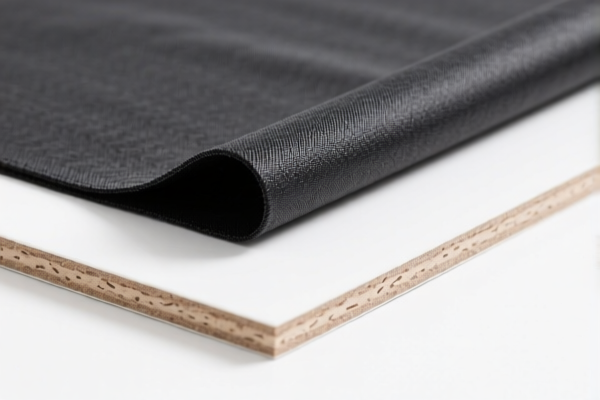
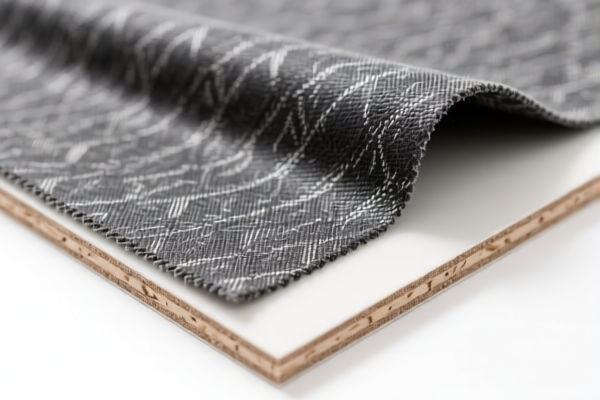
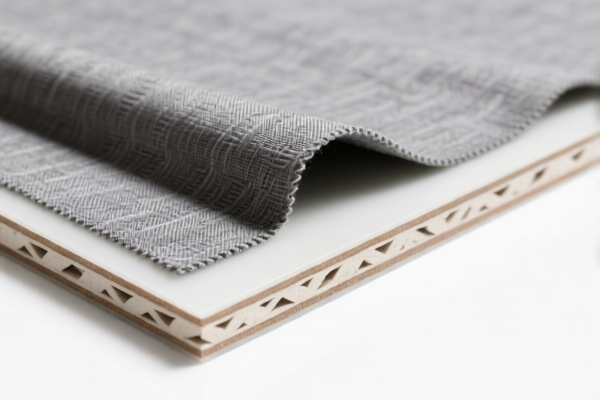
This product is a composite material combining Polyurethane (PU) with Textile Fabrics. It takes the form of a board/panel, where the PU serves as a backing, coating, or impregnation layer on a textile substrate.
In international trade, classification depends heavily on: 1. Primary Material: Is PU dominant or is the textile dominant? 2. Form Factor: Is it a flexible sheet, a rigid board, or a coated fabric? 3. Manufacturing Process: Is it laminated, impregnated, or coated?
⚠️ Critical Distinction:
- If classified under Chapter 63 (Textile Articles), it implies the textile nature dominates. - If classified under Chapter 39 (Plastics), it implies the PU plastic nature dominates, especially if in board/sheet form. - If classified under Chapter 59 (Impregnated/Coated Textiles), it highlights the functional coating process.
📦 II. HS Code Classification Details (From Provided Data)
Based on the provided dataset, there are 5 potential HS Codes for "Textile Backing Polyurethane Board". The tax burden varies significantly from 24.5% to 42.5%.
| HS Code | Summary Description | Total Tax Rate | Key Characteristics |
|---|---|---|---|
| 6307.90.98.91 | Textile Finished Goods: PU board backing considered a textile article. Material: Polyurethane. Fits "Other Made-up Articles". | 24.5% | Lowest tax burden. Emphasizes the textile nature of the final product. |
| 3921.13.19.50 | Plastics Board: PU material combined with textile, in board form. Fits "Plastic plates, sheets, film, foil, and strip". | 40.3% | Higher tax. Emphasizes PU plastic content and board morphology. |
| 3921.13.15.00 | Plastic Backing: PU combined with textile fibers. Fits "Synthetic fiber backing logic" in plastic board form. | 41.5% | Highest tax among plastic classifications. Focuses on synthetic fiber backing within plastic chapter. |
| 5903.20.20.00 | Impregnated Textile: PU corresponds to material; textile to form; backing fits "Impregnated, Coated, Covered". | 35.0% | Middle tax. Focuses on the coating/impregnation process rather than board structure. |
| 5903.20.25.00 | Laminated/Coated Textile: PU matches material; backing fits "Impregnated, Coated, or Laminated" morphology. | 42.5% | Highest overall tax. Strictly defines as coated/laminated textile fabric. |
🔍 Key Takeaway:
- Cheapest Option:6307.90.98.91(24.5%) - Most Expensive Option:5903.20.25.00(42.5%) - Risk Area: Misclassifying a textile product as plastic (Ch 39) or vice versa (Ch 63/59) can lead to significant duty differences (up to 18% difference!).
💰 III. 2026 Latest Tariff Rate Breakdown (With Surcharges)
✅ Applicable Country: United States (US)
✅ Origin: China (CN)
✅ Effective Date: Includes imports after Nov 10, 2025
🎯 1. 6307.90.98.91 — Best Case Scenario (Textile Classification)
| Item | Detail |
|---|---|
| Base Tariff | 7.0% |
| Section 301 Tariff | 7.5% |
| Section 122 Tariff | 10.0% |
| Total Tax Rate | 24.5% |
| Calculation | CIF Value × 24.5% |
| De Minimis Exemption | ❌ Not Eligible (Deemed commercial import) |
| Legal Basis | Direct application of Chapter 63 surcharges |
📌 Explanation:
- This classification assumes the product is primarily a textile finished good. - The Section 122 (10%) and Section 301 (7.5%) are added to the base textile duty. - Strategy: If your product can be technically argued as a "textile article" rather than a "plastic board," this is the most cost-effective route.
🎯 2. 3921.13.19.50 — Plastic Board Classification
| Item | Detail |
|---|---|
| Base Tariff | 5.3% |
| Section 301 Tariff | 25.0% |
| Section 122 Tariff | 10.0% |
| Total Tax Rate | 40.3% |
| Calculation | CIF Value × 40.3% |
| De Minimis Exemption | ❌ Not Eligible |
| Legal Basis | USITC:3921.13.19.50 + Surcharges |
📌 Explanation:
- High Section 301 (25%) hits plastic imports hard. - Even though the base tariff is lower (5.3%), the surcharges push the total to 40.3%. - Risk: High tax liability. Only choose if the product is definitively a "plastic board" with minimal textile value.
🎯 3. 3921.13.15.00 — Plastic Backing Classification
| Item | Detail |
|---|---|
| Base Tariff | 6.5% |
| Section 301 Tariff | 25.0% |
| Section 122 Tariff | 10.0% |
| Total Tax Rate | 41.5% |
| Calculation | CIF Value × 41.5% |
| De Minimis Exemption | ❌ Not Eligible |
| Legal Basis | USITC:3921.13.15.00 + Surcharges |
📌 Explanation:
- Slightly higher base than 3921.19, leading to a total of 41.5%. - Use this only if the "synthetic fiber backing" logic is technically stronger than the general plastic board logic.
🎯 4. 5903.20.20.00 — Impregnated Textile Classification
| Item | Detail |
|---|---|
| Base Tariff | 0.0% |
| Section 301 Tariff | 25.0% |
| Section 122 Tariff | 10.0% |
| Total Tax Rate | 35.0% |
| Calculation | CIF Value × 35.0% |
| De Minimis Exemption | ❌ Not Eligible |
| Legal Basis | USITC:5903.20.20.00 + Surcharges |
📌 Explanation:
- Base tariff is 0%, but Section 301 and 122 still apply heavily. - Total 35.0% is mid-range. - Strategy: Viable if the product is clearly a "coated fabric" rather than a "board." Avoid if it has rigid board characteristics.
🎯 5. 5903.20.25.00 — Laminated/Coated Textile (Highest Tax)
| Item | Detail |
|---|---|
| Base Tariff | 7.5% |
| Section 301 Tariff | 25.0% |
| Section 122 Tariff | 10.0% |
| Total Tax Rate | 42.5% |
| Calculation | CIF Value × 42.5% |
| De Minimis Exemption | ❌ Not Eligible |
| Legal Basis | USITC:5903.20.25.00 + Surcharges |
📌 Explanation:
- Highest total tax rate. - Combines a higher base (7.5%) with full surcharges. - Avoid unless the product is strictly a flexible laminated textile and cannot be classified under 6307.
🛠️ IV. Customs Clearance Practical Advice (Pitfall Avoidance Guide)
✅ 1. Documentation Checklist (Mandatory)
| Document | Required | Notes |
|---|---|---|
| ✅ Product Specification Sheet | ✔️ | Must detail: % of PU vs. Textile, thickness, rigidity, manufacturing process (coating vs. lamination). |
| ✅ Material Composition Report | ✔️ | Proof of "Textile-Dominant" or "Plastic-Dominant" to support HS Code choice. |
| ✅ Product Photos | ✔️ | Clear shots of cross-section (to show layering) and finished product (board vs. flexible sheet). |
| ✅ Commercial Invoice | ✔️ | Must accurately describe product as "Textile Backing PU Board" or similar, avoiding ambiguous terms. |
| ✅ Packing List | ✔️ | Confirm no mixed shipments with unrelated goods. |
✅ 2. Classification Strategy (Key Mnemonic)
🔥 "Check Rigidity: Board? Plastic. Flexible? Textile. Lowest Tax Wins!"
| Scenario | Recommended HS Code | Total Tax | Why? |
|---|---|---|---|
| Rigid Board, PU-heavy | 3921.13.19.50 or 3921.13.15.00 |
40.3% - 41.5% | Fits "Plastic Board" definition. High tax. |
| Flexible Coated Fabric | 5903.20.20.00 or 5903.20.25.00 |
35.0% - 42.5% | Fits "Impregnated Textile". Mid-High tax. |
| Textile Finished Good | 6307.90.98.91 |
24.5% | LOWEST TAX. Use if textile structure is primary. |
📌 Note:
- If the product is rigid, customs may reject6307and force3921. - If the product is flexible,6307is often accepted if the PU is just a backing layer.
✅ 3. Special Cases
| Situation | Recommendation |
|---|---|
| OEM Custom Order | Provide design specs showing textile is the primary structural element. |
| Mixed Materials | If PU > 50% by weight, customs may push for Chapter 39. Prove otherwise. |
| New Product Type | Apply for Binding Ruling (CBP Ruling) before shipment to lock in the 24.5% rate if possible. |
🌍 V. Global Market Comparison (2026)
| Country/Region | Recommended HS Code | Est. Total Tax | Notes |
|---|---|---|---|
| 🇺🇸 USA | 6307.90.98.91 |
24.5% | Best option. Use Chapter 63 to avoid high 301/122 surcharges on plastics. |
| 🇨🇳 China | 6307.90.98.91 |
~5-10% | Lower taxes. Focus on domestic consumption or re-export. |
| 🇪🇺 EU | 5903.20.20.00 |
~6.5% | Check for CBAM. No Section 301. |
| 🇬🇧 UK | 6307.90.98.91 |
~5-10% | Post-Brexit rules apply. |
📌 Conclusion:
- USA is the critical market due to high surcharges. - Misclassification in the USA is costly: A 18% difference (24.5% vs 42.5%) on a $1M shipment is $180,000.
📌 VI. Common Errors & Pitfalls (Blood & Tears Lessons)
❌ Error 1: Calling a "Rigid PU Board" a "Textile Backing" to save tax.
👉 Consequence: Customs rejects it, applies 3921 (40.3%+) + penalties.
✅ Fix: Be honest about rigidity. If rigid, expect higher tax.
❌ Error 2: Ignoring Section 122 and 301 in calculations.
👉 Consequence: Budget shortfalls. Assuming 0% or 5% base rate.
✅ Fix: Always add 10% (122) + 7.5%/25% (301) to base rates.
❌ Error 3: Using ambiguous descriptions like "Synthetic Board".
👉 Consequence: Delayed clearance, requests for additional docs, potential audit.
✅ Fix: Use precise terms: "Polyurethane-Coated Textile Backing Board, Rigid/Flexible."
🎯 VII. Conclusion: Professional Classification Saves Money
🎯 Remember:
🔹 "Textile Dominant = 6307 (24.5%) – CHEAPEST"
🔹 "Plastic Board = 3921 (40%+) – EXPENSIVE"
🔹 "Coated Fabric = 5903 (35-42.5%) – MID-HIGH"🚀 Action Plan:
1. Analyze Product: Is it rigid or flexible? Textile or Plastic dominant?
2. Choose HS Code: Aim for6307.90.98.91if possible.
3. Prepare Docs: Provide cross-section photos and material specs.
4. Apply for Ruling: If new product, get CBP Binding Ruling before shipment.
📣 Immediate Action:
📞 Consult a customs broker to validate your HS Code choice.
📊 Calculate the 18% tax differential impact on your profit margin.
📝 Ensure your commercial invoice matches the chosen HS Code description.
✨ Professional Clearance Starts with Accurate Classification!
💼 Every percent of tax saved is profit earned!
用户评价
关于 HS 编码归类
协调制度(HS)是由世界海关组织(WCO)制定的国际贸易商品分类标准。全球 200 多个国家采用 HS 系统作为海关关税、贸易统计和进出口监管的基础。
每个 HS 编码遵循以下层级结构:
- 章(2 位)——商品大类(例如:第 84 章:机器和机械设备)
- 品目(4 位)——章内的更具体分类
- 子目(6 位)——国际通用细分,所有 WCO 成员国统一使用
- 本国细分(8-10 位)——各国自行扩展的细分编码,如美国 HTSUS 10 位编码
正确的 HS 编码归类对于顺利通关、准确缴纳关税和遵守贸易法规至关重要。错误归类可能导致海关延误、多缴关税或罚款。
从CN进口到US时,适用的关税税率可能包括:
- 最惠国(MFN)税率——适用于 WTO 成员国的标准关税税率
- 普通税率——适用于无贸易协定国家
- 贸易救济关税——附加关税,如 301 条款(反倾销)、232 条款(国家安全)或反补贴税
本页内容仅供参考。如需正式归类,请咨询当地海关或持牌报关代理。