Textile Backing Polyurethane Board
CN → US| HS Code | Tariff Rate | Origin | Destination | Doc |
|---|---|---|---|---|
| 6307909891 | 24.5% | CN | US | Official Doc |
| 3921131950 | 40.3% | CN | US | Official Doc |
| 3921131500 | 41.5% | CN | US | Official Doc |
| 5903202000 | 35.0% | CN | US | Official Doc |
| 5903202500 | 42.5% | CN | US | Official Doc |
Product Images
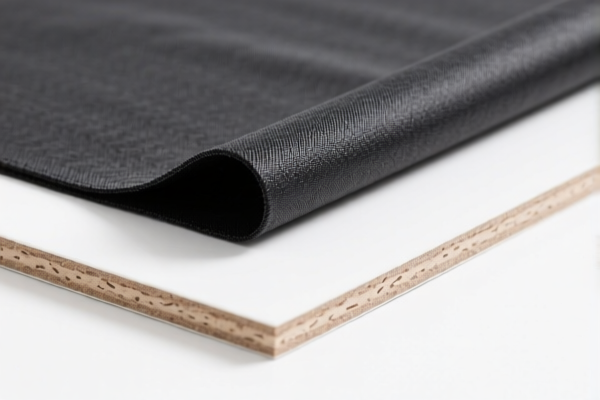
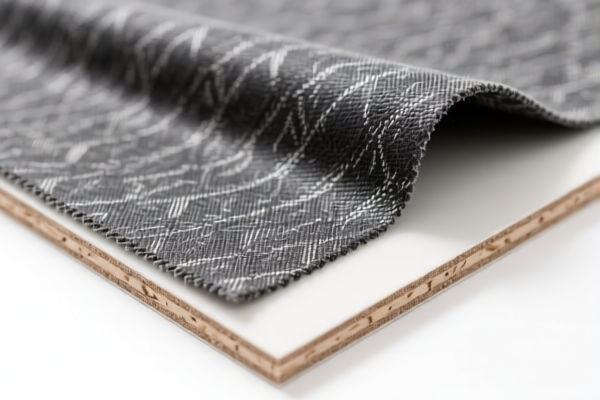
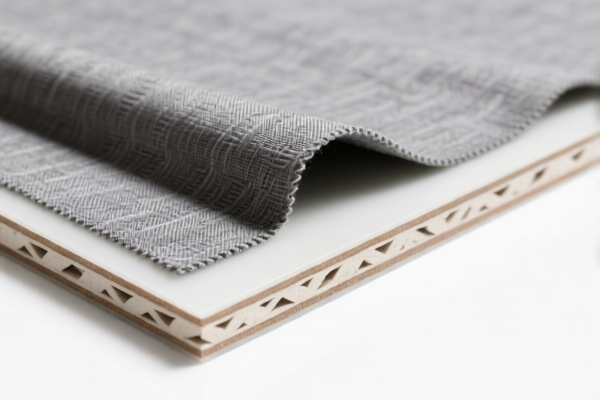

AI Analysis
🏭 Textile Backing Polyurethane Board (聚氨酯板纺织面料背衬)
🌐 HS Code Reference & Customs Clearance Guide | 2026 Latest Tariff Analysis | Strategic Clearance Strategy
📌 I. Product Definition & Classification: What is "Textile Backing Polyurethane Board"?
This product is a composite material combining Polyurethane (PU) with Textile Fabrics. It takes the form of a board/panel, where the PU serves as a backing, coating, or impregnation layer on a textile substrate.
In international trade, classification depends heavily on: 1. Primary Material: Is PU dominant or is the textile dominant? 2. Form Factor: Is it a flexible sheet, a rigid board, or a coated fabric? 3. Manufacturing Process: Is it laminated, impregnated, or coated?
⚠️ Critical Distinction:
- If classified under Chapter 63 (Textile Articles), it implies the textile nature dominates. - If classified under Chapter 39 (Plastics), it implies the PU plastic nature dominates, especially if in board/sheet form. - If classified under Chapter 59 (Impregnated/Coated Textiles), it highlights the functional coating process.
📦 II. HS Code Classification Details (From Provided Data)
Based on the provided dataset, there are 5 potential HS Codes for "Textile Backing Polyurethane Board". The tax burden varies significantly from 24.5% to 42.5%.
| HS Code | Summary Description | Total Tax Rate | Key Characteristics |
|---|---|---|---|
| 6307.90.98.91 | Textile Finished Goods: PU board backing considered a textile article. Material: Polyurethane. Fits "Other Made-up Articles". | 24.5% | Lowest tax burden. Emphasizes the textile nature of the final product. |
| 3921.13.19.50 | Plastics Board: PU material combined with textile, in board form. Fits "Plastic plates, sheets, film, foil, and strip". | 40.3% | Higher tax. Emphasizes PU plastic content and board morphology. |
| 3921.13.15.00 | Plastic Backing: PU combined with textile fibers. Fits "Synthetic fiber backing logic" in plastic board form. | 41.5% | Highest tax among plastic classifications. Focuses on synthetic fiber backing within plastic chapter. |
| 5903.20.20.00 | Impregnated Textile: PU corresponds to material; textile to form; backing fits "Impregnated, Coated, Covered". | 35.0% | Middle tax. Focuses on the coating/impregnation process rather than board structure. |
| 5903.20.25.00 | Laminated/Coated Textile: PU matches material; backing fits "Impregnated, Coated, or Laminated" morphology. | 42.5% | Highest overall tax. Strictly defines as coated/laminated textile fabric. |
🔍 Key Takeaway:
- Cheapest Option:6307.90.98.91(24.5%) - Most Expensive Option:5903.20.25.00(42.5%) - Risk Area: Misclassifying a textile product as plastic (Ch 39) or vice versa (Ch 63/59) can lead to significant duty differences (up to 18% difference!).
💰 III. 2026 Latest Tariff Rate Breakdown (With Surcharges)
✅ Applicable Country: United States (US)
✅ Origin: China (CN)
✅ Effective Date: Includes imports after Nov 10, 2025
🎯 1. 6307.90.98.91 — Best Case Scenario (Textile Classification)
| Item | Detail |
|---|---|
| Base Tariff | 7.0% |
| Section 301 Tariff | 7.5% |
| Section 122 Tariff | 10.0% |
| Total Tax Rate | 24.5% |
| Calculation | CIF Value × 24.5% |
| De Minimis Exemption | ❌ Not Eligible (Deemed commercial import) |
| Legal Basis | Direct application of Chapter 63 surcharges |
📌 Explanation:
- This classification assumes the product is primarily a textile finished good. - The Section 122 (10%) and Section 301 (7.5%) are added to the base textile duty. - Strategy: If your product can be technically argued as a "textile article" rather than a "plastic board," this is the most cost-effective route.
🎯 2. 3921.13.19.50 — Plastic Board Classification
| Item | Detail |
|---|---|
| Base Tariff | 5.3% |
| Section 301 Tariff | 25.0% |
| Section 122 Tariff | 10.0% |
| Total Tax Rate | 40.3% |
| Calculation | CIF Value × 40.3% |
| De Minimis Exemption | ❌ Not Eligible |
| Legal Basis | USITC:3921.13.19.50 + Surcharges |
📌 Explanation:
- High Section 301 (25%) hits plastic imports hard. - Even though the base tariff is lower (5.3%), the surcharges push the total to 40.3%. - Risk: High tax liability. Only choose if the product is definitively a "plastic board" with minimal textile value.
🎯 3. 3921.13.15.00 — Plastic Backing Classification
| Item | Detail |
|---|---|
| Base Tariff | 6.5% |
| Section 301 Tariff | 25.0% |
| Section 122 Tariff | 10.0% |
| Total Tax Rate | 41.5% |
| Calculation | CIF Value × 41.5% |
| De Minimis Exemption | ❌ Not Eligible |
| Legal Basis | USITC:3921.13.15.00 + Surcharges |
📌 Explanation:
- Slightly higher base than 3921.19, leading to a total of 41.5%. - Use this only if the "synthetic fiber backing" logic is technically stronger than the general plastic board logic.
🎯 4. 5903.20.20.00 — Impregnated Textile Classification
| Item | Detail |
|---|---|
| Base Tariff | 0.0% |
| Section 301 Tariff | 25.0% |
| Section 122 Tariff | 10.0% |
| Total Tax Rate | 35.0% |
| Calculation | CIF Value × 35.0% |
| De Minimis Exemption | ❌ Not Eligible |
| Legal Basis | USITC:5903.20.20.00 + Surcharges |
📌 Explanation:
- Base tariff is 0%, but Section 301 and 122 still apply heavily. - Total 35.0% is mid-range. - Strategy: Viable if the product is clearly a "coated fabric" rather than a "board." Avoid if it has rigid board characteristics.
🎯 5. 5903.20.25.00 — Laminated/Coated Textile (Highest Tax)
| Item | Detail |
|---|---|
| Base Tariff | 7.5% |
| Section 301 Tariff | 25.0% |
| Section 122 Tariff | 10.0% |
| Total Tax Rate | 42.5% |
| Calculation | CIF Value × 42.5% |
| De Minimis Exemption | ❌ Not Eligible |
| Legal Basis | USITC:5903.20.25.00 + Surcharges |
📌 Explanation:
- Highest total tax rate. - Combines a higher base (7.5%) with full surcharges. - Avoid unless the product is strictly a flexible laminated textile and cannot be classified under 6307.
🛠️ IV. Customs Clearance Practical Advice (Pitfall Avoidance Guide)
✅ 1. Documentation Checklist (Mandatory)
| Document | Required | Notes |
|---|---|---|
| ✅ Product Specification Sheet | ✔️ | Must detail: % of PU vs. Textile, thickness, rigidity, manufacturing process (coating vs. lamination). |
| ✅ Material Composition Report | ✔️ | Proof of "Textile-Dominant" or "Plastic-Dominant" to support HS Code choice. |
| ✅ Product Photos | ✔️ | Clear shots of cross-section (to show layering) and finished product (board vs. flexible sheet). |
| ✅ Commercial Invoice | ✔️ | Must accurately describe product as "Textile Backing PU Board" or similar, avoiding ambiguous terms. |
| ✅ Packing List | ✔️ | Confirm no mixed shipments with unrelated goods. |
✅ 2. Classification Strategy (Key Mnemonic)
🔥 "Check Rigidity: Board? Plastic. Flexible? Textile. Lowest Tax Wins!"
| Scenario | Recommended HS Code | Total Tax | Why? |
|---|---|---|---|
| Rigid Board, PU-heavy | 3921.13.19.50 or 3921.13.15.00 |
40.3% - 41.5% | Fits "Plastic Board" definition. High tax. |
| Flexible Coated Fabric | 5903.20.20.00 or 5903.20.25.00 |
35.0% - 42.5% | Fits "Impregnated Textile". Mid-High tax. |
| Textile Finished Good | 6307.90.98.91 |
24.5% | LOWEST TAX. Use if textile structure is primary. |
📌 Note:
- If the product is rigid, customs may reject6307and force3921. - If the product is flexible,6307is often accepted if the PU is just a backing layer.
✅ 3. Special Cases
| Situation | Recommendation |
|---|---|
| OEM Custom Order | Provide design specs showing textile is the primary structural element. |
| Mixed Materials | If PU > 50% by weight, customs may push for Chapter 39. Prove otherwise. |
| New Product Type | Apply for Binding Ruling (CBP Ruling) before shipment to lock in the 24.5% rate if possible. |
🌍 V. Global Market Comparison (2026)
| Country/Region | Recommended HS Code | Est. Total Tax | Notes |
|---|---|---|---|
| 🇺🇸 USA | 6307.90.98.91 |
24.5% | Best option. Use Chapter 63 to avoid high 301/122 surcharges on plastics. |
| 🇨🇳 China | 6307.90.98.91 |
~5-10% | Lower taxes. Focus on domestic consumption or re-export. |
| 🇪🇺 EU | 5903.20.20.00 |
~6.5% | Check for CBAM. No Section 301. |
| 🇬🇧 UK | 6307.90.98.91 |
~5-10% | Post-Brexit rules apply. |
📌 Conclusion:
- USA is the critical market due to high surcharges. - Misclassification in the USA is costly: A 18% difference (24.5% vs 42.5%) on a $1M shipment is $180,000.
📌 VI. Common Errors & Pitfalls (Blood & Tears Lessons)
❌ Error 1: Calling a "Rigid PU Board" a "Textile Backing" to save tax.
👉 Consequence: Customs rejects it, applies 3921 (40.3%+) + penalties.
✅ Fix: Be honest about rigidity. If rigid, expect higher tax.
❌ Error 2: Ignoring Section 122 and 301 in calculations.
👉 Consequence: Budget shortfalls. Assuming 0% or 5% base rate.
✅ Fix: Always add 10% (122) + 7.5%/25% (301) to base rates.
❌ Error 3: Using ambiguous descriptions like "Synthetic Board".
👉 Consequence: Delayed clearance, requests for additional docs, potential audit.
✅ Fix: Use precise terms: "Polyurethane-Coated Textile Backing Board, Rigid/Flexible."
🎯 VII. Conclusion: Professional Classification Saves Money
🎯 Remember:
🔹 "Textile Dominant = 6307 (24.5%) – CHEAPEST"
🔹 "Plastic Board = 3921 (40%+) – EXPENSIVE"
🔹 "Coated Fabric = 5903 (35-42.5%) – MID-HIGH"🚀 Action Plan:
1. Analyze Product: Is it rigid or flexible? Textile or Plastic dominant?
2. Choose HS Code: Aim for6307.90.98.91if possible.
3. Prepare Docs: Provide cross-section photos and material specs.
4. Apply for Ruling: If new product, get CBP Binding Ruling before shipment.
📣 Immediate Action:
📞 Consult a customs broker to validate your HS Code choice.
📊 Calculate the 18% tax differential impact on your profit margin.
📝 Ensure your commercial invoice matches the chosen HS Code description.
✨ Professional Clearance Starts with Accurate Classification!
💼 Every percent of tax saved is profit earned!
Customer Reviews
About HS Code Classification
The Harmonized System (HS) is an internationally standardized nomenclature developed by the World Customs Organization (WCO) to classify traded products. Over 200 countries use the HS system as the basis for customs tariffs, trade statistics, and import/export regulations.
Each HS code follows a hierarchical structure:
- Chapter (2 digits) — Broad category of goods (e.g., Chapter 84: Machinery and Mechanical Appliances)
- Heading (4 digits) — More specific grouping within the chapter
- Subheading (6 digits) — Internationally standardized breakdown, used by all WCO member countries
- National subdivisions (8-10 digits) — Country-specific extensions for further classification, such as US HTSUS 10-digit codes
Correct HS code classification is essential for smooth customs clearance, accurate duty payment, and compliance with trade regulations. Misclassification can lead to customs delays, overpayment of duties, or penalties.
When importing from CN to US, the applicable tariff rates may include:
- Most-Favored-Nation (MFN) rate — The standard duty rate applied to WTO members
- General rate — Applied to countries without trade agreements
- Trade remedy duties — Additional tariffs such as Section 301 (anti-dumping), Section 232 (national security), or countervailing duties
The information provided on this page is for reference purposes only. For official classification, please consult with your local customs authority or a licensed customs broker.