Textile Composite Plastic Film for Agricultural Covering
CN → US| HS编码 | 关税税率 | 原产国 | 目的国 | 文档 |
|---|---|---|---|---|
| 3921121100 | 39.2% | CN | US | 官方文档 |
| 3921901100 | 39.2% | CN | US | 官方文档 |
| 5903102010 | 35.0% | CN | US | 官方文档 |
| 5903102090 | 35.0% | CN | US | 官方文档 |
商品图片
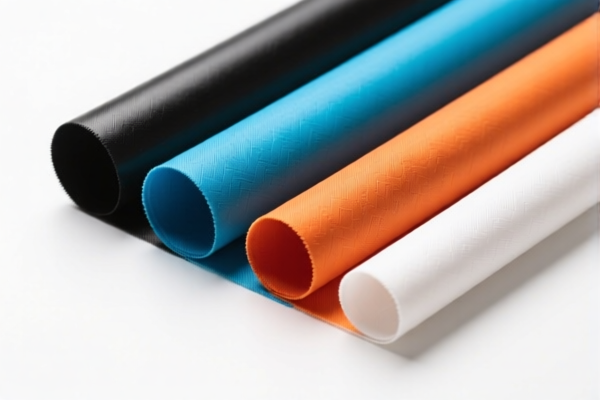
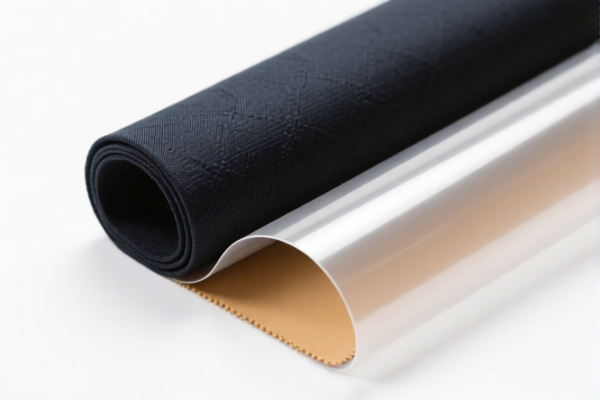
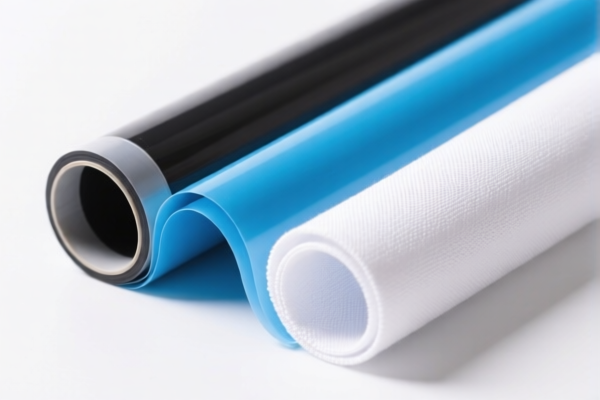
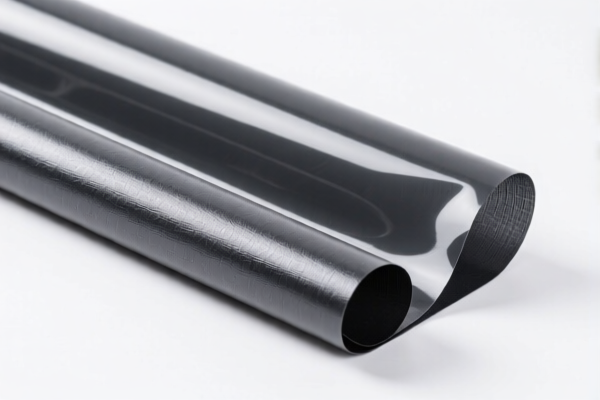
AI分析
🌾 Agricultural Plastic-Textile Composite Film (Agri-Film)
🌐 HS Code Reference & Customs Clearance Guide | 2026 Updated Tariff Structure | Strategic Compliance Strategy
📌 I. Product Definition & Classification: Understanding "Composite Agri-Film"
Agricultural Plastic-Textile Composite Film is a high-performance multi-layer material used primarily for mulching, greenhouse covering, and crop protection. It combines the durability of textile (often non-woven or woven) with the weather-resistance and moisture control of plastic (typically PVC or PE).
In international trade, classification depends heavily on: 1. Material Composition: Is it primarily plastic or textile? 2. Structure: Is it a lamination, impregnation, or coating? 3. End Use: Specifically for agricultural purposes.
⚠️ Critical Distinction:
- If the product is a laminate of plastic and textile fabric where the plastic is the primary characteristic → Chapter 39 (Plastics).
- If the product is textile fabric impregnated/coated with plastic → Chapter 59 (Impregnated/Coated Textile Fabrics).
📦 II. HS Code Classification Matrix (2026 Authorized List)
Based on the provided data, here are the only four valid HS Codes for this product. Do not deviate to other codes.
| HS Code | Product Description | Key Characteristics | Plastic/Textile Dominance |
|---|---|---|---|
3921.12.11.00 |
Plastic composite textile film, PVC material, laminated form, sheet-like, for agricultural covering | Explicitly PVC-based laminate | ✅ Plastic Primary |
3921.90.11.00 |
Plastic composite textile film, high plastic content, composite textile form, for agricultural covering | High plastic ratio, generic plastic type | ✅ Plastic Primary |
5903.10.20.10 |
Textile film, containing polyvinyl chloride (PVC) or similar plastics, for agricultural covering, fits residual category | Textile base, PVC content defined | ✅ Textile Primary (PVC) |
5903.10.20.90 |
Textile film, impregnated or coated with plastic, for agricultural covering, plastic type unspecified | Textile base, generic plastic coating | ✅ Textile Primary (Generic) |
🔍 Classification Logic:
- Ch 39 (3921...): Used when the product is considered a plastic article because the plastic layer defines its essential character (e.g., waterproofing, durability).
- Ch 59 (5903...): Used when the product is considered a textile article that has been impregnated or coated with plastic to enhance functionality (e.g., strength, light permeability).
💰 III. 2026 Tariff Rate Breakdown (Including Surcharges)
✅ Applicable Market: United States (US)
✅ Origin: China (CN)
✅ Effective Date: 2025/2026 (Current Trade Environment)
🎯 1. Codes 3921.12.11.00 & 3921.90.11.00
Category: Plastic-Primary Composite Films
| Component | Rate | Legal Basis |
|---|---|---|
| Base Duty (MFN) | 4.2% | US Harmonized Tariff Schedule (HTS) |
| Section 301 Surcharge | +25.0% | USITC Footnote 9903.88.01 (Trade Remedy) |
| 122 Provision Surcharge | +10.0% | IEEPA Authority (Targeting Chinese Imports) |
| TOTAL EFFECTIVE RATE | 39.2% | 39.2% of CIF Value |
📌 Explanation:
- These codes are classified under Chapter 39 (Plastics).
- They attract the highest tax burden in this group due to the 4.2% base duty combined with all surcharges.
- No de minimis exemption applies.
- Cost Impact: For a $10,000 shipment, you pay $3,920 in duties/surcharges.
🎯 2. Codes 5903.10.20.10 & 5903.10.20.90
Category: Textile-Primary Composite Films (Plastic-Coated/Impregnated)
| Component | Rate | Legal Basis |
|---|---|---|
| Base Duty (MFN) | 0.0% | US Harmonized Tariff Schedule (HTS) |
| Section 301 Surcharge | +25.0% | USITC Footnote 9903.88.01 (Trade Remedy) |
| 122 Provision Surcharge | +10.0% | IEEPA Authority (Targeting Chinese Imports) |
| TOTAL EFFECTIVE RATE | 35.0% | 35.0% of CIF Value |
📌 Explanation:
- These codes fall under Chapter 59 (Impregnated/Coated Textiles).
- Advantage: The 0% base duty saves you 4.2% compared to Chapter 39 codes.
- Total Savings: 4.2% lower total tax rate ($3,500 vs. $3,920 on a $10k shipment).
- Caution: Must prove the textile nature is dominant. If customs views it as primarily plastic, they may reclassify to Ch 39, leading to back-taxes and penalties.
🛠️ IV. Customs Clearance Operational Advice (Risk Mitigation)
✅ 1. Documentation Checklist (Mandatory)
| Document | Required? | Purpose |
|---|---|---|
| Commercial Invoice | ✔️ | Must clearly state "Agricultural Film" and HS Code. |
| Product Specification Sheet | ✔️ | Detail material layers (e.g., "PVC coating on non-woven fabric"). |
| Material Composition Report | ✔️ | Critical: Percentages of Plastic vs. Textile by weight/volume. |
| Certificate of Origin (CO) | ✔️ | Confirm Chinese origin for accurate surcharge calculation. |
| Packaging List | ✔️ | Indicate dimensions, weight, and rolls/pallets. |
| Photos of Product | ✔️ | Show cross-section if possible, to demonstrate laminate structure. |
✅ 2. Declaration Strategy (Key Tips)
🔥 "Structure Defines Code: Textile-Dominant = Ch 59 (35%); Plastic-Dominant = Ch 39 (39.2%)"
| Scenario | Recommended HS Code | Why? |
|---|---|---|
| PVC Coating is thick; Textile is just reinforcement | 3921.12.11.00 |
Plastic defines essential character. |
| Thin Plastic Coating; Textile provides strength & shape | 5903.10.20.90 |
Textile defines essential character. |
| Uncertain Plastic Type | 5903.10.20.90 |
Safer if textile is dominant; avoids misclassification. |
| Known PVC Material | 3921.12.11.00 or 5903.10.20.10 |
Be precise to match material specs. |
✅ 3. Common Pitfalls & Penalties
❌ Error 1: Using generic "Plastic Sheet" description.
👉 Result: Customs may assign a different HS code with higher duty or require additional testing.
❌ Error 2: Claiming Ch 59 (35%) when the product is >70% plastic by weight.
👉 Result: Reclassification to Ch 39. You will owe the 4.2% difference + interest + potential penalties.
❌ Error 3: Ignoring the 122 Clause Surcharge.
👉 Result: Underpayment of 10%. Customs will issue a bill for the shortfall.
✅ Correct Practice:
"Agricultural Composite Film: Non-woven polyester fabric coated with PVC, 0.5mm thick, transparent, for greenhouse mulching."
🌍 V. Market Comparison & Optimization
| Factor | US Market (China Origin) | Other Markets (Hypothetical) |
|---|---|---|
| Base Duty | 0% (Ch 59) or 4.2% (Ch 39) | Varies (e.g., EU: 3-6%) |
| 301 Surcharge | +25% | None (unless specific trade wars) |
| 122 Surcharge | +10% | None |
| Total Tax | 35% - 39.2% | Typically 3-10% |
| Recommendation | Optimize for Ch 59 if possible to save 4.2%. | Focus on standard duties only. |
📌 Conclusion:
- US is the most expensive market due to叠加 (stacked) tariffs.
- Choosing the right HS Code (Ch 59 vs. Ch 39) can save 4.2% on the CIF value.
- Evidence is Key: Keep material composition reports ready to justify Ch 59 classification.
📌 VI. Final Checklist for Importers
- Determine Material Dominance: Is it more plastic or more textile?
- Select HS Code:
- Plastic-dominant →
3921.12.11.00or3921.90.11.00(39.2%) - Textile-dominant →
5903.10.20.10or5903.10.20.90(35.0%) - Prepare Documents: Composition report, specs, photos.
- Calculate Landed Cost: Include 35% or 39.2% in your pricing model.
- Declare Accurately: Avoid generic terms; use precise technical descriptions.
🎯 Conclusion: Precision Saves Money!
🎯 Golden Rule:
🔹 "Textile-Dominant = 35% | Plastic-Dominant = 39.2%"
🔹 "Save 4.2% by proving textile strength!"
🔹 "301 + 122 = 35% Minimum. No Exemptions."
📌 Pro Tip:
If your product can technically be classified under 5903.10.20.90 (Textile-Dominant), DO IT. The 4.2% savings is pure profit. However, ensure your product actually meets the "textile essential character" criteria to avoid audits.
📣 Action Item:
📞 Consult with a customs broker to review your material composition report.
📄 Request a Binding Ruling from US Customs if the classification is borderline.
🚀 Clear customs smoothly, maximize margin, and stay compliant!
✨ Smart Compliance, Strong Profits!
💼 Every Percentage Point Counts in International Trade!
用户评价
关于 HS 编码归类
协调制度(HS)是由世界海关组织(WCO)制定的国际贸易商品分类标准。全球 200 多个国家采用 HS 系统作为海关关税、贸易统计和进出口监管的基础。
每个 HS 编码遵循以下层级结构:
- 章(2 位)——商品大类(例如:第 84 章:机器和机械设备)
- 品目(4 位)——章内的更具体分类
- 子目(6 位)——国际通用细分,所有 WCO 成员国统一使用
- 本国细分(8-10 位)——各国自行扩展的细分编码,如美国 HTSUS 10 位编码
正确的 HS 编码归类对于顺利通关、准确缴纳关税和遵守贸易法规至关重要。错误归类可能导致海关延误、多缴关税或罚款。
从CN进口到US时,适用的关税税率可能包括:
- 最惠国(MFN)税率——适用于 WTO 成员国的标准关税税率
- 普通税率——适用于无贸易协定国家
- 贸易救济关税——附加关税,如 301 条款(反倾销)、232 条款(国家安全)或反补贴税
本页内容仅供参考。如需正式归类,请咨询当地海关或持牌报关代理。