Textile Composite Plastic Film for Agricultural Covering
CN → US| HS Code | Tariff Rate | Origin | Destination | Doc |
|---|---|---|---|---|
| 3921121100 | 39.2% | CN | US | Official Doc |
| 3921901100 | 39.2% | CN | US | Official Doc |
| 5903102010 | 35.0% | CN | US | Official Doc |
| 5903102090 | 35.0% | CN | US | Official Doc |
Product Images
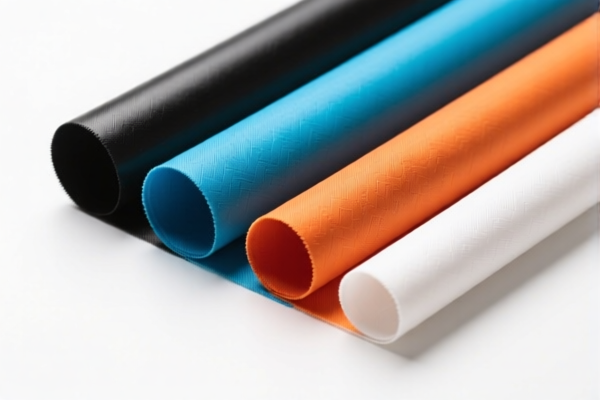
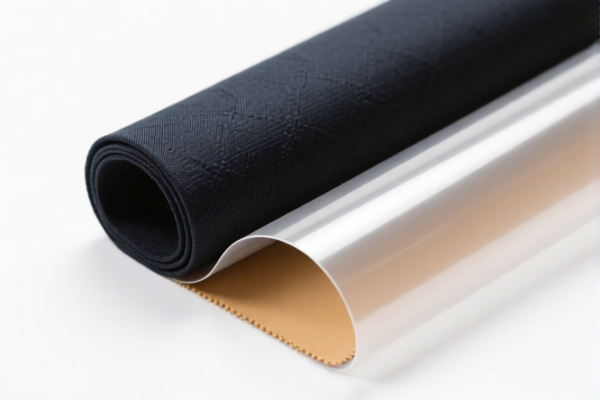
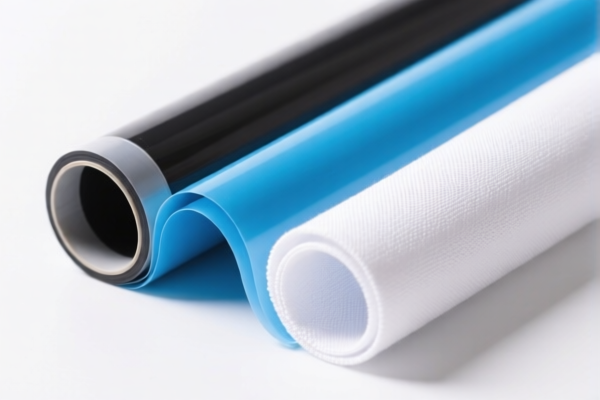
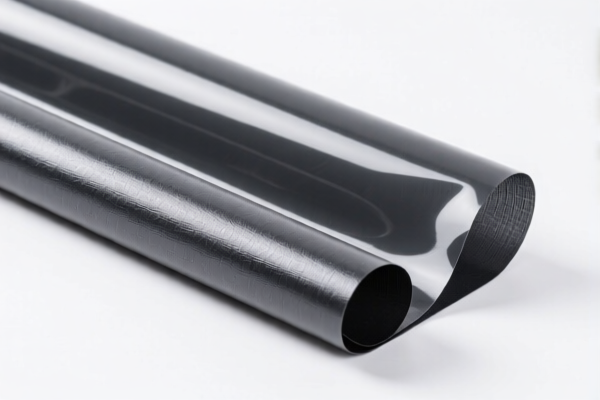
AI Analysis
🌾 Agricultural Plastic-Textile Composite Film (Agri-Film)
🌐 HS Code Reference & Customs Clearance Guide | 2026 Updated Tariff Structure | Strategic Compliance Strategy
📌 I. Product Definition & Classification: Understanding "Composite Agri-Film"
Agricultural Plastic-Textile Composite Film is a high-performance multi-layer material used primarily for mulching, greenhouse covering, and crop protection. It combines the durability of textile (often non-woven or woven) with the weather-resistance and moisture control of plastic (typically PVC or PE).
In international trade, classification depends heavily on: 1. Material Composition: Is it primarily plastic or textile? 2. Structure: Is it a lamination, impregnation, or coating? 3. End Use: Specifically for agricultural purposes.
⚠️ Critical Distinction:
- If the product is a laminate of plastic and textile fabric where the plastic is the primary characteristic → Chapter 39 (Plastics).
- If the product is textile fabric impregnated/coated with plastic → Chapter 59 (Impregnated/Coated Textile Fabrics).
📦 II. HS Code Classification Matrix (2026 Authorized List)
Based on the provided data, here are the only four valid HS Codes for this product. Do not deviate to other codes.
| HS Code | Product Description | Key Characteristics | Plastic/Textile Dominance |
|---|---|---|---|
3921.12.11.00 |
Plastic composite textile film, PVC material, laminated form, sheet-like, for agricultural covering | Explicitly PVC-based laminate | ✅ Plastic Primary |
3921.90.11.00 |
Plastic composite textile film, high plastic content, composite textile form, for agricultural covering | High plastic ratio, generic plastic type | ✅ Plastic Primary |
5903.10.20.10 |
Textile film, containing polyvinyl chloride (PVC) or similar plastics, for agricultural covering, fits residual category | Textile base, PVC content defined | ✅ Textile Primary (PVC) |
5903.10.20.90 |
Textile film, impregnated or coated with plastic, for agricultural covering, plastic type unspecified | Textile base, generic plastic coating | ✅ Textile Primary (Generic) |
🔍 Classification Logic:
- Ch 39 (3921...): Used when the product is considered a plastic article because the plastic layer defines its essential character (e.g., waterproofing, durability).
- Ch 59 (5903...): Used when the product is considered a textile article that has been impregnated or coated with plastic to enhance functionality (e.g., strength, light permeability).
💰 III. 2026 Tariff Rate Breakdown (Including Surcharges)
✅ Applicable Market: United States (US)
✅ Origin: China (CN)
✅ Effective Date: 2025/2026 (Current Trade Environment)
🎯 1. Codes 3921.12.11.00 & 3921.90.11.00
Category: Plastic-Primary Composite Films
| Component | Rate | Legal Basis |
|---|---|---|
| Base Duty (MFN) | 4.2% | US Harmonized Tariff Schedule (HTS) |
| Section 301 Surcharge | +25.0% | USITC Footnote 9903.88.01 (Trade Remedy) |
| 122 Provision Surcharge | +10.0% | IEEPA Authority (Targeting Chinese Imports) |
| TOTAL EFFECTIVE RATE | 39.2% | 39.2% of CIF Value |
📌 Explanation:
- These codes are classified under Chapter 39 (Plastics).
- They attract the highest tax burden in this group due to the 4.2% base duty combined with all surcharges.
- No de minimis exemption applies.
- Cost Impact: For a $10,000 shipment, you pay $3,920 in duties/surcharges.
🎯 2. Codes 5903.10.20.10 & 5903.10.20.90
Category: Textile-Primary Composite Films (Plastic-Coated/Impregnated)
| Component | Rate | Legal Basis |
|---|---|---|
| Base Duty (MFN) | 0.0% | US Harmonized Tariff Schedule (HTS) |
| Section 301 Surcharge | +25.0% | USITC Footnote 9903.88.01 (Trade Remedy) |
| 122 Provision Surcharge | +10.0% | IEEPA Authority (Targeting Chinese Imports) |
| TOTAL EFFECTIVE RATE | 35.0% | 35.0% of CIF Value |
📌 Explanation:
- These codes fall under Chapter 59 (Impregnated/Coated Textiles).
- Advantage: The 0% base duty saves you 4.2% compared to Chapter 39 codes.
- Total Savings: 4.2% lower total tax rate ($3,500 vs. $3,920 on a $10k shipment).
- Caution: Must prove the textile nature is dominant. If customs views it as primarily plastic, they may reclassify to Ch 39, leading to back-taxes and penalties.
🛠️ IV. Customs Clearance Operational Advice (Risk Mitigation)
✅ 1. Documentation Checklist (Mandatory)
| Document | Required? | Purpose |
|---|---|---|
| Commercial Invoice | ✔️ | Must clearly state "Agricultural Film" and HS Code. |
| Product Specification Sheet | ✔️ | Detail material layers (e.g., "PVC coating on non-woven fabric"). |
| Material Composition Report | ✔️ | Critical: Percentages of Plastic vs. Textile by weight/volume. |
| Certificate of Origin (CO) | ✔️ | Confirm Chinese origin for accurate surcharge calculation. |
| Packaging List | ✔️ | Indicate dimensions, weight, and rolls/pallets. |
| Photos of Product | ✔️ | Show cross-section if possible, to demonstrate laminate structure. |
✅ 2. Declaration Strategy (Key Tips)
🔥 "Structure Defines Code: Textile-Dominant = Ch 59 (35%); Plastic-Dominant = Ch 39 (39.2%)"
| Scenario | Recommended HS Code | Why? |
|---|---|---|
| PVC Coating is thick; Textile is just reinforcement | 3921.12.11.00 |
Plastic defines essential character. |
| Thin Plastic Coating; Textile provides strength & shape | 5903.10.20.90 |
Textile defines essential character. |
| Uncertain Plastic Type | 5903.10.20.90 |
Safer if textile is dominant; avoids misclassification. |
| Known PVC Material | 3921.12.11.00 or 5903.10.20.10 |
Be precise to match material specs. |
✅ 3. Common Pitfalls & Penalties
❌ Error 1: Using generic "Plastic Sheet" description.
👉 Result: Customs may assign a different HS code with higher duty or require additional testing.
❌ Error 2: Claiming Ch 59 (35%) when the product is >70% plastic by weight.
👉 Result: Reclassification to Ch 39. You will owe the 4.2% difference + interest + potential penalties.
❌ Error 3: Ignoring the 122 Clause Surcharge.
👉 Result: Underpayment of 10%. Customs will issue a bill for the shortfall.
✅ Correct Practice:
"Agricultural Composite Film: Non-woven polyester fabric coated with PVC, 0.5mm thick, transparent, for greenhouse mulching."
🌍 V. Market Comparison & Optimization
| Factor | US Market (China Origin) | Other Markets (Hypothetical) |
|---|---|---|
| Base Duty | 0% (Ch 59) or 4.2% (Ch 39) | Varies (e.g., EU: 3-6%) |
| 301 Surcharge | +25% | None (unless specific trade wars) |
| 122 Surcharge | +10% | None |
| Total Tax | 35% - 39.2% | Typically 3-10% |
| Recommendation | Optimize for Ch 59 if possible to save 4.2%. | Focus on standard duties only. |
📌 Conclusion:
- US is the most expensive market due to叠加 (stacked) tariffs.
- Choosing the right HS Code (Ch 59 vs. Ch 39) can save 4.2% on the CIF value.
- Evidence is Key: Keep material composition reports ready to justify Ch 59 classification.
📌 VI. Final Checklist for Importers
- Determine Material Dominance: Is it more plastic or more textile?
- Select HS Code:
- Plastic-dominant →
3921.12.11.00or3921.90.11.00(39.2%) - Textile-dominant →
5903.10.20.10or5903.10.20.90(35.0%) - Prepare Documents: Composition report, specs, photos.
- Calculate Landed Cost: Include 35% or 39.2% in your pricing model.
- Declare Accurately: Avoid generic terms; use precise technical descriptions.
🎯 Conclusion: Precision Saves Money!
🎯 Golden Rule:
🔹 "Textile-Dominant = 35% | Plastic-Dominant = 39.2%"
🔹 "Save 4.2% by proving textile strength!"
🔹 "301 + 122 = 35% Minimum. No Exemptions."
📌 Pro Tip:
If your product can technically be classified under 5903.10.20.90 (Textile-Dominant), DO IT. The 4.2% savings is pure profit. However, ensure your product actually meets the "textile essential character" criteria to avoid audits.
📣 Action Item:
📞 Consult with a customs broker to review your material composition report.
📄 Request a Binding Ruling from US Customs if the classification is borderline.
🚀 Clear customs smoothly, maximize margin, and stay compliant!
✨ Smart Compliance, Strong Profits!
💼 Every Percentage Point Counts in International Trade!
Customer Reviews
About HS Code Classification
The Harmonized System (HS) is an internationally standardized nomenclature developed by the World Customs Organization (WCO) to classify traded products. Over 200 countries use the HS system as the basis for customs tariffs, trade statistics, and import/export regulations.
Each HS code follows a hierarchical structure:
- Chapter (2 digits) — Broad category of goods (e.g., Chapter 84: Machinery and Mechanical Appliances)
- Heading (4 digits) — More specific grouping within the chapter
- Subheading (6 digits) — Internationally standardized breakdown, used by all WCO member countries
- National subdivisions (8-10 digits) — Country-specific extensions for further classification, such as US HTSUS 10-digit codes
Correct HS code classification is essential for smooth customs clearance, accurate duty payment, and compliance with trade regulations. Misclassification can lead to customs delays, overpayment of duties, or penalties.
When importing from CN to US, the applicable tariff rates may include:
- Most-Favored-Nation (MFN) rate — The standard duty rate applied to WTO members
- General rate — Applied to countries without trade agreements
- Trade remedy duties — Additional tariffs such as Section 301 (anti-dumping), Section 232 (national security), or countervailing duties
The information provided on this page is for reference purposes only. For official classification, please consult with your local customs authority or a licensed customs broker.