Textile Composite Plastic Greenhouse Film
CN → US| HS编码 | 关税税率 | 原产国 | 目的国 | 文档 |
|---|---|---|---|---|
| 5903902000 | 35.0% | CN | US | 官方文档 |
| 5903102090 | 35.0% | CN | US | 官方文档 |
| 3921901500 | 41.5% | CN | US | 官方文档 |
| 3920991000 | 41.0% | CN | US | 官方文档 |
| 3920992000 | 39.2% | CN | US | 官方文档 |
商品图片
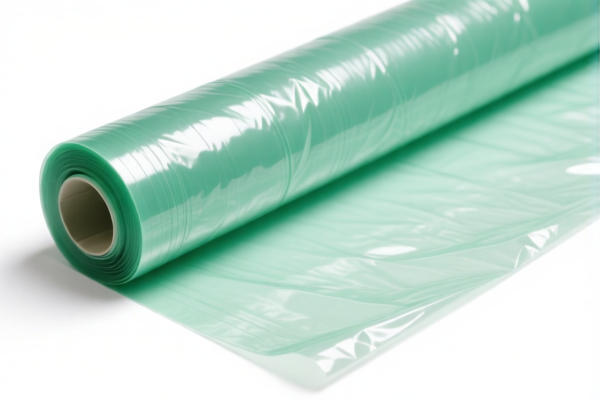
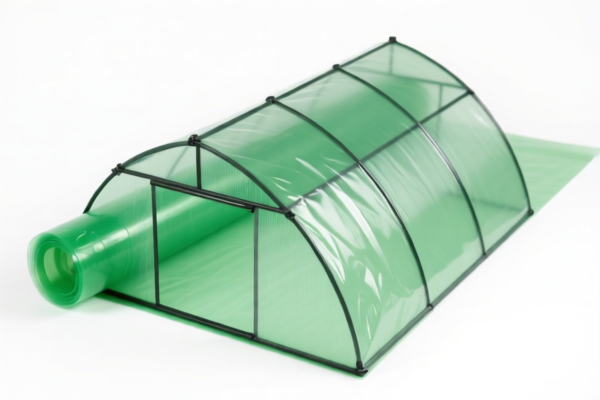
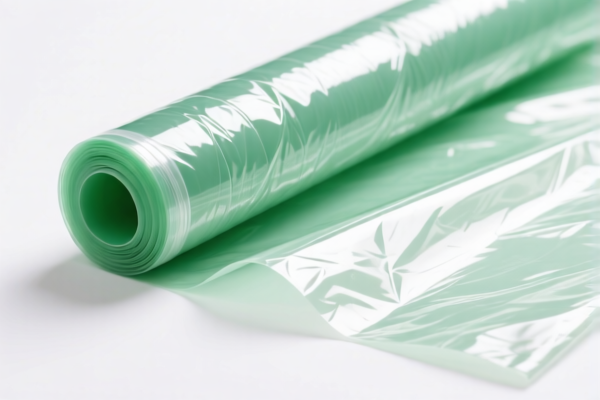
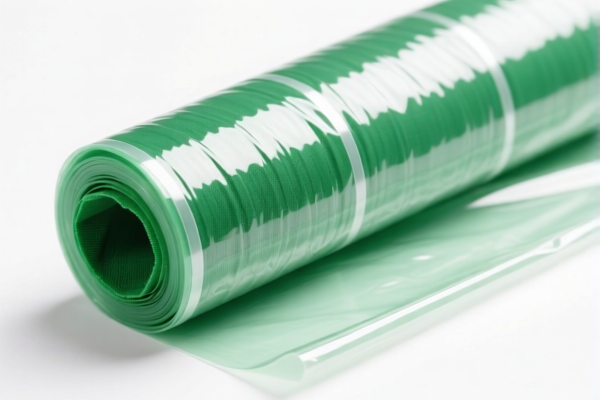
AI分析
🌱🏭 Greenhouse Film: Textile Composite Plastic
🌐 HS Code Reference & Customs Clearance Guide | 2026 Latest Tariff Analysis | Strategic Compliance Strategy
📌 Part I: Product Definition & Classification: Do You Really Understand "Greenhouse Film"?
"Textile Composite Plastic Greenhouse Film" is not a single homogeneous product. In international trade, its classification depends entirely on manufacturing structure, material composition, and physical form.
- Layered/Coated Textiles: Fabrics where plastic is impregnated or coated directly onto the textile base.
- Laminated Sheets: Plastic films with textile backing for reinforcement.
- Composite Plates/Sheets: Rigid or semi-rigid plastic sheets containing textile layers.
⚠️ Critical Distinction Point:
- If the product is primarily a textile with plastic coating → Classify under Chapter 59.
- If the product is primarily a plastic sheet/plate with textile reinforcement → Classify under Chapter 39.
- Key Factor: Which material provides the essential character? Is it the "fabric" or the "plastic sheet"?
📦 Part II: HS Code Classification Details (2026 Authoritative Comparison)
Based on the provided data, here are the four precise HS Codes for "Textile Composite Plastic Greenhouse Film" and their tax implications.
| HS Code | Product Description & Classification Logic | Total Tax Rate | Tax Breakdown |
|---|---|---|---|
| 5903.90.20.00 | Lightweight Textile Composite Plastic Film Morphology: Matches textile fabric characteristics + Plastic impregnation/coating attributes. Logic: Essential character is the textile. |
35.0% | Base: 0.0% Section 301: 25.0% Section 122: 10.0% |
| 5903.10.20.90 | Lightweight Textile Composite Plastic Film Morphology: Matches film形态 (film shape) + Plastic coating attributes on textile. Logic: Plastic-coated textile fabric, specific sub-category. |
35.0% | Base: 0.0% Section 301: 25.0% Section 122: 10.0% |
| 3921.90.15.00 | Lightweight Textile Composite Plastic Film Morphology: Matches plastic/composite plate/sheet characteristics. Logic: Essential character is the plastic sheet/plate. |
41.5% | Base: 6.5% Section 301: 25.0% Section 122: 10.0% |
| 3920.99.10.00 | Lightweight Textile Composite Plastic Film Morphology: Matches plastic material + Composite lamination form. Logic: Non-self-adhesive plastic sheet, laminated. |
41.0% | Base: 6.0% Section 301: 25.0% Section 122: 10.0% |
| 3920.99.20.00 | Lightweight Textile Composite Plastic Film Morphology: Matches plastic material + Laminate-supported composite structure. Logic: Plastic sheet with supporting composite layer. |
39.2% | Base: 4.2% Section 301: 25.0% Section 122: 10.0% |
🔍 Key Insight:
- Chapter 59 (Textiles) generally offers a lower base tariff (0%) but incurs the same additional taxes.
- Chapter 39 (Plastics) incurs higher base tariffs (4.2%–6.5%), pushing the total rate higher.
- Total Tax Range: 35.0% – 41.5%.
- Always include: 25% Section 301 Tariff + 10% Section 122 Tariff for Chinese-origin goods.
💰 Part III: 2026 Latest Tariff Rate Explanation (Detailed Breakdown)
✅ Applicable Country: United States (US)
✅ Origin: China (CN)
✅ Effective Date: From November 10, 2025 onwards
🎯 1. 5903.90.20.00 & 5903.10.20.90 — Plastic-Impregnated/Coated Textiles (Total: 35.0%)
| Item | Details |
|---|---|
| Base Duty Rate | 0.0% (ad valorem) Chapter 59 benefits from lower base rates for coated textiles. |
| Section 301 Duty | +25.0% Under U.S. Trade Act Section 301, targeting Chinese imports. |
| Section 122 Duty | +10.0% Under IEEPA, specific to certain Chinese textile/plastic composite goods. |
| Total Effective Rate | 35.0% |
| Tax Calculation | CIF Value × 35.0% |
| De Minimis Eligibility | ❌ No (deny_de_minimis) Small package exemptions do not apply. |
| Legal Path | IEEPA:122 → USITC:5903.xxxx → USITC:5903.10.20.90/5903.90.20.00 |
📌 Explanation:
- These codes apply when the textile fabric is the dominant material, and plastic is used to coat or impregnate it.
- Despite the 0% base duty, the 35% total rate is significant.
- Optimization Tip: If your product can be proven to be primarily a "plastic sheet" (Chapter 39), the base duty rises, but the classification logic changes. However, 35% is the lowest total rate among the options provided.
🎯 2. 3921.90.15.00 — Plastic Composite Plates/Sheets (Total: 41.5%)
| Item | Details |
|---|---|
| Base Duty Rate | 6.5% (ad valorem) |
| Section 301 Duty | +25.0% |
| Section 122 Duty | +10.0% |
| Total Effective Rate | 41.5% |
| Tax Calculation | CIF Value × 41.5% |
| De Minimis Eligibility | ❌ No |
| Legal Path | IEEPA:122 → USITC:3921.90.15.00 |
📌 Explanation:
- Apply this when the product is a rigid or semi-rigid plastic sheet with textile reinforcement, where plastic defines the character.
- Highest Total Rate in the provided data. Avoid if possible unless the product structure strictly mandates it.
🎯 3. 3920.99.10.00 — Laminated Plastic Sheets (Total: 41.0%)
| Item | Details |
|---|---|
| Base Duty Rate | 6.0% (ad valorem) |
| Section 301 Duty | +25.0% |
| Section 122 Duty | +10.0% |
| Total Effective Rate | 41.0% |
| Tax Calculation | CIF Value × 41.0% |
| De Minimis Eligibility | ❌ No |
| Legal Path | IEEPA:122 → USITC:3920.99.10.00 |
📌 Explanation:
- For flexible plastic films that are laminated with textile layers.
- Slightly better than3921.90.15.00due to lower base duty (6.0% vs 6.5%).
🎯 4. 3920.99.20.00 — Supported Composite Plastic Sheets (Total: 39.2%)
| Item | Details |
|---|---|
| Base Duty Rate | 4.2% (ad valorem) |
| Section 301 Duty | +25.0% |
| Section 122 Duty | +10.0% |
| Total Effective Rate | 39.2% |
| Tax Calculation | CIF Value × 39.2% |
| De Minimis Eligibility | ❌ No |
| Legal Path | IEEPA:122 → USITC:3920.99.20.00 |
📌 Explanation:
- A subset of plastic sheets where the composite structure uses textile as a supporting layer.
- Best Option Among Chapter 39 Codes due to the lowest base duty (4.2%).
- Still 4.2% higher than Chapter 59 options.
🛠️ Part IV: Customs Clearance Practical Advice (Best Practices)
✅ 1. Required Documentation Checklist
| Document | Mandatory | Notes |
|---|---|---|
| ✅ Product Specification Sheet | ✔️ | Must detail: Material composition (e.g., "PE-coated polyester fabric"), layer structure, thickness, weight per sqm. |
| ✅ Technical Diagrams | ✔️ | Show lamination/coating process. Is plastic the base or the coating? |
| ✅ Product Photos | ✔️ | Clear images showing texture, cross-section (if possible), and labeling. |
| ✅ Commercial Invoice | ✔️ | Must specify: "Textile Composite Plastic Film for Greenhouse Use" + Exact HS Code. |
| ✅ Packing List | ✔️ | Detailed weight/volume. |
| ✅ Certificate of Origin (CO) | ✔️ | Crucial for verifying Chinese origin (triggers 301/122 duties). |
| ✅ Third-Party Test Report | ✔️ | ISO, ASTM, or SGS report confirming material composition (e.g., % Polyester, % PE). |
✅ 2. Declaration Tips (Critical!)
🔥 Golden Rule: "Define Essential Character First! Textile vs. Plastic!"
| Scenario | Correct HS Code | Incorrect HS Code | Consequence |
|---|---|---|---|
| Plastic-coated fabric (Plastic is a coating on textile) | 5903.90.20.00 / 5903.10.20.90 |
3920.99.20.00 |
Under-declaration of duty → Penalties + Back Taxes |
| Plastic sheet with textile backing (Plastic is the main material) | 3920.99.20.00 |
5903.90.20.00 |
Over-declaration of duty → Loss of profit (though less risky than under-declaration) |
| Rigid plastic panel with textile laminate | 3921.90.15.00 |
5903.90.20.00 |
Misclassification → Customs Hold + Inspection |
| Generic "Plastic Film" | ❌ Avoid | Any specific code | Rejection by Customs |
📌 Key Advice:
- If the product is flexible and fabric-like, prefer Chapter 59 (35% total).
- If the product is sheet-like and plastic-dominant, compare 3920.99.20.00 (39.2%) vs 3920.99.10.00 (41.0%).
- Always declare the specific composite structure (e.g., "Polyethylene coated polyester non-woven fabric").
✅ 3. Special Cases
| Scenario | Handling Suggestion |
|---|---|
| Custom-Made Greenhouse Film | Provide OEM contracts + design specs. Avoid generic descriptions. |
| Multi-Layer Film | Specify the primary layer (the one giving essential character). If multiple layers, provide a layer-by-layer breakdown. |
| Recycled Content | If significant recycled content, check for any potential green import incentives (though US China tariffs still apply). |
| Sample vs. Bulk | Declare samples as "Sample" with value note. Bulk shipment must include full commercial invoice. |
🌍 Part V: Global Market Comparison (2026)
| Country/Region | Recommended HS Code | Total Duty (China Origin) | Notes |
|---|---|---|---|
| 🇺🇸 United States | 5903.90.20.00 (Preferred) |
35.0% | Includes 25% (301) + 10% (122). Chapter 39 codes are 39.2%-41.5%. |
| 🇨🇳 China | 5903.90.20.00 |
10-13% | No Section 301/122. Base duty varies. |
| 🇪🇺 European Union | 5903.20.00 (Approx.) |
6.5% | No Section 301/122. EORI number required. |
| 🇯🇵 Japan | 5903.20.00 (Approx.) |
6-8% | No Section 301/122. |
| 🇦🇺 Australia | 5903.20.00 (Approx.) |
5% | No Section 301/122. |
📌 Conclusion:
- USA is the most expensive market due to 35%–41.5% total tariffs.
- China-origin goods face Section 301 (25%) and Section 122 (10%) on ALL codes listed.
- Strategy: If possible, source from Vietnam, Thailand, or India to mitigate US tariffs (though rules of origin must be strictly met).
📌 Part VI: Common Errors & Pitfalls (Lessons Learned)
❌ Error 1: Declaring as "Plastic Bag" or "Generic Plastic Film"
👉 Result: Customs reclassification → 41.5% duty + Penalty.
❌ Error 2: Ignoring the "Textile" component
👉 Result: If textile is >50% by weight or essential character, misclassification under Chapter 39 → Audit Risk.
❌ Error 3: Assuming De Minimis Applies
👉 Result: Section 122 and 301 duties do not apply to de minimis exemptions. All shipments, regardless of value, are subject to 35%+ duties.
❌ Error 4: Vague Description "Greenhouse Cover"
👉 Result: Customs may use "Catch-All" code with higher estimated duty or hold shipment for inspection.
✅ Correct Practice:
"Polyethylene Coated Polyester Textile Composite Film for Agricultural Greenhouse Use, 0.5mm Thickness, White, Roll Format"
🎯 Part VII: Conclusion: Precision in Classification Saves Money!
🎯 Key Takeaways:
🔹 Chapter 59 (35%) is generally cheaper than Chapter 39 (39.2%–41.5%) for composite films.
🔹 Total Tariff = Base + 25% (301) + 10% (122).
🔹 No De Minimis Exemption for US imports from China.
🔹 Essential Character Test is critical: Is it a coated fabric (5903) or a laminated plastic sheet (3920)?🔹 "Classify as Textile Composite (5903) to Save 4.2%-6.5% Base Duty!"
🔹 "Always Declare Material Composition Clearly!"
📌 Pro Tip:
- Apply for an Advance Ruling (Ruling Letter) from US CBP if your product structure is complex.
- Consider supply chain diversification (e.g., assembly in Southeast Asia) to potentially reduce Section 301/122 impact, provided Rules of Origin are met.
📣 Immediate Action Required:
📞 Consult a licensed customs broker.
📄 Provide detailed material composition (e.g., "70% Polyester, 30% PE").
🚀 Avoid costly delays and penalties by classifying correctly!
✨ Smart Classification, Smarter Profits!
💼 Every percentage point matters in international trade!
用户评价
关于 HS 编码归类
协调制度(HS)是由世界海关组织(WCO)制定的国际贸易商品分类标准。全球 200 多个国家采用 HS 系统作为海关关税、贸易统计和进出口监管的基础。
每个 HS 编码遵循以下层级结构:
- 章(2 位)——商品大类(例如:第 84 章:机器和机械设备)
- 品目(4 位)——章内的更具体分类
- 子目(6 位)——国际通用细分,所有 WCO 成员国统一使用
- 本国细分(8-10 位)——各国自行扩展的细分编码,如美国 HTSUS 10 位编码
正确的 HS 编码归类对于顺利通关、准确缴纳关税和遵守贸易法规至关重要。错误归类可能导致海关延误、多缴关税或罚款。
从CN进口到US时,适用的关税税率可能包括:
- 最惠国(MFN)税率——适用于 WTO 成员国的标准关税税率
- 普通税率——适用于无贸易协定国家
- 贸易救济关税——附加关税,如 301 条款(反倾销)、232 条款(国家安全)或反补贴税
本页内容仅供参考。如需正式归类,请咨询当地海关或持牌报关代理。