Textile Composite Plastic Greenhouse Film
CN → US| HS Code | Tariff Rate | Origin | Destination | Doc |
|---|---|---|---|---|
| 5903902000 | 35.0% | CN | US | Official Doc |
| 5903102090 | 35.0% | CN | US | Official Doc |
| 3921901500 | 41.5% | CN | US | Official Doc |
| 3920991000 | 41.0% | CN | US | Official Doc |
| 3920992000 | 39.2% | CN | US | Official Doc |
Product Images
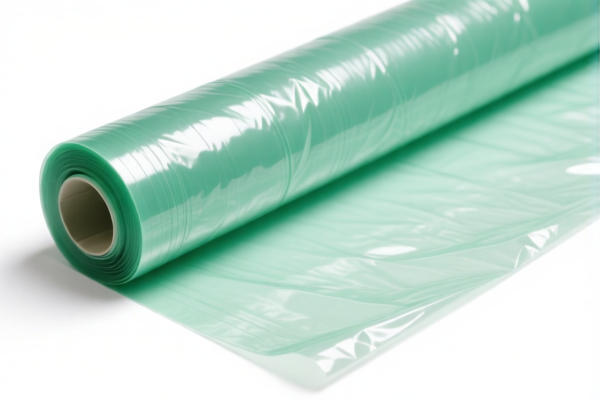
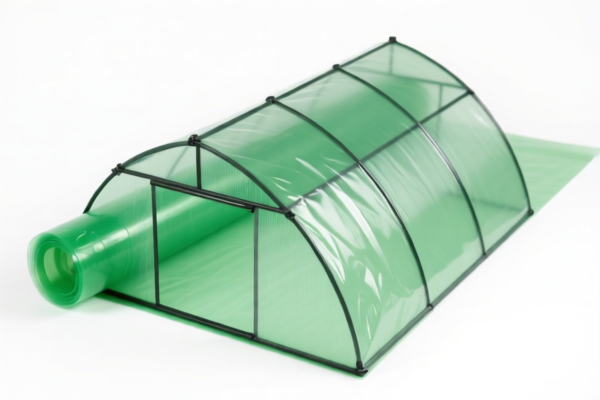
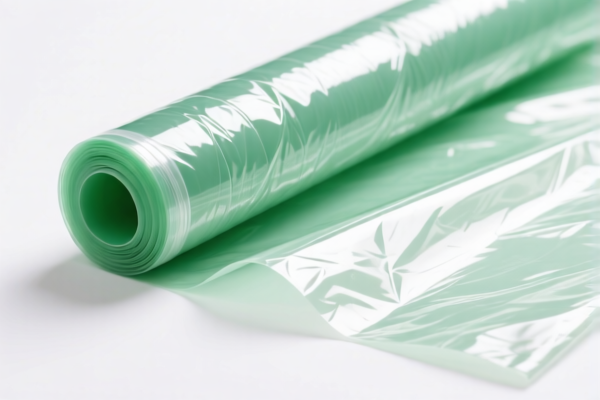
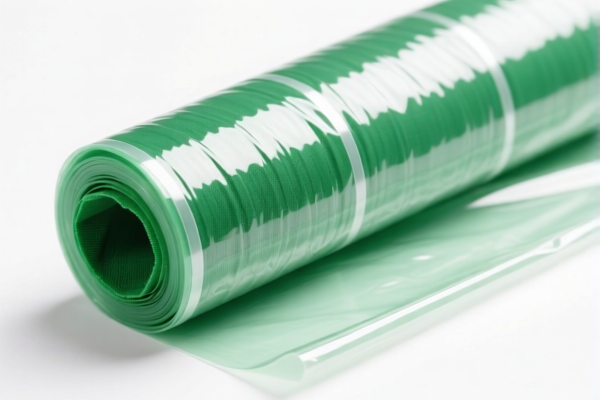
AI Analysis
🌱🏭 Greenhouse Film: Textile Composite Plastic
🌐 HS Code Reference & Customs Clearance Guide | 2026 Latest Tariff Analysis | Strategic Compliance Strategy
📌 Part I: Product Definition & Classification: Do You Really Understand "Greenhouse Film"?
"Textile Composite Plastic Greenhouse Film" is not a single homogeneous product. In international trade, its classification depends entirely on manufacturing structure, material composition, and physical form.
- Layered/Coated Textiles: Fabrics where plastic is impregnated or coated directly onto the textile base.
- Laminated Sheets: Plastic films with textile backing for reinforcement.
- Composite Plates/Sheets: Rigid or semi-rigid plastic sheets containing textile layers.
⚠️ Critical Distinction Point:
- If the product is primarily a textile with plastic coating → Classify under Chapter 59.
- If the product is primarily a plastic sheet/plate with textile reinforcement → Classify under Chapter 39.
- Key Factor: Which material provides the essential character? Is it the "fabric" or the "plastic sheet"?
📦 Part II: HS Code Classification Details (2026 Authoritative Comparison)
Based on the provided data, here are the four precise HS Codes for "Textile Composite Plastic Greenhouse Film" and their tax implications.
| HS Code | Product Description & Classification Logic | Total Tax Rate | Tax Breakdown |
|---|---|---|---|
| 5903.90.20.00 | Lightweight Textile Composite Plastic Film Morphology: Matches textile fabric characteristics + Plastic impregnation/coating attributes. Logic: Essential character is the textile. |
35.0% | Base: 0.0% Section 301: 25.0% Section 122: 10.0% |
| 5903.10.20.90 | Lightweight Textile Composite Plastic Film Morphology: Matches film形态 (film shape) + Plastic coating attributes on textile. Logic: Plastic-coated textile fabric, specific sub-category. |
35.0% | Base: 0.0% Section 301: 25.0% Section 122: 10.0% |
| 3921.90.15.00 | Lightweight Textile Composite Plastic Film Morphology: Matches plastic/composite plate/sheet characteristics. Logic: Essential character is the plastic sheet/plate. |
41.5% | Base: 6.5% Section 301: 25.0% Section 122: 10.0% |
| 3920.99.10.00 | Lightweight Textile Composite Plastic Film Morphology: Matches plastic material + Composite lamination form. Logic: Non-self-adhesive plastic sheet, laminated. |
41.0% | Base: 6.0% Section 301: 25.0% Section 122: 10.0% |
| 3920.99.20.00 | Lightweight Textile Composite Plastic Film Morphology: Matches plastic material + Laminate-supported composite structure. Logic: Plastic sheet with supporting composite layer. |
39.2% | Base: 4.2% Section 301: 25.0% Section 122: 10.0% |
🔍 Key Insight:
- Chapter 59 (Textiles) generally offers a lower base tariff (0%) but incurs the same additional taxes.
- Chapter 39 (Plastics) incurs higher base tariffs (4.2%–6.5%), pushing the total rate higher.
- Total Tax Range: 35.0% – 41.5%.
- Always include: 25% Section 301 Tariff + 10% Section 122 Tariff for Chinese-origin goods.
💰 Part III: 2026 Latest Tariff Rate Explanation (Detailed Breakdown)
✅ Applicable Country: United States (US)
✅ Origin: China (CN)
✅ Effective Date: From November 10, 2025 onwards
🎯 1. 5903.90.20.00 & 5903.10.20.90 — Plastic-Impregnated/Coated Textiles (Total: 35.0%)
| Item | Details |
|---|---|
| Base Duty Rate | 0.0% (ad valorem) Chapter 59 benefits from lower base rates for coated textiles. |
| Section 301 Duty | +25.0% Under U.S. Trade Act Section 301, targeting Chinese imports. |
| Section 122 Duty | +10.0% Under IEEPA, specific to certain Chinese textile/plastic composite goods. |
| Total Effective Rate | 35.0% |
| Tax Calculation | CIF Value × 35.0% |
| De Minimis Eligibility | ❌ No (deny_de_minimis) Small package exemptions do not apply. |
| Legal Path | IEEPA:122 → USITC:5903.xxxx → USITC:5903.10.20.90/5903.90.20.00 |
📌 Explanation:
- These codes apply when the textile fabric is the dominant material, and plastic is used to coat or impregnate it.
- Despite the 0% base duty, the 35% total rate is significant.
- Optimization Tip: If your product can be proven to be primarily a "plastic sheet" (Chapter 39), the base duty rises, but the classification logic changes. However, 35% is the lowest total rate among the options provided.
🎯 2. 3921.90.15.00 — Plastic Composite Plates/Sheets (Total: 41.5%)
| Item | Details |
|---|---|
| Base Duty Rate | 6.5% (ad valorem) |
| Section 301 Duty | +25.0% |
| Section 122 Duty | +10.0% |
| Total Effective Rate | 41.5% |
| Tax Calculation | CIF Value × 41.5% |
| De Minimis Eligibility | ❌ No |
| Legal Path | IEEPA:122 → USITC:3921.90.15.00 |
📌 Explanation:
- Apply this when the product is a rigid or semi-rigid plastic sheet with textile reinforcement, where plastic defines the character.
- Highest Total Rate in the provided data. Avoid if possible unless the product structure strictly mandates it.
🎯 3. 3920.99.10.00 — Laminated Plastic Sheets (Total: 41.0%)
| Item | Details |
|---|---|
| Base Duty Rate | 6.0% (ad valorem) |
| Section 301 Duty | +25.0% |
| Section 122 Duty | +10.0% |
| Total Effective Rate | 41.0% |
| Tax Calculation | CIF Value × 41.0% |
| De Minimis Eligibility | ❌ No |
| Legal Path | IEEPA:122 → USITC:3920.99.10.00 |
📌 Explanation:
- For flexible plastic films that are laminated with textile layers.
- Slightly better than3921.90.15.00due to lower base duty (6.0% vs 6.5%).
🎯 4. 3920.99.20.00 — Supported Composite Plastic Sheets (Total: 39.2%)
| Item | Details |
|---|---|
| Base Duty Rate | 4.2% (ad valorem) |
| Section 301 Duty | +25.0% |
| Section 122 Duty | +10.0% |
| Total Effective Rate | 39.2% |
| Tax Calculation | CIF Value × 39.2% |
| De Minimis Eligibility | ❌ No |
| Legal Path | IEEPA:122 → USITC:3920.99.20.00 |
📌 Explanation:
- A subset of plastic sheets where the composite structure uses textile as a supporting layer.
- Best Option Among Chapter 39 Codes due to the lowest base duty (4.2%).
- Still 4.2% higher than Chapter 59 options.
🛠️ Part IV: Customs Clearance Practical Advice (Best Practices)
✅ 1. Required Documentation Checklist
| Document | Mandatory | Notes |
|---|---|---|
| ✅ Product Specification Sheet | ✔️ | Must detail: Material composition (e.g., "PE-coated polyester fabric"), layer structure, thickness, weight per sqm. |
| ✅ Technical Diagrams | ✔️ | Show lamination/coating process. Is plastic the base or the coating? |
| ✅ Product Photos | ✔️ | Clear images showing texture, cross-section (if possible), and labeling. |
| ✅ Commercial Invoice | ✔️ | Must specify: "Textile Composite Plastic Film for Greenhouse Use" + Exact HS Code. |
| ✅ Packing List | ✔️ | Detailed weight/volume. |
| ✅ Certificate of Origin (CO) | ✔️ | Crucial for verifying Chinese origin (triggers 301/122 duties). |
| ✅ Third-Party Test Report | ✔️ | ISO, ASTM, or SGS report confirming material composition (e.g., % Polyester, % PE). |
✅ 2. Declaration Tips (Critical!)
🔥 Golden Rule: "Define Essential Character First! Textile vs. Plastic!"
| Scenario | Correct HS Code | Incorrect HS Code | Consequence |
|---|---|---|---|
| Plastic-coated fabric (Plastic is a coating on textile) | 5903.90.20.00 / 5903.10.20.90 |
3920.99.20.00 |
Under-declaration of duty → Penalties + Back Taxes |
| Plastic sheet with textile backing (Plastic is the main material) | 3920.99.20.00 |
5903.90.20.00 |
Over-declaration of duty → Loss of profit (though less risky than under-declaration) |
| Rigid plastic panel with textile laminate | 3921.90.15.00 |
5903.90.20.00 |
Misclassification → Customs Hold + Inspection |
| Generic "Plastic Film" | ❌ Avoid | Any specific code | Rejection by Customs |
📌 Key Advice:
- If the product is flexible and fabric-like, prefer Chapter 59 (35% total).
- If the product is sheet-like and plastic-dominant, compare 3920.99.20.00 (39.2%) vs 3920.99.10.00 (41.0%).
- Always declare the specific composite structure (e.g., "Polyethylene coated polyester non-woven fabric").
✅ 3. Special Cases
| Scenario | Handling Suggestion |
|---|---|
| Custom-Made Greenhouse Film | Provide OEM contracts + design specs. Avoid generic descriptions. |
| Multi-Layer Film | Specify the primary layer (the one giving essential character). If multiple layers, provide a layer-by-layer breakdown. |
| Recycled Content | If significant recycled content, check for any potential green import incentives (though US China tariffs still apply). |
| Sample vs. Bulk | Declare samples as "Sample" with value note. Bulk shipment must include full commercial invoice. |
🌍 Part V: Global Market Comparison (2026)
| Country/Region | Recommended HS Code | Total Duty (China Origin) | Notes |
|---|---|---|---|
| 🇺🇸 United States | 5903.90.20.00 (Preferred) |
35.0% | Includes 25% (301) + 10% (122). Chapter 39 codes are 39.2%-41.5%. |
| 🇨🇳 China | 5903.90.20.00 |
10-13% | No Section 301/122. Base duty varies. |
| 🇪🇺 European Union | 5903.20.00 (Approx.) |
6.5% | No Section 301/122. EORI number required. |
| 🇯🇵 Japan | 5903.20.00 (Approx.) |
6-8% | No Section 301/122. |
| 🇦🇺 Australia | 5903.20.00 (Approx.) |
5% | No Section 301/122. |
📌 Conclusion:
- USA is the most expensive market due to 35%–41.5% total tariffs.
- China-origin goods face Section 301 (25%) and Section 122 (10%) on ALL codes listed.
- Strategy: If possible, source from Vietnam, Thailand, or India to mitigate US tariffs (though rules of origin must be strictly met).
📌 Part VI: Common Errors & Pitfalls (Lessons Learned)
❌ Error 1: Declaring as "Plastic Bag" or "Generic Plastic Film"
👉 Result: Customs reclassification → 41.5% duty + Penalty.
❌ Error 2: Ignoring the "Textile" component
👉 Result: If textile is >50% by weight or essential character, misclassification under Chapter 39 → Audit Risk.
❌ Error 3: Assuming De Minimis Applies
👉 Result: Section 122 and 301 duties do not apply to de minimis exemptions. All shipments, regardless of value, are subject to 35%+ duties.
❌ Error 4: Vague Description "Greenhouse Cover"
👉 Result: Customs may use "Catch-All" code with higher estimated duty or hold shipment for inspection.
✅ Correct Practice:
"Polyethylene Coated Polyester Textile Composite Film for Agricultural Greenhouse Use, 0.5mm Thickness, White, Roll Format"
🎯 Part VII: Conclusion: Precision in Classification Saves Money!
🎯 Key Takeaways:
🔹 Chapter 59 (35%) is generally cheaper than Chapter 39 (39.2%–41.5%) for composite films.
🔹 Total Tariff = Base + 25% (301) + 10% (122).
🔹 No De Minimis Exemption for US imports from China.
🔹 Essential Character Test is critical: Is it a coated fabric (5903) or a laminated plastic sheet (3920)?🔹 "Classify as Textile Composite (5903) to Save 4.2%-6.5% Base Duty!"
🔹 "Always Declare Material Composition Clearly!"
📌 Pro Tip:
- Apply for an Advance Ruling (Ruling Letter) from US CBP if your product structure is complex.
- Consider supply chain diversification (e.g., assembly in Southeast Asia) to potentially reduce Section 301/122 impact, provided Rules of Origin are met.
📣 Immediate Action Required:
📞 Consult a licensed customs broker.
📄 Provide detailed material composition (e.g., "70% Polyester, 30% PE").
🚀 Avoid costly delays and penalties by classifying correctly!
✨ Smart Classification, Smarter Profits!
💼 Every percentage point matters in international trade!
Customer Reviews
About HS Code Classification
The Harmonized System (HS) is an internationally standardized nomenclature developed by the World Customs Organization (WCO) to classify traded products. Over 200 countries use the HS system as the basis for customs tariffs, trade statistics, and import/export regulations.
Each HS code follows a hierarchical structure:
- Chapter (2 digits) — Broad category of goods (e.g., Chapter 84: Machinery and Mechanical Appliances)
- Heading (4 digits) — More specific grouping within the chapter
- Subheading (6 digits) — Internationally standardized breakdown, used by all WCO member countries
- National subdivisions (8-10 digits) — Country-specific extensions for further classification, such as US HTSUS 10-digit codes
Correct HS code classification is essential for smooth customs clearance, accurate duty payment, and compliance with trade regulations. Misclassification can lead to customs delays, overpayment of duties, or penalties.
When importing from CN to US, the applicable tariff rates may include:
- Most-Favored-Nation (MFN) rate — The standard duty rate applied to WTO members
- General rate — Applied to countries without trade agreements
- Trade remedy duties — Additional tariffs such as Section 301 (anti-dumping), Section 232 (national security), or countervailing duties
The information provided on this page is for reference purposes only. For official classification, please consult with your local customs authority or a licensed customs broker.