Textile Composite Plastic Sunshade
CN → US| HS编码 | 关税税率 | 原产国 | 目的国 | 文档 |
|---|---|---|---|---|
| 3926905900 | 37.4% | CN | US | 官方文档 |
| 3926909989 | 22.8% | CN | US | 官方文档 |
| 6306120000 | 18.8% | CN | US | 官方文档 |
| 6303910020 | 27.8% | CN | US | 官方文档 |
| 6303910010 | 27.8% | CN | US | 官方文档 |
商品图片
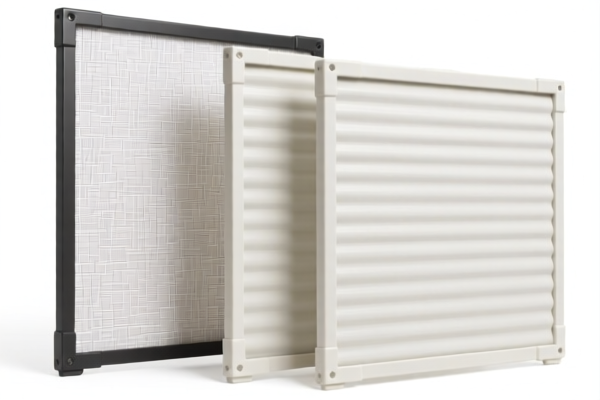
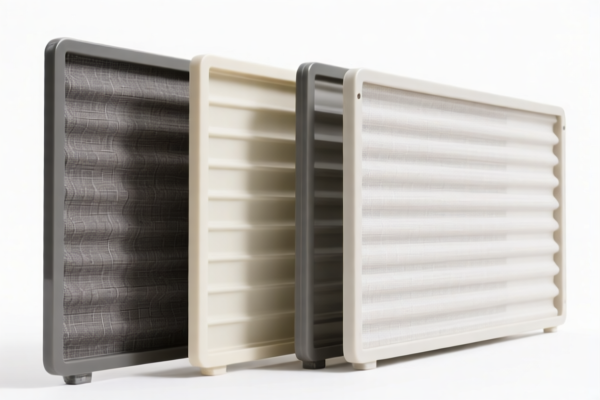
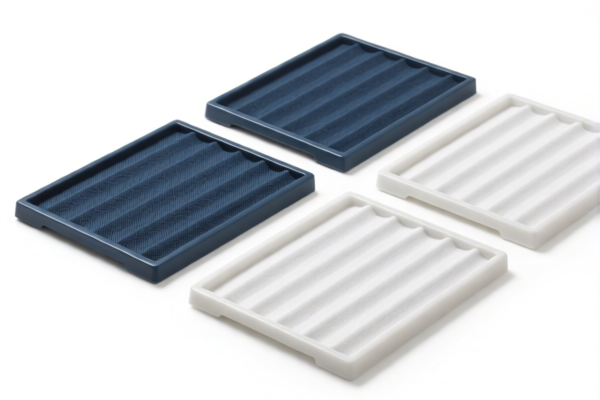
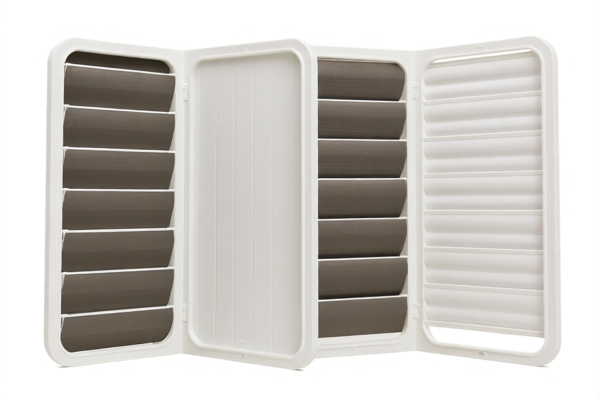
AI分析
☀️ Textile Composite Plastic Sunshade (纺织复合塑料遮阳板)
🌐 HS Code Reference & Customs Clearance Guide | 2026 Latest Tariff Analysis | Professional Compliance Strategy
📌 I. Product Definition & Classification: What Exactly Is This Product?
The "Textile Composite Plastic Sunshade" is a composite material product combining the durability of plastics with the flexibility and aesthetic of textiles. In international trade, its classification is highly sensitive to the primary material characteristic, end-use, and manufacturing process. It is generally categorized under three main headings:
1. Plastic Articles (Chapter 39): If the plastic component provides the essential character, structural integrity, or waterproofing. 2. Other Made-up Textile Articles (Chapter 63): If the textile fiber is the primary material, and the plastic is merely for reinforcement or coating. 3. Curtains & Blinds (Chapter 63): If it is specifically manufactured in the form of blinds or curtains for windows/vehicles.
⚠️ Key Differentiator:
- If the product is essentially a plastic sheet with textile backing/fiber → Chapter 39.
- If the product is a fabric with plastic coating/lamination used for shading → Chapter 63 (6306 or 6303).
- Critical Note: Misclassification can lead to significant duty differences (e.g., 37.4% vs. 18.8%).
📦 II. HS Code Classification Details (2026 Latest Tariff Authority Comparison)
| HS Code | Product Description | Application Scenario | Primary Character |
|---|---|---|---|
3926.90.59.00 |
Other plastic articles, n.e.s. (Textile-composite plastic sunshade) | Structural plastic panels with textile features | ✅ Plastic Dominant |
3926.90.99.89 |
Other made-up plastic articles, n.e.s. | General plastic components with textile elements | ✅ Plastic Dominant |
6306.12.00.00 |
Tarpaulins, awnings, and sunblinds, of synthetic fibers | Outdoor sunshades, commercial awnings | ✅ Synthetic Textile Dominant |
6303.91.00.20 |
Other curtains (excluding net curtains), of cotton | Cotton-based sunshades/blinds | ✅ Cotton Textile Dominant |
6303.91.00.10 |
Other curtains (excluding net curtains), of cotton | Cotton-based sunshades/blinds (General) | ✅ Cotton Textile Dominant |
🔍 Focus Reminder:
-6306.12.00.00is often the most favorable code for synthetic fiber sunshades due to lower base duties (8.8% vs. 2.4%+25% for plastics).
-3926codes carry heavy trade war tariffs (Section 301 + Section 122), pushing the total rate to 37.4%.
- If the sunshade is Cotton-based, it falls under6303.91, but still faces additional tariffs.
💰 III. 2026 Latest Tariff Rate Breakdown (Including Additional Duties & Policy Surcharges)
✅ Applicable Country: USA (US)
✅ Country of Origin: China (CN)
✅ Effective Date: From 2025-11-10 (for subsequent imports)
🎯 1. 3926.90.59.00 —— Other Plastic Articles (Textile Composite)
| Item | Detail |
|---|---|
| Base Duty Rate | 2.4% |
| Section 301 Additional Duty | +25.0% |
| Section 122 Duty | +10.0% |
| Total Duty Rate | 37.4% |
| Tax Calculation | CIF Value × 37.4% |
| De Minimis Exemption? | ❌ NO (Denied) |
| Legal Basis Path | USITC:3926.90.59.00 → Section 301 (Footnote 9903.88.01) → Section 122 (IEEPA) |
📌 Explanation:
- This code treats the item as a plastic article.
- The 25% comes from the US Trade Representative (USTR) Section 301 tariffs on Chinese goods.
- The 10% is an additional surcharge under Section 122 of the Trade Expansion Act.
- Result: High duty burden. Avoid if possible unless plastic character is undeniable.
🎯 2. 3926.90.99.89 —— Other Made-up Plastic Articles
| Item | Detail |
|---|---|
| Base Duty Rate | 5.3% |
| Section 301 Additional Duty | +7.5% |
| Section 122 Duty | +10.0% |
| Total Duty Rate | 22.8% |
| Tax Calculation | CIF Value × 22.8% |
| De Minimis Exemption? | ❌ NO (Denied) |
| Legal Basis Path | USITC:3926.90.99.89 → Section 301 (Footnote 9903.88.01) → Section 122 (IEEPA) |
📌 Note:
- Slightly lower than3926.90.59.00due to a lower Section 301 rate (7.5% vs. 25%).
- Still significantly higher than textile classifications.
🎯 3. 6306.12.00.00 —— Synthetic Fiber Sunblinds/Awnings ⭐ RECOMMENDED
| Item | Detail |
|---|---|
| Base Duty Rate | 8.8% |
| Section 301 Additional Duty | +0.0% |
| Section 122 Duty | +10.0% |
| Total Duty Rate | 18.8% |
| Tax Calculation | CIF Value × 18.8% |
| De Minimis Exemption? | ❌ NO (Denied) |
| Legal Basis Path | USITC:6306.12.00.00 → Section 122 (IEEPA) |
📌 Analysis:
- Lowest Total Duty among all options.
- No Section 301 tariff applies to this specific subheading (or it is exempted).
- Requirement: Must prove the product is "made up" (cut/sewn) and primarily synthetic fiber.
🎯 4. 6303.91.00.20 & 6303.91.00.10 —— Cotton Curtains
| Item | Detail |
|---|---|
| Base Duty Rate | 10.3% |
| Section 301 Additional Duty | +7.5% |
| Section 122 Duty | +10.0% |
| Total Duty Rate | 27.8% |
| Tax Calculation | CIF Value × 27.8% |
| De Minimis Exemption? | ❌ NO (Denied) |
| Legal Basis Path | USITC:6303.91.00.xx → Section 301 → Section 122 |
📌 Note:
- Only applicable if the sunshade is 100% or predominantly Cotton.
- Higher than6306.12.00.00due to the 7.5% Section 301 duty.
🛠️ IV. Customs Clearance Practical Advice (Pitfall Avoidance Guide)
✅ 1. Documentation Checklist (Mandatory)
| Document | Required? | Explanation |
|---|---|---|
| ✅ Product Specification Sheet | ✔️ | Must detail: Material Composition (e.g., 60% Polyester, 40% PVC), Dimensions, Use Case. |
| ✅ Product Photos (Clear) | ✔️ | Show texture, stitching, and any plastic coating/lamination. |
| ✅ Commercial Invoice | ✔️ | Description should be precise: "Synthetic Fiber Sunshade, Made-up, for Outdoor Use". Avoid vague terms like "Plastic Sheet". |
| ✅ Packing List | ✔️ | Weight and dimensions. |
| ✅ Certificate of Origin (CO) | ✔️ | Proof of Chinese origin triggers Section 301/122. |
✅ 2. Declaration Strategy (Key Mantra)
🔥 “Character Determines Code; Synthetic Beats Plastic for Duty Savings!”
| Scenario | Correct Declaration | Wrong Practice | Result |
|---|---|---|---|
| Synthetic Fiber Sunshade | 6306.12.00.00 |
Misclassified as 3926.90.59.00 |
Save 18.6% (18.8% vs 37.4%) |
| Plastic Sheet with Cloth Backing | 3926.90.59.00 |
Misclassified as 6306.12.00.00 |
Audit Risk: Customs may reclassify & penalize. |
| Cotton Curtain/Sunshade | 6303.91.00.10 |
Misclassified as 3926 |
Higher Duty: 27.8% vs potential lower if synthetic. |
✅ 3. Special Considerations
| Situation | Handling Advice |
|---|---|
| OEM Custom Sunshades | Provide design specs showing fabric weave type. If it looks like fabric, argue for Chapter 63. |
| Composite Materials | If plastic coating > 50% by weight, Customs may force Chapter 39. Ensure textile is dominant. |
| Section 122 Impact | Regardless of HS Code, Section 122 (10%) applies to most textile/plastic imports from China under this new framework. Factor this into pricing. |
| De Minimis | ❌ Not Eligible. All these codes are denied de minimis exemption for Chinese origin. Full duties apply even for small parcels. |
🌍 V. Global Market Comparison (2026 Latest)
| Country/Region | Recommended HS Code | Total Duty (CN Origin) | Certification | Notes |
|---|---|---|---|---|
| 🇺🇸 USA | 6306.12.00.00 |
18.8% | None Specific | Best option for synthetic. |
| 🇺🇸 USA | 3926.90.59.00 |
37.4% | None Specific | Avoid if possible. |
| 🇪🇺 EU | 6306.12.00 |
~10-12% | CE (if electric) | No Section 301/122. |
| 🇨🇳 China | 6306.12.00 |
~10% | None | Import duty only. |
📌 Conclusion:
- USA is the most complex market due to Section 301 and Section 122.
-6306.12.00.00is the strategic winner for synthetic sunshades, offering a ~19-19.6% savings vs. plastic codes.
📌 VI. Common Mistakes & Pitfall Guide (Lessons Learned)
❌ Mistake 1: Calling it "Plastic Sunshade" when it's Fabric
👉 Consequence: Customs may accept 3926, but if challenged, you face back-duties. Better to declare accurately as "Textile Sunshade" to use 6306.
❌ Mistake 2: Ignoring Section 122
👉 Consequence: Assuming only Section 301 applies. Section 122 adds a flat 10% on top, affecting all categories.
❌ Mistake 3: Using "De Minimis" for Small Shipments
👉 Consequence: Since 6306 and 3926 are not eligible for de minimis for CN origin, small shipments are still taxed. Don't use false de minimis claims.
✅ Correct Approach:
“Sunshade, Made-up, 100% Polyester Synthetic Fiber, Waterproof Coating, for Outdoor Window Use”
🎯 VII. Conclusion: Professional Declaration, Cost Optimization
🎯 Remember the Mantra:
🔹 “Synthetic Fiber, Chapter 63, Duty 18.8%”
🔹 “Plastic Character, Chapter 39, Duty 37.4%”
🔹 “Section 122 Adds 10% Everywhere”
🔹 “No De Minimis for China, Pay Up!”
📌 Pro Tip:
If your product is Cotton, use 6303.91. If Synthetic, fight for 6306.12. If it's mostly Plastic, brace for 3926.
Recommendation: Conduct a Material Composition Test and submit a Pre-Ruling Request to US Customs (CBP) if the product is borderline, to secure the lower duty rate.
📣 Immediate Action:
📞 Consult your freight forwarder
📄 Verify material percentages (Textile vs. Plastic weight ratio)
🚀 Choose6306.12.00.00for synthetic products to maximize profit margin!
✨ Precise Classification Saves Money!
💼 Every percentage point counts in cross-border trade!
用户评价
关于 HS 编码归类
协调制度(HS)是由世界海关组织(WCO)制定的国际贸易商品分类标准。全球 200 多个国家采用 HS 系统作为海关关税、贸易统计和进出口监管的基础。
每个 HS 编码遵循以下层级结构:
- 章(2 位)——商品大类(例如:第 84 章:机器和机械设备)
- 品目(4 位)——章内的更具体分类
- 子目(6 位)——国际通用细分,所有 WCO 成员国统一使用
- 本国细分(8-10 位)——各国自行扩展的细分编码,如美国 HTSUS 10 位编码
正确的 HS 编码归类对于顺利通关、准确缴纳关税和遵守贸易法规至关重要。错误归类可能导致海关延误、多缴关税或罚款。
从CN进口到US时,适用的关税税率可能包括:
- 最惠国(MFN)税率——适用于 WTO 成员国的标准关税税率
- 普通税率——适用于无贸易协定国家
- 贸易救济关税——附加关税,如 301 条款(反倾销)、232 条款(国家安全)或反补贴税
本页内容仅供参考。如需正式归类,请咨询当地海关或持牌报关代理。