Textile Composite Plastic Sunshade
CN → US| HS Code | Tariff Rate | Origin | Destination | Doc |
|---|---|---|---|---|
| 3926905900 | 37.4% | CN | US | Official Doc |
| 3926909989 | 22.8% | CN | US | Official Doc |
| 6306120000 | 18.8% | CN | US | Official Doc |
| 6303910020 | 27.8% | CN | US | Official Doc |
| 6303910010 | 27.8% | CN | US | Official Doc |
Product Images
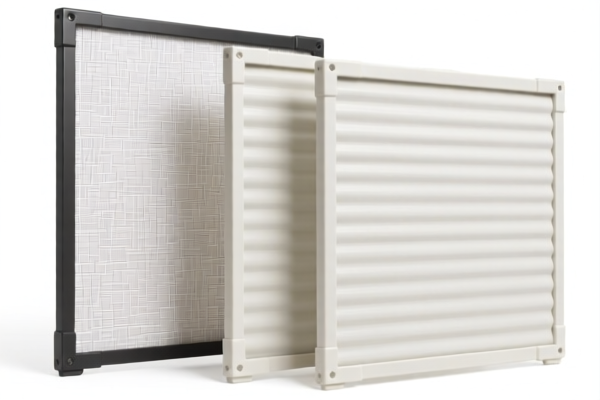
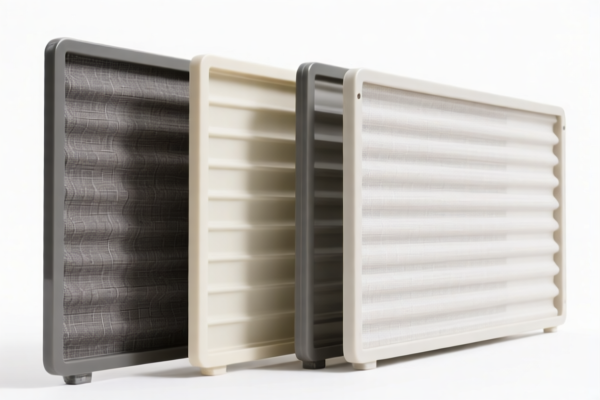
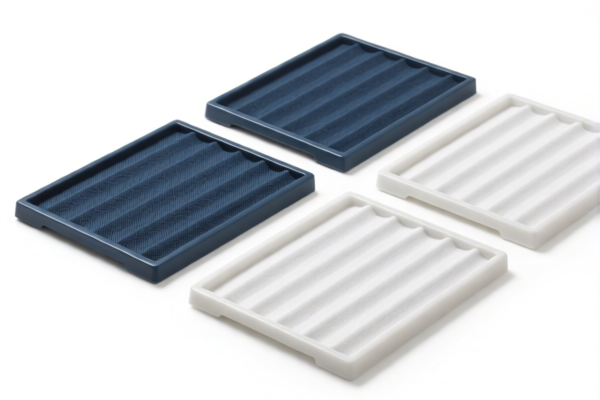
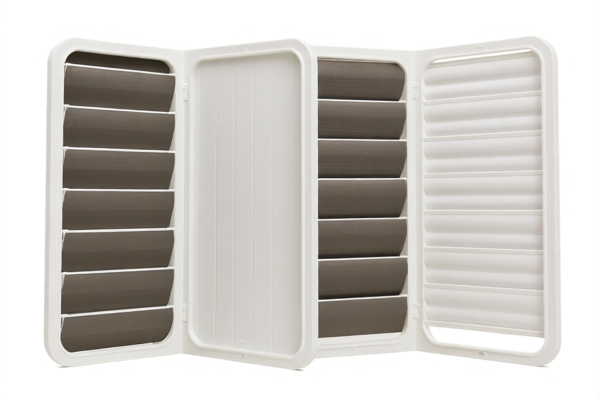
AI Analysis
☀️ Textile Composite Plastic Sunshade (纺织复合塑料遮阳板)
🌐 HS Code Reference & Customs Clearance Guide | 2026 Latest Tariff Analysis | Professional Compliance Strategy
📌 I. Product Definition & Classification: What Exactly Is This Product?
The "Textile Composite Plastic Sunshade" is a composite material product combining the durability of plastics with the flexibility and aesthetic of textiles. In international trade, its classification is highly sensitive to the primary material characteristic, end-use, and manufacturing process. It is generally categorized under three main headings:
1. Plastic Articles (Chapter 39): If the plastic component provides the essential character, structural integrity, or waterproofing. 2. Other Made-up Textile Articles (Chapter 63): If the textile fiber is the primary material, and the plastic is merely for reinforcement or coating. 3. Curtains & Blinds (Chapter 63): If it is specifically manufactured in the form of blinds or curtains for windows/vehicles.
⚠️ Key Differentiator:
- If the product is essentially a plastic sheet with textile backing/fiber → Chapter 39.
- If the product is a fabric with plastic coating/lamination used for shading → Chapter 63 (6306 or 6303).
- Critical Note: Misclassification can lead to significant duty differences (e.g., 37.4% vs. 18.8%).
📦 II. HS Code Classification Details (2026 Latest Tariff Authority Comparison)
| HS Code | Product Description | Application Scenario | Primary Character |
|---|---|---|---|
3926.90.59.00 |
Other plastic articles, n.e.s. (Textile-composite plastic sunshade) | Structural plastic panels with textile features | ✅ Plastic Dominant |
3926.90.99.89 |
Other made-up plastic articles, n.e.s. | General plastic components with textile elements | ✅ Plastic Dominant |
6306.12.00.00 |
Tarpaulins, awnings, and sunblinds, of synthetic fibers | Outdoor sunshades, commercial awnings | ✅ Synthetic Textile Dominant |
6303.91.00.20 |
Other curtains (excluding net curtains), of cotton | Cotton-based sunshades/blinds | ✅ Cotton Textile Dominant |
6303.91.00.10 |
Other curtains (excluding net curtains), of cotton | Cotton-based sunshades/blinds (General) | ✅ Cotton Textile Dominant |
🔍 Focus Reminder:
-6306.12.00.00is often the most favorable code for synthetic fiber sunshades due to lower base duties (8.8% vs. 2.4%+25% for plastics).
-3926codes carry heavy trade war tariffs (Section 301 + Section 122), pushing the total rate to 37.4%.
- If the sunshade is Cotton-based, it falls under6303.91, but still faces additional tariffs.
💰 III. 2026 Latest Tariff Rate Breakdown (Including Additional Duties & Policy Surcharges)
✅ Applicable Country: USA (US)
✅ Country of Origin: China (CN)
✅ Effective Date: From 2025-11-10 (for subsequent imports)
🎯 1. 3926.90.59.00 —— Other Plastic Articles (Textile Composite)
| Item | Detail |
|---|---|
| Base Duty Rate | 2.4% |
| Section 301 Additional Duty | +25.0% |
| Section 122 Duty | +10.0% |
| Total Duty Rate | 37.4% |
| Tax Calculation | CIF Value × 37.4% |
| De Minimis Exemption? | ❌ NO (Denied) |
| Legal Basis Path | USITC:3926.90.59.00 → Section 301 (Footnote 9903.88.01) → Section 122 (IEEPA) |
📌 Explanation:
- This code treats the item as a plastic article.
- The 25% comes from the US Trade Representative (USTR) Section 301 tariffs on Chinese goods.
- The 10% is an additional surcharge under Section 122 of the Trade Expansion Act.
- Result: High duty burden. Avoid if possible unless plastic character is undeniable.
🎯 2. 3926.90.99.89 —— Other Made-up Plastic Articles
| Item | Detail |
|---|---|
| Base Duty Rate | 5.3% |
| Section 301 Additional Duty | +7.5% |
| Section 122 Duty | +10.0% |
| Total Duty Rate | 22.8% |
| Tax Calculation | CIF Value × 22.8% |
| De Minimis Exemption? | ❌ NO (Denied) |
| Legal Basis Path | USITC:3926.90.99.89 → Section 301 (Footnote 9903.88.01) → Section 122 (IEEPA) |
📌 Note:
- Slightly lower than3926.90.59.00due to a lower Section 301 rate (7.5% vs. 25%).
- Still significantly higher than textile classifications.
🎯 3. 6306.12.00.00 —— Synthetic Fiber Sunblinds/Awnings ⭐ RECOMMENDED
| Item | Detail |
|---|---|
| Base Duty Rate | 8.8% |
| Section 301 Additional Duty | +0.0% |
| Section 122 Duty | +10.0% |
| Total Duty Rate | 18.8% |
| Tax Calculation | CIF Value × 18.8% |
| De Minimis Exemption? | ❌ NO (Denied) |
| Legal Basis Path | USITC:6306.12.00.00 → Section 122 (IEEPA) |
📌 Analysis:
- Lowest Total Duty among all options.
- No Section 301 tariff applies to this specific subheading (or it is exempted).
- Requirement: Must prove the product is "made up" (cut/sewn) and primarily synthetic fiber.
🎯 4. 6303.91.00.20 & 6303.91.00.10 —— Cotton Curtains
| Item | Detail |
|---|---|
| Base Duty Rate | 10.3% |
| Section 301 Additional Duty | +7.5% |
| Section 122 Duty | +10.0% |
| Total Duty Rate | 27.8% |
| Tax Calculation | CIF Value × 27.8% |
| De Minimis Exemption? | ❌ NO (Denied) |
| Legal Basis Path | USITC:6303.91.00.xx → Section 301 → Section 122 |
📌 Note:
- Only applicable if the sunshade is 100% or predominantly Cotton.
- Higher than6306.12.00.00due to the 7.5% Section 301 duty.
🛠️ IV. Customs Clearance Practical Advice (Pitfall Avoidance Guide)
✅ 1. Documentation Checklist (Mandatory)
| Document | Required? | Explanation |
|---|---|---|
| ✅ Product Specification Sheet | ✔️ | Must detail: Material Composition (e.g., 60% Polyester, 40% PVC), Dimensions, Use Case. |
| ✅ Product Photos (Clear) | ✔️ | Show texture, stitching, and any plastic coating/lamination. |
| ✅ Commercial Invoice | ✔️ | Description should be precise: "Synthetic Fiber Sunshade, Made-up, for Outdoor Use". Avoid vague terms like "Plastic Sheet". |
| ✅ Packing List | ✔️ | Weight and dimensions. |
| ✅ Certificate of Origin (CO) | ✔️ | Proof of Chinese origin triggers Section 301/122. |
✅ 2. Declaration Strategy (Key Mantra)
🔥 “Character Determines Code; Synthetic Beats Plastic for Duty Savings!”
| Scenario | Correct Declaration | Wrong Practice | Result |
|---|---|---|---|
| Synthetic Fiber Sunshade | 6306.12.00.00 |
Misclassified as 3926.90.59.00 |
Save 18.6% (18.8% vs 37.4%) |
| Plastic Sheet with Cloth Backing | 3926.90.59.00 |
Misclassified as 6306.12.00.00 |
Audit Risk: Customs may reclassify & penalize. |
| Cotton Curtain/Sunshade | 6303.91.00.10 |
Misclassified as 3926 |
Higher Duty: 27.8% vs potential lower if synthetic. |
✅ 3. Special Considerations
| Situation | Handling Advice |
|---|---|
| OEM Custom Sunshades | Provide design specs showing fabric weave type. If it looks like fabric, argue for Chapter 63. |
| Composite Materials | If plastic coating > 50% by weight, Customs may force Chapter 39. Ensure textile is dominant. |
| Section 122 Impact | Regardless of HS Code, Section 122 (10%) applies to most textile/plastic imports from China under this new framework. Factor this into pricing. |
| De Minimis | ❌ Not Eligible. All these codes are denied de minimis exemption for Chinese origin. Full duties apply even for small parcels. |
🌍 V. Global Market Comparison (2026 Latest)
| Country/Region | Recommended HS Code | Total Duty (CN Origin) | Certification | Notes |
|---|---|---|---|---|
| 🇺🇸 USA | 6306.12.00.00 |
18.8% | None Specific | Best option for synthetic. |
| 🇺🇸 USA | 3926.90.59.00 |
37.4% | None Specific | Avoid if possible. |
| 🇪🇺 EU | 6306.12.00 |
~10-12% | CE (if electric) | No Section 301/122. |
| 🇨🇳 China | 6306.12.00 |
~10% | None | Import duty only. |
📌 Conclusion:
- USA is the most complex market due to Section 301 and Section 122.
-6306.12.00.00is the strategic winner for synthetic sunshades, offering a ~19-19.6% savings vs. plastic codes.
📌 VI. Common Mistakes & Pitfall Guide (Lessons Learned)
❌ Mistake 1: Calling it "Plastic Sunshade" when it's Fabric
👉 Consequence: Customs may accept 3926, but if challenged, you face back-duties. Better to declare accurately as "Textile Sunshade" to use 6306.
❌ Mistake 2: Ignoring Section 122
👉 Consequence: Assuming only Section 301 applies. Section 122 adds a flat 10% on top, affecting all categories.
❌ Mistake 3: Using "De Minimis" for Small Shipments
👉 Consequence: Since 6306 and 3926 are not eligible for de minimis for CN origin, small shipments are still taxed. Don't use false de minimis claims.
✅ Correct Approach:
“Sunshade, Made-up, 100% Polyester Synthetic Fiber, Waterproof Coating, for Outdoor Window Use”
🎯 VII. Conclusion: Professional Declaration, Cost Optimization
🎯 Remember the Mantra:
🔹 “Synthetic Fiber, Chapter 63, Duty 18.8%”
🔹 “Plastic Character, Chapter 39, Duty 37.4%”
🔹 “Section 122 Adds 10% Everywhere”
🔹 “No De Minimis for China, Pay Up!”
📌 Pro Tip:
If your product is Cotton, use 6303.91. If Synthetic, fight for 6306.12. If it's mostly Plastic, brace for 3926.
Recommendation: Conduct a Material Composition Test and submit a Pre-Ruling Request to US Customs (CBP) if the product is borderline, to secure the lower duty rate.
📣 Immediate Action:
📞 Consult your freight forwarder
📄 Verify material percentages (Textile vs. Plastic weight ratio)
🚀 Choose6306.12.00.00for synthetic products to maximize profit margin!
✨ Precise Classification Saves Money!
💼 Every percentage point counts in cross-border trade!
Customer Reviews
About HS Code Classification
The Harmonized System (HS) is an internationally standardized nomenclature developed by the World Customs Organization (WCO) to classify traded products. Over 200 countries use the HS system as the basis for customs tariffs, trade statistics, and import/export regulations.
Each HS code follows a hierarchical structure:
- Chapter (2 digits) — Broad category of goods (e.g., Chapter 84: Machinery and Mechanical Appliances)
- Heading (4 digits) — More specific grouping within the chapter
- Subheading (6 digits) — Internationally standardized breakdown, used by all WCO member countries
- National subdivisions (8-10 digits) — Country-specific extensions for further classification, such as US HTSUS 10-digit codes
Correct HS code classification is essential for smooth customs clearance, accurate duty payment, and compliance with trade regulations. Misclassification can lead to customs delays, overpayment of duties, or penalties.
When importing from CN to US, the applicable tariff rates may include:
- Most-Favored-Nation (MFN) rate — The standard duty rate applied to WTO members
- General rate — Applied to countries without trade agreements
- Trade remedy duties — Additional tariffs such as Section 301 (anti-dumping), Section 232 (national security), or countervailing duties
The information provided on this page is for reference purposes only. For official classification, please consult with your local customs authority or a licensed customs broker.