Textile Conveyor Belts
CN → US| HS编码 | 关税税率 | 原产国 | 目的国 | 文档 |
|---|---|---|---|---|
| 5910001070 | 39.0% | CN | US | 官方文档 |
| 5910009000 | 37.6% | CN | US | 官方文档 |
| 3926905900 | 37.4% | CN | US | 官方文档 |
| 4010199100 | 38.3% | CN | US | 官方文档 |
| 4010129000 | 36.9% | CN | US | 官方文档 |
商品图片
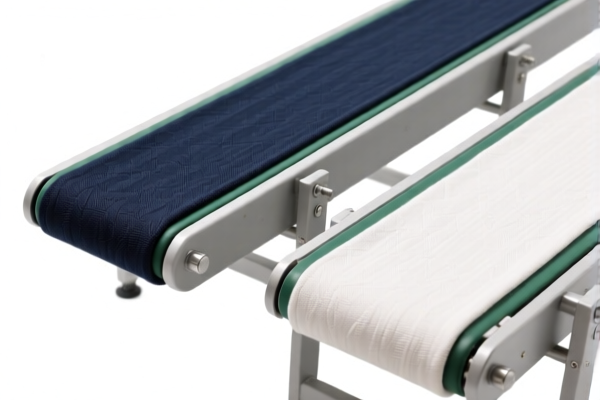
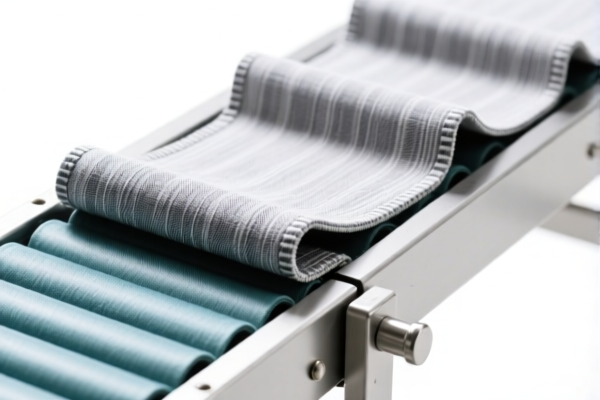
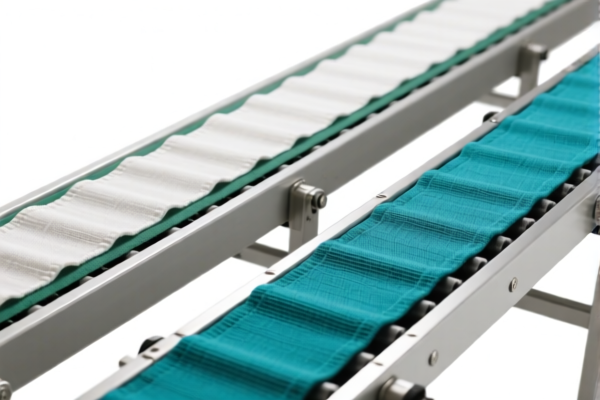
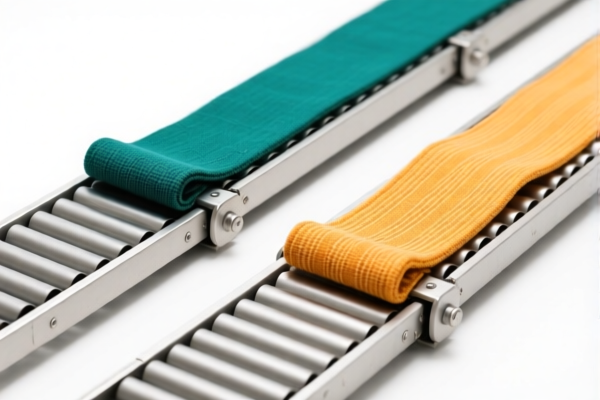
AI分析
🚚 Textile Conveyor Belts (Industrial Power Transmission & Material Handling)
🌐 HS Code Reference & Customs Clearance Guide | 2026 Latest Tariff Analysis | Professional Clearance Strategy
📌 I. Product Definition: What Are "Textile Conveyor Belts"?
In international trade, "Conveyor Belts" are versatile industrial components used for two primary purposes:
1. Material Handling: Transporting bulk goods, packages, or minerals in factories, ports, and mines.
2. Power Transmission: Transmitting mechanical power between pulleys (often referred to as "V-belts" or "Drive belts").
The classification hinges on material composition and end-use. Based on the provided data, we are analyzing belts that match textile/fabric characteristics or are inferred to be made from synthetic fibers, rubber, or plastic composites.
⚠️ Critical Distinction:
- If the belt is primarily rubberized with textile reinforcement for heavy-duty transport → Chapter 40 (Rubber)
- If the belt is primarily synthetic textile/fabric with minimal rubber → Chapter 59 (Impregnated Textiles)
- If the belt is primarily plastic/polymer-based → Chapter 39 (Plastics)
📦 II. HS Code Classification Matrix (2026 Latest Tariff Data)
Based on the <DATA> provided, here are the 5 most likely HS Codes for Conveyor Belts, ranked by relevance to "Textile" inference:
| HS Code | Product Description (Inferred from Data) | Material Composition | Key Characteristics | Total Tax Rate |
|---|---|---|---|---|
| 5910.00.90.00 | Textile Conveyor Belts | Textile Materials | Primary material is textile/fabric; used for conveyance. | 37.6% |
| 5910.00.10.70 | Power Transmission Belts (Textile) | Artificial Fibers | Matched use (Conveyor) + Form (Strap); inferred as artificial fiber drive belts. | 39.0% |
| 4010.12.90.00 | Rubber Conveyor Belts | Rubber | Shape and "Conveyor" match; inferred as rubber-based. | 36.9% |
| 4010.19.91.00 | Other Rubber Belts | Rubber | Shape and use match; inferred as rubber class. | 38.3% |
| 3926.90.59.00 | Plastic/Composite Belts | Plastic/Fiber Composite | Belt/Drive belt category; inferred as plastic or fiber-composite material. | 37.4% |
🔍 重点提醒 (Key Warning):
- HS Code 5910 is the most accurate for "Textile" belts.
- HS Code 4010 is standard for Rubber belts, which are the most common industrial conveyor belts but technically not "textile" in primary composition.
- HS Code 3926 applies if the belt is primarily plastic/polymer.
- All codes above include significant US tariff surcharges.
💰 III. Detailed Tariff Breakdown (2026 Latest Rates)
✅ Applicable Country: United States (US)
✅ Origin: China (CN)
✅ Effective Date: From November 10, 2025 (and subsequent imports)
🎯 1. 5910.00.90.00 – Textile Conveyor Belts (Best Match for "Textile")
| Item | Detail |
|---|---|
| Basic Tariff | 2.6% |
| Section 301 Surcharge | +25.0% |
| Section 122 Surcharge | +10.0% |
| Total Effective Rate | 37.6% |
| Calculation Basis | CIF Value × 37.6% |
| De Minimis Exemption | ❌ Not Eligible (Due to Section 301/122) |
| Legal Basis | Section 301 → Section 122 → USITC 5910.00.90.00 |
📌 Explanation:
- 2.6% is the standard Most Favored Nation (MFN) rate for textile conveyors.
- +25% is the Section 301 tariff on Chinese goods.
- +10% is the additional Section 122 tariff on imported goods.
- Total: 37.6%. This is the lowest tax rate among the options, making it the most cost-effective if the belt is genuinely textile-based.
🎯 2. 5910.00.10.70 – Artificial Fiber Drive Belts
| Item | Detail |
|---|---|
| Basic Tariff | 4.0% |
| Section 301 Surcharge | +25.0% |
| Section 122 Surcharge | +10.0% |
| Total Effective Rate | 39.0% |
| Calculation Basis | CIF Value × 39.0% |
| De Minimis Exemption | ❌ Not Eligible |
📌 Explanation:
- Classified as "Power Transmission Belts" made of artificial fibers.
- Higher base rate (4.0%) than 5910.90, resulting in a higher total tax of 39.0%.
- Use this only if the belt is primarily for power transmission (driving machinery) rather than material transport.
🎯 3. 4010.12.90.00 – Rubber Conveyor Belts
| Item | Detail |
|---|---|
| Basic Tariff | 1.9% |
| Section 301 Surcharge | +25.0% |
| Section 122 Surcharge | +10.0% |
| Total Effective Rate | 36.9% |
| Calculation Basis | CIF Value × 36.9% |
| De Minimis Exemption | ❌ Not Eligible |
📌 Explanation:
- Lowest base rate (1.9%), but still results in 36.9% total.
- Suitable if the belt is rubber-coated with textile reinforcement (very common for heavy-duty industrial conveyors).
- Note: If you declare as "Textile" but it is 80% rubber, customs may reclassify to this code or penalize for misdeclaration.
🎯 4. 4010.19.91.00 – Other Rubber Belts
| Item | Detail |
|---|---|
| Basic Tariff | 3.3% |
| Section 301 Surcharge | +25.0% |
| Section 122 Surcharge | +10.0% |
| Total Effective Rate | 38.3% |
| Calculation Basis | CIF Value × 38.3% |
📌 Explanation:
- Generic rubber belt category.
- Higher tax than4010.12due to higher base rate.
- Use for non-standard rubber belts not covered under 4010.12.
🎯 5. 3926.90.59.00 – Plastic/Composite Belts
| Item | Detail |
|---|---|
| Basic Tariff | 2.4% |
| Section 301 Surcharge | +25.0% |
| Section 122 Surcharge | +10.0% |
| Total Effective Rate | 37.4% |
| Calculation Basis | CIF Value × 37.4% |
📌 Explanation:
- For belts made of plastic or plastic-fiber composites (e.g., PVC modular belts).
- Tax rate of 37.4% is competitive but still high.
- Do not use if the belt is primarily textile or rubber.
🛠️ IV. Customs Clearance Operational Advice (Risk Avoidance Guide)
✅ 1. Required Documentation Checklist
| Document | Mandatory? | Purpose |
|---|---|---|
| ✅ Product Specification Sheet | ✔️ | Must specify material composition (e.g., "Polyester fabric with rubber coating") to justify HS Code. |
| ✅ Material Composition Certificate | ✔️ | Critical for distinguishing between Chapter 59 (Textile) and Chapter 40 (Rubber). |
| ✅ Product Photos (Detailed) | ✔️ | Show cross-section to reveal internal structure (fabric vs. solid rubber). |
| ✅ Commercial Invoice | ✔️ | Clearly state "Conveyor Belt, Textile/Rubber/Plastic" – avoid vague terms like "Industrial Belt." |
| ✅ Packing List | ✔️ | Confirm quantity and weight. |
| ✅ US Importer Security Filing (ISF) | ✔️ | File 10 days before loading if shipping by ocean. |
✅ 2. Declaration Strategy & Key Tips
🔥 "Material Defines Code, Code Defines Tax!"
| Scenario | Recommended HS Code | Reason |
|---|---|---|
| Belt is mostly fabric/cloth (even with some rubber) | 5910.00.90.00 | Chapter 59 covers impregnated textile products. Lowest tax (37.6%). |
| Belt is mostly rubber (with fabric reinforcement) | 4010.12.90.00 | Chapter 40 covers rubber products. Lowest tax (36.9%). |
| Belt is for driving machinery (V-belt, timing belt) | 5910.00.10.70 or 4010.19.91.00 | "Power Transmission" vs. "Conveyance." |
| Belt is PVC/Plastic modular | 3926.90.59.00 | Chapter 39 covers plastics. |
⚠️ Critical Warning:
- Do NOT mix materials in one HS Code. If a shipment contains both textile and rubber belts, they must be separated in the declaration.
- "Textile" does not mean "Cotton." Polyester, Nylon, and Polyester-cord are all "Textile" for HS Code 5910 purposes.
✅ 3. Special Cases & Pitfalls
| Situation | Handling Advice |
|---|---|
| OEM Custom Belts | Provide customer design specs showing material layers. Avoid "Generic" descriptions. |
| Belts with Metal Cords | If metal content > certain threshold, it may move to Chapter 73/76. Check composition! |
| Used Conveyor Belts | Often prohibited or subject to strict sanitary inspections. Declare as "Used" and check US EPA/FDA rules. |
| Small Samples | Even for samples, Section 301/122 tariffs do not apply to de minimis. Taxes still apply! |
🌍 V. Global Market Comparison (2026)
| Country | Recommended HS Code | Tariff (China Origin) | Notes |
|---|---|---|---|
| 🇺🇸 USA | 5910.00.90.00 |
37.6% | High tariffs due to Sec 301/122. |
| 🇨🇳 China | 5910.00.90.00 |
~5-10% | Lower import duty for raw textile belts. |
| 🇪🇺 EU | 5910.00.90 |
0-4% | No Section 301/122 equivalent. |
| 🇯🇵 Japan | 5910.00.90 |
0% | Free trade agreements may apply. |
📌 Conclusion:
- The US market is the most expensive for conveyor belts due to additional tariffs.
- For US imports, accurate material declaration is crucial to avoid penalties and overpayment.
📌 VI. Common Errors & How to Avoid Them
❌ Error 1: Declaring a Rubber Belt as a Textile Belt to save tax
👉 Consequence: Customs audit, reclassification to 4010, back taxes + penalties.
✅ Fix: Ensure material composition certificate matches HS Code.
❌ Error 2: Using vague description "Industrial Belt"
👉 Consequence: Customs delays for additional information.
✅ Fix: Use precise terms: "PVC Conveyor Belt, 10m x 0.5m" or "Polyester Drive Belt."
❌ Error 3: Ignoring Section 122 Tariff
👉 Consequence: Underpayment of 10%.
✅ Fix: Always include +10% Section 122 in cost calculations for Chinese goods.
🎯 VII. Final Conclusion: Professional Declaration, Cost Optimization
🎯 Key Takeaway:
🔹 "Material is King: Textile → 5910, Rubber → 4010, Plastic → 3926."
🔹 "Total Tax = Base + 25% (Sec 301) + 10% (Sec 122)."
🔹 "Lowest Rate: Rubber (36.9%) > Textile (37.6%) > Plastic (37.4%) > Drive Textile (39.0%)."
📌 Pro Tip:
If your product is primarily rubber with textile reinforcement, consider declaring under 4010.12.90.00 (36.9%) as it is slightly cheaper than 5910.90.00 (37.6%). However, ensure your product's substantial transformation aligns with this classification to avoid legal risks.
📣 Immediate Action:
📞 Consult a licensed customs broker
📝 Prepare detailed material composition reports
🚀 Clear your goods smoothly, minimize tariffs, and maximize profits!
✨ Professional Customs Clearance Starts with Accurate Classification!
💼 Every dollar saved in tax is pure profit.
用户评价
关于 HS 编码归类
协调制度(HS)是由世界海关组织(WCO)制定的国际贸易商品分类标准。全球 200 多个国家采用 HS 系统作为海关关税、贸易统计和进出口监管的基础。
每个 HS 编码遵循以下层级结构:
- 章(2 位)——商品大类(例如:第 84 章:机器和机械设备)
- 品目(4 位)——章内的更具体分类
- 子目(6 位)——国际通用细分,所有 WCO 成员国统一使用
- 本国细分(8-10 位)——各国自行扩展的细分编码,如美国 HTSUS 10 位编码
正确的 HS 编码归类对于顺利通关、准确缴纳关税和遵守贸易法规至关重要。错误归类可能导致海关延误、多缴关税或罚款。
从CN进口到US时,适用的关税税率可能包括:
- 最惠国(MFN)税率——适用于 WTO 成员国的标准关税税率
- 普通税率——适用于无贸易协定国家
- 贸易救济关税——附加关税,如 301 条款(反倾销)、232 条款(国家安全)或反补贴税
本页内容仅供参考。如需正式归类,请咨询当地海关或持牌报关代理。