Textile Conveyor Belts
CN → US| HS Code | Tariff Rate | Origin | Destination | Doc |
|---|---|---|---|---|
| 5910001070 | 39.0% | CN | US | Official Doc |
| 5910009000 | 37.6% | CN | US | Official Doc |
| 3926905900 | 37.4% | CN | US | Official Doc |
| 4010199100 | 38.3% | CN | US | Official Doc |
| 4010129000 | 36.9% | CN | US | Official Doc |
Product Images
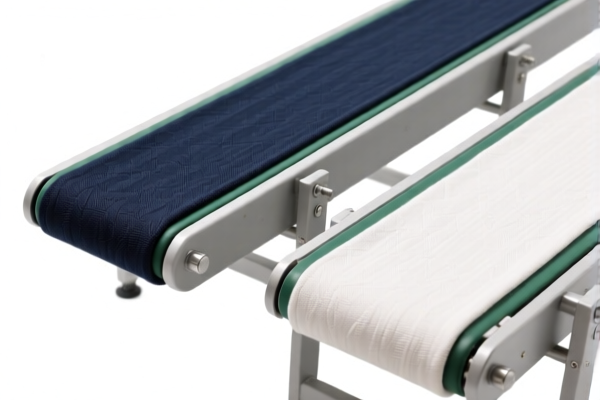
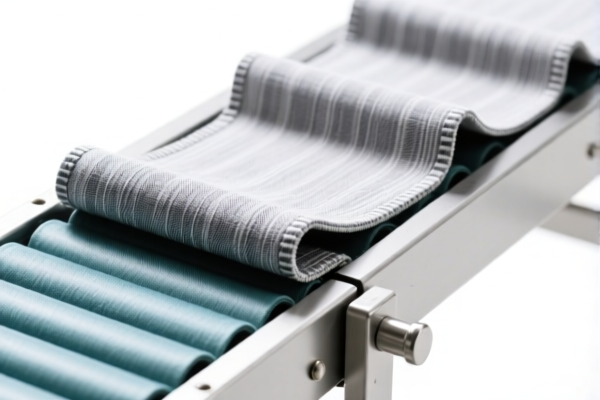
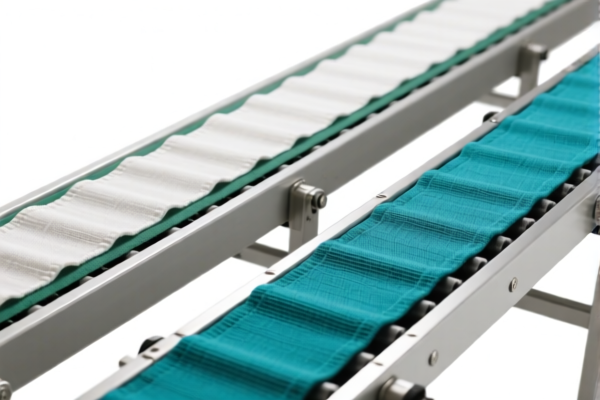
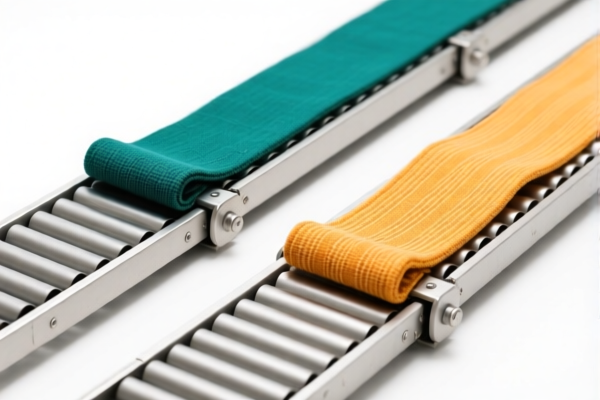
AI Analysis
🚚 Textile Conveyor Belts (Industrial Power Transmission & Material Handling)
🌐 HS Code Reference & Customs Clearance Guide | 2026 Latest Tariff Analysis | Professional Clearance Strategy
📌 I. Product Definition: What Are "Textile Conveyor Belts"?
In international trade, "Conveyor Belts" are versatile industrial components used for two primary purposes:
1. Material Handling: Transporting bulk goods, packages, or minerals in factories, ports, and mines.
2. Power Transmission: Transmitting mechanical power between pulleys (often referred to as "V-belts" or "Drive belts").
The classification hinges on material composition and end-use. Based on the provided data, we are analyzing belts that match textile/fabric characteristics or are inferred to be made from synthetic fibers, rubber, or plastic composites.
⚠️ Critical Distinction:
- If the belt is primarily rubberized with textile reinforcement for heavy-duty transport → Chapter 40 (Rubber)
- If the belt is primarily synthetic textile/fabric with minimal rubber → Chapter 59 (Impregnated Textiles)
- If the belt is primarily plastic/polymer-based → Chapter 39 (Plastics)
📦 II. HS Code Classification Matrix (2026 Latest Tariff Data)
Based on the <DATA> provided, here are the 5 most likely HS Codes for Conveyor Belts, ranked by relevance to "Textile" inference:
| HS Code | Product Description (Inferred from Data) | Material Composition | Key Characteristics | Total Tax Rate |
|---|---|---|---|---|
| 5910.00.90.00 | Textile Conveyor Belts | Textile Materials | Primary material is textile/fabric; used for conveyance. | 37.6% |
| 5910.00.10.70 | Power Transmission Belts (Textile) | Artificial Fibers | Matched use (Conveyor) + Form (Strap); inferred as artificial fiber drive belts. | 39.0% |
| 4010.12.90.00 | Rubber Conveyor Belts | Rubber | Shape and "Conveyor" match; inferred as rubber-based. | 36.9% |
| 4010.19.91.00 | Other Rubber Belts | Rubber | Shape and use match; inferred as rubber class. | 38.3% |
| 3926.90.59.00 | Plastic/Composite Belts | Plastic/Fiber Composite | Belt/Drive belt category; inferred as plastic or fiber-composite material. | 37.4% |
🔍 重点提醒 (Key Warning):
- HS Code 5910 is the most accurate for "Textile" belts.
- HS Code 4010 is standard for Rubber belts, which are the most common industrial conveyor belts but technically not "textile" in primary composition.
- HS Code 3926 applies if the belt is primarily plastic/polymer.
- All codes above include significant US tariff surcharges.
💰 III. Detailed Tariff Breakdown (2026 Latest Rates)
✅ Applicable Country: United States (US)
✅ Origin: China (CN)
✅ Effective Date: From November 10, 2025 (and subsequent imports)
🎯 1. 5910.00.90.00 – Textile Conveyor Belts (Best Match for "Textile")
| Item | Detail |
|---|---|
| Basic Tariff | 2.6% |
| Section 301 Surcharge | +25.0% |
| Section 122 Surcharge | +10.0% |
| Total Effective Rate | 37.6% |
| Calculation Basis | CIF Value × 37.6% |
| De Minimis Exemption | ❌ Not Eligible (Due to Section 301/122) |
| Legal Basis | Section 301 → Section 122 → USITC 5910.00.90.00 |
📌 Explanation:
- 2.6% is the standard Most Favored Nation (MFN) rate for textile conveyors.
- +25% is the Section 301 tariff on Chinese goods.
- +10% is the additional Section 122 tariff on imported goods.
- Total: 37.6%. This is the lowest tax rate among the options, making it the most cost-effective if the belt is genuinely textile-based.
🎯 2. 5910.00.10.70 – Artificial Fiber Drive Belts
| Item | Detail |
|---|---|
| Basic Tariff | 4.0% |
| Section 301 Surcharge | +25.0% |
| Section 122 Surcharge | +10.0% |
| Total Effective Rate | 39.0% |
| Calculation Basis | CIF Value × 39.0% |
| De Minimis Exemption | ❌ Not Eligible |
📌 Explanation:
- Classified as "Power Transmission Belts" made of artificial fibers.
- Higher base rate (4.0%) than 5910.90, resulting in a higher total tax of 39.0%.
- Use this only if the belt is primarily for power transmission (driving machinery) rather than material transport.
🎯 3. 4010.12.90.00 – Rubber Conveyor Belts
| Item | Detail |
|---|---|
| Basic Tariff | 1.9% |
| Section 301 Surcharge | +25.0% |
| Section 122 Surcharge | +10.0% |
| Total Effective Rate | 36.9% |
| Calculation Basis | CIF Value × 36.9% |
| De Minimis Exemption | ❌ Not Eligible |
📌 Explanation:
- Lowest base rate (1.9%), but still results in 36.9% total.
- Suitable if the belt is rubber-coated with textile reinforcement (very common for heavy-duty industrial conveyors).
- Note: If you declare as "Textile" but it is 80% rubber, customs may reclassify to this code or penalize for misdeclaration.
🎯 4. 4010.19.91.00 – Other Rubber Belts
| Item | Detail |
|---|---|
| Basic Tariff | 3.3% |
| Section 301 Surcharge | +25.0% |
| Section 122 Surcharge | +10.0% |
| Total Effective Rate | 38.3% |
| Calculation Basis | CIF Value × 38.3% |
📌 Explanation:
- Generic rubber belt category.
- Higher tax than4010.12due to higher base rate.
- Use for non-standard rubber belts not covered under 4010.12.
🎯 5. 3926.90.59.00 – Plastic/Composite Belts
| Item | Detail |
|---|---|
| Basic Tariff | 2.4% |
| Section 301 Surcharge | +25.0% |
| Section 122 Surcharge | +10.0% |
| Total Effective Rate | 37.4% |
| Calculation Basis | CIF Value × 37.4% |
📌 Explanation:
- For belts made of plastic or plastic-fiber composites (e.g., PVC modular belts).
- Tax rate of 37.4% is competitive but still high.
- Do not use if the belt is primarily textile or rubber.
🛠️ IV. Customs Clearance Operational Advice (Risk Avoidance Guide)
✅ 1. Required Documentation Checklist
| Document | Mandatory? | Purpose |
|---|---|---|
| ✅ Product Specification Sheet | ✔️ | Must specify material composition (e.g., "Polyester fabric with rubber coating") to justify HS Code. |
| ✅ Material Composition Certificate | ✔️ | Critical for distinguishing between Chapter 59 (Textile) and Chapter 40 (Rubber). |
| ✅ Product Photos (Detailed) | ✔️ | Show cross-section to reveal internal structure (fabric vs. solid rubber). |
| ✅ Commercial Invoice | ✔️ | Clearly state "Conveyor Belt, Textile/Rubber/Plastic" – avoid vague terms like "Industrial Belt." |
| ✅ Packing List | ✔️ | Confirm quantity and weight. |
| ✅ US Importer Security Filing (ISF) | ✔️ | File 10 days before loading if shipping by ocean. |
✅ 2. Declaration Strategy & Key Tips
🔥 "Material Defines Code, Code Defines Tax!"
| Scenario | Recommended HS Code | Reason |
|---|---|---|
| Belt is mostly fabric/cloth (even with some rubber) | 5910.00.90.00 | Chapter 59 covers impregnated textile products. Lowest tax (37.6%). |
| Belt is mostly rubber (with fabric reinforcement) | 4010.12.90.00 | Chapter 40 covers rubber products. Lowest tax (36.9%). |
| Belt is for driving machinery (V-belt, timing belt) | 5910.00.10.70 or 4010.19.91.00 | "Power Transmission" vs. "Conveyance." |
| Belt is PVC/Plastic modular | 3926.90.59.00 | Chapter 39 covers plastics. |
⚠️ Critical Warning:
- Do NOT mix materials in one HS Code. If a shipment contains both textile and rubber belts, they must be separated in the declaration.
- "Textile" does not mean "Cotton." Polyester, Nylon, and Polyester-cord are all "Textile" for HS Code 5910 purposes.
✅ 3. Special Cases & Pitfalls
| Situation | Handling Advice |
|---|---|
| OEM Custom Belts | Provide customer design specs showing material layers. Avoid "Generic" descriptions. |
| Belts with Metal Cords | If metal content > certain threshold, it may move to Chapter 73/76. Check composition! |
| Used Conveyor Belts | Often prohibited or subject to strict sanitary inspections. Declare as "Used" and check US EPA/FDA rules. |
| Small Samples | Even for samples, Section 301/122 tariffs do not apply to de minimis. Taxes still apply! |
🌍 V. Global Market Comparison (2026)
| Country | Recommended HS Code | Tariff (China Origin) | Notes |
|---|---|---|---|
| 🇺🇸 USA | 5910.00.90.00 |
37.6% | High tariffs due to Sec 301/122. |
| 🇨🇳 China | 5910.00.90.00 |
~5-10% | Lower import duty for raw textile belts. |
| 🇪🇺 EU | 5910.00.90 |
0-4% | No Section 301/122 equivalent. |
| 🇯🇵 Japan | 5910.00.90 |
0% | Free trade agreements may apply. |
📌 Conclusion:
- The US market is the most expensive for conveyor belts due to additional tariffs.
- For US imports, accurate material declaration is crucial to avoid penalties and overpayment.
📌 VI. Common Errors & How to Avoid Them
❌ Error 1: Declaring a Rubber Belt as a Textile Belt to save tax
👉 Consequence: Customs audit, reclassification to 4010, back taxes + penalties.
✅ Fix: Ensure material composition certificate matches HS Code.
❌ Error 2: Using vague description "Industrial Belt"
👉 Consequence: Customs delays for additional information.
✅ Fix: Use precise terms: "PVC Conveyor Belt, 10m x 0.5m" or "Polyester Drive Belt."
❌ Error 3: Ignoring Section 122 Tariff
👉 Consequence: Underpayment of 10%.
✅ Fix: Always include +10% Section 122 in cost calculations for Chinese goods.
🎯 VII. Final Conclusion: Professional Declaration, Cost Optimization
🎯 Key Takeaway:
🔹 "Material is King: Textile → 5910, Rubber → 4010, Plastic → 3926."
🔹 "Total Tax = Base + 25% (Sec 301) + 10% (Sec 122)."
🔹 "Lowest Rate: Rubber (36.9%) > Textile (37.6%) > Plastic (37.4%) > Drive Textile (39.0%)."
📌 Pro Tip:
If your product is primarily rubber with textile reinforcement, consider declaring under 4010.12.90.00 (36.9%) as it is slightly cheaper than 5910.90.00 (37.6%). However, ensure your product's substantial transformation aligns with this classification to avoid legal risks.
📣 Immediate Action:
📞 Consult a licensed customs broker
📝 Prepare detailed material composition reports
🚀 Clear your goods smoothly, minimize tariffs, and maximize profits!
✨ Professional Customs Clearance Starts with Accurate Classification!
💼 Every dollar saved in tax is pure profit.
Customer Reviews
About HS Code Classification
The Harmonized System (HS) is an internationally standardized nomenclature developed by the World Customs Organization (WCO) to classify traded products. Over 200 countries use the HS system as the basis for customs tariffs, trade statistics, and import/export regulations.
Each HS code follows a hierarchical structure:
- Chapter (2 digits) — Broad category of goods (e.g., Chapter 84: Machinery and Mechanical Appliances)
- Heading (4 digits) — More specific grouping within the chapter
- Subheading (6 digits) — Internationally standardized breakdown, used by all WCO member countries
- National subdivisions (8-10 digits) — Country-specific extensions for further classification, such as US HTSUS 10-digit codes
Correct HS code classification is essential for smooth customs clearance, accurate duty payment, and compliance with trade regulations. Misclassification can lead to customs delays, overpayment of duties, or penalties.
When importing from CN to US, the applicable tariff rates may include:
- Most-Favored-Nation (MFN) rate — The standard duty rate applied to WTO members
- General rate — Applied to countries without trade agreements
- Trade remedy duties — Additional tariffs such as Section 301 (anti-dumping), Section 232 (national security), or countervailing duties
The information provided on this page is for reference purposes only. For official classification, please consult with your local customs authority or a licensed customs broker.