Textile Material Bags and Pouches
CN → US| HS编码 | 关税税率 | 原产国 | 目的国 | 文档 |
|---|---|---|---|---|
| 4202929336 | 52.6% | CN | US | 官方文档 |
| 6307908995 | 17.0% | CN | US | 官方文档 |
| 4202929100 | 52.6% | CN | US | 官方文档 |
| 6307909891 | 24.5% | CN | US | 官方文档 |
| 4202929336 | 52.6% | CN | US | 官方文档 |
商品图片
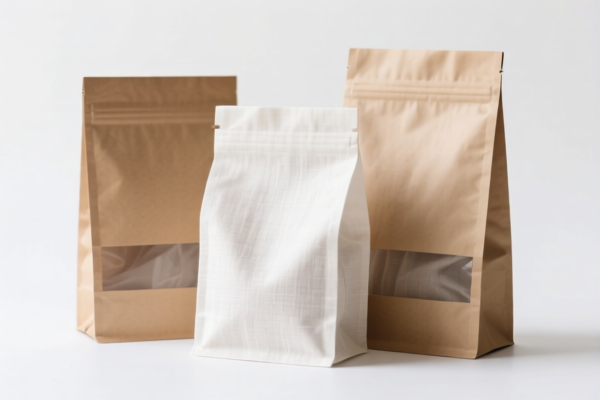
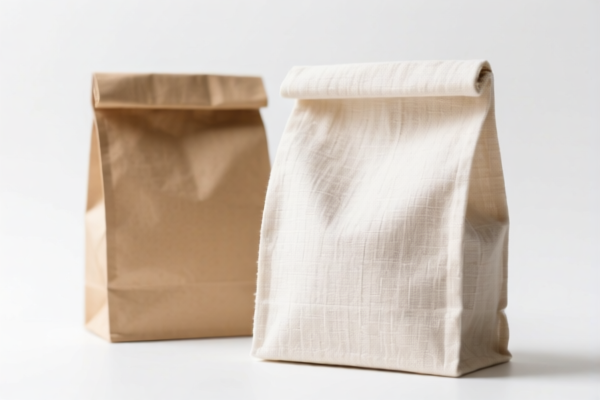
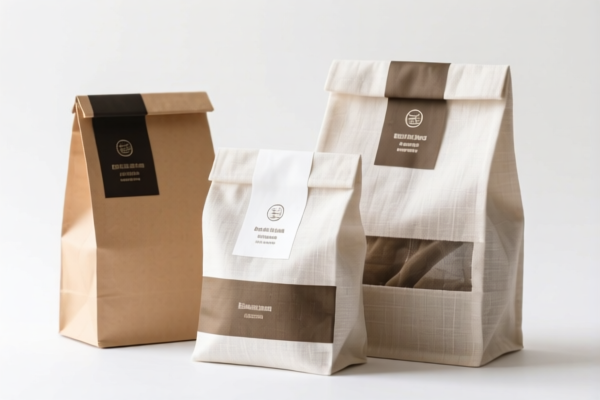
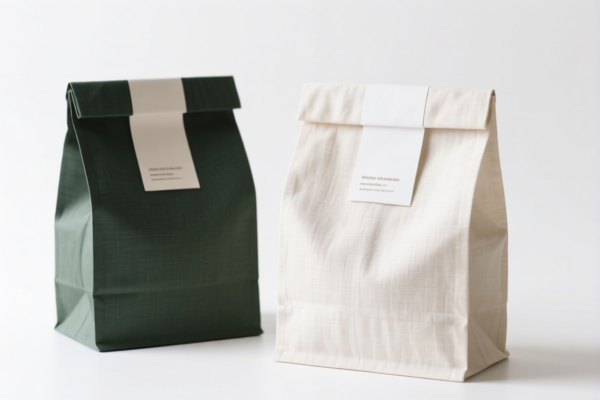
AI分析
👜 Textile Material Bags and Pouches
🌐 HS Code Reference & Customs Clearance Guide | 2026 Latest Tariff Analysis | Professional Classification Strategy
📌 1. Product Definition & Classification: Do You Truly Understand "Textile Bags"?
Textile bags and pouches are essential packaging solutions in global trade, ranging from shopping bags and backpacks to industrial sacks and cosmetic pouches. In international trade, they are primarily classified under two main headings depending on their function, outer material, and specific use:
Chapter 42 Articles: Luggage, handbags, and specific containers made of textile materials but treated as "articles of apparel or travel goods."
Chapter 63 Other Made-Up Textile Articles: General-purpose bags, sacks, and pouches that do not fit specific functional categories like luggage.
⚠️ Key Distinction Point:
- If the bag is designed as luggage, handbags, or specific containers with outer surface of textile material → Likely Chapter 42 (Higher Tariff).
- If the bag is a general-purpose sack, pouch, or industrial bag without specific luggage features → Likely Chapter 63 (Lower Tariff).
📦 2. HS Code Classification Details (2026 Latest Official Tariff Alignment)
Based on the provided data, here are the specific HS Codes, summaries, and tax implications for textile material bags and pouches:
| HS Code | Product Summary (Official) | Applicable Scenario | Total Tax Rate |
|---|---|---|---|
4202.92.93.36 |
Other containers, outer surface of textile material; matches bag/pouch form and textile material | Specific textile containers, structured bags | 52.6% |
6307.90.89.95 |
Other made-up textile articles; bags and pouches made of textile materials, fitting textile product category | General textile bags, reusable shopping bags, pouches | 17.0% |
4202.92.91.00 |
Bags and pouches, outer surface of textile material, fitting classification definition | Standard textile handbags, luggage-style bags | 52.6% |
6307.90.98.91 |
Other made-up textile articles; bags and pouches made of textile materials, fitting residual rules | General-use textile sacks, industrial bags, residual categories | 24.5% |
🔍 Critical Observation:
- Chapter 42 codes (4202.92.93.36,4202.92.91.00) carry a significantly higher total tax rate of 52.6% due to additional levies.
- Chapter 63 codes (6307.90.89.95,6307.90.98.91) offer lower total tax rates of 17.0% or 24.5%, making them preferable for general-purpose textile bags if classification allows.
💰 3. 2026 Latest Tariff Rate Breakdown (Including Surtaxes & Policy Surcharges)
✅ Applicable Country: United States (US)
✅ Origin: China (CN)
✅ Effective Time: Current policies apply (Section 301 + IEEPA)
🎯 1. 4202.92.93.36 & 4202.92.91.00 —— Chapter 42 Textile Bags/Containers
| Item | Detail |
|---|---|
| Base Tariff Rate | 17.6% |
| Section 301 Surcharge | 25.0% |
| 122 Provision Surcharge | 10.0% |
| Total Tax Rate | 52.6% |
| Tax Calculation | CIF Value × 52.6% |
| De Minimis Exemption | ❌ Not Applicable (High tax rate excludes small package exemption) |
| Legal Basis Path | Base: 4202 → Surcharge: Sec 301 (25%) → Surcharge: 122 Provision (10%) |
📌 Explanation:
- These codes fall under Chapter 42, which often targets specific consumer goods.
- The 25% Section 301 tariff is a heavy surcharge on Chinese-origin goods.
- The 10% additional 122 Provision tariff further increases the cost.
- Total burden: 52.6%. This is extremely high and significantly impacts profit margins.
🎯 2. 6307.90.89.95 —— Chapter 63 General Textile Bags/Pouches
| Item | Detail |
|---|---|
| Base Tariff Rate | 7.0% |
| Section 301 Surcharge | 0.0% |
| 122 Provision Surcharge | 10.0% |
| Total Tax Rate | 17.0% |
| Tax Calculation | CIF Value × 17.0% |
| De Minimis Exemption | ❌ Not Applicable (Though lower, high value shipments still taxed) |
| Legal Basis Path | Base: 6307 → Surcharge: 122 Provision (10%) |
📌 Note:
- This code has no Section 301 surcharge (0%), which is a huge advantage.
- Only the 10% 122 Provision applies.
- Total burden: 17.0%. This is the most cost-effective option for general textile bags.
🎯 3. 6307.90.98.91 —— Chapter 63 Residual Textile Bags
| Item | Detail |
|---|---|
| Base Tariff Rate | 7.0% |
| Section 301 Surcharge | 7.5% |
| 122 Provision Surcharge | 10.0% |
| Total Tax Rate | 24.5% |
| Tax Calculation | CIF Value × 24.5% |
| De Minimis Exemption | ❌ Not Applicable |
| Legal Basis Path | Base: 6307 → Surcharge: Sec 301 (7.5%) → Surcharge: 122 Provision (10%) |
📌 Note:
- This code is a middle ground. It has a low base rate (7.0%) but incurs a partial Section 301 surcharge (7.5%).
- Total burden: 24.5%. Better than Chapter 42, but worse than6307.90.89.95.
🛠️ 4. Customs Clearance Practical Advice (Real-World Pitfall Avoidance Guide)
✅ 1. Preparation Checklist (Essential Documents)
| Document | Required | Explanation |
|---|---|---|
| ✅ Product Specifications | ✔️ | Material composition (e.g., 100% Polyester, Cotton Blend), dimensions, weight |
| ✅ Photos of Bags | ✔️ | Must show outer material clearly (textile vs. plastic-coated vs. leather) |
| ✅ Commercial Invoice | ✔️ | Clearly state "Textile Bag" or "Pouch," avoid vague terms like "Accessory" |
| ✅ Packaging List | ✔️ | Detail quantity, weight, and whether bags are folded or assembled |
| ✅ Supply Chain Proof | ✔️ | Certificate of Origin (if applicable for any preferential treatment) |
✅ 2. Declaration Strategy (Key Mantra)
🔥 "Material Matters, Function Defines, Avoid Chapter 42 if Possible!"
| Scenario | Correct Declaration | Common Mistake |
|---|---|---|
| General Shopping Bag / Tote | 6307.90.89.95 (17.0%) |
Misdeclaring as 4202.92.91.00 → 52.6% |
| Luggage / Handbag Style | 4202.92.91.00 (52.6%) |
Trying to declare as general bag → Audit risk |
| Industrial Sack / Bulk Bag | 6307.90.98.91 (24.5%) |
Declaring as apparel accessory → 52.6% |
| Cosmetic Pouch (Textile) | 6307.90.89.95 (17.0%) |
If it resembles a toiletry bag, might be 4202 → 52.6% |
📌 Strategic Tip:
- If the bag does not have straps, zippers, or structured handles typical of handbags, argue for Chapter 63 to save 35.6% in taxes.
- If the bag is clearly fashion-oriented (designer style, specific handles, structured), Chapter 42 is unavoidable.
✅ 3. Special Cases & Handling
| Situation | Handling Advice |
|---|---|
| Mixed Material Bags (e.g., Textile + Plastic Lining) | If outer surface is textile, still likely Chapter 42/63. If plastic coating dominates, may shift to Chapter 39/40 → Check carefully! |
| OEM Custom Bags | Provide design sketches to prove intent (e.g., "promotional bag" vs. "luggage") |
| Small Quantity / Samples | Even if low value, ensure correct HS Code to avoid future audits |
| Bulk Industrial Bags | Use 6307.90.98.91 or 6307.90.89.95 to minimize Section 301 impact |
🌍 5. Global Market Comparison (2026 Latest)
| Country/Region | Recommended HS Code | Tariff (China Origin) | Certification Requirements | Notes |
|---|---|---|---|---|
| 🇺🇸 USA | 6307.90.89.95 |
17.0% | None Specific | Avoid Chapter 42 due to 52.6% rate |
| 🇨🇳 China | 6307.90.89.95 |
~5-10% | N/A | Low import tax, easy clearance |
| 🇪🇺 EU | 6307.90.98.91 |
0-4% | REACH (if textile treated) | No Section 301 equivalent |
| 🇬🇧 UK | 6307.90.98.91 |
0-4% | UKCA (if applicable) | Post-Brexit, no US-style surcharges |
| 🇯🇵 Japan | 6307.90.98.91 |
0-5% | PSE (if electronic accessories) | No major surcharges on bags |
📌 Conclusion:
- USA is the most challenging market due to Section 301 and 122 Provision tariffs.
- Strategic Classification under Chapter 63 can save ~35% in taxes compared to Chapter 42.
- For non-US markets, Chapter 63 codes generally have 0-5% tariffs, making them highly competitive.
📌 6. Common Errors & Pitfall Guide (Blood Lessons)
❌ Error 1: Declaring all textile bags as 6307.90.89.95
👉 Consequence: If the bag is clearly a handbag/luggage (structured, straps), customs will reclassify to 4202 → Back taxes + penalties at 52.6%.
❌ Error 2: Ignoring the 122 Provision 10% Surcharge
👉 Consequence: Even Chapter 63 bags incur 10% extra. Total is NOT just base rate. Plan for 17% or 24.5%, not 7%.
❌ Error 3: Misdeclaring "Plastic Coated" bags as "Textile"
👉 Consequence: If outer surface is plastic, it may fall under Chapter 39/40 → Different tariffs + misdeclaration fines.
❌ Error 4: Using vague descriptions like "Bag"
👉 Consequence: Customs may choose the highest applicable tariff or request additional info → Delays.
✅ Correct Practice:
"100% Polyester Reusable Shopping Bag, Foldable, No Structural Handles, Model XYZ" →
6307.90.89.95
"Leather-Trimmed Textile Handbag, Structured, Zippered, Model ABC" →4202.92.91.00
🎯 7. Conclusion: Precision Classification, Cost Savings, Efficiency!
🎯 Remember This Mantra:
🔹 "Chapter 63 is your friend, Chapter 42 is your enemy (in the US)."
🔹 "17% vs. 52.6% is a 35% difference — declare correctly, save thousands."
🔹 "Always prove the 'General Use' nature of the bag to avoid Chapter 42."
📌 Pro Tip:
- For high-volume exporters to the US, consider Advance Rulings from CBP to confirm HS Code classification.
- If possible, design bags without luggage-like features (e.g., no stiff handles, no structured frames) to stay in Chapter 63.
- Monitor 122 Provision updates — surcharges can change, affecting the 17.0% and 24.5% rates.
📣 Immediate Action:
📞 Consult with a licensed customs broker + Provide product photos + Verify outer material composition
🚀 Optimize your supply chain to minimize tariff burden, ensure smooth clearance, and maximize profitability!
✨ Professional Customs Clearance Starts with Precise Classification!
💼 Your profit margin depends on the right HS Code!
用户评价
关于 HS 编码归类
协调制度(HS)是由世界海关组织(WCO)制定的国际贸易商品分类标准。全球 200 多个国家采用 HS 系统作为海关关税、贸易统计和进出口监管的基础。
每个 HS 编码遵循以下层级结构:
- 章(2 位)——商品大类(例如:第 84 章:机器和机械设备)
- 品目(4 位)——章内的更具体分类
- 子目(6 位)——国际通用细分,所有 WCO 成员国统一使用
- 本国细分(8-10 位)——各国自行扩展的细分编码,如美国 HTSUS 10 位编码
正确的 HS 编码归类对于顺利通关、准确缴纳关税和遵守贸易法规至关重要。错误归类可能导致海关延误、多缴关税或罚款。
从CN进口到US时,适用的关税税率可能包括:
- 最惠国(MFN)税率——适用于 WTO 成员国的标准关税税率
- 普通税率——适用于无贸易协定国家
- 贸易救济关税——附加关税,如 301 条款(反倾销)、232 条款(国家安全)或反补贴税
本页内容仅供参考。如需正式归类,请咨询当地海关或持牌报关代理。