Textile Reinforced Plastic Film
CN → US| HS编码 | 关税税率 | 原产国 | 目的国 | 文档 |
|---|---|---|---|---|
| 3926905900 | 37.4% | CN | US | 官方文档 |
| 3926909989 | 22.8% | CN | US | 官方文档 |
| 3921902510 | 41.5% | CN | US | 官方文档 |
| 3921904010 | 39.2% | CN | US | 官方文档 |
| 3921902510 | 41.5% | CN | US | 官方文档 |
商品图片
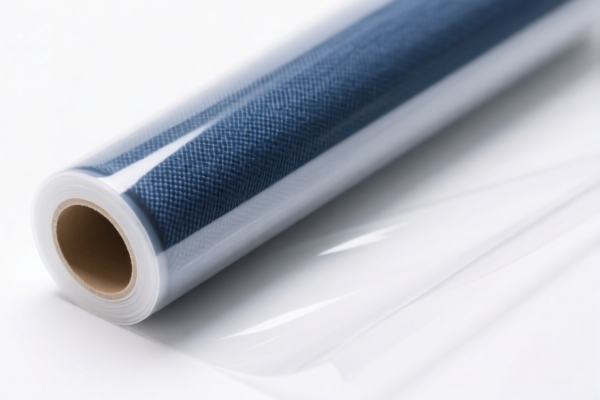
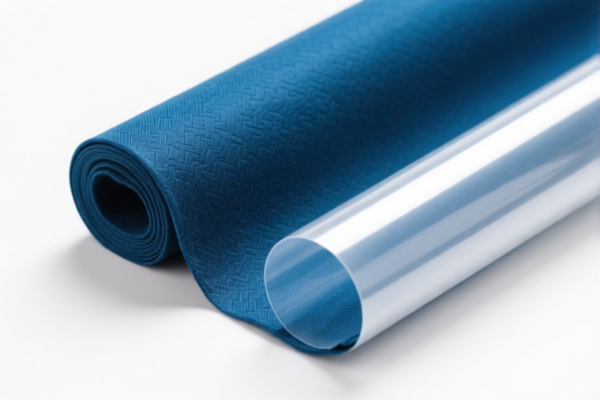
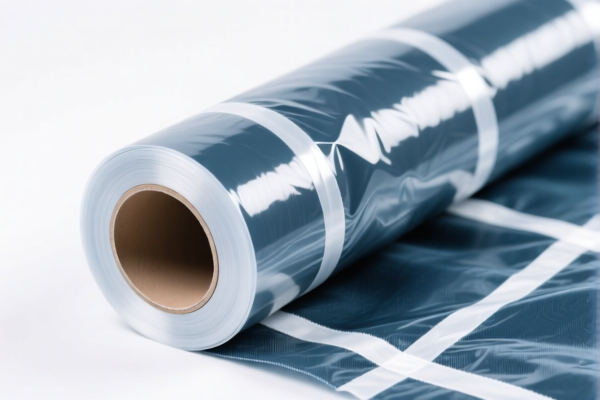
AI分析
🧵 Textile Reinforced Plastic Film (Textile-Reinforced Plastics)
🌐 HS Code Reference & Customs Clearance Guide | 2026 Latest Tariff Analysis | Professional Compliance Strategy
📌 1. Product Definition & Classification: What Exactly Is It?
"Textile Reinforced Plastic Film" refers to composite materials where textile fibers (such as glass, carbon, aramid, or polyester) are embedded within or coated by a plastic matrix (such as polyethylene, PVC, PET, or epoxy). In international trade, these products are often classified based on their form (film/sheet/plate) and primary material composition.
Key Distinction Points: * Form Factor: Is it a flexible film (thin, pliable), a sheet (flat but thicker), or a plate (rigid, structural)? * Composition: Is the textile component significant enough to define the product as a "textile composite" or is the plastic the dominant characterizing feature? * End Use: Is it for decorative/lamination purposes (often falling under "other articles") or for structural/industrial lamination (falling under sheets/plates/films)?
⚠️ Critical Classification Logic: - If classified as "Other Articles of Plastics" (e.g., display panels, decorative elements) → HS 3926.90 - If classified as "Plastics in Primary Forms/Sheets/Plates" → HS 3921.90
📦 2. HS Code Classification Details (Based on Provided Data)
| HS Code | Product Description Summary | Key Characteristic | Total Tax Rate |
|---|---|---|---|
3926.90.59.00 |
Textile-reinforced plastic display panel, containing textile fibers, classified under "Other articles of plastics" | Display/Decorative Application Specifically noted as "display panel" |
37.4% |
3926.90.99.89 |
Textile-reinforced plastic display panel, plastic material, classified under "Other articles not specified elsewhere" | General Plastic Article Less specific than 3926.90.59, broader "unlisted" category |
22.8% |
3921.90.25.10 |
Textile-reinforced plastic film/plate/sheet, containing textile components, classified under "Other plates, sheets, film, foil, and strip" | Material Form: Sheet/Plate/Film Classified as a basic plastic material form, not a finished article |
41.5% |
3921.90.40.10 |
Textile-reinforced plastic decorative panel, in plastic board form, classified under "Other variations of plates, sheets, film, etc." | Structural/Decorative Board Specifically "board form," often used for furniture or wall cladding |
39.2% |
3921.90.25.10 |
Textile-reinforced plastic film, containing textile components, classified under "Other plates, sheets, film, foil, and strip" | Material Form: Flexible Film Strictly "film," likely used for lamination or coating |
41.5% |
🔍 Important Note: - HS 3921 codes generally apply to raw materials, sheets, plates, or films used for further manufacturing (e.g., laminating, cutting, molding). - HS 3926 codes apply to finished articles or specific items like "display panels" that are recognized as distinct products. - The presence of textile fibers triggers additional scrutiny under Section XI (Textiles) vs. Section VII (Plastics). However, the provided data categorizes them primarily under Chapter 39 (Plastics).
💰 3. Detailed Tariff Rate Breakdown (2026 Latest)
✅ Applicable Country: United States (US)
✅ Origin: China (CN)
✅ Effective Date: November 10, 2025 (and subsequent imports)
🎯 1. 3926.90.59.00 – Textile-Reinforced Plastic Display Panel (Article)
| Item | Detail |
|---|---|
| Base Tariff | 2.4% (Ad Valorem) |
| Section 301 Tariff | +25.0% (USITC Footnote 9903.88.01) |
| Section 122 Tariff | +10.0% (IEEPA, China-specific) |
| Total Effective Rate | 37.4% |
| Calculation Basis | CIF Value × 37.4% |
| De Minimis Eligibility | ❌ Not Eligible (High tariff rates usually exclude small packages from Section 321 exemption) |
| Legal Pathway | IEEPA:9903.01.25 → USITC:3926.90.59.00 → FOOTNOTE:301 |
📌 Explanation: - This code is for finished display panels. The 37.4% rate is high due to the combination of base tariffs and US-China trade restrictions. - Strategy: If your product is a "panel" meant for display, ensure the description matches "display panel" precisely. Misclassification as a simple sheet could lead to audits.
🎯 2. 3926.90.99.89 – Textile-Reinforced Plastic Display Panel (Unlisted Article)
| Item | Detail |
|---|---|
| Base Tariff | 5.3% (Ad Valorem) |
| Section 301 Tariff | +7.5% (USITC Footnote 9903.88.01 - Lower bracket) |
| Section 122 Tariff | +10.0% (IEEPA, China-specific) |
| Total Effective Rate | 22.8% |
| Calculation Basis | CIF Value × 22.8% |
| De Minimis Eligibility | ❌ Not Eligible |
| Legal Pathway | IEEPA:9901.25 → USITC:3926.90.99.89 → FOOTNOTE:301 |
📌 Key Insight: - This code offers the lowest total tax (22.8%) among all options. - Why? The Section 301 tariff is only 7.5% instead of 25%. This suggests the item might be viewed as a more generic "plastic article" rather than a high-tech or specifically targeted composite. - Strategy: If the product can reasonably be described as an "unlisted plastic article" rather than a specialized "display panel," this classification significantly reduces costs. However, ensure the description does not contradict the physical nature of the item.
🎯 3. 3921.90.25.10 – Textile-Reinforced Plastic Film/Sheet (Material)
| Item | Detail |
|---|---|
| Base Tariff | 6.5% (Ad Valorem) |
| Section 301 Tariff | +25.0% (USITC Footnote 9903.88.01) |
| Section 122 Tariff | +10.0% (IEEPA, China-specific) |
| Total Effective Rate | 41.5% |
| Calculation Basis | CIF Value × 41.5% |
| De Minimis Eligibility | ❌ Not Eligible |
| Legal Pathway | IEEPA:9903.01.25 → USITC:3921.90.25.10 → FOOTNOTE:301 |
📌 Explanation: - This is the highest tax rate (41.5%). - It applies to films and sheets that are raw materials or semi-finished goods. - Why so high? The combination of a higher base tariff (6.5%) and the full 25% Section 301 tariff makes this the most expensive option. - Strategy: Avoid this code unless the product is strictly a thin film with no structural board-like properties.
🎯 4. 3921.90.40.10 – Textile-Reinforced Plastic Decorative Board (Plate/Sheet)
| Item | Detail |
|---|---|
| Base Tariff | 4.2% (Ad Valorem) |
| Section 301 Tariff | +25.0% (USITC Footnote 9903.88.01) |
| Section 122 Tariff | +10.0% (IEEPA, China-specific) |
| Total Effective Rate | 39.2% |
| Calculation Basis | CIF Value × 39.2% |
| De Minimis Eligibility | ❌ Not Eligible |
| Legal Pathway | IEEPA:9903.01.25 → USITC:3921.90.40.10 → FOOTNOTE:301 |
📌 Explanation: - Applies to boards/sheets used for decoration or general use. - The base tariff is low (4.2%), but the 25% Section 301 tariff pushes the total to 39.2%. - Difference from Film: If the product is rigid enough to be called a "board" or "plate," it falls here, not in the "film" code.
🛠️ 4. Customs Clearance Practical Advice
✅ 1. Documentation Checklist (Must-Haves)
| Document | Required? | Description |
|---|---|---|
| ✅ Product Specification Sheet | ✔️ | Must detail: Material composition (e.g., "50% Glass Fiber, 50% Epoxy"), thickness, dimensions, and finish. |
| ✅ Technical Data Sheet (TDS) | ✔️ | Shows physical properties (tensile strength, flexibility) to prove it's a "film" vs. "board." |
| ✅ Product Photos | ✔️ | Clear images showing cross-section (to see textile reinforcement) and overall appearance. |
| ✅ Commercial Invoice | ✔️ | Must clearly state: "Textile-Reinforced Plastic [Film/Panel/Board]" and avoid vague terms like "Plastic Material." |
| ✅ Packing List | ✔️ | Detailed weight and dimensions. |
| ✅ HS Code Pre-Ruling | ✔️ | Strongly Recommended due to the complexity of composite materials. |
✅ 2. Classification Strategy & Risk Mitigation
🔥 "Form Determines Code, Description Determines Risk!"
| Scenario | Recommended HS Code | Why? | Risk Level |
|---|---|---|---|
| Flexible Roll/Film | 3921.90.25.10 |
Fits definition of "Film." | ⚠️ High Tax (41.5%) |
| Rigid Panel for Display | 3926.90.59.00 |
Specific "Display Panel" description. | ⚠️ Medium-High Tax (37.4%) |
| Generic Plastic Article | 3926.90.99.89 |
Broad "Other Articles" category. | ✅ Lowest Tax (22.8%) |
| Decorative Wall/Furniture Board | 3921.90.40.10 |
"Board form" for decoration. | ⚠️ Medium-High Tax (39.2%) |
📌 Critical Warning: - Do Not Misclassify: Claiming a rigid board is a "film" to avoid taxes can lead to severe penalties. Conversely, classifying a generic article as a "display panel" might attract higher scrutiny. - Textile Content Disclosure: Even though classified under Chapter 39, the presence of textile fibers may require additional labeling or origin documentation if mixed with other goods.
✅ 3. Special Cases & Pitfalls
| Situation | Advice |
|---|---|
| Mixed Use (Film + Board) | If your product can be both, consult a customs broker. The intended use in the first shipment may dictate classification. |
| Sample Shipments | Even small samples are subject to the same tariffs. Do not expect "De Minimis" exemption for these high-tariff items. |
| Labeling Requirements | Ensure the product label includes material composition (e.g., "Plastic with Glass Fiber Reinforcement") to avoid misdeclaration. |
| Origin Labeling | Clearly mark "Made in China" to comply with Section 301 and Section 122 requirements. |
🌍 5. Global Market Comparison (2026 Outlook)
| Region | Likely HS Code | Estimated Duty (China Origin) | Key Requirement |
|---|---|---|---|
| 🇺🇸 USA | 3926.90.99.89 (Best) |
22.8% | Pre-Ruling Recommended |
| 🇺🇸 USA | 3921.90.25.10 (Worst) |
41.5% | High scrutiny on composite materials |
| 🇨🇳 China (Import) | 3921.90.25.10 |
~6-10% | Standard import procedures |
| 🇪🇺 EU | 3920.62.00 (Approx.) |
~6.5% | REACH Compliance, ECHA Registration |
📌 Conclusion: - US Market is Highly Regulated: The difference between 22.8% and 41.5% is massive. - Strategic Choice: If your product is not strictly a "technical film" or "specialized display panel," consider classifying under
3926.90.99.89to leverage the lower 7.5% Section 301 rate. This requires strong technical justification that the item is an "unlisted plastic article."
📌 6. Common Errors & How to Avoid Them
❌ Error 1: Calling all textile-reinforced plastics "Plastic Sheets" regardless of form.
👉 Result: Misclassification if the product is rigid (Board) or flexible (Film).
✅ Fix: Use precise terms: "Film," "Sheet," "Plate," or "Panel."
❌ Error 2: Ignoring the "Display Panel" specification.
👉 Result: If you call it a "panel" but it's not for display, you may be forced into the higher 3921.90 codes.
✅ Fix: Be specific about end-use in the invoice.
❌ Error 3: Assuming De Minimis applies.
👉 Result: Packages under $800 will still be taxed at 22-41% if the HS code is subject to Section 301/122.
✅ Fix: Include duties in your pricing model for all shipments to the US.
🎯 7. Final Recommendation: Proactive Clearance Strategy
🎯 Key Takeaway:
🔹 "Form First, Use Second, Tax Third!"
🔹 "22.8% is the Sweet Spot: Argue for 'Other Article' not 'Film' or 'Specialized Panel'."
🔹 "Always get a Pre-Ruling for composite materials!"
📌 Action Items:
1. Review Product Form: Is it flexible (film) or rigid (board/panel)?
2. Select Best Code: Aim for 3926.90.99.89 if possible (22.8%) by justifying it as an "unlisted plastic article."
3. Consult a Broker: Provide technical specs to confirm if your product truly fits 3926.90.99.89 or must fall under the higher-taxed 3921 or 3926.59 codes.
4. Prepare Documentation: Ensure your invoice and TDS clearly describe the material composition and form.
📣 Final Note:
🚀 Customs compliance is not just about rules; it's about strategy.
💼 Saving 18.7% (41.5% - 22.8%) on every shipment can transform your profitability!
📞 Contact a licensed customs broker today to file a Binding Ruling if your volume justifies it.
✨ Smart Classification, Smarter Profits!
📦 Your composite materials, correctly declared, successfully delivered.
用户评价
关于 HS 编码归类
协调制度(HS)是由世界海关组织(WCO)制定的国际贸易商品分类标准。全球 200 多个国家采用 HS 系统作为海关关税、贸易统计和进出口监管的基础。
每个 HS 编码遵循以下层级结构:
- 章(2 位)——商品大类(例如:第 84 章:机器和机械设备)
- 品目(4 位)——章内的更具体分类
- 子目(6 位)——国际通用细分,所有 WCO 成员国统一使用
- 本国细分(8-10 位)——各国自行扩展的细分编码,如美国 HTSUS 10 位编码
正确的 HS 编码归类对于顺利通关、准确缴纳关税和遵守贸易法规至关重要。错误归类可能导致海关延误、多缴关税或罚款。
从CN进口到US时,适用的关税税率可能包括:
- 最惠国(MFN)税率——适用于 WTO 成员国的标准关税税率
- 普通税率——适用于无贸易协定国家
- 贸易救济关税——附加关税,如 301 条款(反倾销)、232 条款(国家安全)或反补贴税
本页内容仅供参考。如需正式归类,请咨询当地海关或持牌报关代理。