Textile Reinforced Plastic Machine Belt
CN → US| HS编码 | 关税税率 | 原产国 | 目的国 | 文档 |
|---|---|---|---|---|
| 4010125500 | 41.4% | CN | US | 官方文档 |
| 4010125000 | 43.0% | CN | US | 官方文档 |
| 5910001010 | 39.0% | CN | US | 官方文档 |
| 5910001020 | 39.0% | CN | US | 官方文档 |
| 5910009000 | 37.6% | CN | US | 官方文档 |
商品图片
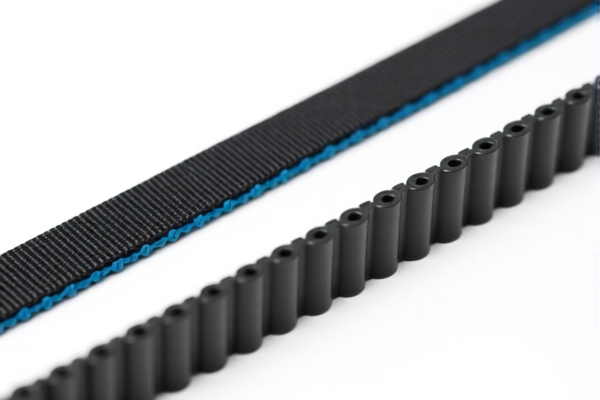
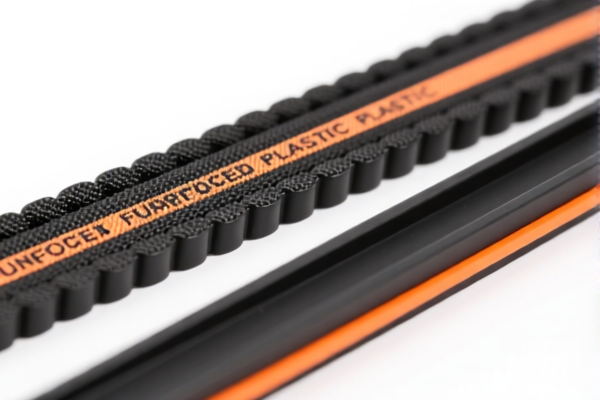
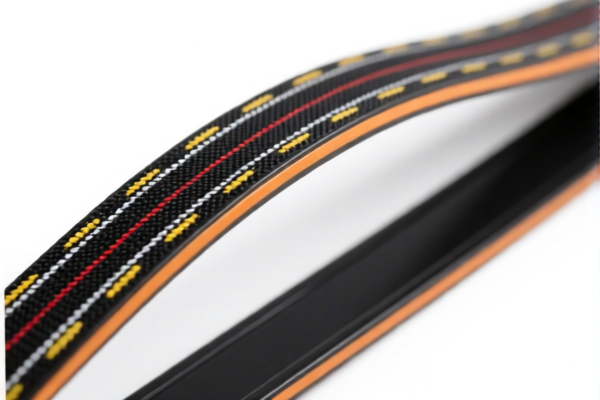
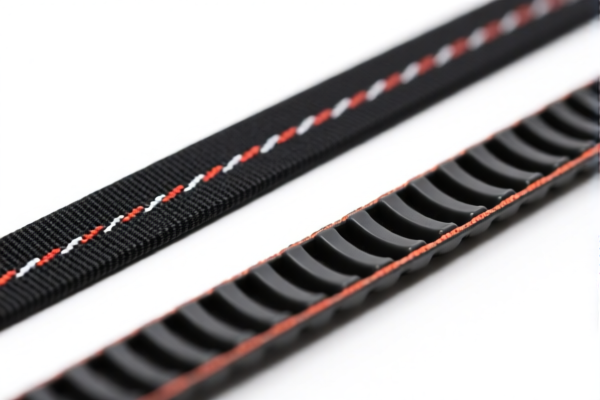
AI分析
🏭 Textile Reinforced Plastic Machine Belt (Industrial V-Belts & Conveyor Belts)
🌐 HS Code Reference & Customs Clearance Guide | 2026 Tariff Analysis | Professional Strategy for US Imports
📌 I. Product Definition & Classification: What Exactly Is This?
"Textile Reinforced Plastic Machine Belt" is a broad commercial term. In international trade and US Customs (CBP) terms, these are primarily classified as V-belts or Transmission Belts used in industrial machinery. The key distinction lies in the reinforcement material:
1. Synthetic Fiber Reinforced (e.g., Polyester, Nylon, Aramid):
These belts use high-strength synthetic cords for tensile strength. They are typically classified under Heading 4010 (Vulcanized Rubber Transmission Belts).
2. Artificial/Man-made Fiber Reinforced (e.g., Rayon, Viscose):
These use regenerated cellulose fibers. They are typically classified under Heading 5910 (Textile Belting, whether or not impregnated or coated with plastic or other substances).
⚠️ Critical Distinction Point:
- If the belt is made of rubber with synthetic fiber cords → 4010
- If the belt is made of textile fabric (even with plastic coating) or artificial fibers → 5910
- Do not confuse with simple canvas belts (which may fall under 5910 but different subheadings) or endless textile products.
📦 II. HS Code Classification Details (2026 Latest Tariff Schedule)
Based on the specific material composition and usage described, here are the relevant HS Codes and their associated tax liabilities.
| HS Code | Product Description | Material/Feature Match | Applicable Scenario |
|---|---|---|---|
4010.12.55.00 |
V-belts and other transmission belts in the flat, V, tangential or multi-V forms, of vulcanised rubber other than hard rubber, containing fabric only, whether or not coated with plastic or other substances: Other: Of textile material (synthetic) | Synthetic Fiber Reinforced Matches: Synthetic material characteristics & form |
Industrial V-belts with polyester/nylon cords |
4010.12.50.00 |
V-belts and other transmission belts... containing fabric only... Other: Of textile material (natural/other) | Synthetic/General Textile Reinforced Matches: Fabric reinforcement characteristics |
General industrial belts with textile cords |
5910.00.10.10 |
Transmission or conveyor belting of textile material, whether or not impregnated, coated, covered or laminated with plastics, whether or not cut to length or otherwise finished; V-belts of any material other than leather | Artificial Fiber Reinforced Matches: V-belt material & form requirements |
Belts made from Rayon/Viscose (Artificial Fibers) |
5910.00.10.20 |
Transmission or conveyor belting of textile material... V-belts of any material other than leather | Artificial Fiber Reinforced Matches: Industrial transmission classification |
Industrial transmission belts using artificial fibers |
5910.00.90.00 |
Transmission or conveyor belting of textile material... Other | Textile Reinforced Conveyor Matches: Textile material manufacturing & conveyance use |
Flat conveyor belts or other textile-based belts not fitting V-belt specs |
🔍 Key Reminder:
- Heading 4010 applies to Rubber belts reinforced with Textile (including synthetic).
- Heading 5910 applies to Textile belts (which may be coated/laminated with plastic) or belts made of Artificial Fibers.
- Misclassification between 4010 and 5910 can lead to significant duty differences and delays.
💰 III. 2026 Latest Tariff Rate Breakdown (Including Additional Taxes & Policy Surcharges)
✅ Applicable Country: United States (US)
✅ Country of Origin: China (CN)
✅ Effective Date: Tariffs apply to imports from China (subject to current Section 301 and IEEPA rules)
🎯 1. 4010.12.55.00 —— Synthetic Fiber Reinforced V-Belts
| Item | Details |
|---|---|
| Base Duty Rate | 6.4% (Ad Valorem) |
| Section 301 Surcharge | +25.0% (Additional Duty under Section 301) |
| IEEPA Surcharge | +10.0% (Under 122 Section of IEEPA, effective Nov 10, 2025) |
| Total Effective Rate | 41.4% |
| Tax Calculation | CIF Value × 41.4% |
| De Minimis Exemption | ❌ Not Eligible (High tariff rates exclude small packages from de minimis relief) |
| Legal Authority Path | HTSUS:4010.12.55.00 → USITC:301 → IEEPA:122 |
📌 Explanation:
- Base 6.4%: Standard MFN (Most Favored Nation) rate for rubber belts with textile reinforcement.
- 25% Section 301: Retaliatory tariff on Chinese rubber/textile products.
- 10% IEEPA: Additional surcharge imposed under the International Emergency Economic Powers Act for specific Chinese goods.
- Total 41.4%: This is a high-cost category. Profit margins must account for this.
🎯 2. 4010.12.50.00 —— General Textile Reinforced V-Belts
| Item | Details |
|---|---|
| Base Duty Rate | 8.0% (Ad Valorem) |
| Section 301 Surcharge | +25.0% |
| IEEPA Surcharge | +10.0% |
| Total Effective Rate | 43.0% |
| Tax Calculation | CIF Value × 43.0% |
| De Minimis Exemption | ❌ Not Eligible |
| Legal Authority Path | HTSUS:4010.12.50.00 → USITC:301 → IEEPA:122 |
📌 Note:
- Slightly higher base rate than synthetic-specific codes, but same additional taxes.
- Applies to belts with natural or mixed textile reinforcement not specifically classified elsewhere.
🎯 3. 5910.00.10.10 & 5910.00.10.20 —— Artificial Fiber Reinforced V-Belts
| Item | Details |
|---|---|
| Base Duty Rate | 4.0% (Ad Valorem) |
| Section 301 Surcharge | +25.0% |
| IEEPA Surcharge | +10.0% |
| Total Effective Rate | 39.0% |
| Tax Calculation | CIF Value × 39.0% |
| De Minimis Exemption | ❌ Not Eligible |
| Legal Authority Path | HTSUS:5910.00.10.10/20 → USITC:301 → IEEPA:122 |
📌 Key Advantage:
- Lower Base Rate (4.0%) compared to rubber-based belts (6.4%-8.0%).
- Total Rate 39.0%: Still high, but 2.4% cheaper than4010.12.55.00.
- Applies specifically to belts reinforced with artificial fibers (like rayon/viscose) or textile belts used for V-belt applications.
🎯 4. 5910.00.90.00 —— Other Textile Reinforced Belts
| Item | Details |
|---|---|
| Base Duty Rate | 2.6% (Ad Valorem) |
| Section 301 Surcharge | +25.0% |
| IEEPA Surcharge | +10.0% |
| Total Effective Rate | 37.6% |
| Tax Calculation | CIF Value × 37.6% |
| De Minimis Exemption | ❌ Not Eligible |
| Legal Authority Path | HTSUS:5910.00.90.00 → USITC:301 → IEEPA:122 |
📌 Best Option for Cost?:
- If the belt is a conveyor belt (flat) or non-V-belt textile belt, this code offers the lowest total rate at 37.6%.
- However, misclassifying a V-belt as "Other" can lead to audits and penalties. Ensure the belt geometry and usage match "Other" (not V-belt).
🛠️ IV. Customs Clearance Practical Advice (Battle-Tested Pitfall Guide)
✅ 1. Required Documentation Checklist (Non-negotiable)
| Document | Must Provide | Explanation |
|---|---|---|
| ✅ Product Specification Sheet | ✔️ | Details: Material (Rubber vs. Textile), Reinforcement (Synthetic vs. Artificial), Dimensions, Pitch |
| ✅ Cross-Section Image | ✔️ | Crucial to prove V-belt shape (for 5910.10) vs. Flat/Conveyor (for 5910.90) |
| ✅ Commercial Invoice | ✔️ | Must clearly state: "V-Belt" or "Conveyor Belt", Material Composition, Country of Origin |
| ✅ Certificate of Origin (CO) | ✔️ | Required to confirm Chinese origin for accurate tariff application |
| ✅ Packing List | ✔️ | Shows quantity, weight, and packaging type |
| ✅ Brand & Model Info | ✔️ | Helps Customs verify against known classifications |
✅ 2. Declaration Tips (Key Mantra)
🔥 "Material Defines Heading, Shape Defines Subheading, Origin Defines Tax!"
| Scenario | Correct Declaration | Wrong Action |
|---|---|---|
| V-Belt with Synthetic Cords | 4010.12.55.00 |
Misclassifying as 5910 → Risk of audit |
| V-Belt with Rayon/Artificial Cords | 5910.00.10.10/20 |
Misclassifying as 4010 → Overpaying base duty? Or underpaying if base is lower? (Here, 4010 is higher base, but total is similar) |
| Flat Conveyor Belt (Textile) | 5910.00.90.00 |
Declaring as V-Belt → Incorrect classification |
| Mixed Shipment | Split Declaration | Blending types → Customs rejection |
✅ 3. Special Case Handling
| Scenario | Handling Advice |
|---|---|
| OEM Custom Belts | Provide engineering drawings showing cord material and belt profile |
| Belts with Plastic Coating | If primarily textile with plastic coating, use 5910. If primarily rubber with textile cords, use 4010. |
| Sample Imports | Even samples are subject to full duties if HS code is high-tax. Do not rely on de minimis for these codes. |
| Origin Substitution | If belts are manufactured in Vietnam/Malaysia but using Chinese rubber, origin rules may still apply. Check USMCA/GSP (if applicable, though unlikely for China-origin inputs). |
🌍 V. Global Market Comparison (2026 Latest)
| Country/Region | Recommended HS Code | Base Duty | Additional Taxes (China Origin) | Total Approx. | Remarks |
|---|---|---|---|---|---|
| 🇺🇸 United States | 4010.12.55.00 |
6.4% | +35% (301 + 122) | 41.4% | High barrier; plan pricing accordingly |
| 🇺🇸 United States | 5910.00.90.00 |
2.6% | +35% (301 + 122) | 37.6% | Lowest US rate if product fits |
| 🇨🇳 China | 4010.12.55.00 |
6.4% | None (Domestic) | 6.4% | For export to China |
| 🇪🇺 European Union | 4010.12.90 |
~7-10% | None (General Tariff) | ~10% | No 301 tariffs; check EORI requirements |
| 🇬🇧 United Kingdom | 4010.12.90 |
~7-10% | None (Post-Brexit) | ~10% | Check UK Global Tariff |
📌 Conclusion:
- US Market is the most expensive due to cumulative 301 and IEEPA tariffs.
- EU/UK are significantly cheaper for these goods.
- If targeting the US, consider supply chain diversification (e.g., manufacturing in non-China countries) to avoid Section 301 and IEEPA duties.
📌 VI. Common Errors & Pitfall Guide (Lessons Learned)
❌ Error 1: Calling all belts "Rubber Belts" regardless of material
👉 Consequence: Misclassification of Artificial Fiber belts as Rubber → Potential duty disputes or audits.
❌ Error 2: Ignoring the "122 Section" IEEPA tariff
👉 Consequence: Underpaying taxes by 10% → Back taxes + Penalties + Interest upon audit.
❌ Error 3: Assuming De Minimis ($800) applies
👉 Consequence: CBP will seize packages or demand payment because high-duty goods are excluded from de minimis relief under current rules.
❌ Error 4: Failing to specify Reinforcement Material
👉 Consequence: Customs cannot determine if it’s 4010 (Rubber+Synthetic) or 5910 (Textile/Artificial) → Delays and additional fees.
✅ Correct Practice:
"V-Belt, Vulcanized Rubber, Reinforced with Polyester Synthetic Fibers, Pitch 10mm, Length 1000mm, Made in China"
🎯 VII. Conclusion: Precision Classification Saves Money!
🎯 Remember the Mantra:
🔹 "Rubber + Synthetic = 4010 (41.4%)
🔹 "Artificial/Textile V-Belt = 5910.10 (39.0%)
🔹 "Textile Conveyor = 5910.90 (37.6%)
🔹 "China Origin = +35% Total Tax!"
📌 Pro Tip:
If your supplier offers Rayon/Artificial fiber belts, using 5910.00.10.10 or 5910.00.10.20 might save you 2.4% compared to synthetic rubber belts. If they are flat conveyors, 5910.00.90.00 saves 3.8%.
Always verify the core material and reinforcement type with your manufacturer before declaring!
📣 Immediate Action:
📞 Contact your freight forwarder to confirm HS Code accuracy based on actual material samples.
📄 Prepare detailed product specifications including fiber type (Synthetic vs. Artificial vs. Natural).
🚀 Optimize your supply chain to mitigate 35% tariff impact.
✨ Professional Clearance Starts with Accurate Classification!
💼 Every Percent Counts in High-Tariff Imports!
用户评价
关于 HS 编码归类
协调制度(HS)是由世界海关组织(WCO)制定的国际贸易商品分类标准。全球 200 多个国家采用 HS 系统作为海关关税、贸易统计和进出口监管的基础。
每个 HS 编码遵循以下层级结构:
- 章(2 位)——商品大类(例如:第 84 章:机器和机械设备)
- 品目(4 位)——章内的更具体分类
- 子目(6 位)——国际通用细分,所有 WCO 成员国统一使用
- 本国细分(8-10 位)——各国自行扩展的细分编码,如美国 HTSUS 10 位编码
正确的 HS 编码归类对于顺利通关、准确缴纳关税和遵守贸易法规至关重要。错误归类可能导致海关延误、多缴关税或罚款。
从CN进口到US时,适用的关税税率可能包括:
- 最惠国(MFN)税率——适用于 WTO 成员国的标准关税税率
- 普通税率——适用于无贸易协定国家
- 贸易救济关税——附加关税,如 301 条款(反倾销)、232 条款(国家安全)或反补贴税
本页内容仅供参考。如需正式归类,请咨询当地海关或持牌报关代理。