Textile articles (HS 6307101090)
CN → US| HS编码 | 关税税率 | 原产国 | 目的国 | 文档 |
|---|---|---|---|---|
| 6307909891 | 24.5% | CN | US | 官方文档 |
| 6307903020 | 25.4% | CN | US | 官方文档 |
| 6307903010 | 25.4% | CN | US | 官方文档 |
| 6304996040 | 20.7% | CN | US | 官方文档 |
| 6304910170 | 23.3% | CN | US | 官方文档 |
商品图片
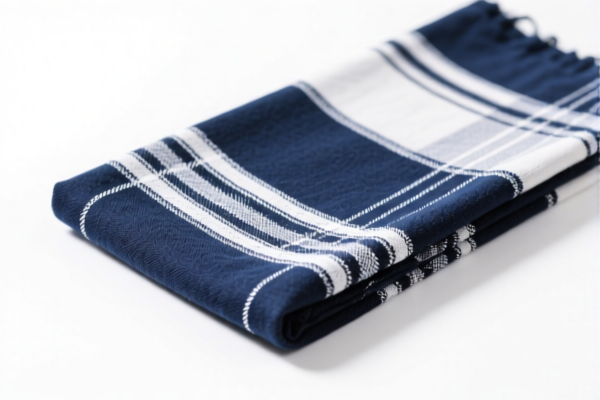
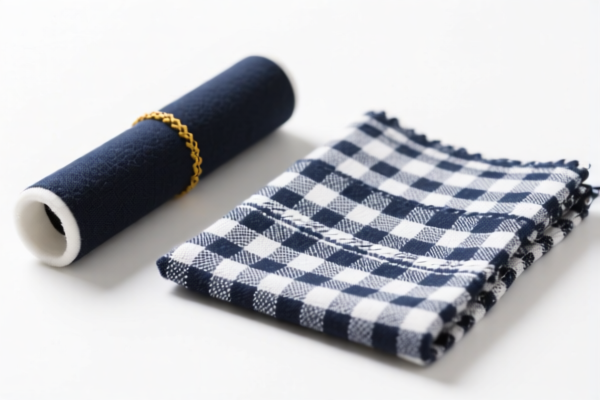
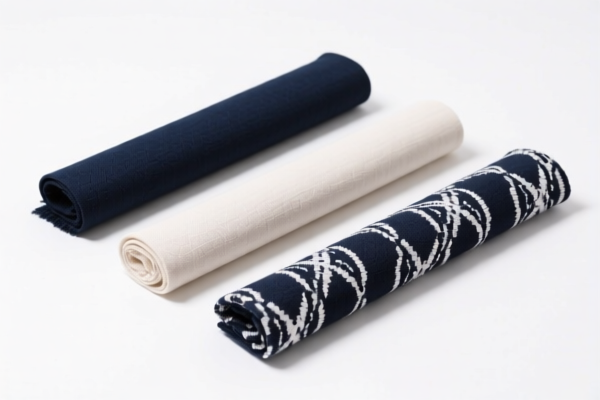
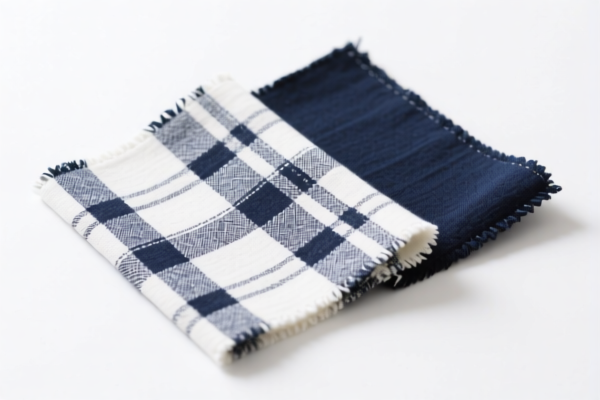
AI分析
🧵 Textile Articles (HS 6307.90.*)
🌐 HS Code Reference & Customs Clearance Guide | 2026 Latest Tariff Analysis | Professional Entry Strategy
📌 I. Product Definition & Classification: What Exactly Are "Textile Articles"?
"Textile Articles" under Heading 6307 generally refer to other made-up textile articles, including flags, bunting, bandages, similar articles of textile materials, stuffed furnishings, and other made-up textile goods not elsewhere specified or included.
In international trade, these products are often categorized by their material composition (e.g., cotton, synthetic fiber, wool) and form (knitted/crocheted vs. non-knitted/uncrocheted). The key to accurate classification lies in determining whether the product is a finished good and its primary material.
⚠️ Key Distinction:
- Made-up items (cut/sewn): Labels, tags, banners, flags → Typically fall under 6307.
- Raw or semi-finished textiles: Fabrics, yarns → Fall under earlier chapters (e.g., 50–60).
- Home textiles (bedding, curtains): Often fall under 6304 (if knitted) or 6307 (if other).
📦 II. HS Code Classification Details (2026 Latest Tariff Authority Comparison)
Based on the provided data, here are the relevant HS Codes for "Textile Articles" with their corresponding tax implications:
| HS Code | Product Description | Summary from Data | Total Tax Rate |
|---|---|---|---|
6307.90.98.91 |
Other made-up textile articles (not specified elsewhere) | Classified as other made-up articles; material attributes consistent, no conflict. | 24.5% |
6307.90.30.20 |
Other made-up textile articles | Textile articles belong to the category of made-up goods; if material is not specified, judged as potentially compliant. | 25.4% |
6307.90.30.10 |
Other made-up textile articles | Textile articles match cotton label material attributes; form is other made-up articles. | 25.4% |
6304.99.60.40 |
Other made-up furnishing articles (non-knitted/crocheted) | Matches attributes of other textile materials and home textile articles; non-knitted. | 20.7% |
6304.91.01.70 |
Other made-up furnishing articles (knitted/crocheted) | Matches knitted or crocheted attributes; no obvious material conflict. | 23.3% |
🔍 Key Reminders:
- 6307 is the primary heading for "other made-up textile articles." Subheadings vary by specific type (e.g., flags, labels, home furnishings).
- 6304 applies to made-up furnishing articles like bed covers, blankets, curtains, etc., especially if they are for household use.
- The distinction between knitted/crocheted (6304.91) and non-knitted/uncrocheted (6304.99) affects the base tariff.
- Material specification matters: If the product is explicitly a "cotton label," it may fall under6307.90.30.10. If it’s a general "other textile article,"6307.90.98.91may apply.
💰 III. 2026 Latest Tariff Rate Breakdown (Including Surtaxes & Policy Add-ons)
✅ Applicable Country: United States (US)
✅ Origin: China (CN)
✅ Effective Date: From November 10, 2025 (including subsequent imports)
🎯 1. 6307.90.98.91 – Other Made-up Textile Articles (General)
| Item | Detail |
|---|---|
| Base Tariff | 7.0% |
| Section 301 Surtax | 7.5% |
| Section 122 Tariff | 10.0% |
| Total Tax Rate | 24.5% |
| Tax Calculation | CIF Value × 24.5% |
| De Minimis Exemption | ❌ Not Eligible (Deny De Minimis) |
| Legal Authority Path | Base Tariff: 7.0% → Section 301: 7.5% → Section 122: 10% |
📌 Explanation:
- Base Tariff (7.0%): Standard Most Favored Nation (MFN) rate for this subheading.
- Section 301 Surtax (7.5%): Additional duty imposed on certain Chinese imports under U.S. Trade Act Section 301.
- Section 122 Tariff (10%): Specific tariff under Section 122 of the Trade Expansion Act, applicable to certain textiles and apparel from China.
- Total 24.5%: A significant cost factor for exporters. Must be factored into pricing strategies.
🎯 2. 6307.90.30.20 & 6307.90.30.10 – Specific Made-up Textile Articles (e.g., Labels, Tags)
| Item | Detail |
|---|---|
| Base Tariff | 7.9% |
| Section 301 Surtax | 7.5% |
| Section 122 Tariff | 10.0% |
| Total Tax Rate | 25.4% |
| Tax Calculation | CIF Value × 25.4% |
| De Minimis Exemption | ❌ Not Eligible |
| Legal Authority Path | Base Tariff: 7.9% → Section 301: 7.5% → Section 122: 10% |
📌 Note:
- Slightly higher base tariff (7.9%) compared to general6307.90.98.91(7.0%).
- Applies to specific subcategories such as cotton labels (6307.90.30.10) or other unspecified made-up textile goods (6307.90.30.20).
- Material consistency is key: If the label is cotton-based, it aligns with6307.90.30.10.
🎯 3. 6304.99.60.40 – Non-Knitted/Crocheted Made-up Furnishing Articles
| Item | Detail |
|---|---|
| Base Tariff | 3.2% |
| Section 301 Surtax | 7.5% |
| Section 122 Tariff | 10.0% |
| Total Tax Rate | 20.7% |
| Tax Calculation | CIF Value × 20.7% |
| De Minimis Exemption | ❌ Not Eligible |
| Legal Authority Path | Base Tariff: 3.2% → Section 301: 7.5% → Section 122: 10% |
📌 Explanation:
- Lower base tariff (3.2%) due to classification under 6304.99 (other furnishing articles).
- Applicable to non-knitted/crocheted items such as certain home textiles or decorative textile articles.
- Best option for cost optimization if the product fits this category.
🎯 4. 6304.91.01.70 – Knitted/Crocheted Made-up Furnishing Articles
| Item | Detail |
|---|---|
| Base Tariff | 5.8% |
| Section 301 Surtax | 7.5% |
| Section 122 Tariff | 10.0% |
| Total Tax Rate | 23.3% |
| Tax Calculation | CIF Value × 23.3% |
| De Minimis Exemption | ❌ Not Eligible |
| Legal Authority Path | Base Tariff: 5.8% → Section 301: 7.5% → Section 122: 10% |
📌 Note:
- Base tariff (5.8%) is between non-knitted (3.2%) and general 6307 (7.0–7.9%).
- Applicable to knitted/crocheted home furnishings (e.g., blankets, bedspreads, decorative cushions).
🛠️ IV. Customs Clearance Practical Advice (Combat Pitfalls Guide)
✅ 1. Documentation Checklist (All Required)
| Document | Required | Notes |
|---|---|---|
| ✅ Product Specification Sheet | ✔️ | Includes material composition, dimensions, intended use |
| ✅ Product Photos (with labels/tags) | ✔️ | Clear view of fabric type, stitching, and any branding |
| ✅ Bill of Lading / Air Waybill | ✔️ | Must match commercial invoice details |
| ✅ Commercial Invoice | ✔️ | Clearly state "Textile Articles – Made-up" and HS Code |
| ✅ Packing List | ✔️ | Detail quantity, weight, and packaging type |
| ✅ Certificate of Origin (CO) | ✔️ | If applicable, to verify country of origin |
| ✅ Test Reports (if available) | ✔️ | For material content verification (e.g., cotton %, polyester %) |
✅ 2. Declaration Tips (Key Principles)
🔥 "Material Defines, Form Guides, HS Code Decides, Tax Follows!"
| Scenario | Correct Declaration | Incorrect Practice |
|---|---|---|
| General textile made-up goods (e.g., banners, flags) | 6307.90.98.91 |
Misclassified as general textile → 24.5% |
| Cotton labels/tags | 6307.90.30.10 |
Misclassified as general → 25.4% |
| Home textiles (non-knitted, e.g., curtains) | 6304.99.60.40 |
Misclassified as 6307 → Higher tax |
| Home textiles (knitted, e.g., blankets) | 6304.91.01.70 |
Misclassified as 6307 → Higher tax |
| Mixed materials | Declare primary material | Vague description → Delay/Confiscation |
✅ 3. Special Cases Handling
| Scenario | Handling Advice |
|---|---|
| OEM Custom Textiles | Provide design specs + material breakdown to avoid misclassification |
| Textiles with Embroidery/Printing | Ensure material composition reflects the base fabric, not the decoration |
| Sample Goods | Declare as "Samples" but still subject to duties unless de minimis applies (not here) |
| Used/Refurbished Textiles | Subject to additional scrutiny; ensure cleanliness and safety compliance |
🌍 V. Global Customs Comparison (2026 Latest)
| Country/Region | Recommended HS Code | Tariff (China Origin) | Certification Required | Notes |
|---|---|---|---|---|
| 🇺🇸 United States | 6307.90.98.91 / 6304.99.60.40 |
20.7% – 25.4% | No specific certs, but material truthfulness critical | High surtaxes apply |
| 🇨🇳 China | 6307.90 / 6304.99 |
5% – 10% | CCC (if applicable) | Lower base rates |
| 🇪🇺 EU | 6307.90 / 6304.99 |
0% – 4% (if eligible) | CE (if applicable) | Preferential rates under GSP |
| 🇯🇵 Japan | 6307.90 / 6304.99 |
0% – 3% | PSE (if electrical parts included) | Low tariffs |
| 🇦🇺 Australia | 6307.90 / 6304.99 |
5% | RCM (if applicable) | Moderate tariffs |
📌 Conclusion:
- U.S. has the highest effective tax burden due to Section 301 and Section 122 add-ons.
- EU, Japan, and Australia offer significantly lower rates, making them more attractive markets for textile exports.
- Strategic Recommendation: If possible, restructure supply chains to source from or assemble in countries with favorable trade agreements (e.g., Vietnam, Mexico) to mitigate U.S. tariffs.
📌 VI. Common Mistakes & Pitfall Prevention (Lessons Learned)
❌ Mistake 1: Declaring "Textile Articles" without specifying material
👉 Consequence: Customs may assign highest applicable tariff → Up to 25.4%
❌ Mistake 2: Misclassifying home textiles as general textiles
👉 Consequence: Higher base tariff (7.0–7.9% vs. 3.2–5.8%) → Extra cost
❌ Mistake 3: Ignoring Section 301 & Section 122 applicability
👉 Consequence: Underpayment of duties → Penalties + Back Taxes
❌ Mistake 4: Using vague descriptions like "Fabric Goods"
👉 Consequence: Customs request for clarification → Delays + Demurrage Fees
✅ Correct Practice:
"Made-up Cotton Labels, Woven, for Apparel Branding, Model XYZ"
OR
"Non-Knitted Home Textile, Polyester, Blanket, 2x2m, Certifications: OEKO-TEX"
🎯 VII. Conclusion: Precision in Classification Saves Money!
🎯 Remember the Golden Rules:
🔹 "Material First, Form Second, HS Code Third, Tax Follows!"
🔹 "Home Textiles (6304) are cheaper than General Textiles (6307) – Know the Difference!"
🔹 "U.S. Tariffs are High – Plan Ahead, Declare Accurately, Avoid Penalties!"
📌 Pro Tip:
- If your textile articles qualify as home furnishings (6304), you can save 2–5% in base tariffs.
- Always provide material composition (e.g., 100% Cotton, 80% Polyester/20% Cotton) to ensure correct subheading assignment.
- Consider pre-ruling applications with U.S. Customs (CBP) for complex or high-value shipments.
📣 Take Action Now:
📞 Consult a Licensed Customs Broker
📄 Submit Accurate Product Descriptions + Material Breakdown
🚀 Optimize HS Code Selection to Minimize Duties and Ensure Smooth Clearance!
✨ Professional Clearance Starts with Accurate Classification!
💼 Every Percent Saved is Profit Gained!
用户评价
关于 HS 编码归类
协调制度(HS)是由世界海关组织(WCO)制定的国际贸易商品分类标准。全球 200 多个国家采用 HS 系统作为海关关税、贸易统计和进出口监管的基础。
每个 HS 编码遵循以下层级结构:
- 章(2 位)——商品大类(例如:第 84 章:机器和机械设备)
- 品目(4 位)——章内的更具体分类
- 子目(6 位)——国际通用细分,所有 WCO 成员国统一使用
- 本国细分(8-10 位)——各国自行扩展的细分编码,如美国 HTSUS 10 位编码
正确的 HS 编码归类对于顺利通关、准确缴纳关税和遵守贸易法规至关重要。错误归类可能导致海关延误、多缴关税或罚款。
从CN进口到US时,适用的关税税率可能包括:
- 最惠国(MFN)税率——适用于 WTO 成员国的标准关税税率
- 普通税率——适用于无贸易协定国家
- 贸易救济关税——附加关税,如 301 条款(反倾销)、232 条款(国家安全)或反补贴税
本页内容仅供参考。如需正式归类,请咨询当地海关或持牌报关代理。