Textile articles (HS 6307101090)
CN → US| HS Code | Tariff Rate | Origin | Destination | Doc |
|---|---|---|---|---|
| 6307909891 | 24.5% | CN | US | Official Doc |
| 6307903020 | 25.4% | CN | US | Official Doc |
| 6307903010 | 25.4% | CN | US | Official Doc |
| 6304996040 | 20.7% | CN | US | Official Doc |
| 6304910170 | 23.3% | CN | US | Official Doc |
Product Images
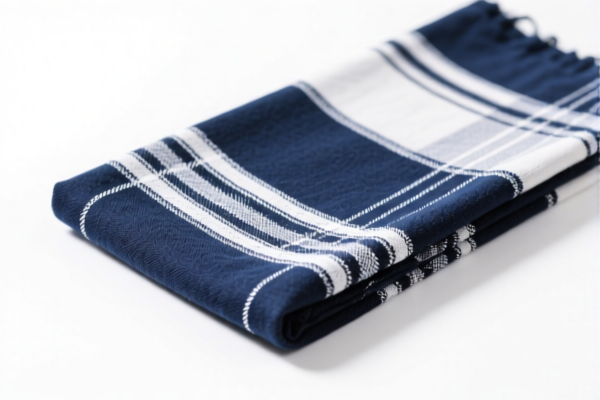
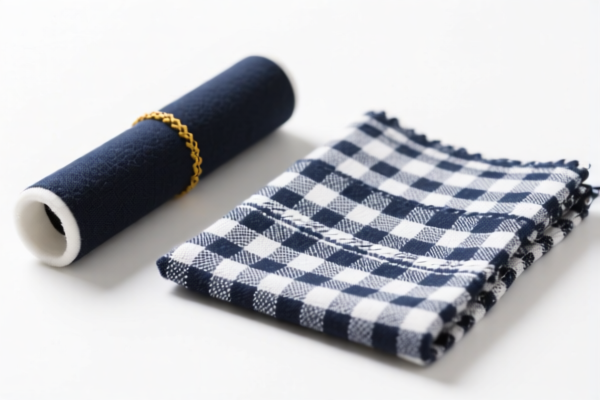
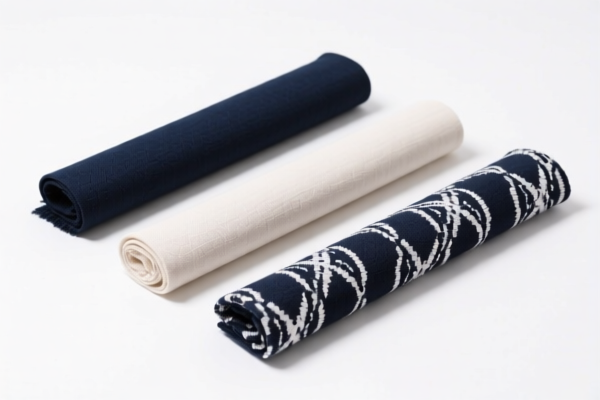
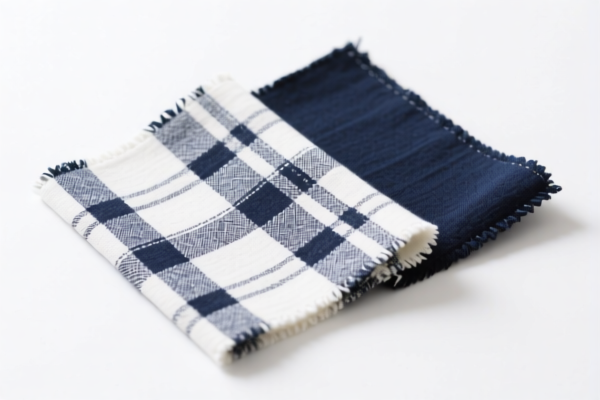
AI Analysis
🧵 Textile Articles (HS 6307.90.*)
🌐 HS Code Reference & Customs Clearance Guide | 2026 Latest Tariff Analysis | Professional Entry Strategy
📌 I. Product Definition & Classification: What Exactly Are "Textile Articles"?
"Textile Articles" under Heading 6307 generally refer to other made-up textile articles, including flags, bunting, bandages, similar articles of textile materials, stuffed furnishings, and other made-up textile goods not elsewhere specified or included.
In international trade, these products are often categorized by their material composition (e.g., cotton, synthetic fiber, wool) and form (knitted/crocheted vs. non-knitted/uncrocheted). The key to accurate classification lies in determining whether the product is a finished good and its primary material.
⚠️ Key Distinction:
- Made-up items (cut/sewn): Labels, tags, banners, flags → Typically fall under 6307.
- Raw or semi-finished textiles: Fabrics, yarns → Fall under earlier chapters (e.g., 50–60).
- Home textiles (bedding, curtains): Often fall under 6304 (if knitted) or 6307 (if other).
📦 II. HS Code Classification Details (2026 Latest Tariff Authority Comparison)
Based on the provided data, here are the relevant HS Codes for "Textile Articles" with their corresponding tax implications:
| HS Code | Product Description | Summary from Data | Total Tax Rate |
|---|---|---|---|
6307.90.98.91 |
Other made-up textile articles (not specified elsewhere) | Classified as other made-up articles; material attributes consistent, no conflict. | 24.5% |
6307.90.30.20 |
Other made-up textile articles | Textile articles belong to the category of made-up goods; if material is not specified, judged as potentially compliant. | 25.4% |
6307.90.30.10 |
Other made-up textile articles | Textile articles match cotton label material attributes; form is other made-up articles. | 25.4% |
6304.99.60.40 |
Other made-up furnishing articles (non-knitted/crocheted) | Matches attributes of other textile materials and home textile articles; non-knitted. | 20.7% |
6304.91.01.70 |
Other made-up furnishing articles (knitted/crocheted) | Matches knitted or crocheted attributes; no obvious material conflict. | 23.3% |
🔍 Key Reminders:
- 6307 is the primary heading for "other made-up textile articles." Subheadings vary by specific type (e.g., flags, labels, home furnishings).
- 6304 applies to made-up furnishing articles like bed covers, blankets, curtains, etc., especially if they are for household use.
- The distinction between knitted/crocheted (6304.91) and non-knitted/uncrocheted (6304.99) affects the base tariff.
- Material specification matters: If the product is explicitly a "cotton label," it may fall under6307.90.30.10. If it’s a general "other textile article,"6307.90.98.91may apply.
💰 III. 2026 Latest Tariff Rate Breakdown (Including Surtaxes & Policy Add-ons)
✅ Applicable Country: United States (US)
✅ Origin: China (CN)
✅ Effective Date: From November 10, 2025 (including subsequent imports)
🎯 1. 6307.90.98.91 – Other Made-up Textile Articles (General)
| Item | Detail |
|---|---|
| Base Tariff | 7.0% |
| Section 301 Surtax | 7.5% |
| Section 122 Tariff | 10.0% |
| Total Tax Rate | 24.5% |
| Tax Calculation | CIF Value × 24.5% |
| De Minimis Exemption | ❌ Not Eligible (Deny De Minimis) |
| Legal Authority Path | Base Tariff: 7.0% → Section 301: 7.5% → Section 122: 10% |
📌 Explanation:
- Base Tariff (7.0%): Standard Most Favored Nation (MFN) rate for this subheading.
- Section 301 Surtax (7.5%): Additional duty imposed on certain Chinese imports under U.S. Trade Act Section 301.
- Section 122 Tariff (10%): Specific tariff under Section 122 of the Trade Expansion Act, applicable to certain textiles and apparel from China.
- Total 24.5%: A significant cost factor for exporters. Must be factored into pricing strategies.
🎯 2. 6307.90.30.20 & 6307.90.30.10 – Specific Made-up Textile Articles (e.g., Labels, Tags)
| Item | Detail |
|---|---|
| Base Tariff | 7.9% |
| Section 301 Surtax | 7.5% |
| Section 122 Tariff | 10.0% |
| Total Tax Rate | 25.4% |
| Tax Calculation | CIF Value × 25.4% |
| De Minimis Exemption | ❌ Not Eligible |
| Legal Authority Path | Base Tariff: 7.9% → Section 301: 7.5% → Section 122: 10% |
📌 Note:
- Slightly higher base tariff (7.9%) compared to general6307.90.98.91(7.0%).
- Applies to specific subcategories such as cotton labels (6307.90.30.10) or other unspecified made-up textile goods (6307.90.30.20).
- Material consistency is key: If the label is cotton-based, it aligns with6307.90.30.10.
🎯 3. 6304.99.60.40 – Non-Knitted/Crocheted Made-up Furnishing Articles
| Item | Detail |
|---|---|
| Base Tariff | 3.2% |
| Section 301 Surtax | 7.5% |
| Section 122 Tariff | 10.0% |
| Total Tax Rate | 20.7% |
| Tax Calculation | CIF Value × 20.7% |
| De Minimis Exemption | ❌ Not Eligible |
| Legal Authority Path | Base Tariff: 3.2% → Section 301: 7.5% → Section 122: 10% |
📌 Explanation:
- Lower base tariff (3.2%) due to classification under 6304.99 (other furnishing articles).
- Applicable to non-knitted/crocheted items such as certain home textiles or decorative textile articles.
- Best option for cost optimization if the product fits this category.
🎯 4. 6304.91.01.70 – Knitted/Crocheted Made-up Furnishing Articles
| Item | Detail |
|---|---|
| Base Tariff | 5.8% |
| Section 301 Surtax | 7.5% |
| Section 122 Tariff | 10.0% |
| Total Tax Rate | 23.3% |
| Tax Calculation | CIF Value × 23.3% |
| De Minimis Exemption | ❌ Not Eligible |
| Legal Authority Path | Base Tariff: 5.8% → Section 301: 7.5% → Section 122: 10% |
📌 Note:
- Base tariff (5.8%) is between non-knitted (3.2%) and general 6307 (7.0–7.9%).
- Applicable to knitted/crocheted home furnishings (e.g., blankets, bedspreads, decorative cushions).
🛠️ IV. Customs Clearance Practical Advice (Combat Pitfalls Guide)
✅ 1. Documentation Checklist (All Required)
| Document | Required | Notes |
|---|---|---|
| ✅ Product Specification Sheet | ✔️ | Includes material composition, dimensions, intended use |
| ✅ Product Photos (with labels/tags) | ✔️ | Clear view of fabric type, stitching, and any branding |
| ✅ Bill of Lading / Air Waybill | ✔️ | Must match commercial invoice details |
| ✅ Commercial Invoice | ✔️ | Clearly state "Textile Articles – Made-up" and HS Code |
| ✅ Packing List | ✔️ | Detail quantity, weight, and packaging type |
| ✅ Certificate of Origin (CO) | ✔️ | If applicable, to verify country of origin |
| ✅ Test Reports (if available) | ✔️ | For material content verification (e.g., cotton %, polyester %) |
✅ 2. Declaration Tips (Key Principles)
🔥 "Material Defines, Form Guides, HS Code Decides, Tax Follows!"
| Scenario | Correct Declaration | Incorrect Practice |
|---|---|---|
| General textile made-up goods (e.g., banners, flags) | 6307.90.98.91 |
Misclassified as general textile → 24.5% |
| Cotton labels/tags | 6307.90.30.10 |
Misclassified as general → 25.4% |
| Home textiles (non-knitted, e.g., curtains) | 6304.99.60.40 |
Misclassified as 6307 → Higher tax |
| Home textiles (knitted, e.g., blankets) | 6304.91.01.70 |
Misclassified as 6307 → Higher tax |
| Mixed materials | Declare primary material | Vague description → Delay/Confiscation |
✅ 3. Special Cases Handling
| Scenario | Handling Advice |
|---|---|
| OEM Custom Textiles | Provide design specs + material breakdown to avoid misclassification |
| Textiles with Embroidery/Printing | Ensure material composition reflects the base fabric, not the decoration |
| Sample Goods | Declare as "Samples" but still subject to duties unless de minimis applies (not here) |
| Used/Refurbished Textiles | Subject to additional scrutiny; ensure cleanliness and safety compliance |
🌍 V. Global Customs Comparison (2026 Latest)
| Country/Region | Recommended HS Code | Tariff (China Origin) | Certification Required | Notes |
|---|---|---|---|---|
| 🇺🇸 United States | 6307.90.98.91 / 6304.99.60.40 |
20.7% – 25.4% | No specific certs, but material truthfulness critical | High surtaxes apply |
| 🇨🇳 China | 6307.90 / 6304.99 |
5% – 10% | CCC (if applicable) | Lower base rates |
| 🇪🇺 EU | 6307.90 / 6304.99 |
0% – 4% (if eligible) | CE (if applicable) | Preferential rates under GSP |
| 🇯🇵 Japan | 6307.90 / 6304.99 |
0% – 3% | PSE (if electrical parts included) | Low tariffs |
| 🇦🇺 Australia | 6307.90 / 6304.99 |
5% | RCM (if applicable) | Moderate tariffs |
📌 Conclusion:
- U.S. has the highest effective tax burden due to Section 301 and Section 122 add-ons.
- EU, Japan, and Australia offer significantly lower rates, making them more attractive markets for textile exports.
- Strategic Recommendation: If possible, restructure supply chains to source from or assemble in countries with favorable trade agreements (e.g., Vietnam, Mexico) to mitigate U.S. tariffs.
📌 VI. Common Mistakes & Pitfall Prevention (Lessons Learned)
❌ Mistake 1: Declaring "Textile Articles" without specifying material
👉 Consequence: Customs may assign highest applicable tariff → Up to 25.4%
❌ Mistake 2: Misclassifying home textiles as general textiles
👉 Consequence: Higher base tariff (7.0–7.9% vs. 3.2–5.8%) → Extra cost
❌ Mistake 3: Ignoring Section 301 & Section 122 applicability
👉 Consequence: Underpayment of duties → Penalties + Back Taxes
❌ Mistake 4: Using vague descriptions like "Fabric Goods"
👉 Consequence: Customs request for clarification → Delays + Demurrage Fees
✅ Correct Practice:
"Made-up Cotton Labels, Woven, for Apparel Branding, Model XYZ"
OR
"Non-Knitted Home Textile, Polyester, Blanket, 2x2m, Certifications: OEKO-TEX"
🎯 VII. Conclusion: Precision in Classification Saves Money!
🎯 Remember the Golden Rules:
🔹 "Material First, Form Second, HS Code Third, Tax Follows!"
🔹 "Home Textiles (6304) are cheaper than General Textiles (6307) – Know the Difference!"
🔹 "U.S. Tariffs are High – Plan Ahead, Declare Accurately, Avoid Penalties!"
📌 Pro Tip:
- If your textile articles qualify as home furnishings (6304), you can save 2–5% in base tariffs.
- Always provide material composition (e.g., 100% Cotton, 80% Polyester/20% Cotton) to ensure correct subheading assignment.
- Consider pre-ruling applications with U.S. Customs (CBP) for complex or high-value shipments.
📣 Take Action Now:
📞 Consult a Licensed Customs Broker
📄 Submit Accurate Product Descriptions + Material Breakdown
🚀 Optimize HS Code Selection to Minimize Duties and Ensure Smooth Clearance!
✨ Professional Clearance Starts with Accurate Classification!
💼 Every Percent Saved is Profit Gained!
Customer Reviews
About HS Code Classification
The Harmonized System (HS) is an internationally standardized nomenclature developed by the World Customs Organization (WCO) to classify traded products. Over 200 countries use the HS system as the basis for customs tariffs, trade statistics, and import/export regulations.
Each HS code follows a hierarchical structure:
- Chapter (2 digits) — Broad category of goods (e.g., Chapter 84: Machinery and Mechanical Appliances)
- Heading (4 digits) — More specific grouping within the chapter
- Subheading (6 digits) — Internationally standardized breakdown, used by all WCO member countries
- National subdivisions (8-10 digits) — Country-specific extensions for further classification, such as US HTSUS 10-digit codes
Correct HS code classification is essential for smooth customs clearance, accurate duty payment, and compliance with trade regulations. Misclassification can lead to customs delays, overpayment of duties, or penalties.
When importing from CN to US, the applicable tariff rates may include:
- Most-Favored-Nation (MFN) rate — The standard duty rate applied to WTO members
- General rate — Applied to countries without trade agreements
- Trade remedy duties — Additional tariffs such as Section 301 (anti-dumping), Section 232 (national security), or countervailing duties
The information provided on this page is for reference purposes only. For official classification, please consult with your local customs authority or a licensed customs broker.