Thermal Conductive Plate
CN → US| HS编码 | 关税税率 | 原产国 | 目的国 | 文档 |
|---|---|---|---|---|
| 7616995120 | 37.5% | CN | US | 官方文档 |
| 7326908688 | 87.9% | CN | US | 官方文档 |
| 7326908610 | 87.9% | CN | US | 官方文档 |
商品图片
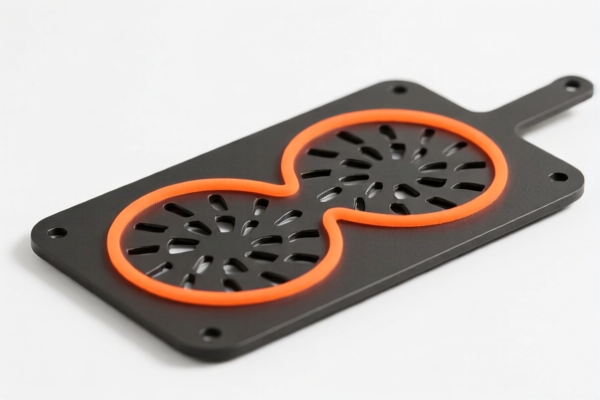
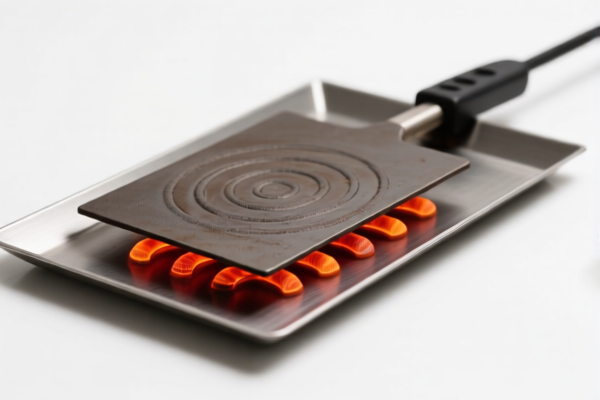
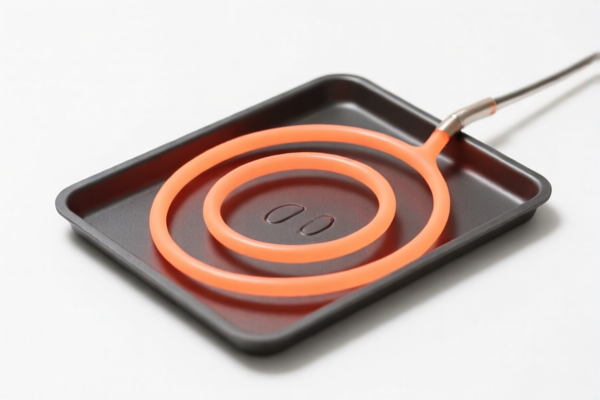
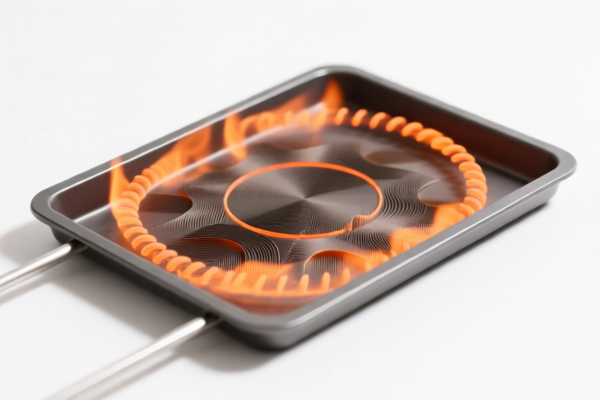
AI分析
🔥 Thermal Conductive Plate (Heatsink Plates / Thermal Management Sheets)
🌐 HS Code Reference & Customs Clearance Guide | 2026 Latest Tariff Analysis | Professional Clearance Strategy 📌 I. Product Definition & Classification: Do You Really Understand "Thermal Conductive Plates"?
Thermal conductive plates are critical components in modern electronics, electric vehicles (EVs), and high-performance computing. They serve as the bridge for heat dissipation, transferring heat from a heat source (like a CPU or battery cell) to a cooling system.
In international trade, classification is highly sensitive to material composition and structural form. They are generally divided into two main categories:
Aluminum Laminated Products: Plates made of aluminum or aluminum alloys, often layered with insulating or conductive materials. Steel/Iron-Based Metal Articles: Plates made of steel, iron, or other non-aluminum metals, often featuring non-metallic cores or laminated structures.
⚠️ Key Distinction Point: - If the plate is primarily Aluminum and structured as a Laminated Product → Classify under 7616.99.51.20 - If the plate is made of Steel/Iron (or identified as such in documentation) with a non-metallic core or laminate → Classify under 7326.90.86.10 - If the plate is made of Steel/Iron without specific non-metallic features, or identified as general metal articles → Classify under 7326.90.86.88
📦 II. HS Code Classification Details (2026 Latest Tariff Authority Comparison)
| HS Code | Product Description | Material Attribute | Structural Feature |
|---|---|---|---|
7616.99.51.20 |
Articles of aluminum; Aluminum laminated products | Aluminum | Laminated structure (layered) |
7326.90.86.88 |
Other articles of iron or steel; General metal articles | Steel/Iron | General metal article (no specific non-metallic core specified) |
7326.90.86.10 |
Other articles of iron or steel; Laminated articles | Steel/Iron | Laminated structure with non-metallic core/layer |
🔍 Critical Reminder: - The material is the primary classifier. "Thermal conductive plate" is a functional name, not a material name. Customs will look at the chemical composition and physical structure. - Aluminum falls under Chapter 76; Steel/Iron falls under Chapter 73. - Lamination (layering) is a key structural indicator that moves items to sub-headings .51 (Aluminum) or .86 (Steel).
💰 III. 2026 Latest Tariff Rate Detailed Breakdown (Including Additional Taxes & Policy Surcharges)
✅ Applicable Country: United States (US) ✅ Origin: China (CN) ✅ Effective Date: From November 10, 2025 (for imports)
🎯 1. 7616.99.51.20 —— Aluminum Articles (Laminated Products)
| Item | Details |
|---|---|
| Base Duty Rate | 2.5% |
| Section 301 Additional Duty | +25.0% |
| Section 122 Duty | +10.0% |
| Total Tax Rate | 37.5% |
| Tax Calculation | CIF Value × 37.5% |
| De Minimis Exemption | ❌ Not Eligible (High tax rate exceeds exemption thresholds) |
| Legal Basis Path | HTSUS:7616.99.51.20 → Section 301 Footnote → Section 122 |
📌 Explanation: - Base Rate (2.5%): Standard MFN duty for aluminum articles. - Section 301 (25%): Added tariffs on Chinese aluminum products to address trade imbalances. - Section 122 (10%): Additional duty applied to certain imports to protect national security/industry. - Total: 37.5%. While lower than steel counterparts, this is still a significant cost. Ensure the product is truly Aluminum. If it contains steel, it will be reclassified.
🎯 2. 7326.90.86.88 —— Other Articles of Iron or Steel
| Item | Details |
|---|---|
| Base Duty Rate | 2.9% |
| Section 301 Additional Duty | +25.0% |
| Section 122 Duty | +10.0% |
| Steel/Alu/Cu Additional Duty | +50.0% |
| Total Tax Rate | 87.9% |
| Tax Calculation | CIF Value × 87.9% |
| De Minimis Exemption | ❌ Not Eligible |
| Legal Basis Path | HTSUS:7326.90.86.88 → Section 301 → Section 122 → Special Tariff for Steel |
📌 Warning: - Base Rate (2.9%): Standard duty for general steel articles. - Section 301 (25%): Standard China tariff. - Section 122 (10%): Standard security tariff. - Steel/Cu/Alu Additional Duty (50%): A specific high tariff applied to steel imports from China. - Total: 87.9%. This is a prohibitive tariff. Most thermal plates identified as steel-based will face this rate.
🎯 3. 7326.90.86.10 —— Laminated Articles of Iron or Steel
| Item | Details |
|---|---|
| Base Duty Rate | 2.9% |
| Section 301 Additional Duty | +25.0% |
| Section 122 Duty | +10.0% |
| Steel/Alu/Cu Additional Duty | +50.0% |
| Total Tax Rate | 87.9% |
| Tax Calculation | CIF Value × 87.9% |
| De Minimis Exemption | ❌ Not Eligible |
| Legal Basis Path | HTSUS:7326.90.86.10 → Section 301 → Section 122 → Special Tariff for Steel |
📌 Note: - Same tariff structure as
7326.90.86.88. - Even if the steel plate has a non-metallic core (laminated), it does not escape the 50% additional steel tariff. - Key Takeaway: Steel-based thermal plates are extremely expensive to import into the US due to the layered tariffs.
🛠️ IV. Customs Clearance Practical Advice (Avoiding Pitfalls)
✅ 1. Document Checklist (Mandatory)
| Document | Required | Notes |
|---|---|---|
| ✅ Material Safety Data Sheet (MSDS) | ✔️ | Must explicitly state material composition (e.g., "99% Aluminum Alloy" vs. "Steel Core"). |
| ✅ Technical Specification Sheet | ✔️ | Detail the structure: Is it a single metal plate? Or a laminate (e.g., aluminum sheet + adhesive + copper)? |
| ✅ Product Photos | ✔️ | Show cross-sections if laminated. Label clearly with material name. |
| ✅ Commercial Invoice | ✔️ | Use precise description: "Aluminum Thermal Conductive Plate" or "Steel Thermal Plate". Avoid vague "Electronic Parts". |
| ✅ Certificate of Origin (CO) | ✔️ | To confirm Chinese origin for tariff application. |
| ✅ Packing List | ✔️ | Confirm dimensions and weight for volume calculation. |
✅ 2. Declaration Strategy (Crucial Tips)
🔥 "Material First, Structure Second. Vague Names = High Risk!"
| Scenario | Correct Declaration | Wrong Declaration | Consequence |
|---|---|---|---|
| Aluminum Plate | 7616.99.51.20 - Aluminum Thermal Plate |
"Thermal Plate" | Rejected by Customs; Audit delay; Potential reclassification to Steel or Higher Duty |
| Steel Plate with Core | 7326.90.86.10 |
"Heat Sink" | 87.9% Duty applied. If you declared as 7616 (37.5%), you face back taxes + penalties. |
| General Steel Plate | 7326.90.86.88 |
"Metal Sheet" | 87.9% Duty applied. |
| Mixed Material | Declare based on chief material | "Composite Part" | Customs will analyze the chief material. If steel is structural, steel rates apply. |
✅ 3. Special Situation Handling
| Situation | Advice |
|---|---|
| Copper-Aluminum Hybrid | If aluminum is the main structural material, try to argue for 7616.99.51.20. If copper/steel dominates, expect higher rates. |
| Graphite-Based Plates | If the plate is primarily graphite/pyrolytic graphite, it may fall under Chapter 68 (Articles of Graphite), potentially avoiding steel/aluminum tariffs. Check MSDS! |
| OEM Custom Parts | Provide engineering drawings showing material layers. Clear diagrams help customs officers classify correctly. |
| Sample vs. Bulk | Sample shipments are not exempt from tariff rates if the value exceeds de minimis thresholds ($800 in US). High taxes apply even to samples. |
🌍 V. Global Market Comparison (2026 Latest)
| Country/Region | Recommended HS Code | Duty Rate (China Origin) | Key Certifications | Notes |
|---|---|---|---|---|
| 🇺🇸 USA | 7616.99.51.20 (Al) / 7326.90.86.x (Steel) |
37.5% (Al) / 87.9% (Steel) | None specific for goods, but commercial invoice must be detailed. | Highest risk market due to Section 301 & 122. |
| 🇨🇳 China | 7616.99.90 / 7326.90.90 |
5% - 10% | CCC (if applicable) | Low import barriers for components. |
| 🇪🇺 EU | 7616.99 / 7326.90 |
0% - 4% | CE, RoHS | No major additional tariffs for these specific goods generally. |
| 🇯🇵 Japan | 7616.99 / 7326.90 |
0% - 2% | PSE (if applicable) | Favorable trade terms. |
📌 Conclusion: - USA is the only major market with punitive tariffs on these metal goods. - Aluminum is significantly cheaper to import than Steel into the US (37.5% vs 87.9%). - If your product can be made of aluminum without compromising performance, switch materials to save ~50% in duty costs.
📌 VI. Common Mistakes & Pitfalls (Lessons Learned)
❌ Mistake 1: Declaring "Thermal Plate" without specifying material. 👉 Result: Customs will assess based on the most likely material or audit your documents. Likely reclassified to Steel (87.9%) if unsure.
❌ Mistake 2: Assuming "Electronic Part" exemption applies. 👉 Result: Thermal plates are not exempt from Section 301. They are metal articles.
❌ Mistake 3: Confusing Laminated vs. Solid.
👉 Result: If you declare a laminated steel plate as 7326.90.86.88 (solid/general), it may pass, but if declared as 7326.90.86.10 (laminated), the duty is the same. However, accuracy prevents audits.
❌ Mistake 4: Ignoring Section 122. 👉 Result: Forgetting the 10% Section 122 duty leads to underpayment. It applies to many metal imports from China.
✅ Correct Practice:
"Aluminum Laminated Thermal Conductive Plate, 500x500mm, 99.5% Al, for PCB Heat Dissipation, Model XYZ, Certified RoHS."
🎯 VII. Conclusion: Smart Classification Saves Millions!
🎯 Remember These Rules:
🔹 "Aluminum is King in the US (37.5%) vs Steel (87.9%)" 🔹 "Material Defines Code, Structure Defines Sub-code" 🔹 "Never Guess 'Thermal Plate' - Always Specify Metal"
📌 Pro Tip: If your thermal plates are made of Copper, they may also face high tariffs. Consider Aluminum alternatives for the US market to mitigate costs. For non-US markets, steel may be acceptable due to lower duties.
📣 Immediate Action:
📞 Consult with a licensed customs broker to verify material composition. 📄 Update your Commercial Invoice to include explicit material percentages. 🚀 Optimize your supply chain to use Aluminum where possible for US-bound goods.
✨ Professional Clearance Starts with Precise Classification! 💼 Every Percentage Point of Duty Matters!
用户评价
关于 HS 编码归类
协调制度(HS)是由世界海关组织(WCO)制定的国际贸易商品分类标准。全球 200 多个国家采用 HS 系统作为海关关税、贸易统计和进出口监管的基础。
每个 HS 编码遵循以下层级结构:
- 章(2 位)——商品大类(例如:第 84 章:机器和机械设备)
- 品目(4 位)——章内的更具体分类
- 子目(6 位)——国际通用细分,所有 WCO 成员国统一使用
- 本国细分(8-10 位)——各国自行扩展的细分编码,如美国 HTSUS 10 位编码
正确的 HS 编码归类对于顺利通关、准确缴纳关税和遵守贸易法规至关重要。错误归类可能导致海关延误、多缴关税或罚款。
从CN进口到US时,适用的关税税率可能包括:
- 最惠国(MFN)税率——适用于 WTO 成员国的标准关税税率
- 普通税率——适用于无贸易协定国家
- 贸易救济关税——附加关税,如 301 条款(反倾销)、232 条款(国家安全)或反补贴税
本页内容仅供参考。如需正式归类,请咨询当地海关或持牌报关代理。