Thermal Conductive Plate
CN → US| HS Code | Tariff Rate | Origin | Destination | Doc |
|---|---|---|---|---|
| 7616995120 | 37.5% | CN | US | Official Doc |
| 7326908688 | 87.9% | CN | US | Official Doc |
| 7326908610 | 87.9% | CN | US | Official Doc |
Product Images
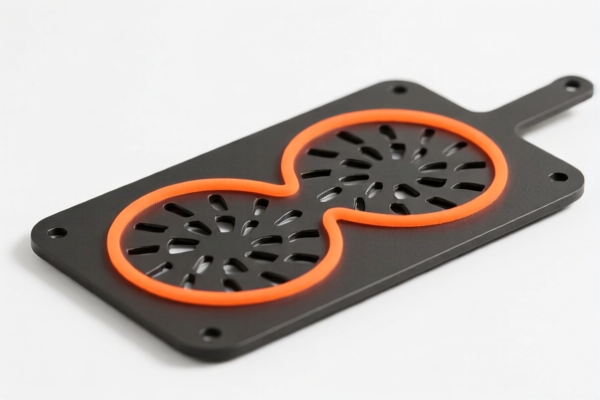
AI Analysis
🔥 Thermal Conductive Plate (Heatsink Plates / Thermal Management Sheets)
🌐 HS Code Reference & Customs Clearance Guide | 2026 Latest Tariff Analysis | Professional Clearance Strategy 📌 I. Product Definition & Classification: Do You Really Understand "Thermal Conductive Plates"?
Thermal conductive plates are critical components in modern electronics, electric vehicles (EVs), and high-performance computing. They serve as the bridge for heat dissipation, transferring heat from a heat source (like a CPU or battery cell) to a cooling system.
In international trade, classification is highly sensitive to material composition and structural form. They are generally divided into two main categories:
Aluminum Laminated Products: Plates made of aluminum or aluminum alloys, often layered with insulating or conductive materials. Steel/Iron-Based Metal Articles: Plates made of steel, iron, or other non-aluminum metals, often featuring non-metallic cores or laminated structures.
⚠️ Key Distinction Point: - If the plate is primarily Aluminum and structured as a Laminated Product → Classify under 7616.99.51.20 - If the plate is made of Steel/Iron (or identified as such in documentation) with a non-metallic core or laminate → Classify under 7326.90.86.10 - If the plate is made of Steel/Iron without specific non-metallic features, or identified as general metal articles → Classify under 7326.90.86.88
📦 II. HS Code Classification Details (2026 Latest Tariff Authority Comparison)
| HS Code | Product Description | Material Attribute | Structural Feature |
|---|---|---|---|
7616.99.51.20 |
Articles of aluminum; Aluminum laminated products | Aluminum | Laminated structure (layered) |
7326.90.86.88 |
Other articles of iron or steel; General metal articles | Steel/Iron | General metal article (no specific non-metallic core specified) |
7326.90.86.10 |
Other articles of iron or steel; Laminated articles | Steel/Iron | Laminated structure with non-metallic core/layer |
🔍 Critical Reminder: - The material is the primary classifier. "Thermal conductive plate" is a functional name, not a material name. Customs will look at the chemical composition and physical structure. - Aluminum falls under Chapter 76; Steel/Iron falls under Chapter 73. - Lamination (layering) is a key structural indicator that moves items to sub-headings .51 (Aluminum) or .86 (Steel).
💰 III. 2026 Latest Tariff Rate Detailed Breakdown (Including Additional Taxes & Policy Surcharges)
✅ Applicable Country: United States (US) ✅ Origin: China (CN) ✅ Effective Date: From November 10, 2025 (for imports)
🎯 1. 7616.99.51.20 —— Aluminum Articles (Laminated Products)
| Item | Details |
|---|---|
| Base Duty Rate | 2.5% |
| Section 301 Additional Duty | +25.0% |
| Section 122 Duty | +10.0% |
| Total Tax Rate | 37.5% |
| Tax Calculation | CIF Value × 37.5% |
| De Minimis Exemption | ❌ Not Eligible (High tax rate exceeds exemption thresholds) |
| Legal Basis Path | HTSUS:7616.99.51.20 → Section 301 Footnote → Section 122 |
📌 Explanation: - Base Rate (2.5%): Standard MFN duty for aluminum articles. - Section 301 (25%): Added tariffs on Chinese aluminum products to address trade imbalances. - Section 122 (10%): Additional duty applied to certain imports to protect national security/industry. - Total: 37.5%. While lower than steel counterparts, this is still a significant cost. Ensure the product is truly Aluminum. If it contains steel, it will be reclassified.
🎯 2. 7326.90.86.88 —— Other Articles of Iron or Steel
| Item | Details |
|---|---|
| Base Duty Rate | 2.9% |
| Section 301 Additional Duty | +25.0% |
| Section 122 Duty | +10.0% |
| Steel/Alu/Cu Additional Duty | +50.0% |
| Total Tax Rate | 87.9% |
| Tax Calculation | CIF Value × 87.9% |
| De Minimis Exemption | ❌ Not Eligible |
| Legal Basis Path | HTSUS:7326.90.86.88 → Section 301 → Section 122 → Special Tariff for Steel |
📌 Warning: - Base Rate (2.9%): Standard duty for general steel articles. - Section 301 (25%): Standard China tariff. - Section 122 (10%): Standard security tariff. - Steel/Cu/Alu Additional Duty (50%): A specific high tariff applied to steel imports from China. - Total: 87.9%. This is a prohibitive tariff. Most thermal plates identified as steel-based will face this rate.
🎯 3. 7326.90.86.10 —— Laminated Articles of Iron or Steel
| Item | Details |
|---|---|
| Base Duty Rate | 2.9% |
| Section 301 Additional Duty | +25.0% |
| Section 122 Duty | +10.0% |
| Steel/Alu/Cu Additional Duty | +50.0% |
| Total Tax Rate | 87.9% |
| Tax Calculation | CIF Value × 87.9% |
| De Minimis Exemption | ❌ Not Eligible |
| Legal Basis Path | HTSUS:7326.90.86.10 → Section 301 → Section 122 → Special Tariff for Steel |
📌 Note: - Same tariff structure as
7326.90.86.88. - Even if the steel plate has a non-metallic core (laminated), it does not escape the 50% additional steel tariff. - Key Takeaway: Steel-based thermal plates are extremely expensive to import into the US due to the layered tariffs.
🛠️ IV. Customs Clearance Practical Advice (Avoiding Pitfalls)
✅ 1. Document Checklist (Mandatory)
| Document | Required | Notes |
|---|---|---|
| ✅ Material Safety Data Sheet (MSDS) | ✔️ | Must explicitly state material composition (e.g., "99% Aluminum Alloy" vs. "Steel Core"). |
| ✅ Technical Specification Sheet | ✔️ | Detail the structure: Is it a single metal plate? Or a laminate (e.g., aluminum sheet + adhesive + copper)? |
| ✅ Product Photos | ✔️ | Show cross-sections if laminated. Label clearly with material name. |
| ✅ Commercial Invoice | ✔️ | Use precise description: "Aluminum Thermal Conductive Plate" or "Steel Thermal Plate". Avoid vague "Electronic Parts". |
| ✅ Certificate of Origin (CO) | ✔️ | To confirm Chinese origin for tariff application. |
| ✅ Packing List | ✔️ | Confirm dimensions and weight for volume calculation. |
✅ 2. Declaration Strategy (Crucial Tips)
🔥 "Material First, Structure Second. Vague Names = High Risk!"
| Scenario | Correct Declaration | Wrong Declaration | Consequence |
|---|---|---|---|
| Aluminum Plate | 7616.99.51.20 - Aluminum Thermal Plate |
"Thermal Plate" | Rejected by Customs; Audit delay; Potential reclassification to Steel or Higher Duty |
| Steel Plate with Core | 7326.90.86.10 |
"Heat Sink" | 87.9% Duty applied. If you declared as 7616 (37.5%), you face back taxes + penalties. |
| General Steel Plate | 7326.90.86.88 |
"Metal Sheet" | 87.9% Duty applied. |
| Mixed Material | Declare based on chief material | "Composite Part" | Customs will analyze the chief material. If steel is structural, steel rates apply. |
✅ 3. Special Situation Handling
| Situation | Advice |
|---|---|
| Copper-Aluminum Hybrid | If aluminum is the main structural material, try to argue for 7616.99.51.20. If copper/steel dominates, expect higher rates. |
| Graphite-Based Plates | If the plate is primarily graphite/pyrolytic graphite, it may fall under Chapter 68 (Articles of Graphite), potentially avoiding steel/aluminum tariffs. Check MSDS! |
| OEM Custom Parts | Provide engineering drawings showing material layers. Clear diagrams help customs officers classify correctly. |
| Sample vs. Bulk | Sample shipments are not exempt from tariff rates if the value exceeds de minimis thresholds ($800 in US). High taxes apply even to samples. |
🌍 V. Global Market Comparison (2026 Latest)
| Country/Region | Recommended HS Code | Duty Rate (China Origin) | Key Certifications | Notes |
|---|---|---|---|---|
| 🇺🇸 USA | 7616.99.51.20 (Al) / 7326.90.86.x (Steel) |
37.5% (Al) / 87.9% (Steel) | None specific for goods, but commercial invoice must be detailed. | Highest risk market due to Section 301 & 122. |
| 🇨🇳 China | 7616.99.90 / 7326.90.90 |
5% - 10% | CCC (if applicable) | Low import barriers for components. |
| 🇪🇺 EU | 7616.99 / 7326.90 |
0% - 4% | CE, RoHS | No major additional tariffs for these specific goods generally. |
| 🇯🇵 Japan | 7616.99 / 7326.90 |
0% - 2% | PSE (if applicable) | Favorable trade terms. |
📌 Conclusion: - USA is the only major market with punitive tariffs on these metal goods. - Aluminum is significantly cheaper to import than Steel into the US (37.5% vs 87.9%). - If your product can be made of aluminum without compromising performance, switch materials to save ~50% in duty costs.
📌 VI. Common Mistakes & Pitfalls (Lessons Learned)
❌ Mistake 1: Declaring "Thermal Plate" without specifying material. 👉 Result: Customs will assess based on the most likely material or audit your documents. Likely reclassified to Steel (87.9%) if unsure.
❌ Mistake 2: Assuming "Electronic Part" exemption applies. 👉 Result: Thermal plates are not exempt from Section 301. They are metal articles.
❌ Mistake 3: Confusing Laminated vs. Solid.
👉 Result: If you declare a laminated steel plate as 7326.90.86.88 (solid/general), it may pass, but if declared as 7326.90.86.10 (laminated), the duty is the same. However, accuracy prevents audits.
❌ Mistake 4: Ignoring Section 122. 👉 Result: Forgetting the 10% Section 122 duty leads to underpayment. It applies to many metal imports from China.
✅ Correct Practice:
"Aluminum Laminated Thermal Conductive Plate, 500x500mm, 99.5% Al, for PCB Heat Dissipation, Model XYZ, Certified RoHS."
🎯 VII. Conclusion: Smart Classification Saves Millions!
🎯 Remember These Rules:
🔹 "Aluminum is King in the US (37.5%) vs Steel (87.9%)" 🔹 "Material Defines Code, Structure Defines Sub-code" 🔹 "Never Guess 'Thermal Plate' - Always Specify Metal"
📌 Pro Tip: If your thermal plates are made of Copper, they may also face high tariffs. Consider Aluminum alternatives for the US market to mitigate costs. For non-US markets, steel may be acceptable due to lower duties.
📣 Immediate Action:
📞 Consult with a licensed customs broker to verify material composition. 📄 Update your Commercial Invoice to include explicit material percentages. 🚀 Optimize your supply chain to use Aluminum where possible for US-bound goods.
✨ Professional Clearance Starts with Precise Classification! 💼 Every Percentage Point of Duty Matters!
Customer Reviews
About HS Code Classification
The Harmonized System (HS) is an internationally standardized nomenclature developed by the World Customs Organization (WCO) to classify traded products. Over 200 countries use the HS system as the basis for customs tariffs, trade statistics, and import/export regulations.
Each HS code follows a hierarchical structure:
- Chapter (2 digits) — Broad category of goods (e.g., Chapter 84: Machinery and Mechanical Appliances)
- Heading (4 digits) — More specific grouping within the chapter
- Subheading (6 digits) — Internationally standardized breakdown, used by all WCO member countries
- National subdivisions (8-10 digits) — Country-specific extensions for further classification, such as US HTSUS 10-digit codes
Correct HS code classification is essential for smooth customs clearance, accurate duty payment, and compliance with trade regulations. Misclassification can lead to customs delays, overpayment of duties, or penalties.
When importing from CN to US, the applicable tariff rates may include:
- Most-Favored-Nation (MFN) rate — The standard duty rate applied to WTO members
- General rate — Applied to countries without trade agreements
- Trade remedy duties — Additional tariffs such as Section 301 (anti-dumping), Section 232 (national security), or countervailing duties
The information provided on this page is for reference purposes only. For official classification, please consult with your local customs authority or a licensed customs broker.