Thermoplastic Adhesive
CN → US| HS编码 | 关税税率 | 原产国 | 目的国 | 文档 |
|---|---|---|---|---|
| 8479820080 | 35.0% | CN | US | 官方文档 |
| 8477800100 | 38.1% | CN | US | 官方文档 |
| 8479820040 | 35.0% | CN | US | 官方文档 |
| 8477590100 | 38.1% | CN | US | 官方文档 |
| 4823908620 | 35.0% | CN | US | 官方文档 |
商品图片

AI分析
🔥 Thermoplastic Adhesive (Hot Melt Adhesive Machines & Products)
🌐 HS Code Reference & Customs Clearance Guide | 2026 Latest Tariff Analysis | Professional Clearance Strategy
📌 I. Product Definition and Classification: What is "Thermoplastic Adhesive"?
Thermoplastic adhesive, commonly known as Hot Melt Adhesive (HMA), is a polymer-based product that becomes fluid when heated and solidifies upon cooling. In international trade, it is categorized into two distinct types based on its form and application equipment:
- Hot Melt Adhesive Machines (8479/8477 Series): Mechanical equipment used to heat, melt, mix, and apply the adhesive. These are classified as machinery with individual functions or plastic-processing machinery.
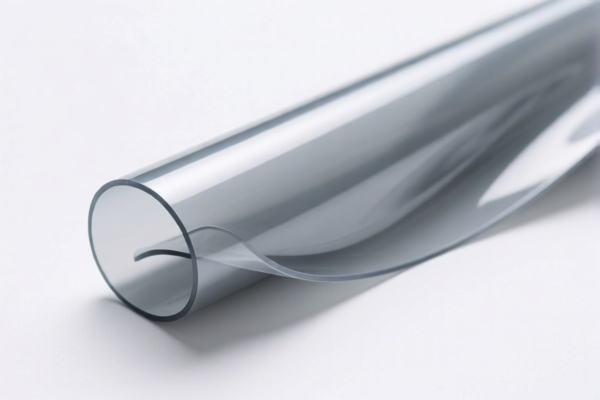
- Hot Melt Adhesive Strips/Pads (4823 Series): Pre-formed adhesive products on paper or film carriers, used for binding, sealing, or packaging.
⚠️ Key Distinction:
- If it is machinery (heating, melting, applying) → Classified under Chapter 84 (8479 or 8477).
- If it is the adhesive material itself (strips, pads, rolls) → Classified under Chapter 48 (4823) as paper-based adhesive products.
📦 II. HS Code Classification Details (2026 Latest Tariff Authority Comparison)
| HS Code | Product Description | Application Scenario | Total Tax Rate (China to US) |
|---|---|---|---|
8479.82.00.80 |
Other machinery with individual functions (Mixing, kneading, etc.) | General hot melt adhesive machines involving heating and coating processes. | 35.0% |
8477.80.01.00 |
Machinery for working plastics (Glue/Adhesive processing) | Machinery specifically for plastic/adhesive processing and product manufacturing. | 38.1% |
8479.82.00.40 |
Machinery for mixing/kneading (Heating & Mixing/Coating) | Machines for heating and mixing/coating liquid glue. | 35.0% |
8477.59.01.00 |
Molding/Processing Machinery for Rubber or Plastics | Forming or treating machinery for plastic/rubber processing (including glue application). | 38.1% |
4823.90.86.20 |
Adhesive products on paper/film substrates | Hot melt adhesive strips/pads (paper or film-based) for binding or packaging. | 35.0% |
🔍 Key Insight:
- Machinery is split between 8479 (General function/mixing) and 8477 (Plastic/Rubber processing). The choice depends on the machine's primary operational definition (mixing vs. molding). - Adhesive Material (strips/pads) falls under 4823, categorized as adhesive products on paper bases. - Tax Rates vary based on whether the machine is viewed as a "general mixer" (0% base) or "plastic machinery" (3.1% base), due to the different Additional Tariff calculations.
💰 III. 2026 Latest Tariff Rate Details (Including Additional Taxes & Policy Surcharges)
✅ Applicable Country: United States (US)
✅ Country of Origin: China (CN)
✅ Effective Time: Current rates apply for imports from China.
🎯 1. Machinery Classification: 8479.82.00.80 & 8479.82.00.40
(General Machinery with Individual Functions / Mixing Machines)
| Item | Content |
|---|---|
| Base Tariff | 0.0% |
| Section 301 Additional Tariff | +25.0% |
| Section 122 Tariff (IEEPA) | +10.0% |
| Total Tariff Rate | 35.0% |
| Tax Calculation | CIF Value × 35% |
| De Minimis Exemption? | ❌ No (Section 301 and 122 tariffs generally apply regardless of value for these categories) |
| Legal Basis Path | USITC:8479.82.00.80 → FOOTNOTE:301 (25%) → IEEPA:122 (10%) |
📌 Explanation:
- These codes are classified under "Other machinery with individual functions."
- The Base Tariff is 0%, but the Additional Tariffs are significant: 25% (Section 301) + 10% (Section 122/10% surcharge).
- Total: 35%. This is a high-cost category for machinery.
🎯 2. Machinery Classification: 8477.80.01.00 & 8477.59.01.00
(Plastics/Rubber Processing Machinery)
| Item | Content |
|---|---|
| Base Tariff | 3.1% |
| Section 301 Additional Tariff | +25.0% |
| Section 122 Tariff (IEEPA) | +10.0% |
| Total Tariff Rate | 38.1% |
| Tax Calculation | CIF Value × 38.1% |
| De Minimis Exemption? | ❌ No |
| Legal Basis Path | USITC:8477.80.01.00 → FOOTNOTE:301 (25%) → IEEPA:122 (10%) |
📌 Explanation:
- These codes fall under "Machinery for working plastics/rubber."
- Unlike the 8479 series, the Base Tariff is 3.1%.
- However, the Additional Tariffs remain the same: 25% (Section 301) + 10% (Section 122).
- Total: 38.1%. This is the highest tariff rate among the options for machinery.
🎯 3. Adhesive Products: 4823.90.86.20
(Adhesive Products on Paper/Film)
| Item | Content |
|---|---|
| Base Tariff | 0.0% |
| Section 301 Additional Tariff | +25.0% |
| Section 122 Tariff (IEEPA) | +10.0% |
| Total Tariff Rate | 35.0% |
| Tax Calculation | CIF Value × 35% |
| De Minimis Exemption? | ❌ No (For China-origin goods) |
| Legal Basis Path | USITC:4823.90.86.20 → FOOTNOTE:301 (25%) → IEEPA:122 (10%) |
📌 Explanation:
- Hot melt adhesive strips/pads are treated as adhesive products on paper bases.
- The tariff structure is identical to the 8479 machinery: 0% Base + 25% (301) + 10% (122) = 35%.
🛠️ IV. Customs Clearance Practical Advice (Avoid Pitfalls)
✅ 1. Essential Documentation Checklist
| Document | Required | Description |
|---|---|---|
| ✅ Product Specification Sheet | ✔️ | Detailed technical specs: heating type, temperature range, capacity, application method. |
| ✅ Machine Photos/Blueprints | ✔️ | Show internal components to prove if it’s a "mixer" (8479) or "plastic worker" (8477). |
| ✅ Commercial Invoice | ✔️ | Clearly state "Hot Melt Adhesive Machine" or "Hot Melt Adhesive Strips." |
| ✅ Packing List | ✔️ | Separate items if machine and adhesive are shipped together. |
| ✅ Origin Certificate (CO) | ✔️ | Confirm China origin to assess correct tariff rates. |
| ✅ Third-Party Test Reports | ✔️ | Safety certifications (UL, CE, RoHS) if applicable. |
✅ 2. Declaration Tips (Key Rules)
🔥 "Machines are expensive, Strips are simpler. Don't mix them up!"
| Scenario | Correct HS Code | Wrong Action | Consequence |
|---|---|---|---|
| Hot Melt Glue Machine (Heating/Mixing) | 8479.82.00.80 / 8479.82.00.40 |
Misdeclare as 8477 |
Higher tax (38.1% vs 35%) |
| Hot Melt Glue Machine (Plastic Processing) | 8477.80.01.00 / 8477.59.01.00 |
Misdeclare as 8479 |
Incorrect classification risk |
| Hot Melt Adhesive Strips/Pads | 4823.90.86.20 |
Misdeclare as Machine | Severe misclassification penalty |
| Machine + Adhesive Cartridge | Split Declaration | Bundle as one | Incorrect tax calculation |
📌 Note:
- If the machine includes a "heating and mixing" function primarily, 8479 is often more favorable (35%) than 8477 (38.1%).
- However, if the machine is primarily for molding or processing plastic parts (even with glue application), 8477 may be technically correct, despite the higher tax.
- Adhesive strips must be declared separately from the machine.
✅ 3. Special Cases
| Case | Handling Advice |
|---|---|
| Custom-Designed Machine | Provide design drawings to prove primary function (Mixing vs. Plastic Processing). |
| Machine with Attached Glue Reservoir | Declare machine as primary good. If glue is consumable, it may be declared separately or included in the machine value. |
| Hot Melt Adhesive Rolls (Film/Paper) | Ensure correct description: "Adhesive on paper base" to fit 4823.90.86.20. |
| Non-China Origin | If manufactured in Vietnam, Mexico, etc., Section 301/122 tariffs may not apply. Check Free Trade Agreements (FTAs). |
🌍 V. Global Market Comparison (2026 Latest)
| Country/Region | Recommended HS Code (Machine) | Base Tariff | Additional Tariffs | Total Rate (China) |
|---|---|---|---|---|
| 🇺🇸 USA | 8479.82.00.80 |
0% | 25% (301) + 10% (122) | 35.0% |
| 🇺🇸 USA | 8477.80.01.00 |
3.1% | 25% (301) + 10% (122) | 38.1% |
| 🇨🇳 China | 8479 / 8477 |
~10-15% | None | ~10-15% |
| 🇪🇺 EU | 8479 / 8477 |
~0-4% | None | ~0-4% |
| 🇦🇺 Australia | 8479 / 8477 |
~5% | None | ~5% |
📌 Conclusion:
- The US imposes heavy additional tariffs (35-38%) on Chinese-origin thermoplastic adhesive machinery and products.
- EU and Australia have much lower base tariffs and no additional punitive tariffs.
- China-origin goods face high barriers in the US market. Consider sourcing from non-China origins if possible to reduce costs.
📌 VI. Common Errors & Pitfalls (Lessons Learned)
❌ Error 1: Declaring a Hot Melt Machine as "General Machinery" without specifying function.
👉 Consequence: Customs may reclassify to 8477 (38.1%) or demand detailed technical justification.
❌ Error 2: Including adhesive strips inside the machine package and declaring only the machine.
👉 Consequence: Undervaluation or misdeclaration. Adhesive strips should be declared separately or correctly valued.
❌ Error 3: Using vague descriptions like "Glue Gun" for industrial machines.
👉 Consequence: Delays in customs clearance. Use precise technical terms like "Hot Melt Adhesive Application Machine."
❌ Error 4: Ignoring Section 122 Tariffs.
👉 Consequence: Unexpected 10% surcharge on top of the 25% Section 301 tariff.
✅ Correct Declaration Example:
"Hot Melt Adhesive Application Machine, Model XYZ, for industrial packaging, heating and mixing function, Origin: China"
HS Code:8479.82.00.80
Tax Rate: 35.0%
🎯 VII. Conclusion: Precise Classification Saves Money!
🎯 Remember the Key Rules:
🔹 "Machines: 8479 (35%) vs 8477 (38.1%) - Choose wisely!"
🔹 "Strips: 4823 (35%) - Always include!"
🔹 "China Origin = High Tax in US - Plan Ahead!"
📌 Pro Tip:
- If your Hot Melt Machine is primarily for plastic processing (e.g., attaching labels to plastic bottles), 8477 might be the technically correct code, even though it’s 3.1% more expensive.
- If it’s primarily for mixing/adhesive preparation, 8479 is the better choice (35% tax).
- Get a Pre-Ruling (Advance Ruling) from US Customs (CBP) if you are unsure about the primary function. This can save you thousands in potential duties.
📣 Immediate Action:
📞 Consult a Customs Broker + Provide Technical Specs + Apply for HS Code Pre-Ruling
🚀 Clear Your Thermoplastic Adhesive Goods Efficiently, Reduce Costs, and Boost Profits!
✨ Professional Customs Clearance Starts with Precise Classification!
💼 Every Percent Matters!
用户评价
关于 HS 编码归类
协调制度(HS)是由世界海关组织(WCO)制定的国际贸易商品分类标准。全球 200 多个国家采用 HS 系统作为海关关税、贸易统计和进出口监管的基础。
每个 HS 编码遵循以下层级结构:
- 章(2 位)——商品大类(例如:第 84 章:机器和机械设备)
- 品目(4 位)——章内的更具体分类
- 子目(6 位)——国际通用细分,所有 WCO 成员国统一使用
- 本国细分(8-10 位)——各国自行扩展的细分编码,如美国 HTSUS 10 位编码
正确的 HS 编码归类对于顺利通关、准确缴纳关税和遵守贸易法规至关重要。错误归类可能导致海关延误、多缴关税或罚款。
从CN进口到US时,适用的关税税率可能包括:
- 最惠国(MFN)税率——适用于 WTO 成员国的标准关税税率
- 普通税率——适用于无贸易协定国家
- 贸易救济关税——附加关税,如 301 条款(反倾销)、232 条款(国家安全)或反补贴税
本页内容仅供参考。如需正式归类,请咨询当地海关或持牌报关代理。