Thermoplastic Adhesive
CN → US| HS Code | Tariff Rate | Origin | Destination | Doc |
|---|---|---|---|---|
| 8479820080 | 35.0% | CN | US | Official Doc |
| 8477800100 | 38.1% | CN | US | Official Doc |
| 8479820040 | 35.0% | CN | US | Official Doc |
| 8477590100 | 38.1% | CN | US | Official Doc |
| 4823908620 | 35.0% | CN | US | Official Doc |
Product Images
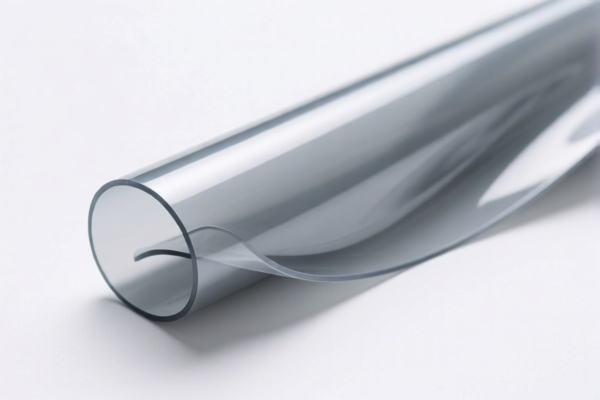

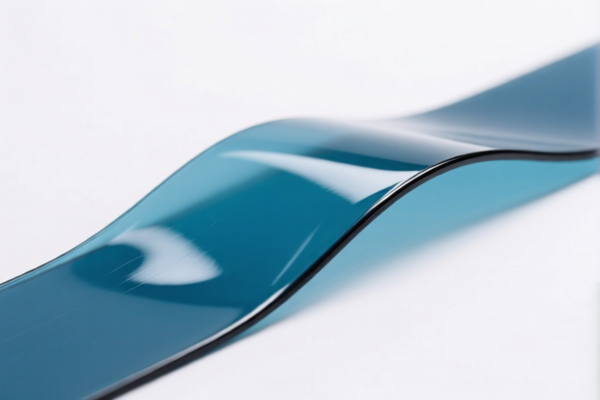
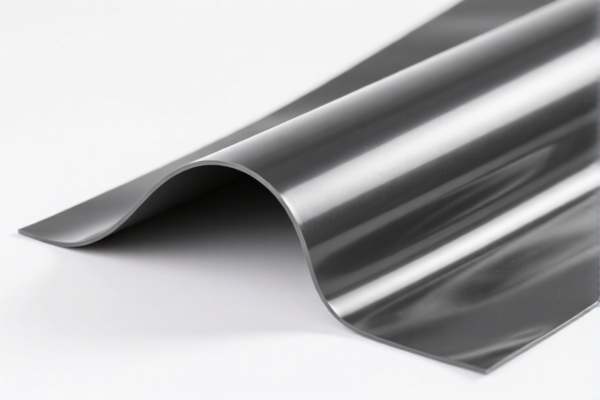
AI Analysis
🔥 Thermoplastic Adhesive (Hot Melt Adhesive Machines & Products)
🌐 HS Code Reference & Customs Clearance Guide | 2026 Latest Tariff Analysis | Professional Clearance Strategy
📌 I. Product Definition and Classification: What is "Thermoplastic Adhesive"?
Thermoplastic adhesive, commonly known as Hot Melt Adhesive (HMA), is a polymer-based product that becomes fluid when heated and solidifies upon cooling. In international trade, it is categorized into two distinct types based on its form and application equipment:
- Hot Melt Adhesive Machines (8479/8477 Series): Mechanical equipment used to heat, melt, mix, and apply the adhesive. These are classified as machinery with individual functions or plastic-processing machinery.
- Hot Melt Adhesive Strips/Pads (4823 Series): Pre-formed adhesive products on paper or film carriers, used for binding, sealing, or packaging.
⚠️ Key Distinction:
- If it is machinery (heating, melting, applying) → Classified under Chapter 84 (8479 or 8477).
- If it is the adhesive material itself (strips, pads, rolls) → Classified under Chapter 48 (4823) as paper-based adhesive products.
📦 II. HS Code Classification Details (2026 Latest Tariff Authority Comparison)
| HS Code | Product Description | Application Scenario | Total Tax Rate (China to US) |
|---|---|---|---|
8479.82.00.80 |
Other machinery with individual functions (Mixing, kneading, etc.) | General hot melt adhesive machines involving heating and coating processes. | 35.0% |
8477.80.01.00 |
Machinery for working plastics (Glue/Adhesive processing) | Machinery specifically for plastic/adhesive processing and product manufacturing. | 38.1% |
8479.82.00.40 |
Machinery for mixing/kneading (Heating & Mixing/Coating) | Machines for heating and mixing/coating liquid glue. | 35.0% |
8477.59.01.00 |
Molding/Processing Machinery for Rubber or Plastics | Forming or treating machinery for plastic/rubber processing (including glue application). | 38.1% |
4823.90.86.20 |
Adhesive products on paper/film substrates | Hot melt adhesive strips/pads (paper or film-based) for binding or packaging. | 35.0% |
🔍 Key Insight:
- Machinery is split between 8479 (General function/mixing) and 8477 (Plastic/Rubber processing). The choice depends on the machine's primary operational definition (mixing vs. molding). - Adhesive Material (strips/pads) falls under 4823, categorized as adhesive products on paper bases. - Tax Rates vary based on whether the machine is viewed as a "general mixer" (0% base) or "plastic machinery" (3.1% base), due to the different Additional Tariff calculations.
💰 III. 2026 Latest Tariff Rate Details (Including Additional Taxes & Policy Surcharges)
✅ Applicable Country: United States (US)
✅ Country of Origin: China (CN)
✅ Effective Time: Current rates apply for imports from China.
🎯 1. Machinery Classification: 8479.82.00.80 & 8479.82.00.40
(General Machinery with Individual Functions / Mixing Machines)
| Item | Content |
|---|---|
| Base Tariff | 0.0% |
| Section 301 Additional Tariff | +25.0% |
| Section 122 Tariff (IEEPA) | +10.0% |
| Total Tariff Rate | 35.0% |
| Tax Calculation | CIF Value × 35% |
| De Minimis Exemption? | ❌ No (Section 301 and 122 tariffs generally apply regardless of value for these categories) |
| Legal Basis Path | USITC:8479.82.00.80 → FOOTNOTE:301 (25%) → IEEPA:122 (10%) |
📌 Explanation:
- These codes are classified under "Other machinery with individual functions."
- The Base Tariff is 0%, but the Additional Tariffs are significant: 25% (Section 301) + 10% (Section 122/10% surcharge).
- Total: 35%. This is a high-cost category for machinery.
🎯 2. Machinery Classification: 8477.80.01.00 & 8477.59.01.00
(Plastics/Rubber Processing Machinery)
| Item | Content |
|---|---|
| Base Tariff | 3.1% |
| Section 301 Additional Tariff | +25.0% |
| Section 122 Tariff (IEEPA) | +10.0% |
| Total Tariff Rate | 38.1% |
| Tax Calculation | CIF Value × 38.1% |
| De Minimis Exemption? | ❌ No |
| Legal Basis Path | USITC:8477.80.01.00 → FOOTNOTE:301 (25%) → IEEPA:122 (10%) |
📌 Explanation:
- These codes fall under "Machinery for working plastics/rubber."
- Unlike the 8479 series, the Base Tariff is 3.1%.
- However, the Additional Tariffs remain the same: 25% (Section 301) + 10% (Section 122).
- Total: 38.1%. This is the highest tariff rate among the options for machinery.
🎯 3. Adhesive Products: 4823.90.86.20
(Adhesive Products on Paper/Film)
| Item | Content |
|---|---|
| Base Tariff | 0.0% |
| Section 301 Additional Tariff | +25.0% |
| Section 122 Tariff (IEEPA) | +10.0% |
| Total Tariff Rate | 35.0% |
| Tax Calculation | CIF Value × 35% |
| De Minimis Exemption? | ❌ No (For China-origin goods) |
| Legal Basis Path | USITC:4823.90.86.20 → FOOTNOTE:301 (25%) → IEEPA:122 (10%) |
📌 Explanation:
- Hot melt adhesive strips/pads are treated as adhesive products on paper bases.
- The tariff structure is identical to the 8479 machinery: 0% Base + 25% (301) + 10% (122) = 35%.
🛠️ IV. Customs Clearance Practical Advice (Avoid Pitfalls)
✅ 1. Essential Documentation Checklist
| Document | Required | Description |
|---|---|---|
| ✅ Product Specification Sheet | ✔️ | Detailed technical specs: heating type, temperature range, capacity, application method. |
| ✅ Machine Photos/Blueprints | ✔️ | Show internal components to prove if it’s a "mixer" (8479) or "plastic worker" (8477). |
| ✅ Commercial Invoice | ✔️ | Clearly state "Hot Melt Adhesive Machine" or "Hot Melt Adhesive Strips." |
| ✅ Packing List | ✔️ | Separate items if machine and adhesive are shipped together. |
| ✅ Origin Certificate (CO) | ✔️ | Confirm China origin to assess correct tariff rates. |
| ✅ Third-Party Test Reports | ✔️ | Safety certifications (UL, CE, RoHS) if applicable. |
✅ 2. Declaration Tips (Key Rules)
🔥 "Machines are expensive, Strips are simpler. Don't mix them up!"
| Scenario | Correct HS Code | Wrong Action | Consequence |
|---|---|---|---|
| Hot Melt Glue Machine (Heating/Mixing) | 8479.82.00.80 / 8479.82.00.40 |
Misdeclare as 8477 |
Higher tax (38.1% vs 35%) |
| Hot Melt Glue Machine (Plastic Processing) | 8477.80.01.00 / 8477.59.01.00 |
Misdeclare as 8479 |
Incorrect classification risk |
| Hot Melt Adhesive Strips/Pads | 4823.90.86.20 |
Misdeclare as Machine | Severe misclassification penalty |
| Machine + Adhesive Cartridge | Split Declaration | Bundle as one | Incorrect tax calculation |
📌 Note:
- If the machine includes a "heating and mixing" function primarily, 8479 is often more favorable (35%) than 8477 (38.1%).
- However, if the machine is primarily for molding or processing plastic parts (even with glue application), 8477 may be technically correct, despite the higher tax.
- Adhesive strips must be declared separately from the machine.
✅ 3. Special Cases
| Case | Handling Advice |
|---|---|
| Custom-Designed Machine | Provide design drawings to prove primary function (Mixing vs. Plastic Processing). |
| Machine with Attached Glue Reservoir | Declare machine as primary good. If glue is consumable, it may be declared separately or included in the machine value. |
| Hot Melt Adhesive Rolls (Film/Paper) | Ensure correct description: "Adhesive on paper base" to fit 4823.90.86.20. |
| Non-China Origin | If manufactured in Vietnam, Mexico, etc., Section 301/122 tariffs may not apply. Check Free Trade Agreements (FTAs). |
🌍 V. Global Market Comparison (2026 Latest)
| Country/Region | Recommended HS Code (Machine) | Base Tariff | Additional Tariffs | Total Rate (China) |
|---|---|---|---|---|
| 🇺🇸 USA | 8479.82.00.80 |
0% | 25% (301) + 10% (122) | 35.0% |
| 🇺🇸 USA | 8477.80.01.00 |
3.1% | 25% (301) + 10% (122) | 38.1% |
| 🇨🇳 China | 8479 / 8477 |
~10-15% | None | ~10-15% |
| 🇪🇺 EU | 8479 / 8477 |
~0-4% | None | ~0-4% |
| 🇦🇺 Australia | 8479 / 8477 |
~5% | None | ~5% |
📌 Conclusion:
- The US imposes heavy additional tariffs (35-38%) on Chinese-origin thermoplastic adhesive machinery and products.
- EU and Australia have much lower base tariffs and no additional punitive tariffs.
- China-origin goods face high barriers in the US market. Consider sourcing from non-China origins if possible to reduce costs.
📌 VI. Common Errors & Pitfalls (Lessons Learned)
❌ Error 1: Declaring a Hot Melt Machine as "General Machinery" without specifying function.
👉 Consequence: Customs may reclassify to 8477 (38.1%) or demand detailed technical justification.
❌ Error 2: Including adhesive strips inside the machine package and declaring only the machine.
👉 Consequence: Undervaluation or misdeclaration. Adhesive strips should be declared separately or correctly valued.
❌ Error 3: Using vague descriptions like "Glue Gun" for industrial machines.
👉 Consequence: Delays in customs clearance. Use precise technical terms like "Hot Melt Adhesive Application Machine."
❌ Error 4: Ignoring Section 122 Tariffs.
👉 Consequence: Unexpected 10% surcharge on top of the 25% Section 301 tariff.
✅ Correct Declaration Example:
"Hot Melt Adhesive Application Machine, Model XYZ, for industrial packaging, heating and mixing function, Origin: China"
HS Code:8479.82.00.80
Tax Rate: 35.0%
🎯 VII. Conclusion: Precise Classification Saves Money!
🎯 Remember the Key Rules:
🔹 "Machines: 8479 (35%) vs 8477 (38.1%) - Choose wisely!"
🔹 "Strips: 4823 (35%) - Always include!"
🔹 "China Origin = High Tax in US - Plan Ahead!"
📌 Pro Tip:
- If your Hot Melt Machine is primarily for plastic processing (e.g., attaching labels to plastic bottles), 8477 might be the technically correct code, even though it’s 3.1% more expensive.
- If it’s primarily for mixing/adhesive preparation, 8479 is the better choice (35% tax).
- Get a Pre-Ruling (Advance Ruling) from US Customs (CBP) if you are unsure about the primary function. This can save you thousands in potential duties.
📣 Immediate Action:
📞 Consult a Customs Broker + Provide Technical Specs + Apply for HS Code Pre-Ruling
🚀 Clear Your Thermoplastic Adhesive Goods Efficiently, Reduce Costs, and Boost Profits!
✨ Professional Customs Clearance Starts with Precise Classification!
💼 Every Percent Matters!
Customer Reviews
About HS Code Classification
The Harmonized System (HS) is an internationally standardized nomenclature developed by the World Customs Organization (WCO) to classify traded products. Over 200 countries use the HS system as the basis for customs tariffs, trade statistics, and import/export regulations.
Each HS code follows a hierarchical structure:
- Chapter (2 digits) — Broad category of goods (e.g., Chapter 84: Machinery and Mechanical Appliances)
- Heading (4 digits) — More specific grouping within the chapter
- Subheading (6 digits) — Internationally standardized breakdown, used by all WCO member countries
- National subdivisions (8-10 digits) — Country-specific extensions for further classification, such as US HTSUS 10-digit codes
Correct HS code classification is essential for smooth customs clearance, accurate duty payment, and compliance with trade regulations. Misclassification can lead to customs delays, overpayment of duties, or penalties.
When importing from CN to US, the applicable tariff rates may include:
- Most-Favored-Nation (MFN) rate — The standard duty rate applied to WTO members
- General rate — Applied to countries without trade agreements
- Trade remedy duties — Additional tariffs such as Section 301 (anti-dumping), Section 232 (national security), or countervailing duties
The information provided on this page is for reference purposes only. For official classification, please consult with your local customs authority or a licensed customs broker.