Towel Bar Set
CN → US| HS编码 | 关税税率 | 原产国 | 目的国 | 文档 |
|---|---|---|---|---|
| 3926301000 | 24.0% | CN | US | 官方文档 |
| 8302419015 | 38.5% | CN | US | 官方文档 |
| 7326908630 | 87.9% | CN | US | 官方文档 |
| 7326908688 | 87.9% | CN | US | 官方文档 |
| 3926305000 | 22.8% | CN | US | 官方文档 |
商品图片
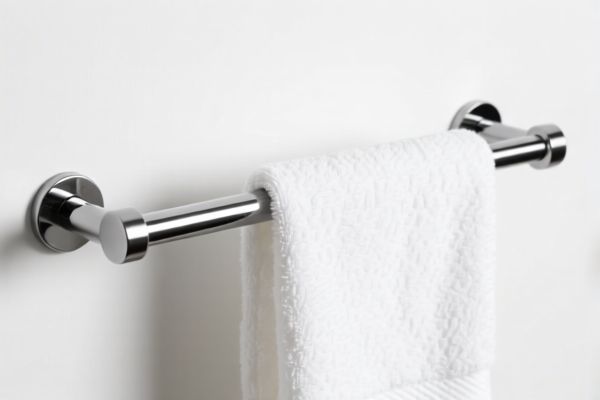
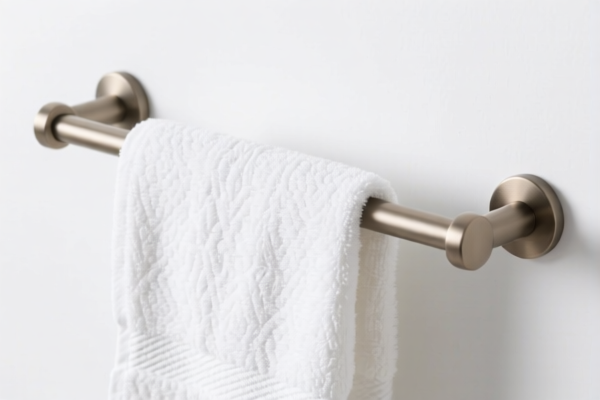
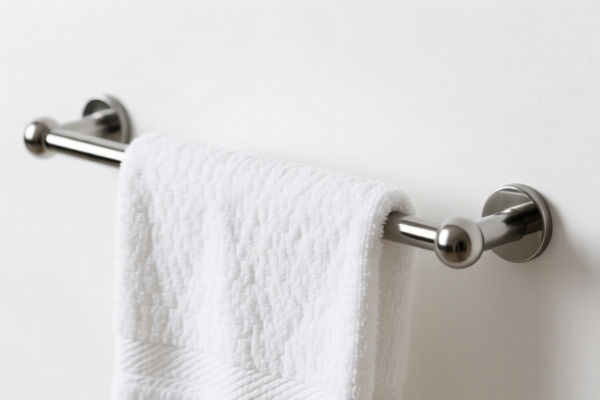
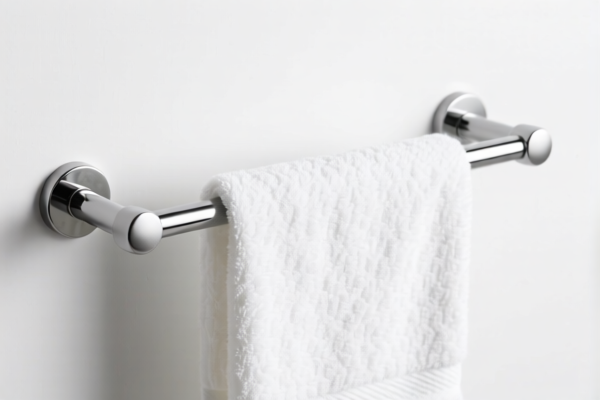
AI分析
🛁 Towel Bar Set (The Multi-Material Conundrum)
🌐 HS Code Reference & Customs Clearance Guide | 2026 Latest Tariff Breakdown | Strategic Entry Strategy
📌 One Product, Four Tariffs: Why "Towel Bar" is a Classification Minefield
A towel bar seems simple, but under international trade law, it is a chameleon. Its classification depends entirely on its material composition and functional purpose. Misclassification can lead to tariff shocks ranging from 22.8% to 87.9%!
⚠️ Critical Distinction:
- Plastic/Mixed Material → Lower Tax Bracket (3926)
- Metal (Steel/Iron/Aluminum) → High Tax Bracket (7326/8302) due to US-China trade tensions.
📦 II. HS Code Classification Matrix (Based on Provided Data)
| HS Code | Material/Type | Summary of Classification Logic | Total Tariff Rate (Est.) | Tax Complexity |
|---|---|---|---|---|
3926.30.10.00 |
Plastic | Classified as "Other articles of plastics" for bathroom or furniture accessories. | 24.0% | Moderate |
3926.30.50.00 |
Plastic | Classified as plastic connecting fittings for furniture or vehicle bodies. | 22.8% | Low-Moderate |
8302.41.90.15 |
Metal (General) | Classified as metal fittings for building or household use. | 38.5% | High |
7326.90.86.30 |
Steel/Iron | Classified as steel support/hanging bars (similar to pipe hangers). | 87.9% | Very High |
7326.90.86.88 |
Steel/Iron | Classified as other steel/iron articles, rod-shaped, not specifically listed. | 87.9% | Very High |
💰 III. Detailed Tax Breakdown & Legal Basis
✅ Scope: Based strictly on provided data.
✅ Key Drivers: Base Tariff + Section 301 (Additional) + Section 122 + Special Metal Levies.
🎯 1. Plastic Category (Low Risk, Low Cost)
Option A: 3926.30.10.00
- Summary: Towel bars as plastic articles for bathroom/furniture use.
- Tax Structure:
- Base Tariff: 6.5%
- Section 301 (Additional): 7.5%
- Section 122: 10%
- Total: 24.0%
- 💡 Insight: This is the most cost-effective route if the product is predominantly plastic.
Option B: 3926.30.50.00
- Summary: Plastic connecting fittings for furniture/vehicle bodies.
- Tax Structure:
- Base Tariff: 5.3%
- Section 301 (Additional): 7.5%
- Section 122: 10%
- Total: 22.8%
- 💡 Insight: Slightly lower total tax than Option A, but requires justification as a "connecting fitting" rather than a general accessory.
🎯 2. General Metal Category (Medium Risk)
Option C: 8302.41.90.15
- Summary: Metal fittings for building/household use.
- Tax Structure:
- Base Tariff: 3.5%
- Section 301 (Additional): 25.0%
- Section 122: 10%
- Total: 38.5%
- 💡 Insight: Lower base tariff, but the 25% Section 301 surcharge significantly increases the cost compared to plastic.
🎯 3. Steel/Iron Category (High Risk, High Cost)
Option D: 7326.90.86.30
- Summary: Steel/Iron support/hanging bars (functional similarity to pipe hangers).
- Tax Structure:
- Base Tariff: 2.9%
- Section 301 (Additional): 25.0%
- Section 122: 10%
- Special Metal Levy: 50% (Applicable to Steel/Aluminum/Copper products)
- Total: 87.9%
- 💡 Insight: Avoid if possible. The cumulative effect of 301, 122, and the special 50% metal levy creates a prohibitive tax burden.
Option E: 7326.90.86.88
- Summary: Other steel/iron articles, rod-shaped.
- Tax Structure:
- Base Tariff: 2.9%
- Section 301 (Additional): 25.0%
- Section 122: 10%
- Special Metal Levy: 50% (Applicable to Steel/Aluminum/Copper products)
- Total: 87.9%
- 💡 Insight: Identical tax burden to Option D. Used as a catch-all for steel rods not specifically listed elsewhere.
🛠️ IV. Customs Clearance Strategy & Recommendations
✅ 1. Material Verification is Key
Before shipping, conduct a material composition analysis:
* >50% Plastic? → Aim for 3926.30.10.00 or 3926.30.50.00.
* Metal Core with Plastic Coating? → Risk falls into Metal category. Must prove primary character is plastic.
* Pure Metal (Stainless Steel/Iron/Aluminum)? → Expect 87.9% tariff. Consider if the product margin can absorb this cost.
✅ 2. Documentation Requirements
To support your chosen HS Code, provide:
* Bill of Materials (BOM): Clearly state material percentages.
* Product Photos: Show finish, texture, and joints (plastic looks distinct from brushed metal).
* Function Statement:
* For 3926: "Plastic bathroom accessory."
* For 8302: "Metal mounting bracket/fitting."
* For 7326: "Steel support rod."
✅ 3. Cost Optimization Tips
- Switch to Plastic: If your product design allows, switching from metal to high-quality ABS or PP plastic can reduce tariffs from 87.9% to ~24%.
- Pre-Ruling: For high-volume metal imports, apply for an Advance Ruling to confirm if
8302.41.90.15(38.5%) is acceptable instead of7326(87.9%). This requires proving the item is a "fitting" rather than a "general steel article."
✅ 4. Common Pitfalls
- ❌ Mislabeling Steel as Plastic: Customs will test material density or composition. Fines apply for false declaration.
- ❌ Ignoring Section 122: All HS codes in the data include a 10% Section 122 levy. Do not omit this from cost calculations.
- ❌ Assuming Base Tariff is Total: The base tariff (2.9%-6.5%) is misleading. The 301 (25% or 7.5%) and 122 (10%) are the real cost drivers.
📌 V. Conclusion & Final Advice
For Towel Bar Sets, the material is destiny:
- Best Case (Plastic): Target
3926.30.50.00for the lowest rate at 22.8%. - Middle Case (Metal Fitting): Target
8302.41.90.15at 38.5% if you can argue it's a "fitting" not a "rod." - Worst Case (Steel Rod): Classifying as
7326.90.86.30/88results in 87.9% tax due to the 50% special metal levy.
🚀 Action Item:
Review your product's material composition immediately. If it is metal, consult a customs broker to see if8302.41.90.15is defensible. If plastic, ensure documentation highlights "plastic" properties to secure the <25% tax bracket.
✨ Smart Classification = Smart Profit Margins
💼 Don't let tariff complexity wash away your profits!
用户评价
关于 HS 编码归类
协调制度(HS)是由世界海关组织(WCO)制定的国际贸易商品分类标准。全球 200 多个国家采用 HS 系统作为海关关税、贸易统计和进出口监管的基础。
每个 HS 编码遵循以下层级结构:
- 章(2 位)——商品大类(例如:第 84 章:机器和机械设备)
- 品目(4 位)——章内的更具体分类
- 子目(6 位)——国际通用细分,所有 WCO 成员国统一使用
- 本国细分(8-10 位)——各国自行扩展的细分编码,如美国 HTSUS 10 位编码
正确的 HS 编码归类对于顺利通关、准确缴纳关税和遵守贸易法规至关重要。错误归类可能导致海关延误、多缴关税或罚款。
从CN进口到US时,适用的关税税率可能包括:
- 最惠国(MFN)税率——适用于 WTO 成员国的标准关税税率
- 普通税率——适用于无贸易协定国家
- 贸易救济关税——附加关税,如 301 条款(反倾销)、232 条款(国家安全)或反补贴税
本页内容仅供参考。如需正式归类,请咨询当地海关或持牌报关代理。