Towel Bar Set
CN → US| HS Code | Tariff Rate | Origin | Destination | Doc |
|---|---|---|---|---|
| 3926301000 | 24.0% | CN | US | Official Doc |
| 8302419015 | 38.5% | CN | US | Official Doc |
| 7326908630 | 87.9% | CN | US | Official Doc |
| 7326908688 | 87.9% | CN | US | Official Doc |
| 3926305000 | 22.8% | CN | US | Official Doc |
Product Images
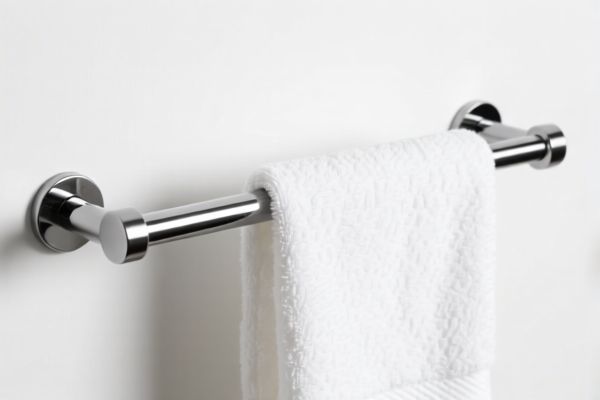
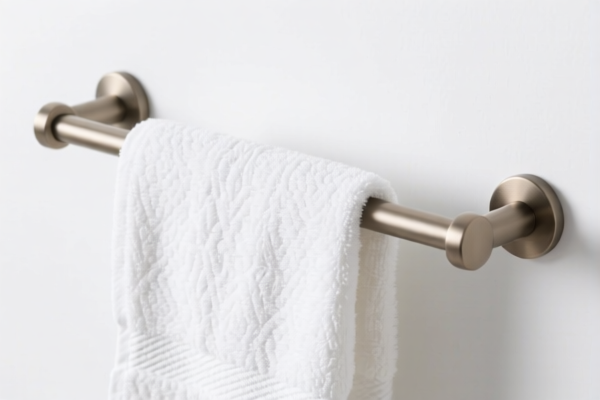
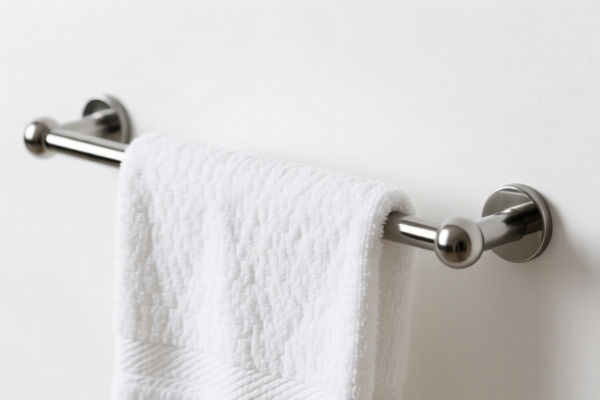
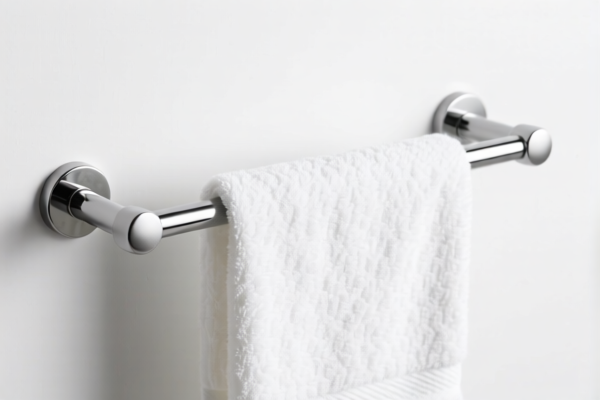
AI Analysis
🛁 Towel Bar Set (The Multi-Material Conundrum)
🌐 HS Code Reference & Customs Clearance Guide | 2026 Latest Tariff Breakdown | Strategic Entry Strategy
📌 One Product, Four Tariffs: Why "Towel Bar" is a Classification Minefield
A towel bar seems simple, but under international trade law, it is a chameleon. Its classification depends entirely on its material composition and functional purpose. Misclassification can lead to tariff shocks ranging from 22.8% to 87.9%!
⚠️ Critical Distinction:
- Plastic/Mixed Material → Lower Tax Bracket (3926)
- Metal (Steel/Iron/Aluminum) → High Tax Bracket (7326/8302) due to US-China trade tensions.
📦 II. HS Code Classification Matrix (Based on Provided Data)
| HS Code | Material/Type | Summary of Classification Logic | Total Tariff Rate (Est.) | Tax Complexity |
|---|---|---|---|---|
3926.30.10.00 |
Plastic | Classified as "Other articles of plastics" for bathroom or furniture accessories. | 24.0% | Moderate |
3926.30.50.00 |
Plastic | Classified as plastic connecting fittings for furniture or vehicle bodies. | 22.8% | Low-Moderate |
8302.41.90.15 |
Metal (General) | Classified as metal fittings for building or household use. | 38.5% | High |
7326.90.86.30 |
Steel/Iron | Classified as steel support/hanging bars (similar to pipe hangers). | 87.9% | Very High |
7326.90.86.88 |
Steel/Iron | Classified as other steel/iron articles, rod-shaped, not specifically listed. | 87.9% | Very High |
💰 III. Detailed Tax Breakdown & Legal Basis
✅ Scope: Based strictly on provided data.
✅ Key Drivers: Base Tariff + Section 301 (Additional) + Section 122 + Special Metal Levies.
🎯 1. Plastic Category (Low Risk, Low Cost)
Option A: 3926.30.10.00
- Summary: Towel bars as plastic articles for bathroom/furniture use.
- Tax Structure:
- Base Tariff: 6.5%
- Section 301 (Additional): 7.5%
- Section 122: 10%
- Total: 24.0%
- 💡 Insight: This is the most cost-effective route if the product is predominantly plastic.
Option B: 3926.30.50.00
- Summary: Plastic connecting fittings for furniture/vehicle bodies.
- Tax Structure:
- Base Tariff: 5.3%
- Section 301 (Additional): 7.5%
- Section 122: 10%
- Total: 22.8%
- 💡 Insight: Slightly lower total tax than Option A, but requires justification as a "connecting fitting" rather than a general accessory.
🎯 2. General Metal Category (Medium Risk)
Option C: 8302.41.90.15
- Summary: Metal fittings for building/household use.
- Tax Structure:
- Base Tariff: 3.5%
- Section 301 (Additional): 25.0%
- Section 122: 10%
- Total: 38.5%
- 💡 Insight: Lower base tariff, but the 25% Section 301 surcharge significantly increases the cost compared to plastic.
🎯 3. Steel/Iron Category (High Risk, High Cost)
Option D: 7326.90.86.30
- Summary: Steel/Iron support/hanging bars (functional similarity to pipe hangers).
- Tax Structure:
- Base Tariff: 2.9%
- Section 301 (Additional): 25.0%
- Section 122: 10%
- Special Metal Levy: 50% (Applicable to Steel/Aluminum/Copper products)
- Total: 87.9%
- 💡 Insight: Avoid if possible. The cumulative effect of 301, 122, and the special 50% metal levy creates a prohibitive tax burden.
Option E: 7326.90.86.88
- Summary: Other steel/iron articles, rod-shaped.
- Tax Structure:
- Base Tariff: 2.9%
- Section 301 (Additional): 25.0%
- Section 122: 10%
- Special Metal Levy: 50% (Applicable to Steel/Aluminum/Copper products)
- Total: 87.9%
- 💡 Insight: Identical tax burden to Option D. Used as a catch-all for steel rods not specifically listed elsewhere.
🛠️ IV. Customs Clearance Strategy & Recommendations
✅ 1. Material Verification is Key
Before shipping, conduct a material composition analysis:
* >50% Plastic? → Aim for 3926.30.10.00 or 3926.30.50.00.
* Metal Core with Plastic Coating? → Risk falls into Metal category. Must prove primary character is plastic.
* Pure Metal (Stainless Steel/Iron/Aluminum)? → Expect 87.9% tariff. Consider if the product margin can absorb this cost.
✅ 2. Documentation Requirements
To support your chosen HS Code, provide:
* Bill of Materials (BOM): Clearly state material percentages.
* Product Photos: Show finish, texture, and joints (plastic looks distinct from brushed metal).
* Function Statement:
* For 3926: "Plastic bathroom accessory."
* For 8302: "Metal mounting bracket/fitting."
* For 7326: "Steel support rod."
✅ 3. Cost Optimization Tips
- Switch to Plastic: If your product design allows, switching from metal to high-quality ABS or PP plastic can reduce tariffs from 87.9% to ~24%.
- Pre-Ruling: For high-volume metal imports, apply for an Advance Ruling to confirm if
8302.41.90.15(38.5%) is acceptable instead of7326(87.9%). This requires proving the item is a "fitting" rather than a "general steel article."
✅ 4. Common Pitfalls
- ❌ Mislabeling Steel as Plastic: Customs will test material density or composition. Fines apply for false declaration.
- ❌ Ignoring Section 122: All HS codes in the data include a 10% Section 122 levy. Do not omit this from cost calculations.
- ❌ Assuming Base Tariff is Total: The base tariff (2.9%-6.5%) is misleading. The 301 (25% or 7.5%) and 122 (10%) are the real cost drivers.
📌 V. Conclusion & Final Advice
For Towel Bar Sets, the material is destiny:
- Best Case (Plastic): Target
3926.30.50.00for the lowest rate at 22.8%. - Middle Case (Metal Fitting): Target
8302.41.90.15at 38.5% if you can argue it's a "fitting" not a "rod." - Worst Case (Steel Rod): Classifying as
7326.90.86.30/88results in 87.9% tax due to the 50% special metal levy.
🚀 Action Item:
Review your product's material composition immediately. If it is metal, consult a customs broker to see if8302.41.90.15is defensible. If plastic, ensure documentation highlights "plastic" properties to secure the <25% tax bracket.
✨ Smart Classification = Smart Profit Margins
💼 Don't let tariff complexity wash away your profits!
Customer Reviews
About HS Code Classification
The Harmonized System (HS) is an internationally standardized nomenclature developed by the World Customs Organization (WCO) to classify traded products. Over 200 countries use the HS system as the basis for customs tariffs, trade statistics, and import/export regulations.
Each HS code follows a hierarchical structure:
- Chapter (2 digits) — Broad category of goods (e.g., Chapter 84: Machinery and Mechanical Appliances)
- Heading (4 digits) — More specific grouping within the chapter
- Subheading (6 digits) — Internationally standardized breakdown, used by all WCO member countries
- National subdivisions (8-10 digits) — Country-specific extensions for further classification, such as US HTSUS 10-digit codes
Correct HS code classification is essential for smooth customs clearance, accurate duty payment, and compliance with trade regulations. Misclassification can lead to customs delays, overpayment of duties, or penalties.
When importing from CN to US, the applicable tariff rates may include:
- Most-Favored-Nation (MFN) rate — The standard duty rate applied to WTO members
- General rate — Applied to countries without trade agreements
- Trade remedy duties — Additional tariffs such as Section 301 (anti-dumping), Section 232 (national security), or countervailing duties
The information provided on this page is for reference purposes only. For official classification, please consult with your local customs authority or a licensed customs broker.